

Digital Qazaqstan 2026 Forum in Shymkent Highlights Kazakhstan’s Ambitious AI-Driven Growth Strategy
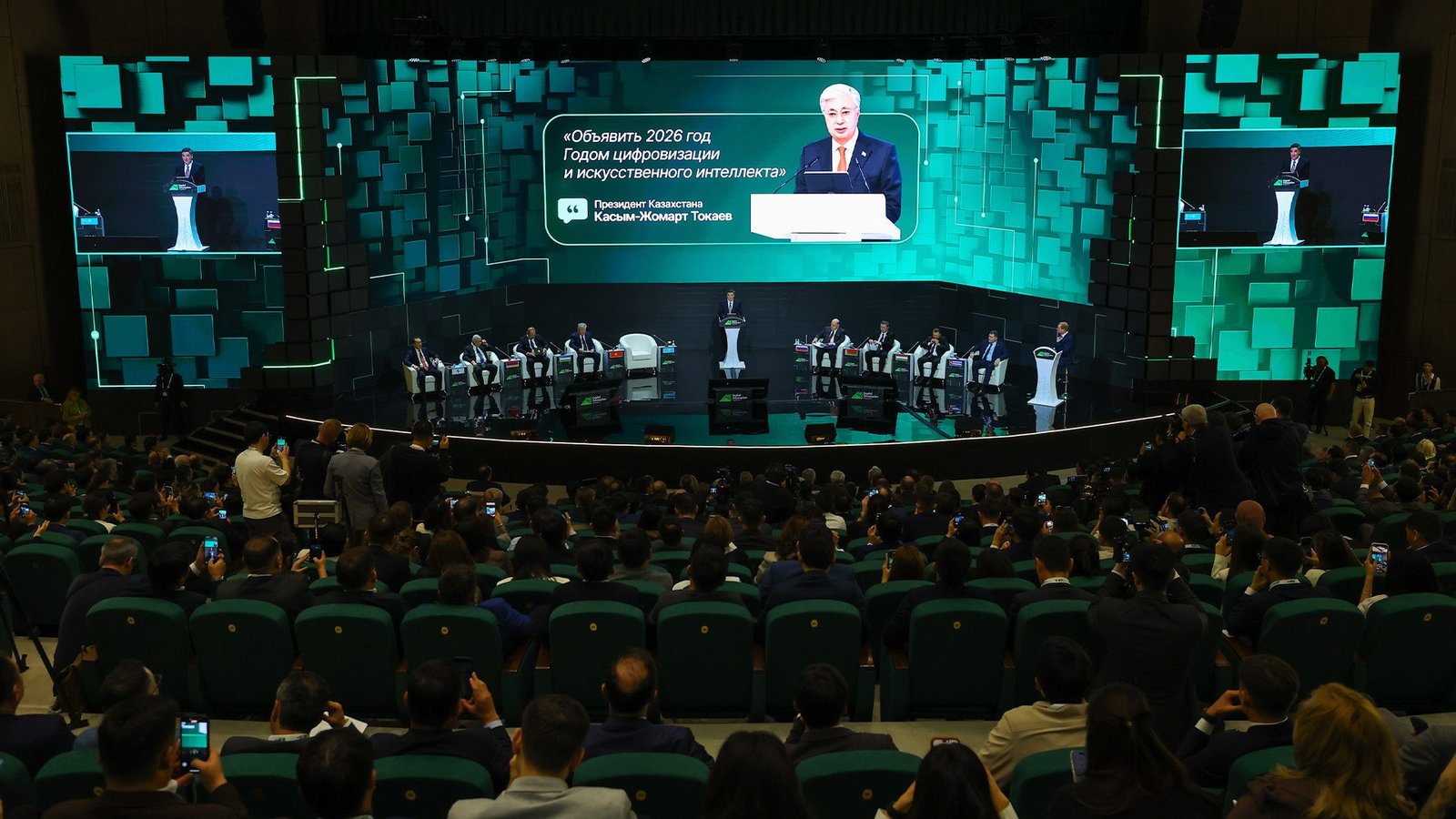
Kazakhstan is positioning artificial intelligence (AI) as a central pillar of its future economic development, with Prime Minister Olzhas Bektenov outlining an ambitious vision for the country’s digital transformation at the Digital Qazaqstan 2026 Forum in Shymkent. Addressing government officials, technology leaders, investors, and policymakers from across the Eurasian region, Bektenov emphasized that AI will play a critical role in shaping Kazakhstan’s next phase of economic growth and global competitiveness. Speaking during the forum’s plenary session, the Prime Minister described AI as a foundational technology that is rapidly becoming as important to national economies as traditional infrastructure such as energy systems, transportation networks, and communications. As governments and businesses worldwide accelerate the adoption of AI technologies, Kazakhstan aims to position itself as a regional leader by creating the necessary legal, technological, and educational frameworks to support innovation. Bektenov identified three strategic priorities that will guide Kazakhstan’s AI development agenda in the coming years: building strong institutional foundations, expanding digital infrastructure, and developing a highly skilled workforce capable of driving innovation across industries. According to the Prime Minister, digitalization and artificial intelligence will form the backbone of Kazakhstan’s emerging economic model. He stressed that technological transformation is no longer an option but a necessity for countries seeking to remain competitive in an increasingly digital global economy.




“The future belongs to nations that can effectively harness the potential of artificial intelligence and digital technologies,” Bektenov said. “Our goal is to create an ecosystem where innovation can flourish while ensuring that technological development benefits citizens, businesses, and society as a whole.” A key element of Kazakhstan’s digital strategy is the establishment of a robust legal framework designed to support AI adoption while ensuring transparency, security, and public trust. Bektenov highlighted the significance of recent political and legal reforms, including the incorporation of digital rights into the country’s constitutional framework. According to the Prime Minister, embedding digital rights at the highest legal level demonstrates Kazakhstan’s commitment to protecting citizens in the digital age while providing businesses with clear and predictable rules for innovation. He noted that the country has already introduced a dedicated law on artificial intelligence, alongside a Digital Code aimed at balancing technological progress with issues such as cybersecurity, privacy protection, and ethical AI use.
The government believes these legislative measures will create a stable environment for both domestic and international technology companies seeking to invest in Kazakhstan’s growing digital economy. Kazakhstan’s progress in digital governance has already earned international recognition. Bektenov pointed to the country’s ranking of 24th among 193 countries in the United Nations E-Government Development Index, a measure of how effectively governments use digital technologies to deliver services to citizens. Kazakhstan also ranks among the world’s top ten countries in terms of online public service quality. Building on this momentum, the government has set an ambitious target of transforming Kazakhstan into a fully digital state within the next three years. Officials believe that expanding digital public services and integrating AI-powered solutions into government operations will improve efficiency, reduce administrative burdens, and enhance service delivery for citizens and businesses alike. The Prime Minister also highlighted the immense economic opportunities presented by artificial intelligence. Citing international forecasts, he noted that AI could contribute up to $22 trillion to the global economy by 2030.

For Kazakhstan and other member states of the Eurasian Economic Union (EAEU), this transformation presents a unique opportunity to accelerate economic diversification and strengthen regional competitiveness. To capitalize on this opportunity, Kazakhstan is investing heavily in advanced computing infrastructure. Bektenov said the country has already deployed significant high-performance computing resources, including the Alem. Cloud and Al Farabium supercomputing clusters. These facilities are expected to support research, data analysis, machine learning applications, and industrial innovation across multiple sectors. At the same time, Kazakhstan is working with international partners to establish a sovereign computing hub that will strengthen the country’s digital independence while attracting global technology investments. One of the most significant projects currently under development is the Data Center Valley initiative in the Pavlodar Region. Planned with a capacity of up to one gigawatt, the facility is expected to become one of the largest data storage and processing centers in Central Asia and the broader Eurasian region. Officials believe the project will not only support domestic digital development but also attract international organizations and businesses seeking reliable, high-capacity infrastructure for data processing and cloud computing services. Through various partnership models, foreign companies will be able to access Kazakhstan’s growing digital infrastructure ecosystem.


Another innovative concept highlighted by Bektenov is the planned introduction of “data embassies.” Under this model, foreign governments would be able to host critical digital assets in Kazakhstan while retaining full legal sovereignty and control over their information. The initiative reflects growing global interest in cross-border digital resilience and secure data management. Beyond infrastructure, Kazakhstan is increasingly focused on integrating artificial intelligence into key sectors of the economy. The government sees industrial AI applications as a major driver of productivity, efficiency, and safety improvements. Autonomous machinery, robotics, and unmanned systems are already being introduced across industries such as mining, manufacturing, logistics, and energy. These technologies are expected to reduce operational risks while enhancing production capabilities.

Looking ahead, Kazakhstan plans to develop specialized datasets and sector-specific language models in 2026 to support AI adoption in strategic industries, including agriculture, mining, energy, and logistics. Officials believe these tailored AI solutions will help businesses optimize operations and make more informed decisions based on real-time data analysis. The government is also preparing a range of incentives for companies developing industrial internet of things (IoT) technologies, advanced sensors, and real-time monitoring systems. Such initiatives are designed to encourage innovation and accelerate the digital transformation of traditional industries. Recognizing that technology development ultimately depends on human talent, Kazakhstan is placing strong emphasis on education and workforce development. Bektenov announced plans to establish a specialized university focused exclusively on artificial intelligence and advanced digital technologies.

The institution is expected to become a key center for research, innovation, and talent development, helping to meet growing demand for AI specialists both within Kazakhstan and across the region. In parallel, the government is launching the AI-Sana national program, a comprehensive initiative aimed at building a multi-level AI education ecosystem. The program will support AI learning from primary and secondary schools through vocational training, higher education, and entrepreneurship development. By creating opportunities for students, professionals, researchers, and startup founders, authorities hope to ensure that Kazakhstan develops the skilled workforce needed to compete in the global digital economy. International collaboration also remains a central component of the country’s strategy. Kazakhstan is expanding partnerships with leading global technology organizations to strengthen its innovation ecosystem and support startup development.
One notable initiative is the country’s cooperation with Google for Startups, which includes accelerator programs designed to help promising Kazakh technology companies scale internationally. These programs provide mentorship, networking opportunities, and access to global markets, helping local entrepreneurs transform innovative ideas into globally competitive businesses. Bektenov concluded his address by highlighting Kazakhstan’s advantages as a destination for technology investment. He pointed to the country’s relatively affordable electricity costs, strategic geographic location, and low-latency connectivity as factors that make it particularly attractive for high-performance computing and AI development. The Prime Minister invited international companies to establish research centers, development hubs, and innovation facilities in Kazakhstan, emphasizing the availability of talent, growing digital infrastructure, and access to industrial use cases for testing and deploying advanced technologies.
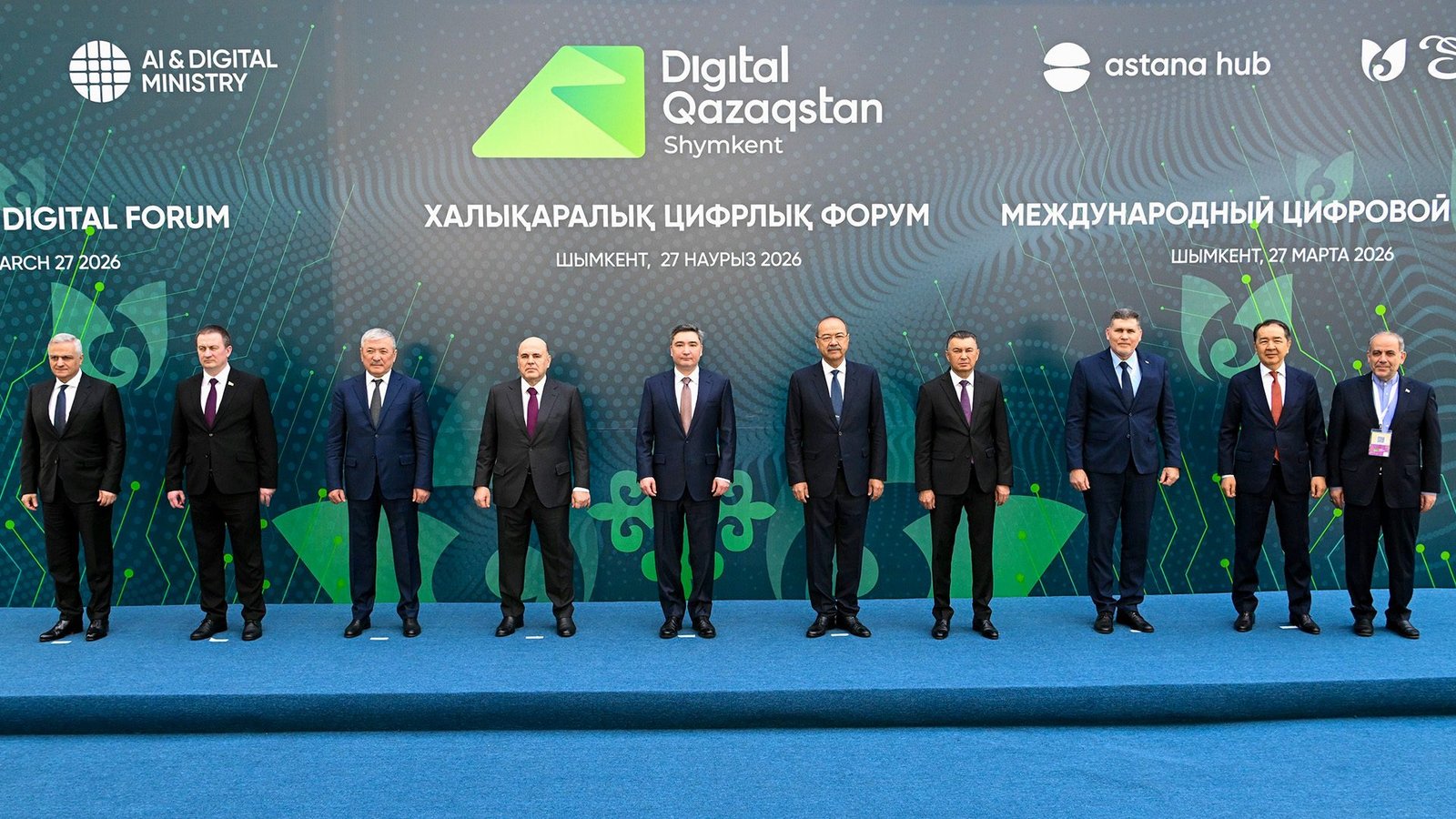
Held under the theme “Industry 5.0: The Power of Collaboration,” the Digital Qazaqstan 2026 Forum marked an important milestone in Kazakhstan’s digital transformation journey. The event brought together more than 3,000 participants, including heads of government from EAEU member states, executives from global technology companies, investors, academics, and policy experts. The forum also reflected a broader shift from the Digital Almaty platform toward a more practical focus on industrial digitalization, regional cooperation, and the integration of advanced technologies into the real economy. As Kazakhstan accelerates its AI ambitions, the initiatives unveiled at the forum demonstrate the country’s determination to establish itself as a leading digital hub in Central Asia and a key player in the rapidly evolving global AI landscape.
More to Read
All issues
Kazakhstan Accelerates Digital Transformation To Attract Global Investment
Kazakhstan is entering a new phase of economic development, combining investment reforms, artificial intelligence, digital infrastructure and strategic industries to…

The Intelligent Almaty — Where Urban Innovation Meets Kazakhstan’s Digital Future
Almaty is gaining international recognition for the way it is embracing digital technologies to improve urban services and support a more connected city experience. In…

Kazakhstan Advances AI Future with New Supercomputer & Expanding Data Centers
Kazakhstan is accelerating its ambitions to become a regional leader in artificial intelligence (AI) and digital technology by expanding its supercomputing capabilities…