

The Editor’s Letter
From the desk of the Editor-in-Chief · January 2026, Volume 02, Issue 09.
Kazakhstan’s Agricultural Powerhouse: From Soviet-Era Virgin Lands Roots to a Digitally Driven Future
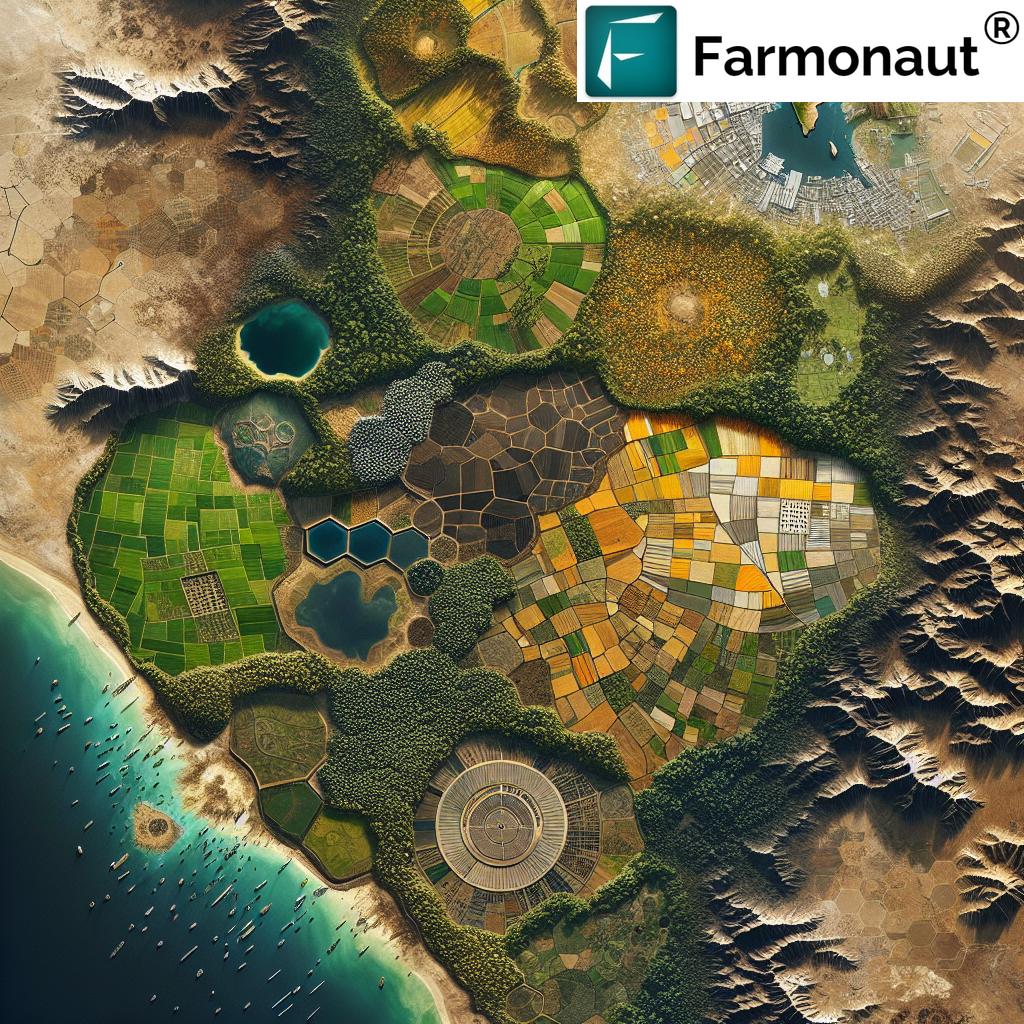
To establish itself as a global leader in food security and agricultural innovation, the Government of Kazakhstan has transitioned from its Soviet-era "Virgin Lands" roots into a sophisticated, digitally-driven agricultural powerhouse. As of early 2026, the sector is experiencing a renaissance characterized by record yields, AI integration, and a shift toward high-value, deep-processed exports.
The History and Evolution. From Nomadic Steppes to Virgin Lands: The agricultural identity of Kazakhstan began with ancient nomadic traditions, notably the Botai culture (3600–3100 BC), which is credited with the first domestication of horses. However, the modern industrial landscape was forged during the mid-20th century. The Virgin Lands Campaign: Launched in the 1950s, this Soviet initiative converted approximately 250,000 km² of northern steppe into wheat fields. While it established Kazakhstan as a global grain producer, it also caused significant land erosion and nutrient depletion that modern policies now work to remediate. Post-Independence Recovery: Following the 1991 collapse of the USSR, the sector faced a severe crisis. In the early 2000s, a stabilization period began, fuelled by a resource boom that allowed the government to start reinvesting in farm subsidies and land reforms.
From 2021 to 2026, The Republic of Kazakhstan underwent a major transformation in its agro-industrial complex, evolving from a raw-material exporter into a regional leader in high-value food processing and digital agriculture. As of early 2026, the sector contributes significantly to national GDP, which has surpassed $300 billion for the first time. Record Harvests: In 2024, the country harvested over 25 million tons of grain. By late 2025, this increased to a record 27.1 million tons, despite a deliberate reduction in wheat planting areas (by 900,000 hectares) to Favor crop diversification. Economic Performance: Gross agricultural output grew by 6.1% in late 2025, reaching approximately $17 billion (9.2 trillion tenge).
Strategic Shift. Deep Processing and Global Exports: Kazakhstan is moving away from being a mere exporter of raw materials toward becoming a producer of high-value food products. Value-Added Processing: A $2.6 billion investment drive is underway to launch five large-scale deep grain processing plants by 2028. These facilities will transform raw wheat and corn into amino acids, syrups, and vitamins. Global Reach: Agricultural exports have increased by over 50% since 2020, reaching 80 countries. New phytosanitary agreements with China, Turkey, and Iran have recently opened markets for Kazakh safflower meal, lentils, and rapeseed.
Water Conservation. To combat climate risks, Kazakhstan has expanded water-saving technologies to nearly 500,000 hectares as of 2025, with plans to continue this expansion through 2026.
Food Security and Social Responsibility. The government remains focused on domestic stability alongside international growth. Social Protection: In January 2026, the list of socially significant food products was expanded from 19 to 33 items, including staples like carrots, onions, and apples, with a 15% maximum retail markup to protect consumer purchasing power. Infrastructure: Major group water pipelines, such as the Shardara project, are slated for completion by July 2026, ensuring clean water access for over 540,000 rural residents.
Record Production and Market Diversification. Despite climate-related challenges earlier in the decade, the period between 2024 and 2026 saw historic production levels across multiple sub-sectors. Historic Harvests: In 2024, Kazakhstan harvested over 25 million tons of grain. By late 2025, this reached a record 27.1 million tons, even as the country reduced wheat acreage by 900,000 hectares to diversify crops. Emerging Commodities: Legume production surpassed 1.1 million tons for the first time in 2025, while oilseed harvests hit a record 4.7 million tons. Industrial Crops: Cotton production reached its highest level in 18 years in 2025, yielding 428,000 tons.
The Shift to Deep Processing. A critical achievement of this era is the strategic transition from exporting raw grain to high-value processed products. Investment Drive: The government launched a $2.6 billion initiative to develop deep grain processing, aiming to launch five large-scale plants by 2028 with a capacity of 4.8 million tons. Value-Added Products: Exports now include refined goods like amino acids, syrups, and vitamins. Food production alone rose by 9% in 2025, with further growth of 109% projected for 2026. Livestock Success: Meat exports saw massive growth; beef exports increased 1.7 times and mutton exports nearly doubled in the first ten months of 2025.
Digitalization and "Smart Farming": Declaring 2026 the Year of Digitalization and AI, Kazakhstan has integrated cutting-edge technology into its fields. National Traceability: In 2026, a nationwide crop traceability system was launched, providing a "digital trace" from seed planting to final sale to ensure quality and reduce corruption in subsidies. AI Integration: AI-powered tools now automate subsidy applications (reducing errors from 30% to 5%) and use drones for pest control, reducing crop losses by up to 30%. Satellite Monitoring: The Ger Inspector system utilizes satellite data to monitor 116 million hectares of agricultural land. Social and Infrastructure Support: To ensure domestic stability, the government expanded the list of socially significant food products from 19 to 33 items in January 2026, capping retail markups at 15%. Additionally, preferential lending for farmers reached a record 700 billion tenge ($1.3 billion) in 2025 to support modernization and machinery renewal.
Global Export Footprint. Appreciably, The Republic of Kazakhstan has successfully expanded its trade reach to over 80 countries. Export Growth: Agri-food exports increased by over 50% between 2020 and 2024, reaching $5.1 billion by early 2026. New Partnerships: New phytosanitary agreements have opened markets in China, Turkey, and Iran for products like lentils and rapeseed. Organic Leadership: Certified organic land grew from 114,000 hectares in 2022 to nearly 200,000 hectares by late 2025, with major export channels established in the EU and USA.
Dr. S. E. Alexander
Global Media Chief & MD