Kazakhstan’s Political Transformation in 2026: A Strategic Shift in an Uncertain World
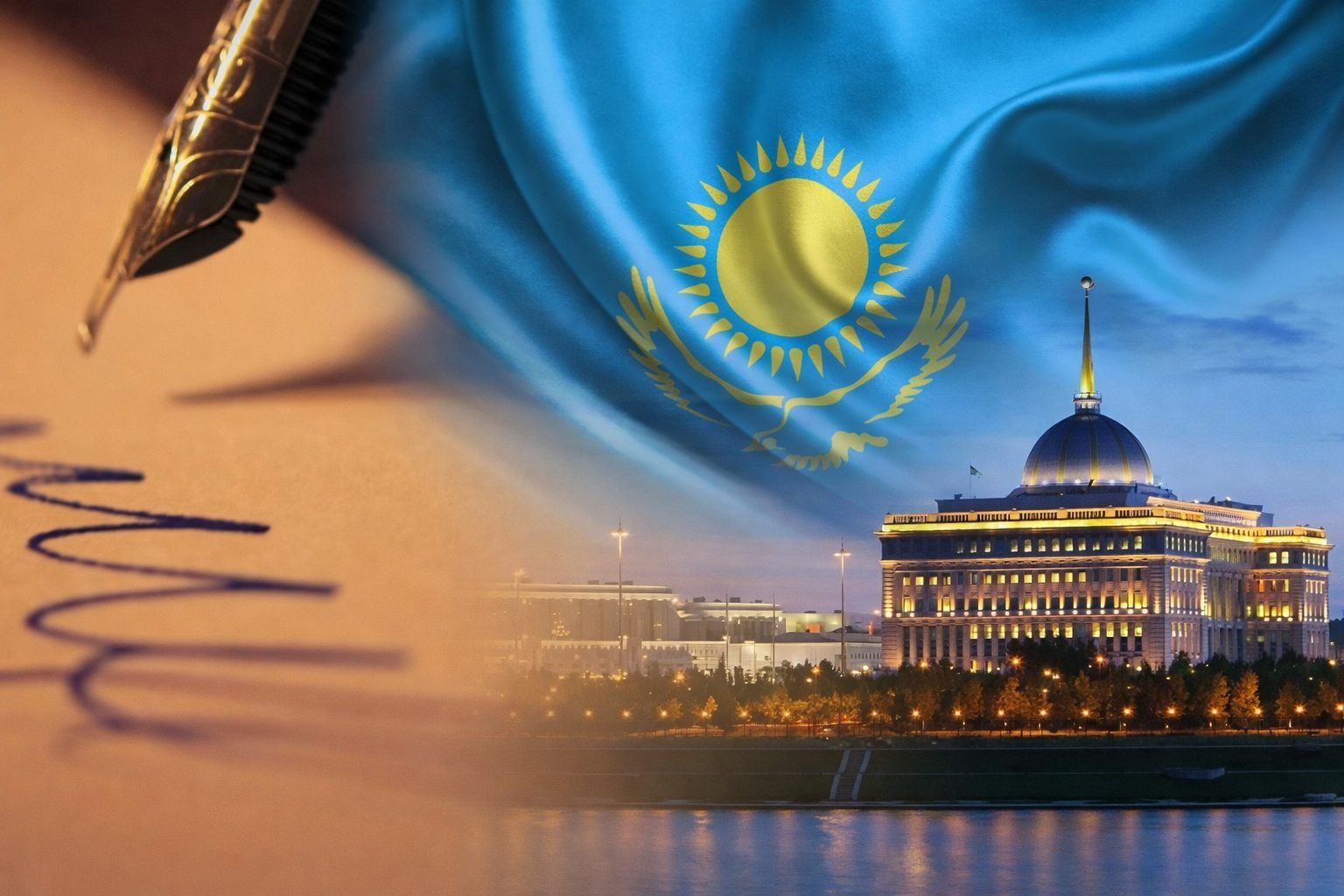
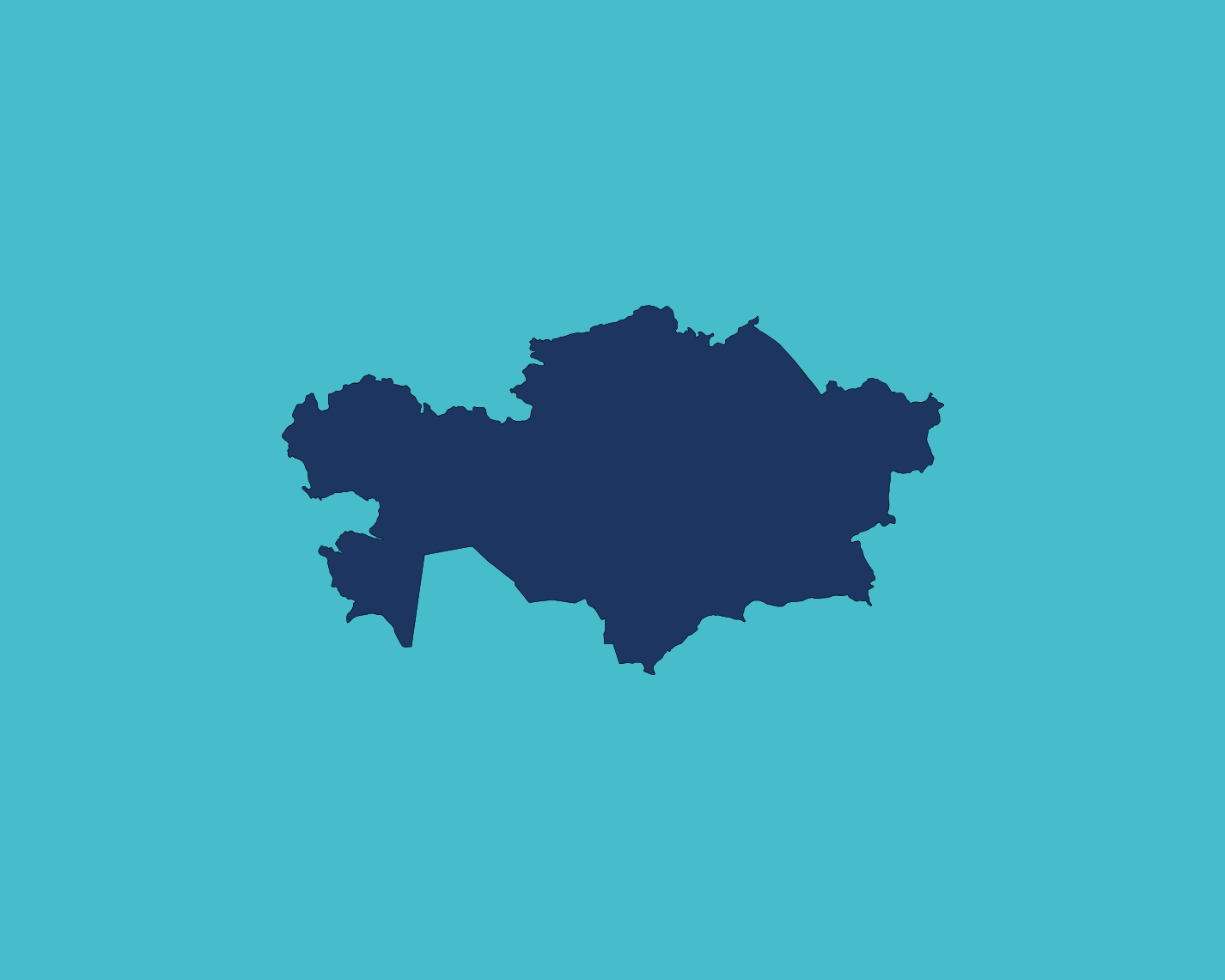
The global political landscape is undergoing profound and often unpredictable change. From ongoing geopolitical conflicts to shifting alliances and economic tensions, nations across the world are reassessing their internal and external strategies. Against this volatile backdrop, Kazakhstan has emerged as a country undertaking a significant and potentially transformative overhaul of its political system. While such reforms may initially appear domestic in nature, their implications extend far beyond national borders, reflecting broader trends in governance, stability, and institutional adaptation. At the center of this transformation is a set of sweeping constitutional reforms announced by President Kassym-Jomart Tokayev during the Fifth National Kurultai held in Kyzylorda in January 2026. These reforms represent one of the most ambitious attempts to redesign Kazakhstan’s political architecture since the early 2020s. The central proposal involves dismantling the existing bicameral parliamentary system—comprising the Majilis and the Senate—and replacing it with a single, unicameral legislative body known as the Kurultai.

This proposed unicameral parliament would consist of 145 deputies elected for five-year terms through proportional representation based exclusively on party lists. The elimination of single-mandate districts, which were only recently reintroduced in 2023, signals a return to a fully party-based electoral system. Importantly, the reforms retain quotas for women, youth, and persons with disabilities, reinforcing the government’s commitment to inclusivity and representation within the political process. Beyond structural changes, the reform agenda also seeks to enhance the functional capacity of the legislature. The number of parliamentary committees is expected to decrease from eleven to eight, streamlining operations and potentially improving efficiency. At the same time, the powers of parliament would be expanded, granting it a more active role in shaping key state institutions such as the Constitutional Court, the Supreme Audit Chamber, and the Central Election Commission. These changes aim to rebalance the distribution of authority within the government, reducing the concentration of power historically associated with the executive branch.

One of the most symbolically significant aspects of the reform is the proposed abolition of the Assembly of the People of Kazakhstan. Established during the presidency of Nursultan Nazarbayev, the Assembly functioned as a consultative body with guaranteed parliamentary representation. President Tokayev has argued that such privileges are incompatible with the principles of a modern, independent legislature. By removing these institutional remnants, the reforms seek to create a more equitable and election-driven political environment. In place of the Assembly and the existing People’s Kurultai, a new consultative institution—the Khalyk Kenesy, or People’s Council—is proposed. This body would serve as the highest consultative organ in the country and would be enshrined in the Constitution. Comprising 126 members drawn equally from ethnocultural associations, major public organizations, and regional councils, the Khalyk Kenesy would play a significant advisory role. Notably, it would also possess the right of legislative initiative, marking a substantial elevation in influence compared to its predecessors.

Another major component of the reform package is the restoration of the vice presidency, a position that had been abolished in the early years following independence. The reintroduction of this role reflects a strategic effort to ensure continuity and stability within the executive branch. The vice president would be appointed by the president with parliamentary approval and would take on responsibilities including international representation and coordination with legislative bodies. At the same time, the position of state counsellor is set to be eliminated, signalling a consolidation and reorganization of executive functions. Equally noteworthy is the proposed revision of presidential succession rules. Under the current system, power transfers to the Senate speaker in the event that the president is unable to fulfill their duties. However, with the Senate set to be abolished, this mechanism would become obsolete. The new framework proposes holding snap presidential elections within two months, ensuring a rapid and democratically legitimate transition of power. This shift underscores an effort to enhance political stability while maintaining public trust in the electoral process.
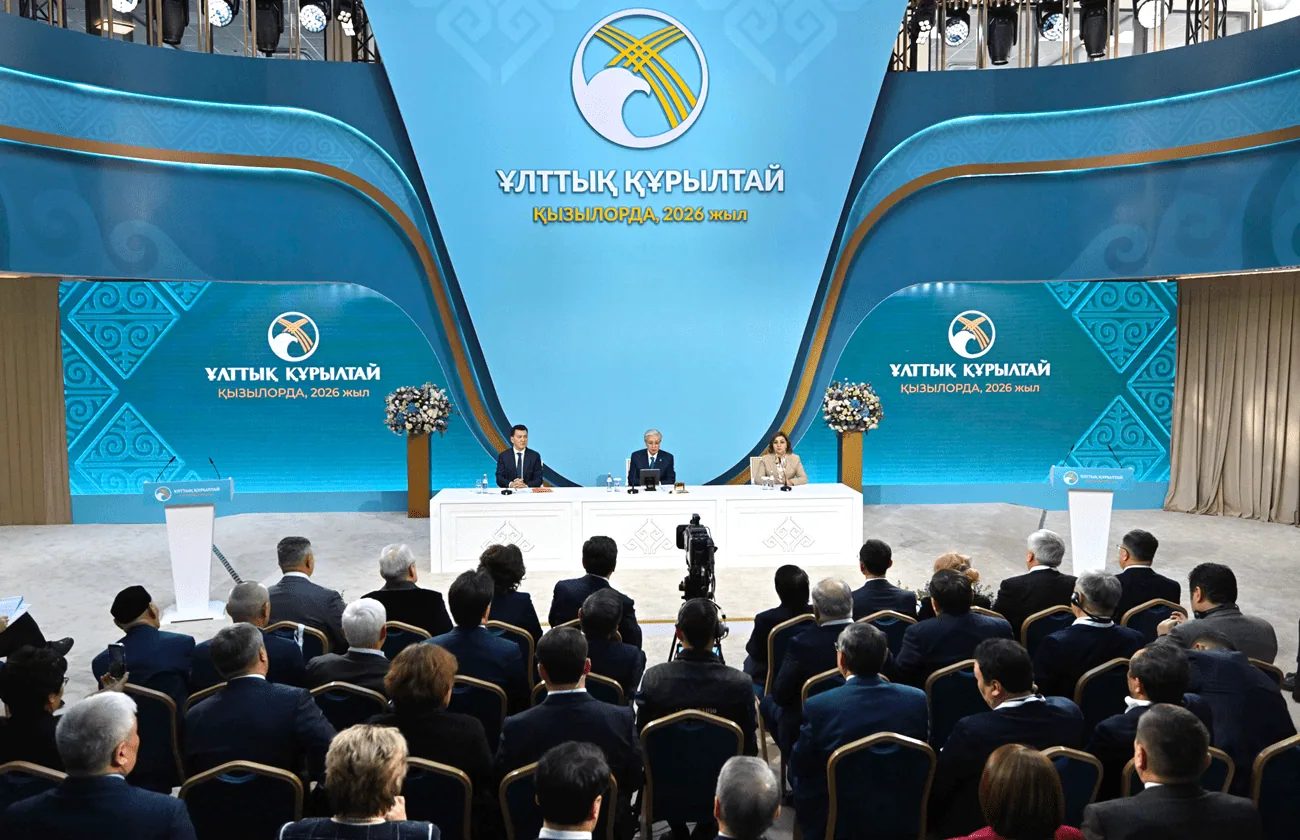
Despite the scale of these reforms, President Tokayev has emphasized that they are not intended to weaken the presidency. Kazakhstan will remain a presidential republic, with the executive branch continuing to play a central role in governance. Instead, the reforms are designed to clarify institutional roles, eliminate redundancies, and create a more coherent and adaptable system. This approach reflects a pragmatic understanding of governance in an era marked by uncertainty and rapid change. The broader significance of these reforms lies in their departure from institutional models adopted during the early post-Soviet period. Like many newly independent states, Kazakhstan initially drew heavily from Western constitutional frameworks, including the bicameral parliamentary system. However, over time, it has become increasingly clear that such models do not always align with the specific political, historical, and social realities of the country. The shift toward a unicameral legislature and the introduction of new consultative mechanisms represent an effort to develop a more contextually appropriate system of governance.

Moreover, these reforms can be seen as part of a broader strategy to navigate an increasingly complex global environment. With geopolitical tensions rising and traditional alliances evolving, countries like Kazakhstan are seeking to strengthen their internal resilience. By reforming its political institutions, Kazakhstan aims to enhance its ability to respond to external pressures while maintaining domestic stability. The concept of a “safe transition corridor” for political power—one that minimizes disruption and ensures continuity—is central to this vision. If approved through a nationwide referendum, these reforms could be implemented rapidly, with elections to the new parliament potentially taking place within months. This accelerated timeline reflects both the urgency of the reforms and the government’s confidence in their necessity. It also highlights Kazakhstan’s willingness to take decisive action in the face of global uncertainty.

In conclusion, Kazakhstan’s political transformation in 2026 represents a bold and comprehensive effort to redefine its system of governance. By streamlining institutions, enhancing legislative authority, and introducing new mechanisms for consultation and succession, the country is positioning itself to better navigate the challenges of the modern world. While the long-term impact of these reforms remains to be seen, they undoubtedly mark a significant milestone in Kazakhstan’s political evolution—one that may serve as a model for other nations grappling with similar questions of stability, representation, and adaptability in an uncertain era.
More to Read
All issues
Kazakhstan Reshapes Investment System to Support Projects from Entry to Expansion
Kazakhstan is moving to strengthen its investment ecosystem with a more coordinated system designed to support investors throughout the entire lifecycle of a…

Kazakhstan Expands National Measures to Safeguard Children’s Rights & Well-Being
Kazakhstan is strengthening its national child protection system through measures addressing violence, bullying, psychological well-being, family-based care, inclusive…
Kazakhstan Accelerates Major Energy & Utility Infrastructure Modernization Drive
Kazakhstan is stepping up the modernization of its energy and utility infrastructure, advancing hundreds of projects designed to renew ageing networks, improve service…