


Corporate, Industries & Invest in Kazakhstan
Kazakhstan Strengthens Its Green Energy Future
A Strategic Partnership with Azerbaijan and Uzbekistan
A ratified three-country agreement on renewable production, transmission and export — green hydrogen, cross-border electricity and a route to global markets.
The Republic of Kazakhstan has taken another significant step toward becoming a leading player in the global renewable energy sector by officially ratifying a strategic green energy agreement with Azerbaijan and Uzbekistan. The agreement, which focuses on renewable energy production, transmission, and export, marks a major milestone in regional cooperation and demonstrates the three nations’ commitment to advancing sustainable development and energy security.
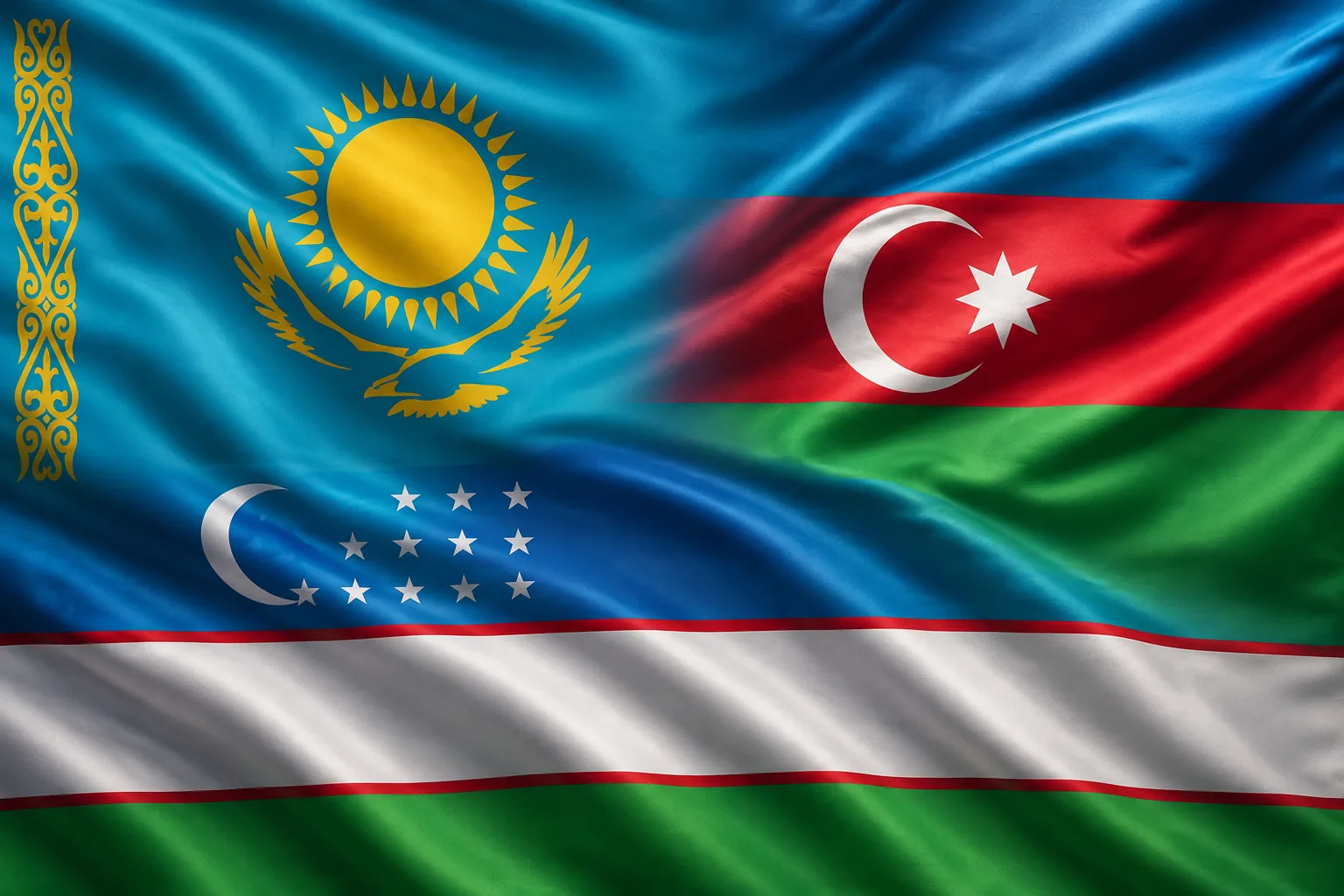
Signed by the heads of state of Kazakhstan, Azerbaijan, and Uzbekistan in Baku on November 13, 2024, the agreement establishes a framework for long-term collaboration in clean energy technologies and infrastructure. The ratification by Kazakhstan underscores the country’s determination to accelerate its green transition while strengthening economic and energy ties across Central Asia and the South Caucasus.
A Landmark Agreement for Regional Green Energy Cooperation
Kazakhstan’s President signed the law ratifying the “Agreement on Strategic Partnership in Green Energy Production and Transmission” between the three participating nations. The agreement is designed to create a coordinated regional approach to renewable energy development and establish a stronger foundation for clean electricity exports to international markets.
“Green hydrogen, produced using renewable energy sources, is increasingly viewed as a critical component of the future global energy system.”
The partnership is built on the principle of legal equality among all participating countries and seeks to promote sustainable energy production, improve energy efficiency, and encourage technological innovation. Through this collaborative framework, Kazakhstan, Azerbaijan, and Uzbekistan aim to position themselves as major contributors to the global transition toward low-carbon energy systems.
Kazakhstan’s Growing Renewable Energy Ambitions
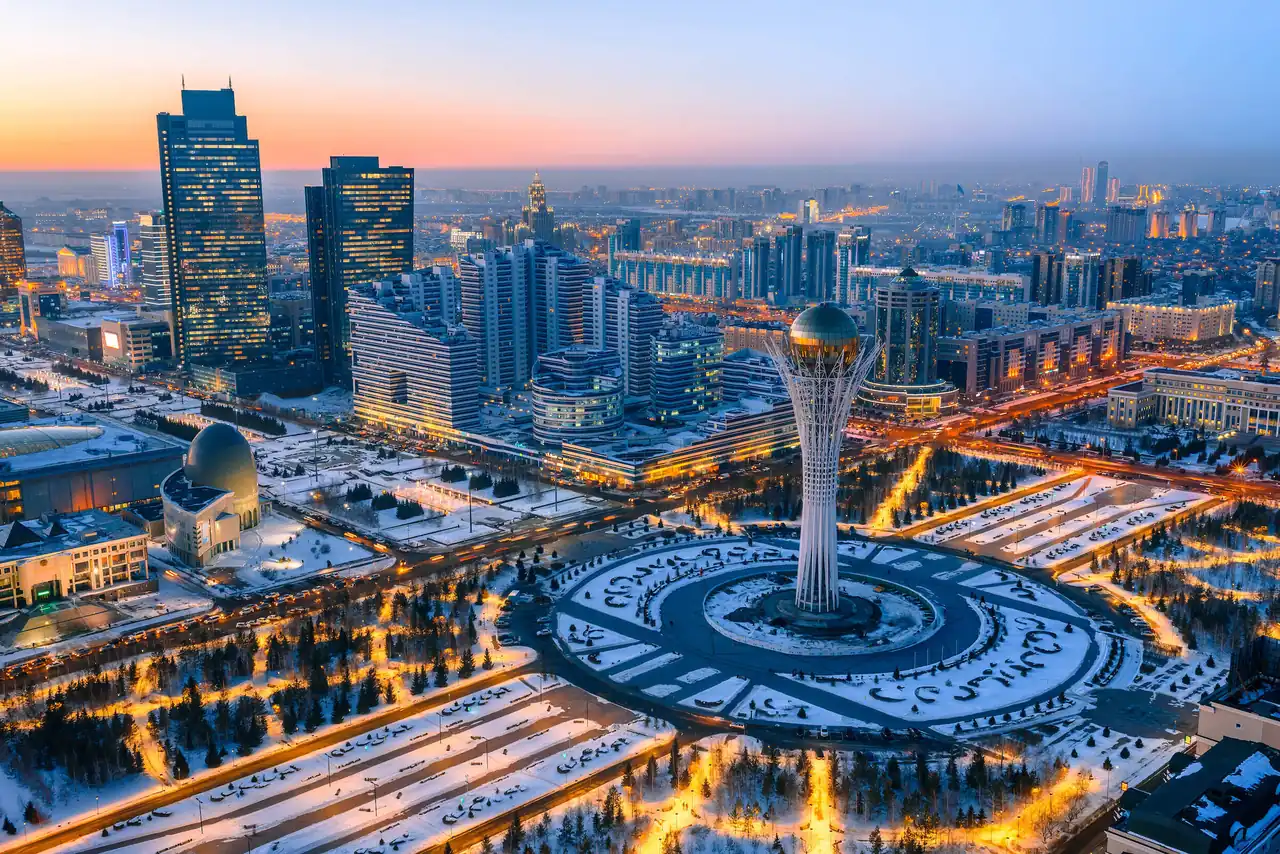
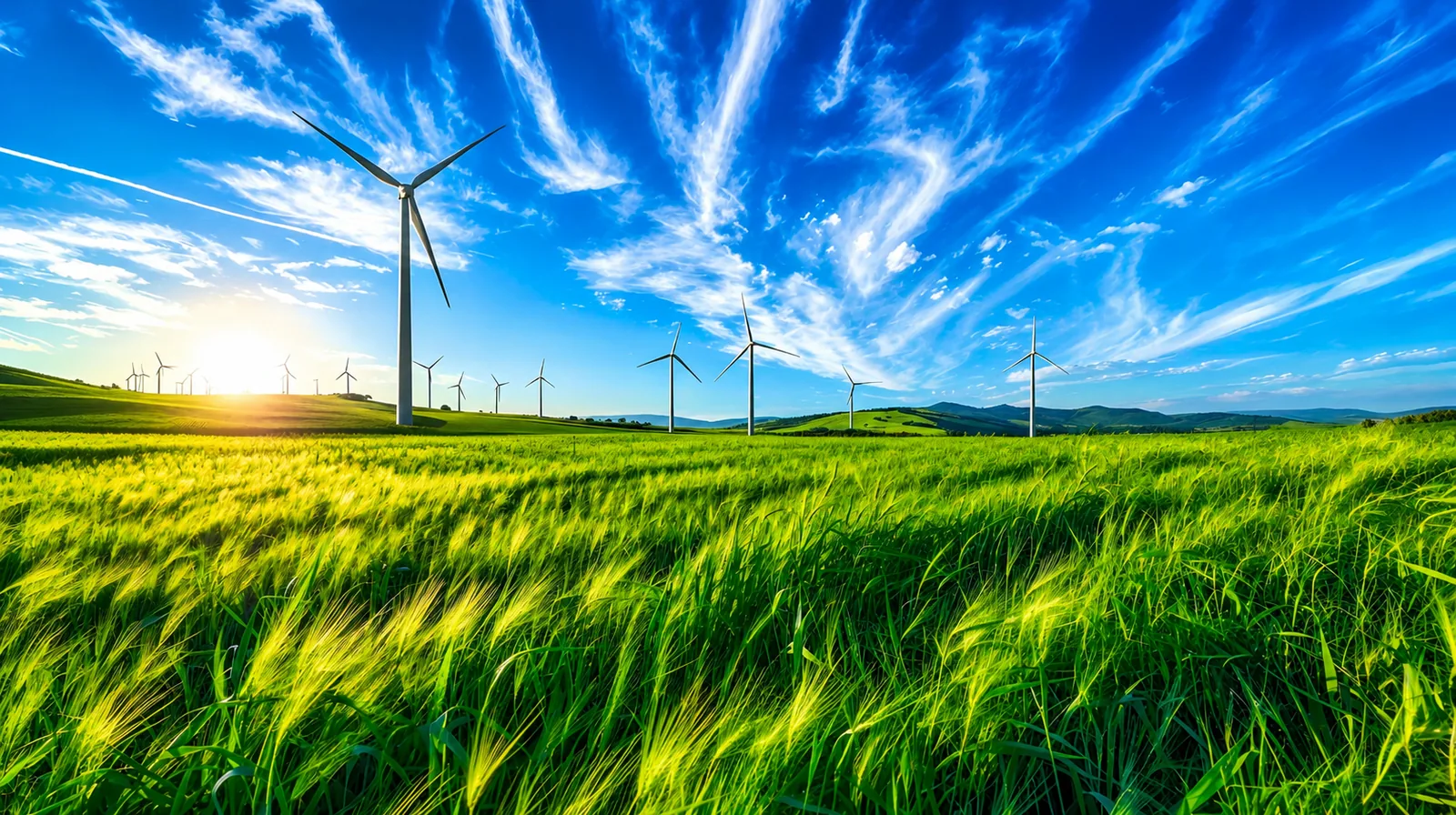
Kazakhstan has set ambitious targets to diversify its energy mix and reduce dependence on fossil fuels. As the largest economy in Central Asia, the country possesses enormous renewable energy potential, particularly in wind and solar power generation.
The strategic agreement aligns closely with Kazakhstan’s long-term environmental and economic objectives. By participating in joint renewable energy projects, the country can attract investment, modernize energy infrastructure, and create new opportunities for technological advancement.
The partnership also supports Kazakhstan’s commitment to achieving carbon neutrality and increasing the share of renewable energy in national electricity generation. As global demand for clean energy continues to rise, Kazakhstan is positioning itself to become a key supplier of green electricity and renewable energy products.
Development of Green Hydrogen & Ammonia Projects
One of the most innovative aspects of the agreement is the commitment to jointly develop environmentally friendly hydrogen and ammonia production projects.
“Improved energy efficiency will not only reduce costs but also help decrease greenhouse gas emissions, contributing to national and global climate objectives.”
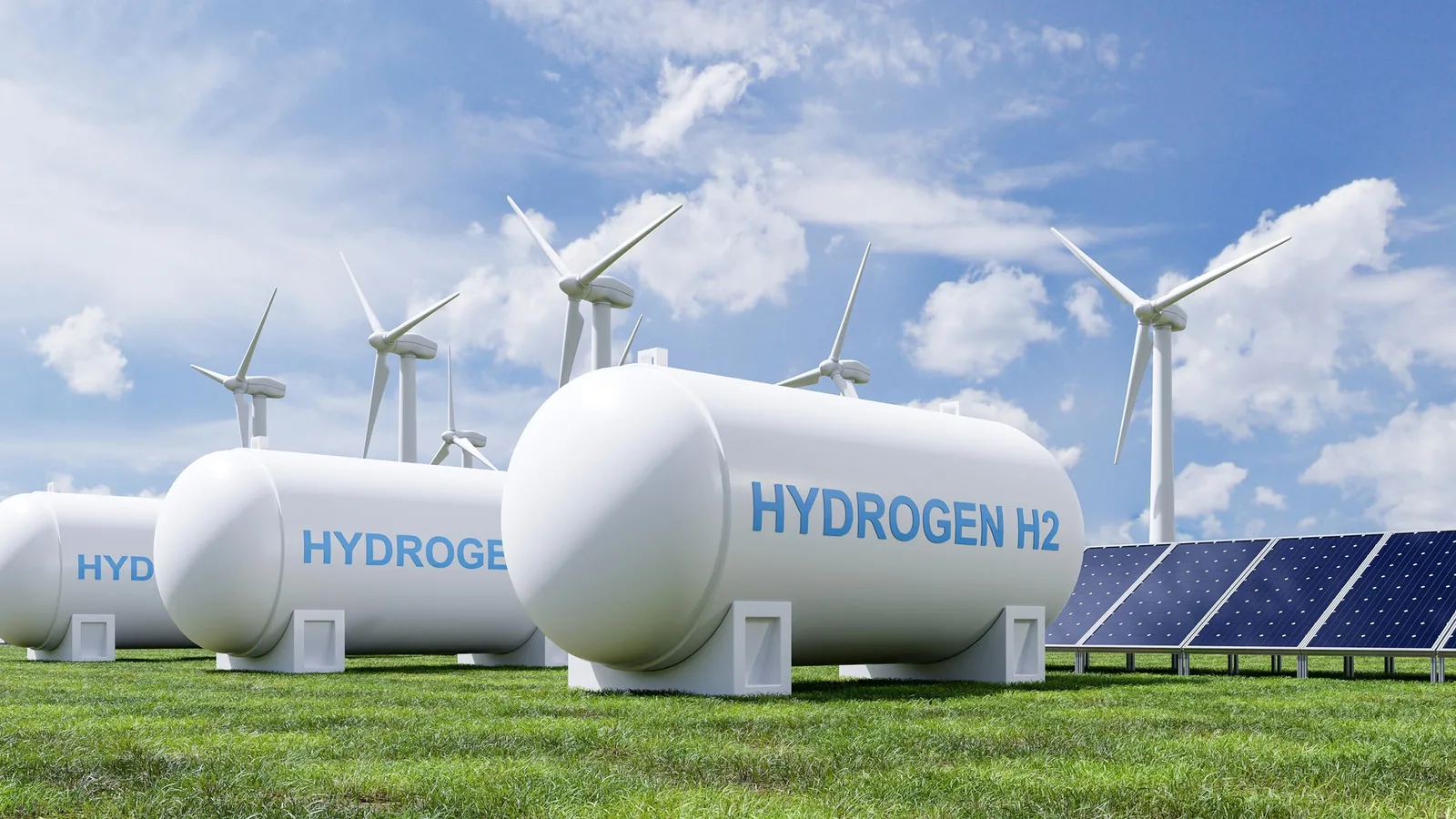
Green hydrogen, produced using renewable energy sources, is increasingly viewed as a critical component of the future global energy system. It offers a clean alternative to conventional fuels and can play an important role in decarbonizing industries such as transportation, manufacturing, and power generation.
Similarly, green ammonia has emerged as a promising clean fuel and energy carrier. Through cooperation with Azerbaijan and Uzbekistan, Kazakhstan will have the opportunity to expand research, investment, and commercial activities in these emerging sectors.
The development of green hydrogen and ammonia projects could help Kazakhstan become an important exporter of sustainable energy products to Europe and other international markets seeking low-carbon energy solutions.
Building Reliable Cross-Border Renewable Electricity Networks
A central objective of the agreement is the creation of unified technical and administrative conditions that facilitate the reliable transmission of renewable electricity across borders.
To achieve this goal, the participating countries will work together to identify technical standards, commercial arrangements, and regulatory mechanisms necessary for uninterrupted electricity exchange. Establishing harmonized energy systems will help improve grid stability, enhance efficiency, and support larger-scale renewable energy projects.
For Kazakhstan, improved regional connectivity offers significant advantages. It enables greater integration of renewable energy resources, increases energy security, and creates new opportunities for electricity exports.
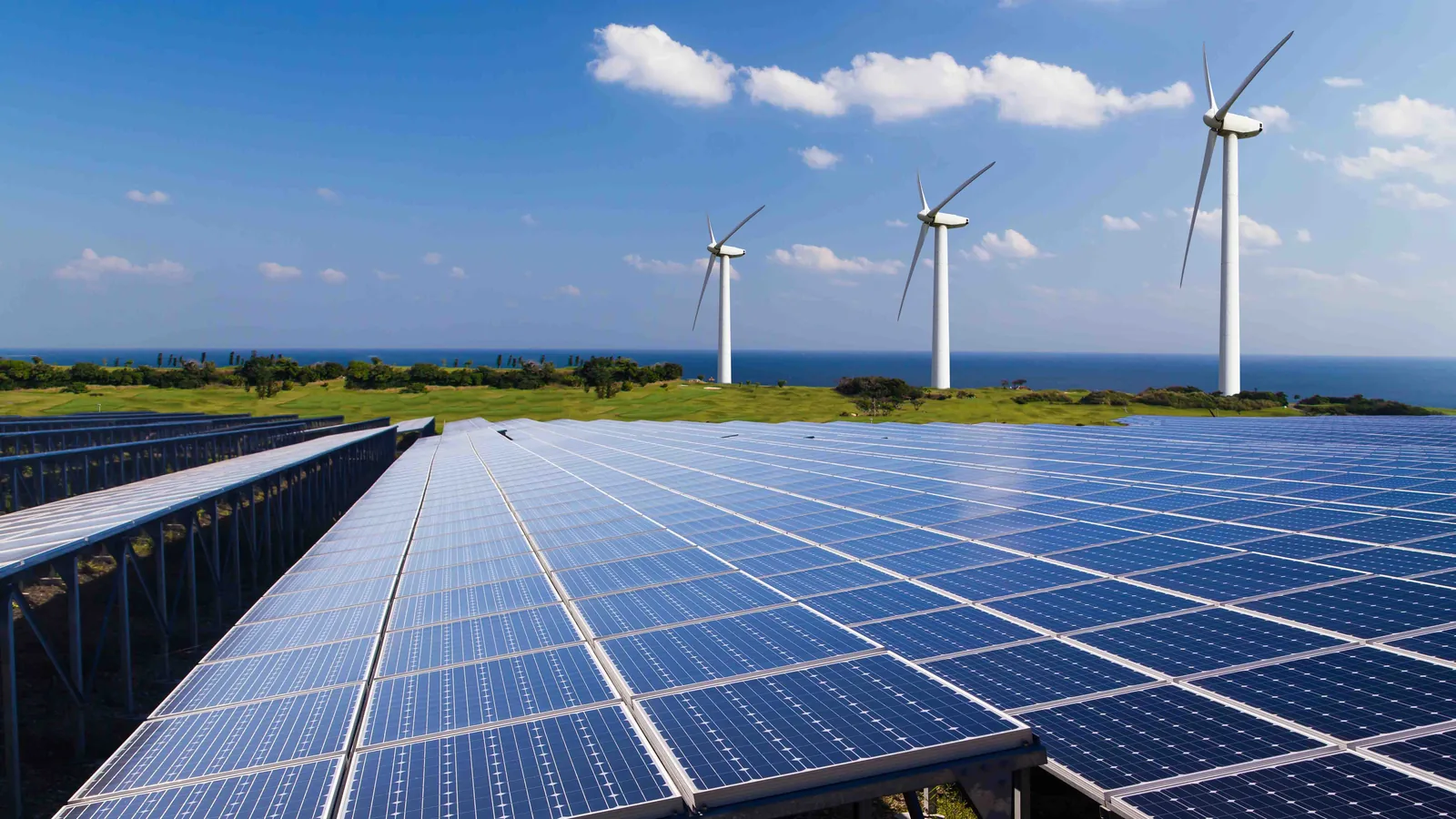
Cross-border energy transmission networks are expected to play a crucial role in maximizing the utilization of renewable resources across the region while reducing energy losses and improving system reliability.
Expanding Energy Infrastructure for Global Markets
Another key feature of the partnership is the planned expansion and modernization of domestic energy infrastructure.
The agreement encourages participating countries to strengthen national electricity networks and explore opportunities to connect with major international energy corridors. Particular attention is being given to the possibility of linking regional renewable energy systems with the proposed Black Sea Energy submarine power cable project.
Such a connection could provide a direct pathway for renewable electricity generated in Central Asia to reach European markets. This would significantly enhance Kazakhstan’s export potential and support broader efforts to diversify energy trade routes.
By developing modern transmission infrastructure, Kazakhstan aims to increase its competitiveness in the global energy market while contributing to international energy security and sustainability goals.
Advancing Energy Efficiency & Technological Innovation
The agreement goes beyond energy production and transmission by emphasizing the adoption of advanced energy-efficiency technologies.
The three countries have committed to promoting innovation, sharing expertise, and implementing modern solutions that improve energy performance and reduce environmental impact. These efforts may include smart grid technologies, digital monitoring systems, advanced energy storage solutions, and efficient renewable energy generation technologies.
For Kazakhstan, access to shared knowledge and technological cooperation can accelerate modernization across the energy sector and support the country’s broader digital transformation agenda.
Improved energy efficiency will not only reduce costs but also help decrease greenhouse gas emissions, contributing to national and global climate objectives.
Establishing Strong Institutional Cooperation
To ensure effective implementation of the agreement, the participating nations will establish dedicated governance structures.
A Steering Committee will be formed on a parity basis, ensuring equal representation for Kazakhstan, Azerbaijan, and Uzbekistan. The committee will meet at least twice each year to review progress, evaluate priorities, and coordinate strategic initiatives.
Additionally, a specialized Working Group will be responsible for developing annual cooperation plans and facilitating practical implementation of agreed projects.
These institutional mechanisms provide a structured framework for collaboration and help ensure that the partnership delivers tangible results over the long term.
Strengthening Regional Energy Security
The agreement is expected to make a significant contribution to regional energy security.
By creating interconnected renewable energy networks and promoting coordinated infrastructure development, Kazakhstan and its partners can reduce vulnerabilities associated with traditional energy systems. Enhanced cooperation also provides greater flexibility in managing electricity supply and demand across national borders.
As climate change and global energy challenges continue to reshape international markets, regional partnerships such as this one offer a practical approach to building more resilient and sustainable energy systems.
For Kazakhstan, stronger energy cooperation with neighboring countries enhances both national and regional stability while supporting economic growth.
Supporting the Global Green Transition
The strategic partnership extends beyond regional interests and carries important global implications.
International demand for renewable energy is growing rapidly as governments and businesses seek to reduce carbon emissions and meet climate commitments. By working together, Kazakhstan, Azerbaijan, and Uzbekistan can contribute meaningfully to the global green transition while creating new economic opportunities.
The agreement reflects a broader trend toward international cooperation in clean energy development and demonstrates the increasing importance of Central Asia and the South Caucasus in the future global energy landscape.
Kazakhstan’s ratification of the strategic green energy partnership with Azerbaijan and Uzbekistan represents a transformative step in the country’s renewable energy journey. Through cooperation in green electricity generation, hydrogen and ammonia production, infrastructure development, and technological innovation, the agreement lays the foundation for a more sustainable and interconnected regional energy future.
As the three nations move forward with implementation, this historic partnership has the potential to strengthen energy security, expand clean energy exports, attract investment, and accelerate progress toward global climate goals. For Kazakhstan, it marks not only a commitment to environmental sustainability but also a strategic investment in long-term economic growth and international competitiveness in the emerging green energy economy.
Continue exploring
More from Incredible Kazakhstan

IT, Digital, Science & Technology
The Intelligent Almaty
Where Urban Innovation Meets Kazakhstan’s Digital Future

Housing, Infrastructure & Build-Tech
Qazaq Stroy
Building Kazakhstan’s Next Generation of Urban Communities

Corporate, Industries & Invest in Kazakhstan
Kazakhstan Strengthens Its Agro-Industrial Ambitions
Three Major Oilseed Processing Investments Across the Country