


Agriculture & Biotechnology
Harnessing Groundwater Resilience
How Hydroclimatic Science Can Transform Kazakhstan’s Agricultural Future
Four decades of rainfall and streamflow data, read against evapotranspiration and aquifer recharge — the case for managed recharge as agricultural insurance.
Kazakhstan faces growing water security challenges as climate variability increases droughts, floods, and fluctuations in precipitation and streamflow, placing pressure on agriculture, rural communities, and economic development. Hydroclimatic research covering 1981–2019 highlights significant regional differences in rainfall patterns, groundwater recharge, drought frequency, and seasonal water availability across northern and southern Kazakhstan. These findings provide critical guidance for climate adaptation and sustainable water management strategies. A key solution is Managed Aquifer Recharge (MAR), which stores excess surface water underground for later use. By integrating hydroclimatic science with groundwater management, Kazakhstan can strengthen water security, improve agricultural resilience, and support long-term sustainable growth.
Climate Variability & Its Impact on Agriculture
Agriculture remains highly dependent on reliable water supplies, making it especially vulnerable to climate fluctuations. The study found that although annual precipitation totals in northern and southern Kazakhstan are relatively similar, the timing and distribution of rainfall vary significantly throughout the year.
In southern Kazakhstan, important hydroclimatic changes were observed during winter and spring months. Northern Kazakhstan, meanwhile, experienced more pronounced changes during spring. These seasonal shifts affect soil moisture, crop growth cycles, irrigation demand, and overall agricultural planning.
“Rather than allowing this water to flow away unused, it could be stored underground and accessed during dry periods when agricultural demand increases.”
The research also identified rising temperatures and recurring drought conditions as major challenges. Prolonged dry spells reduce water availability for crops and livestock while increasing pressure on reservoirs, rivers, and groundwater systems. For farmers, this translates into greater uncertainty regarding planting schedules, crop yields, and long-term investment decisions.
Despite these challenges, understanding the nature of seasonal variability provides a valuable foundation for designing adaptation measures tailored to each region’s unique environmental conditions.
Distinct Hydroclimatic Characteristics of Northern & Southern Kazakhstan
The study highlights significant contrasts between Kazakhstan’s northern and southern landscapes.
Northern Kazakhstan benefits from greater potential for groundwater recharge. Spring snowmelt contributes substantial amounts of water, while heavy summer rainfall events occasionally generate excess runoff. However, much of this water is currently lost through surface flow or contributes to localized flooding.
Southern Kazakhstan presents a more complex situation. Water availability is highly variable across the region, and snowpack levels show a significant declining trend. Since snowmelt serves as a critical source of water during the growing season, reductions in snow accumulation could further intensify water scarcity in the future.
“Climate adaptation strategies must increasingly account for seasonal variability rather than focusing solely on annual averages.”
Additionally, southern agricultural areas face severe summer droughts that coincide with peak irrigation demand. The region also relies heavily on transboundary water resources, making local water storage solutions increasingly important for long-term resilience.
These regional differences demonstrate why a one-size-fits-all water management strategy is unlikely to succeed. Instead, localized approaches informed by hydroclimatic science are essential.
Evapotranspiration: The Hidden Driver of Water Loss
One of the most significant findings of the research is the dominant role of evapotranspiration in Kazakhstan’s water balance. Evapotranspiration refers to the combined process of water evaporation from land surfaces and transpiration from plants.
In both northern and southern regions, evapotranspiration represents the largest component of water loss. Rising temperatures associated with climate change are expected to increase evaporation rates further, reducing the amount of water available for agriculture and groundwater replenishment.
For environmental scientists and agricultural planners, this finding underscores the importance of improving water-use efficiency. Technologies such as precision irrigation, drought-resistant crop varieties, and improved soil management practices can help reduce water losses while maintaining productivity.
The study also demonstrates the value of integrating remote sensing, climate modeling, and hydrological analysis to better understand how water moves through agricultural landscapes.
Groundwater Recharge Potential Offers New Opportunities
While droughts and water shortages receive significant attention, the research reveals an encouraging opportunity hidden within Kazakhstan’s seasonal water cycle.
Analysis of cold-season water balance indicates considerable potential for groundwater recharge. Approximately 28 percent of annual precipitation in northern Kazakhstan and 24 percent in southern Kazakhstan could potentially contribute to groundwater replenishment.
This represents a substantial resource that remains largely underutilized.
Groundwater systems act as natural underground reservoirs, storing water during wet periods and releasing it gradually during dry seasons. Strengthening groundwater reserves can improve resilience against droughts, stabilize water supplies for agriculture, and reduce vulnerability to seasonal climate extremes.
The challenge lies in developing infrastructure and management practices capable of capturing excess water when it is available and directing it into underground aquifers.
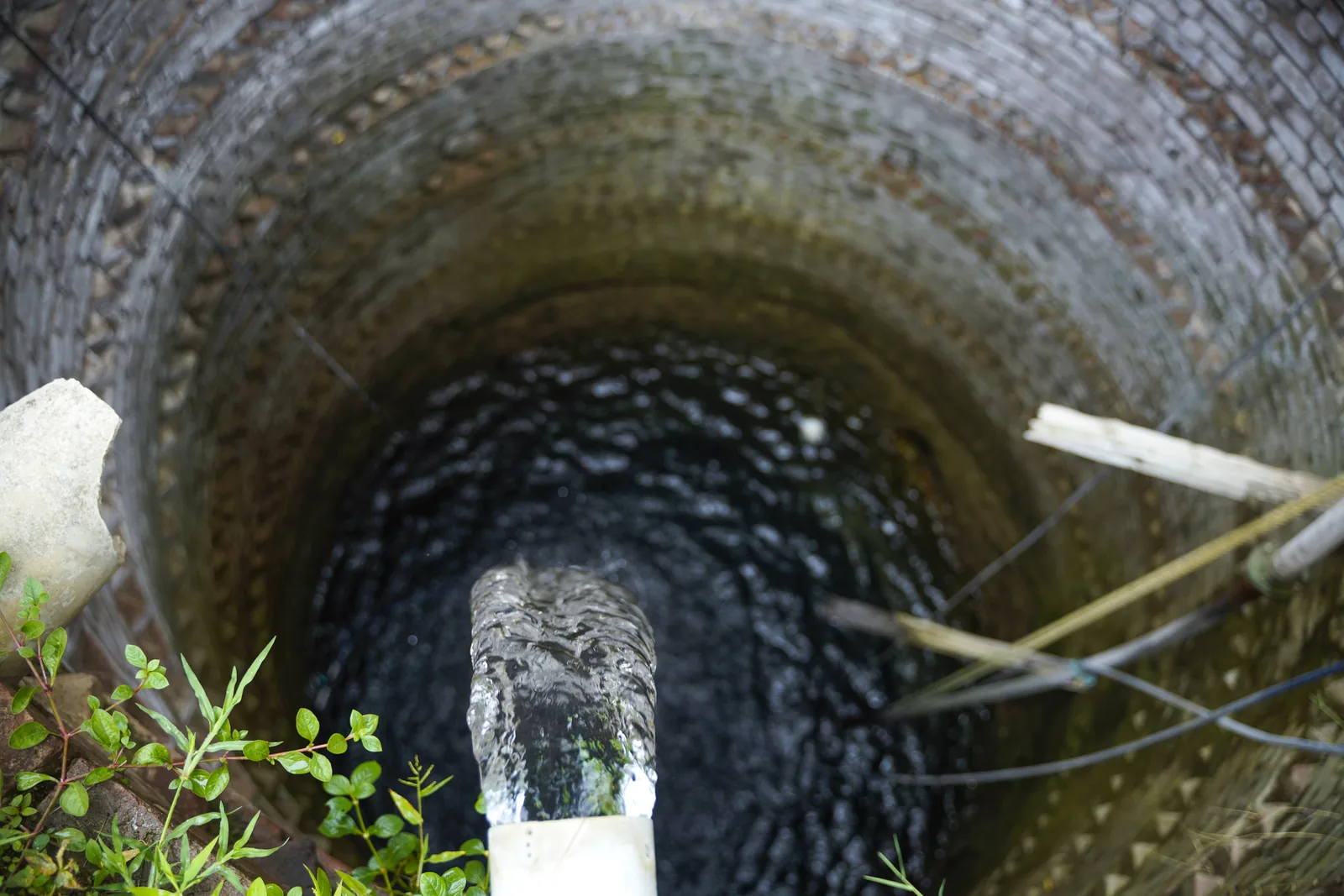
Managed Aquifer Recharge: A Strategic Solution for Water Security
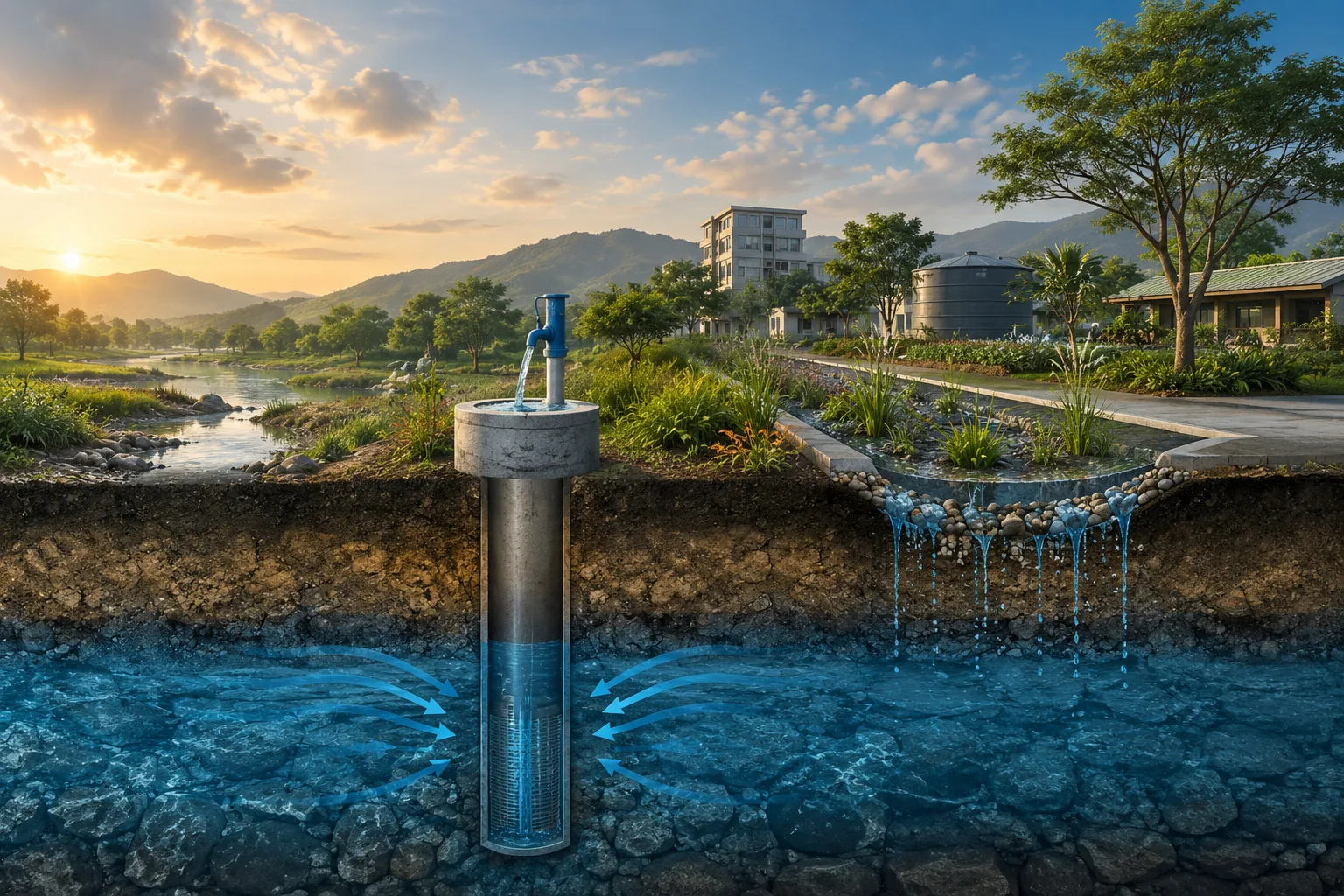
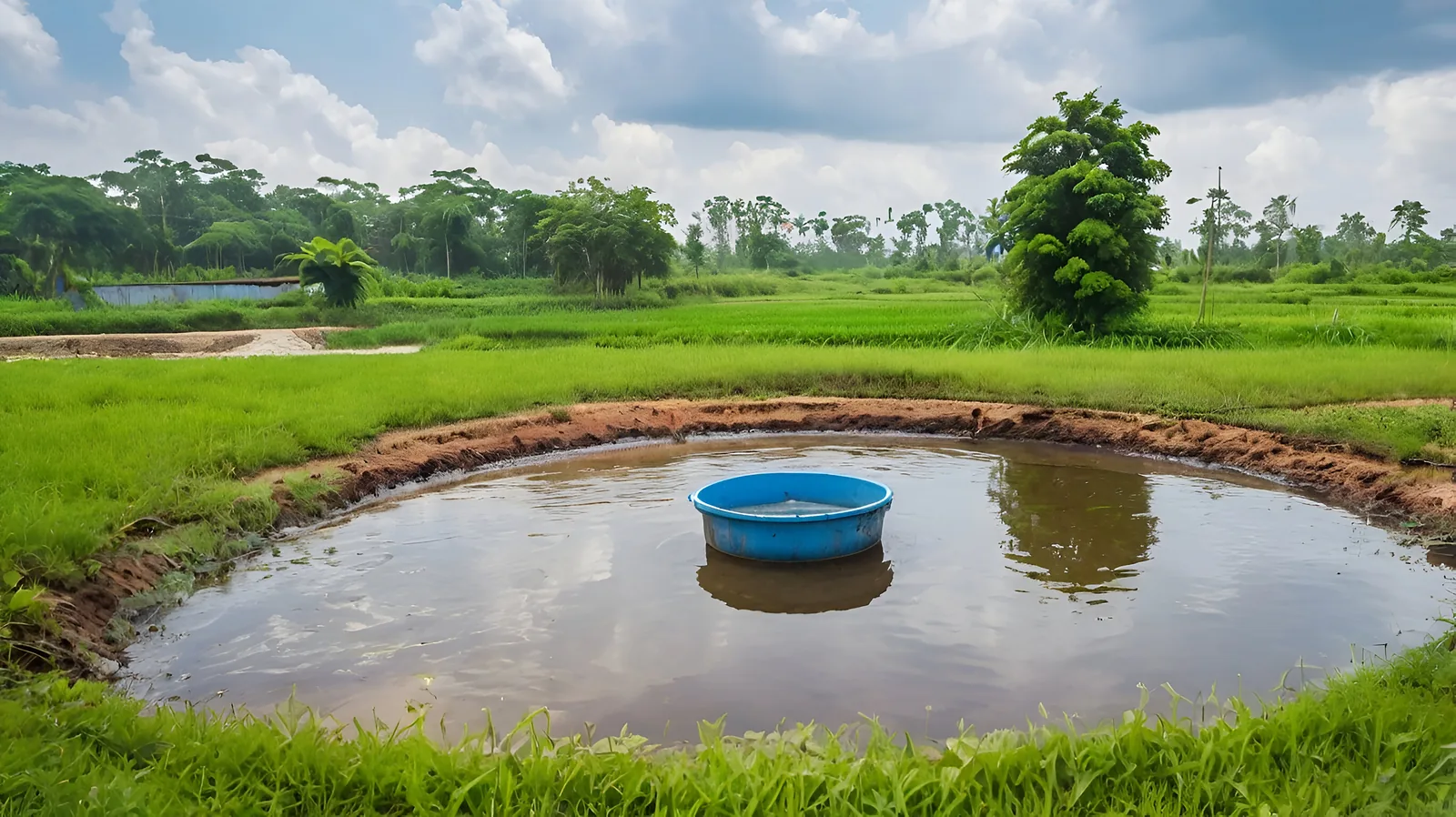
Managed Aquifer Recharge has emerged as one of the most promising adaptation strategies identified by the study. MAR involves intentionally directing excess surface water into aquifers through infiltration basins, recharge ponds, injection wells, or other engineered systems.
Unlike conventional reservoirs, groundwater storage minimizes evaporation losses and provides long-term protection against water shortages.
In northern Kazakhstan, MAR systems could capture spring snowmelt and heavy summer rainfall that currently contribute to flooding. Rather than allowing this water to flow away unused, it could be stored underground and accessed during dry periods when agricultural demand increases.
In southern Kazakhstan, MAR could play an even more critical role. Capturing snowmelt and spring precipitation would help create reliable reserves capable of supporting irrigation during severe summer droughts. This approach could also reduce dependence on transboundary water sources and improve regional water independence.
Beyond agriculture, MAR offers additional environmental benefits including flood mitigation, ecosystem support, and improved groundwater sustainability.
Implications for Environmental Science & Sustainable Development
The findings carry important implications for Kazakhstan’s environmental science community and national sustainability objectives.
Climate adaptation strategies must increasingly account for seasonal variability rather than focusing solely on annual averages. Understanding when water is available is often just as important as understanding how much water is available.
The research demonstrates the value of combining meteorological observations, satellite-based monitoring, hydrological modeling, and drought analysis to support evidence-based decision-making. Such integrated approaches can help policymakers identify emerging risks and prioritize investments in resilient infrastructure.
Furthermore, groundwater management aligns with broader goals related to climate adaptation, ecosystem protection, and sustainable agricultural development. As water scarcity becomes a growing concern across Central Asia, Kazakhstan has an opportunity to position itself as a regional leader in innovative water management practices.
Building a Climate-Resilient Agricultural Future
Kazakhstan’s agricultural sector faces increasing challenges from climate variability, droughts, changing precipitation patterns, and declining snowpack in key regions. However, these challenges also create opportunities for innovation.
The hydroclimatic analysis of northern and southern Kazakhstan reveals that significant volumes of water remain available during specific seasons but are often lost due to inadequate storage systems. By embracing Managed Aquifer Recharge and strengthening groundwater management, the country can transform temporary water surpluses into reliable long-term resources.
As climate change continues to reshape hydrological patterns across Central Asia, integrating environmental science, biotechnology innovations, and sustainable water management will be essential for safeguarding agricultural productivity and national water security. Through strategic investment in groundwater recharge infrastructure and climate-informed planning, Kazakhstan can build a more resilient agricultural future capable of thriving despite growing environmental uncertainties.
Continue exploring
More from Incredible Kazakhstan
IT, Digital, Science & Technology
The Intelligent Almaty
Where Urban Innovation Meets Kazakhstan’s Digital Future

Housing, Infrastructure & Build-Tech
Qazaq Stroy
Building Kazakhstan’s Next Generation of Urban Communities
Corporate, Industries & Invest in Kazakhstan
Kazakhstan Strengthens Its Agro-Industrial Ambitions
Three Major Oilseed Processing Investments Across the Country