

Bridging the Digital Divide — Ensuring Inclusive AI Education in Kazakhstan
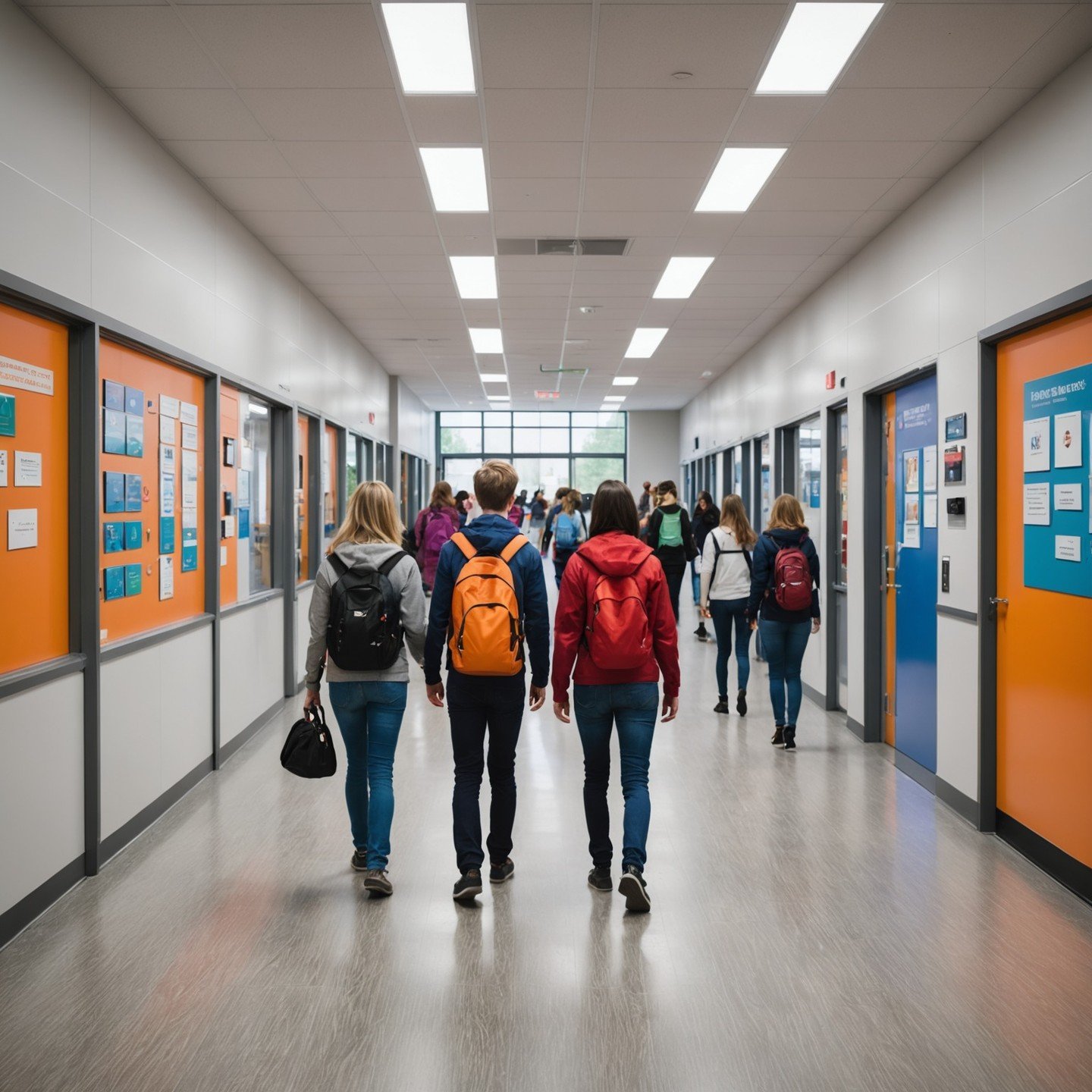
Artificial intelligence is rapidly reshaping classrooms around the world. From personalized learning platforms to virtual tutors and automated assessment systems, AI is changing how students learn and how teachers teach. Kazakhstan has embraced this global trend and is actively pursuing digital transformation within its education sector. However, an important question remains: will all students benefit equally from these technological advances? The answer depends not only on the quality of AI technologies but also on how fairly they are distributed across society. During a visit to a rural school in Kazakhstan last year, I witnessed a reality that is often overlooked in discussions about educational innovation. The school served hundreds of students, yet it relied on only a handful of aging computers. Internet access was inconsistent, disconnecting several times during my visit. Despite these challenges, the teachers were determined to integrate digital tools into their lessons. Their enthusiasm highlighted an important truth: technology alone does not transform education—access does.
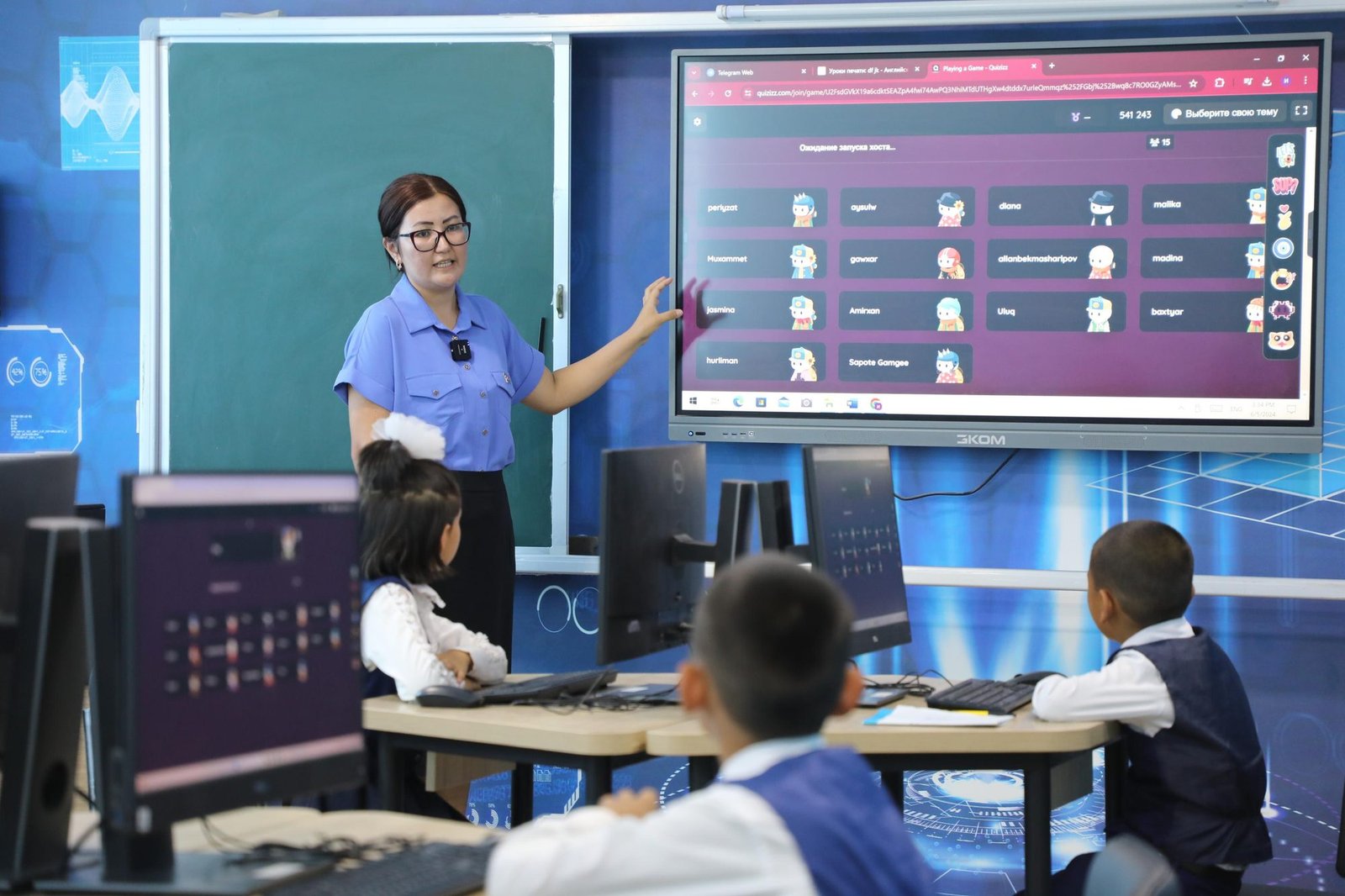

AI offers remarkable opportunities for improving learning outcomes. Intelligent educational platforms can adapt lessons to students’ strengths and weaknesses, allowing each learner to progress at an appropriate pace. Students who need additional support can receive targeted assistance, while advanced learners can explore more challenging material. AI-powered tutoring systems can provide help beyond school hours, assisting with subjects such as mathematics, science, and foreign languages. For educators, automation can reduce time spent on routine administrative tasks, creating more opportunities for meaningful interaction with students. Yet these benefits are not automatically available to everyone. A significant digital divide continues to exist between urban and rural communities in Kazakhstan. Schools in major cities generally enjoy stronger internet connectivity, greater access to devices, and more opportunities for professional development. Meanwhile, many schools in remote areas struggle with outdated equipment and limited digital infrastructure. As a result, students in wealthier urban environments are often the first to access AI-powered educational tools, online learning platforms, and advanced tutoring applications.
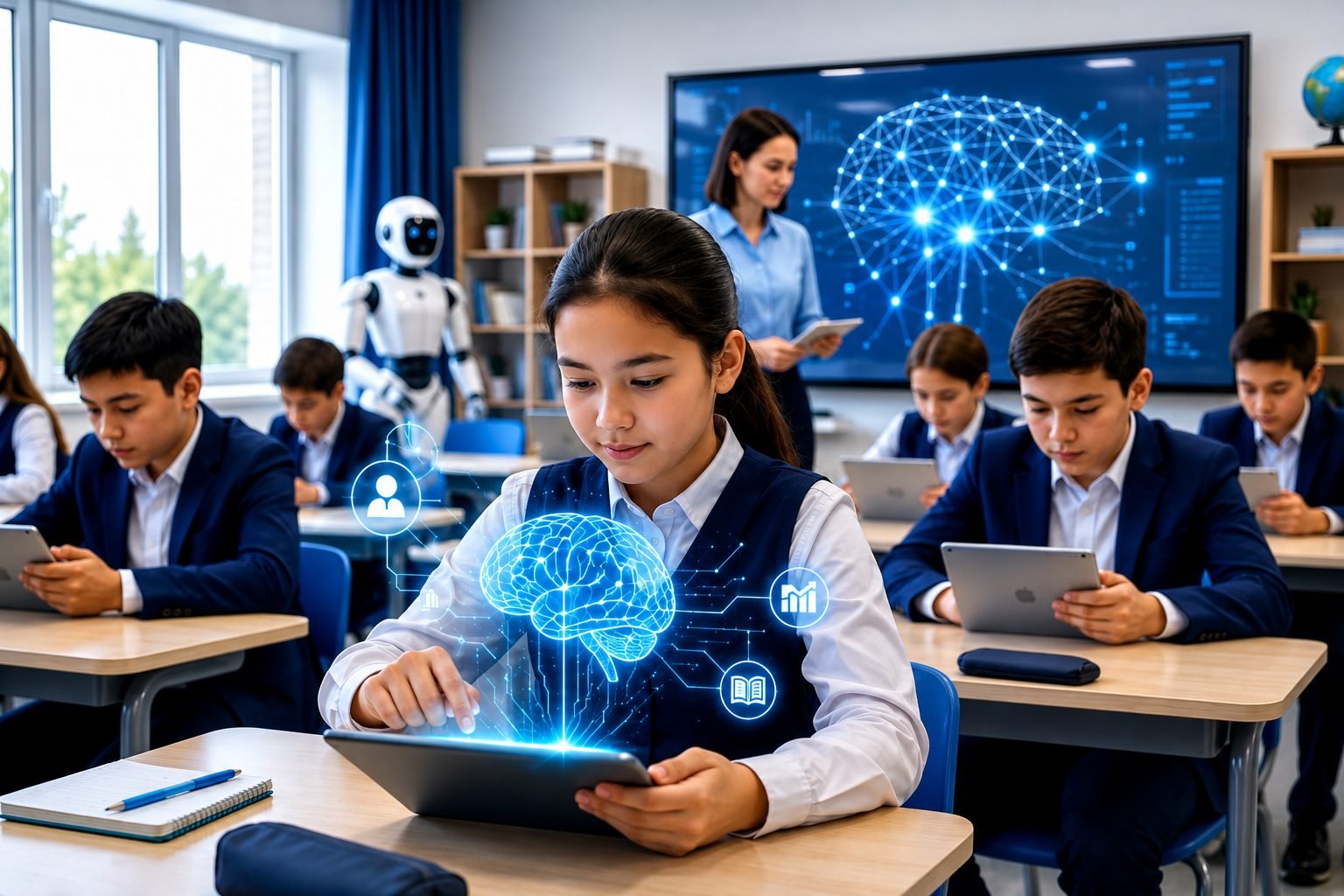
This imbalance presents a serious risk. Rather than narrowing educational gaps, AI could unintentionally widen them. International organizations and education experts have repeatedly warned that emerging technologies often benefit those who already possess the resources to use them effectively. Students with reliable internet connections, modern devices, and digitally skilled teachers are better positioned to take advantage of AI-enhanced learning. Those without these advantages may fall further behind. Small differences in access can accumulate over time, leading to substantial inequalities in educational achievement and future opportunities. To prevent this outcome, Kazakhstan must ensure that educational equity remains central to its AI strategy.
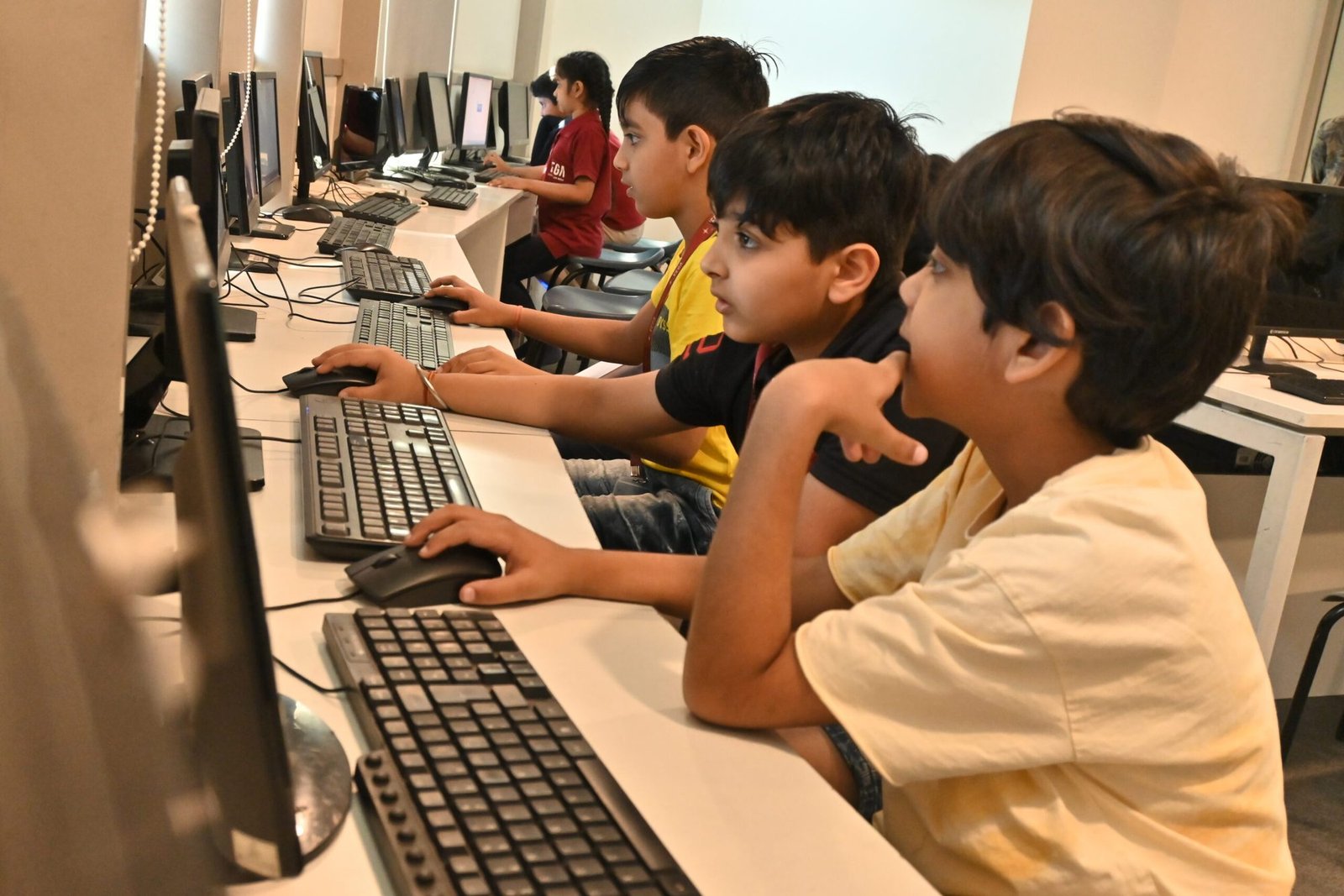
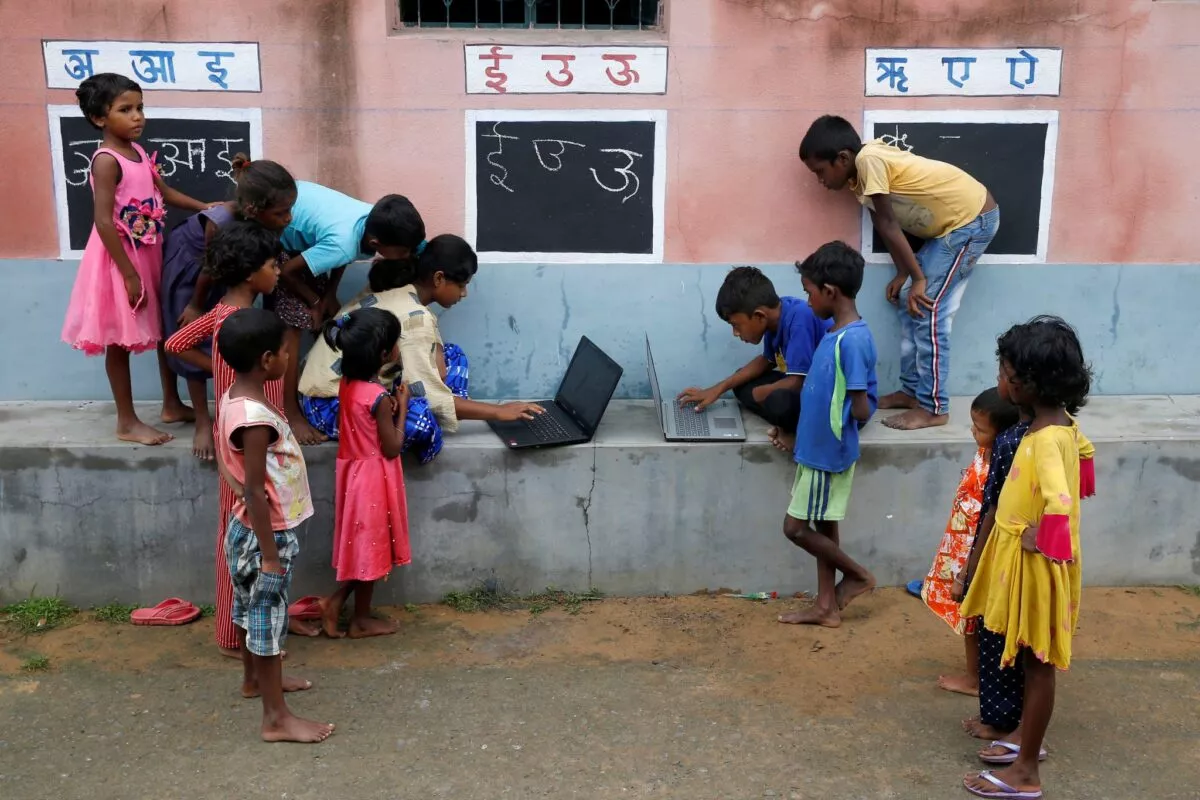
One priority should be improving digital infrastructure in underserved regions. High-speed internet and functional computers are no longer optional educational resources; they are fundamental requirements for participation in modern learning. Expanding broadband access to remote communities and upgrading school technology should remain a national priority. Partnerships between government agencies and private-sector organizations can accelerate these efforts and reduce implementation costs. Equally important is investing in teachers. Even the most sophisticated AI systems cannot improve education if educators lack the knowledge and confidence to use them effectively. Teachers need ongoing training that focuses on practical classroom applications of AI, ethical considerations, and strategies for helping students develop responsible digital habits. Professional development should be continuous and accessible, especially for educators working in rural and underfunded schools. The selection of AI tools also matters. Educational technologies should be designed with accessibility in mind. Platforms that function on low-cost devices, operate with limited internet connectivity, and offer affordable licensing options are more likely to serve diverse student populations. Policymakers should encourage the adoption of technologies that work across varying levels of infrastructure rather than assuming ideal conditions exist everywhere.

Throughout my education in Kazakhstan, I encountered teachers whose dedication transformed students’ lives despite limited resources. One teacher regularly stayed after school to prepare us for academic competitions, relying only on determination, experience, and a blackboard. Imagining how educators like this could amplify their impact with responsible AI support reveals the true promise of educational technology. The students I met in that rural school possessed the same curiosity, ambition, and potential as students anywhere else. What they lacked was not talent but access. If Kazakhstan wishes to build a future-ready education system, it must ensure that these students are not left behind during the AI revolution.
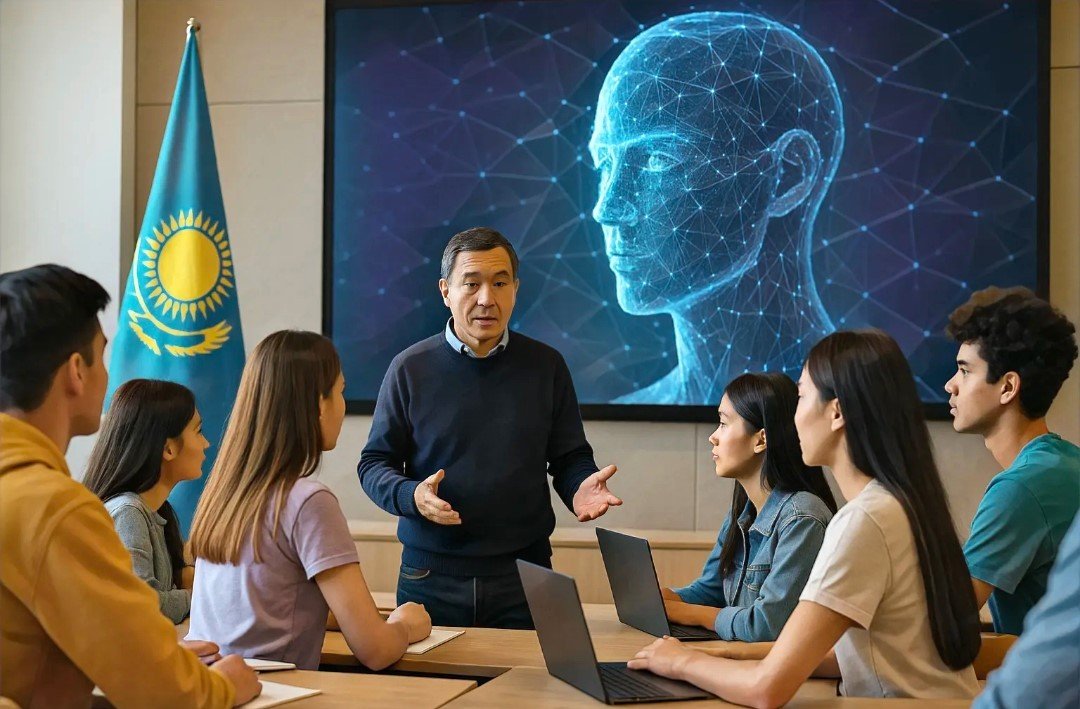

The country has already demonstrated a strong commitment to digital modernization. AI can help cultivate a generation of innovative, adaptable, and globally competitive learners. However, achieving that vision requires more than technological enthusiasm. It requires deliberate policies that prioritize inclusion and fairness. Artificial intelligence is neither inherently equalizing nor inherently divisive. Its impact depends on the choices made by governments, educators, and technology developers. Used wisely, AI can expand educational opportunities and support struggling schools. Used carelessly, it can reinforce existing inequalities and create new barriers to success. Kazakhstan stands at a pivotal moment. As AI becomes increasingly integrated into education, decision-makers must ensure that access, opportunity, and fairness remain at the heart of every initiative. The future of AI-powered learning should not be determined by geography, income, or circumstance. Before celebrating what AI can do for education, we must first ensure that every student has the chance to benefit from it.

More to Read
All issues
Astana Medical University
Advancing Medical Education Through Research, Innovation & Global Collaboration

Astana Expands Education Funding as School Enrolment Surges
Astana is strengthening investment in its education system as the capital experiences continued growth in its school-age population. An additional KZT 14.7 billion has…

Kazakhstan & University of Sussex Expand Academic Partnership for Scholars & Researchers
Kazakhstan’s Center for International Programs and the University of Sussex in the United Kingdom have strengthened their academic relationship through a new memorandum…