

A New Chapter in Public Health — How Kazakhstan Is Redefining the Future of Healthcare

Kazakhstan is entering a transformative phase in healthcare development as the government extends its long-term healthcare strategy through 2029. The decision reflects a broader national ambition to modernize medical services, improve accessibility, and create a stronger, more sustainable healthcare system capable of responding to future challenges. As healthcare systems worldwide face increasing pressure from rising chronic diseases, aging populations, and growing demands for better medical services, Kazakhstan is positioning itself to address these challenges through policy reforms, digital innovation, and patient-centered care. The extended healthcare development framework aims to ensure that medical care becomes more efficient, equitable, and accessible for citizens across the country. Rather than focusing solely on treatment, Kazakhstan’s healthcare vision emphasizes prevention, resilience, and long-term public well-being. By adopting international best practices while addressing domestic healthcare concerns, the country is shaping a roadmap designed to improve overall quality of life.





Balancing Accessibility & Quality of Care
One of Kazakhstan’s biggest healthcare priorities is ensuring equal access to quality medical services. While urban centers have traditionally benefited from advanced healthcare infrastructure, improving medical accessibility across rural and remote regions remains a key focus. The government’s updated strategy seeks to reduce regional disparities by expanding healthcare services and improving coordination among hospitals, clinics, and specialized medical institutions. Better access to healthcare means citizens can receive earlier diagnoses, timely treatment, and continuous medical support regardless of where they live. At the same time, Kazakhstan is focused on improving healthcare quality. Modern medical systems increasingly depend on accurate diagnostics, faster treatment pathways, and integrated healthcare services. Strengthening standards of care is expected to help improve patient outcomes while building greater trust in public health institutions. The goal is not simply to increase healthcare availability but to ensure that medical care meets modern expectations of safety, efficiency, and effectiveness.

A Shift Toward Patient-Centered Healthcare
Kazakhstan’s healthcare transformation places growing importance on a patient-centered approach. Traditional healthcare systems often revolve around institutions and administrative structures, but modern reforms increasingly focus on the experiences and needs of patients themselves. Patient-centered healthcare emphasizes personalized treatment, stronger doctor-patient communication, and coordinated care pathways. Instead of fragmented services, Kazakhstan aims to create a healthcare environment where medical providers work together more efficiently to improve outcomes. This model also prioritizes prevention and health preservation. Early detection of illnesses and regular health monitoring are becoming central to healthcare planning, particularly as noncommunicable diseases such as cardiovascular conditions, diabetes, and cancer continue to affect populations worldwide. By promoting preventive medicine, Kazakhstan hopes to reduce long-term healthcare costs while improving life expectancy and overall public health.


Digitalization Driving Medical Innovation
Technology is playing an increasingly important role in Kazakhstan’s healthcare reforms. Digitalization is expected to improve how healthcare services are delivered, managed, and monitored throughout the country. The expansion of electronic health records, telemedicine services, digital appointment systems, and data-driven medical management can significantly improve efficiency. Digital healthcare solutions are especially valuable for reaching patients in remote areas, where physical access to specialists may be limited. For healthcare professionals, digital systems can provide better access to patient information, enabling quicker diagnoses and more informed treatment decisions. Data-driven healthcare management also improves transparency and allows policymakers to respond more effectively to emerging medical needs. Kazakhstan’s growing investment in healthcare digitalization reflects a global movement toward smarter, faster, and more connected medical systems.

Strengthening Medical Science & Workforce Development
Kazakhstan’s long-term healthcare vision recognizes that strong medical systems depend not only on infrastructure but also on highly trained professionals and scientific advancement. The country plans to strengthen medical education, research capabilities, and workforce development to ensure healthcare institutions have the expertise needed to deliver advanced medical care. Doctors, nurses, researchers, and healthcare specialists are expected to benefit from expanded professional development opportunities. Medical science will also play a larger role in shaping healthcare innovation. Research institutions are increasingly important for developing new treatment methods, understanding public health challenges, and improving medical technologies. By investing in healthcare talent and scientific progress, Kazakhstan aims to build a more resilient and future-ready healthcare system.

Modernizing Infrastructure & Expanding Pharmaceutical Capacity
Infrastructure modernization forms another major component of Kazakhstan’s healthcare strategy. Hospitals, clinics, diagnostic laboratories, and emergency response systems are expected to undergo improvements to better meet growing healthcare demands. Modern medical infrastructure supports faster diagnosis, safer treatments, and more efficient patient care. Expanding healthcare facilities and introducing advanced medical equipment can significantly strengthen the country’s healthcare capacity. Kazakhstan is also prioritizing the development of its pharmaceutical industry. Strengthening domestic pharmaceutical production can help reduce dependence on imports, improve medicine availability, and support healthcare security during global supply disruptions. A stronger pharmaceutical sector not only benefits public health but also contributes to broader economic and scientific development.


Building a Resilient Healthcare System
The healthcare challenges experienced globally in recent years have highlighted the importance of preparedness and resilience. Kazakhstan’s updated healthcare strategy places strong emphasis on ensuring readiness for future public health emergencies. This includes improving crisis response systems, strengthening healthcare management, and ensuring institutions can continue functioning effectively during periods of uncertainty. Transparency, evidence-based policymaking, and effective communication are expected to remain key priorities. A resilient healthcare system must not only respond to emergencies but also maintain routine medical services without disruption.

Looking Toward 2029
Kazakhstan’s healthcare ambitions extend beyond short-term improvements. By extending its healthcare development strategy to 2029, the country is laying the foundation for long-term transformation aimed at improving public well-being and strengthening national healthcare capacity. Among the broader goals are increasing life expectancy, reducing premature deaths caused by major noncommunicable diseases, and creating a healthcare system that is more inclusive, innovative, and sustainable. The journey ahead will require continued investment, policy consistency, and collaboration between healthcare institutions, researchers, and medical professionals. However, the direction is clear: Kazakhstan is working toward a future where healthcare becomes more accessible, technologically advanced, and focused on the needs of every citizen. As the country continues modernizing its healthcare sector, the years ahead may mark one of the most important periods of medical transformation in Kazakhstan’s history — one that seeks not only to treat illness but to create healthier lives for generations to come.

More to Read
All issues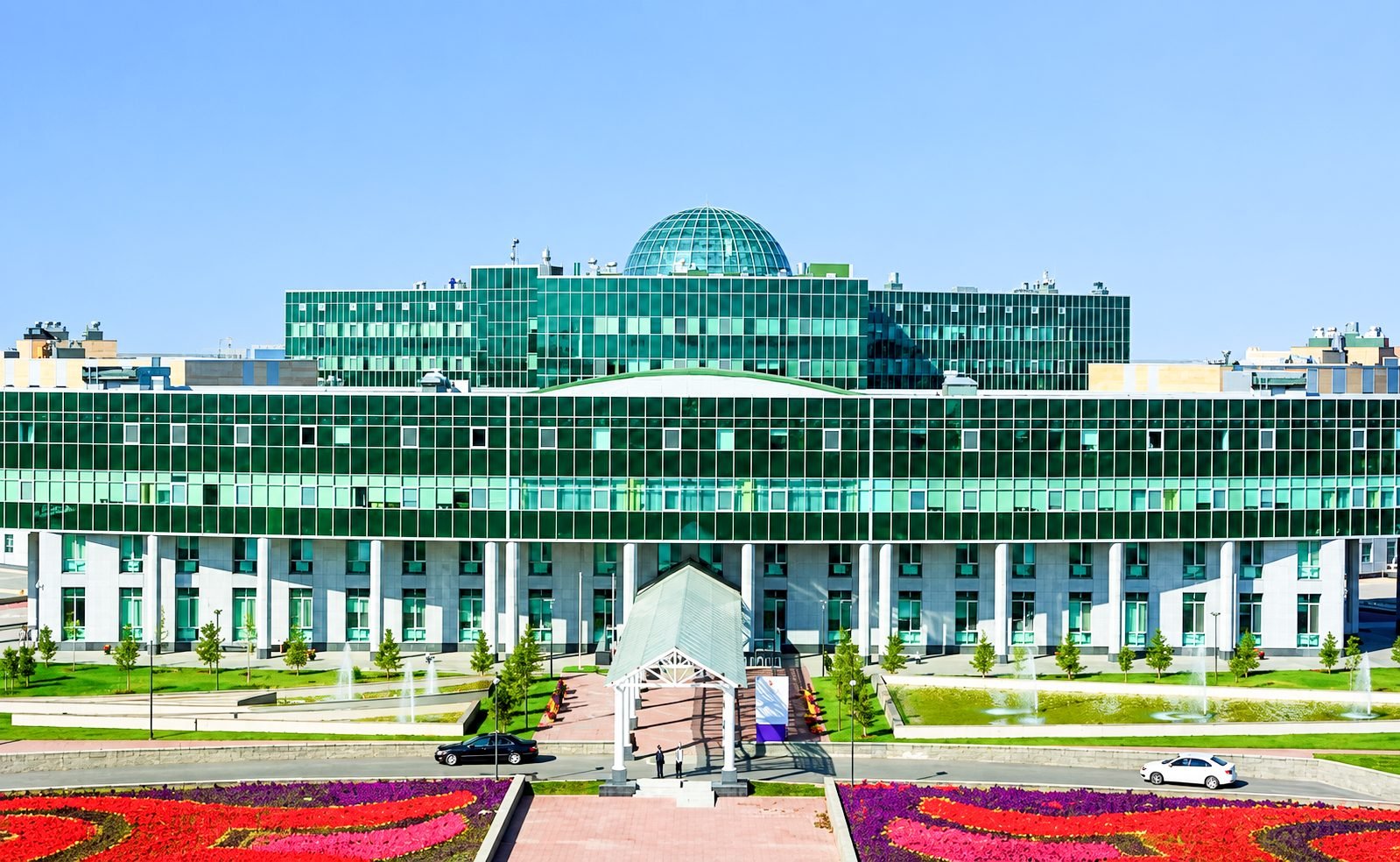
President Administration Hospital
Where Advanced Medicine Meets Innovation

University Medical Center
Advancing Academic Medicine & High-Tech Healthcare in Kazakhstan
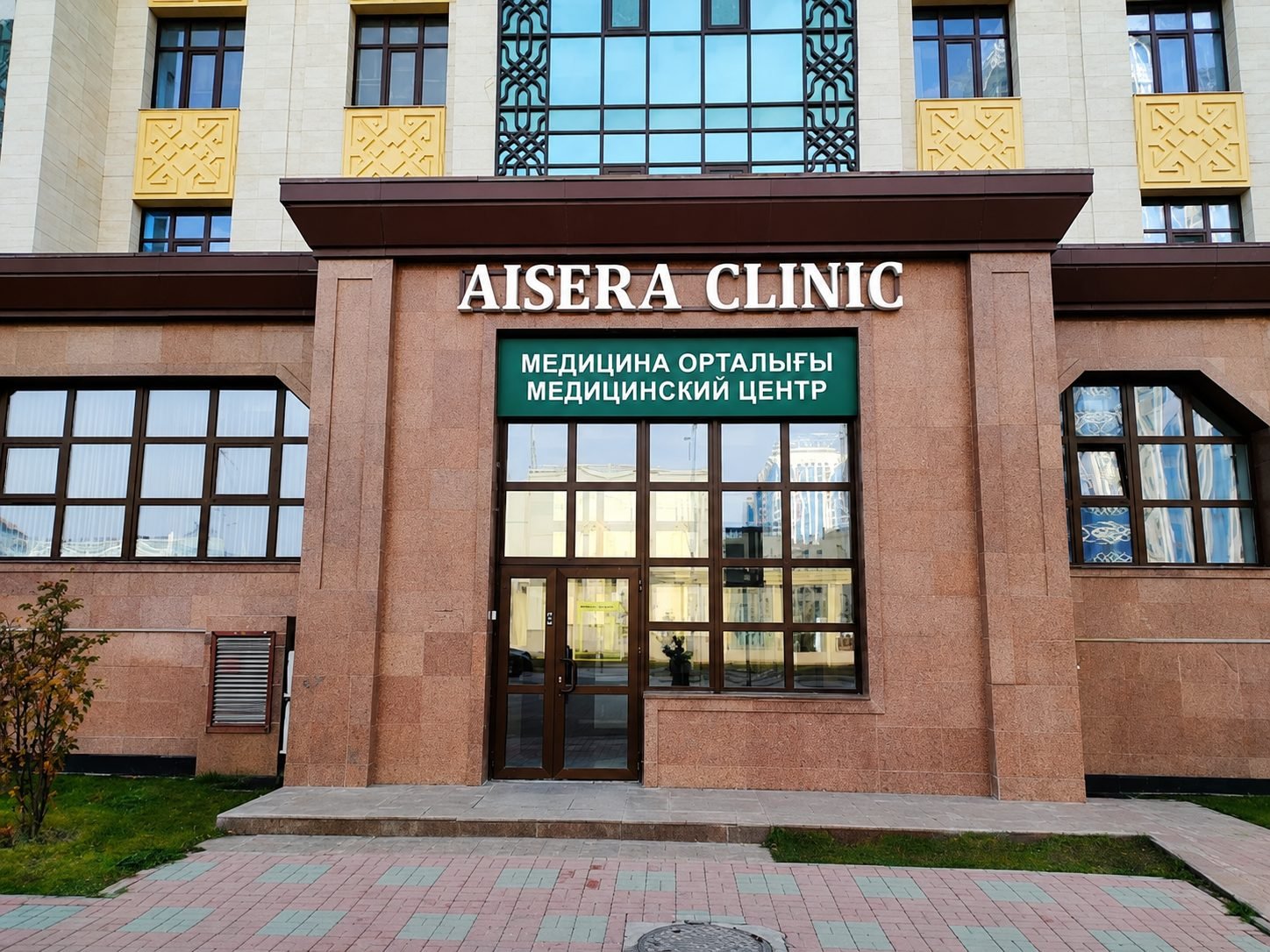
Specialized Medical Centres — Supporting Modern Healthcare in Kazakhstan
Kazakhstan’s growing private healthcare sector is increasingly characterized by specialized medical centres that combine experienced specialists, modern diagnostic…