

Film, Entertainment & Nightlife
Curtain Up
How Kazakhstan’s Theatre Culture Is Inspiring a New Generation
A century of the Mukhtar Auezov Kazakh National Drama Theatre — and stages still full in an age of infinite screens.
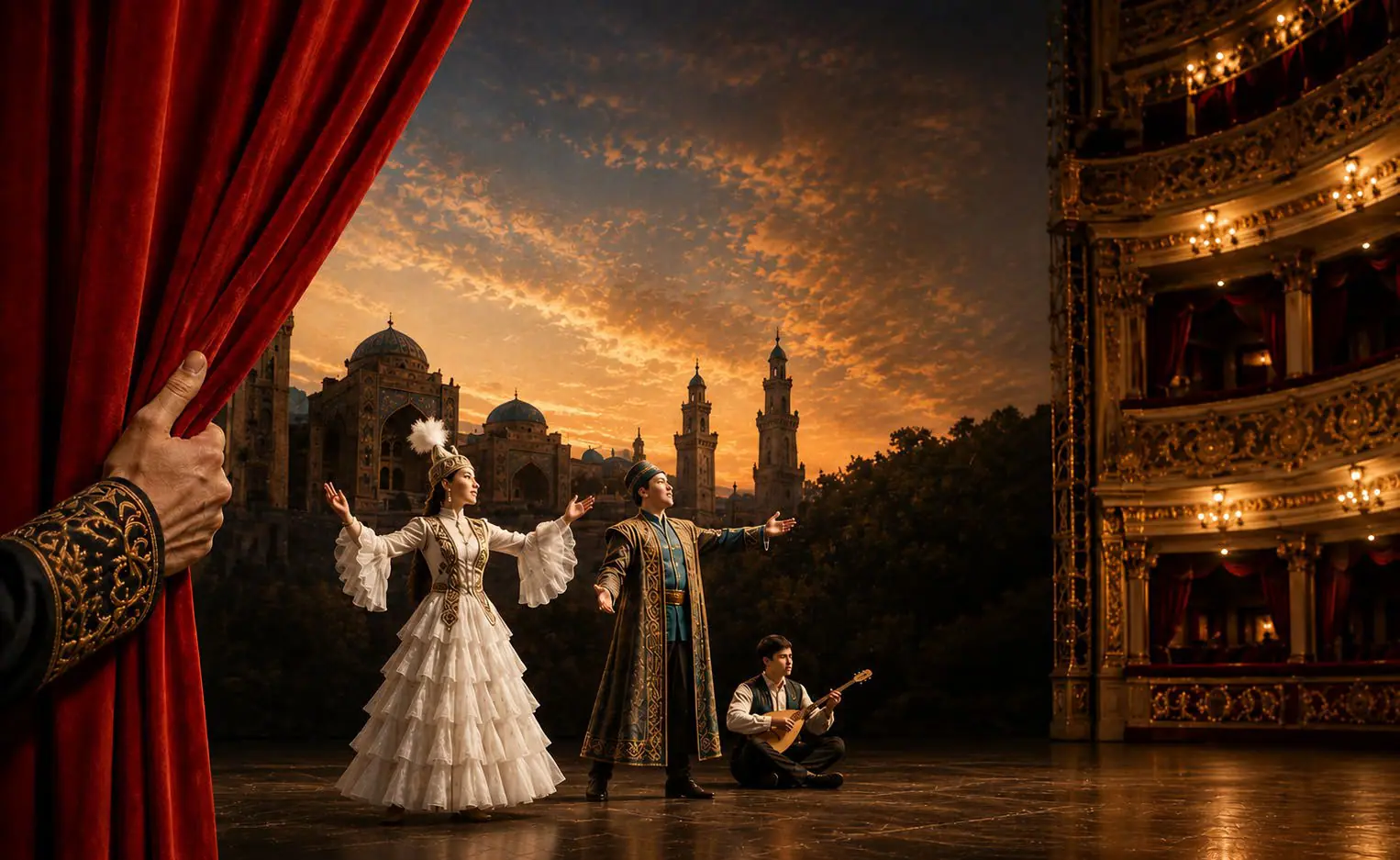
In an age dominated by digital entertainment and fast-paced media consumption, theatre continues to hold a unique and powerful place in Kazakhstan’s cultural identity. Across cities and regions, stages remain alive with stories that reflect the nation’s history, emotions, and aspirations. As Kazakhstan commemorates World Theatre Day, the country is also celebrating the enduring strength of an art form that bridges generations, nurtures creativity, and strengthens cultural awareness. Theatre in Kazakhstan has evolved into more than just a source of entertainment. It has become a platform for dialogue, education, and artistic expression, helping communities better understand both their past and present. Today, the country is home to more than 70 theatres, with dozens supported by the state, reflecting the government’s continued investment in preserving and promoting cultural life.
A Cultural Foundation Rooted in Storytelling
Theatre has long served as an essential part of Kazakhstan’s cultural fabric. Through dramatic performances, historical productions, and contemporary interpretations, theatres bring stories to life that resonate deeply with audiences. Whether through classical plays, experimental productions, or performances inspired by national heritage, Kazakhstan’s theatre scene reflects a rich diversity of voices and perspectives. Government leaders and cultural advocates frequently emphasize the importance of theatre in shaping society.
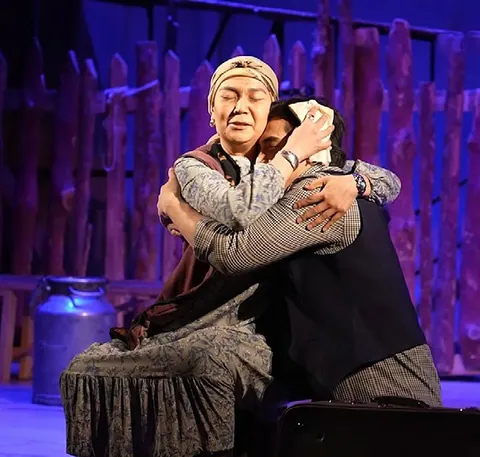
Beyond performance, theatre contributes to emotional understanding, social reflection, and artistic appreciation. It provides audiences with opportunities to explore difficult questions, celebrate achievements, and examine the changing realities of modern life. The continued development of theatre is increasingly viewed as a marker of a nation’s cultural progress. A thriving theatre ecosystem often reflects a society that values creativity, education, and historical awareness— qualities Kazakhstan has been working to strengthen through various cultural initiatives.
“Historical dramas and literary adaptations let audiences reconnect with a country’s memory — and introduce it to those who never lived it.”
Growing Public Interest in the Performing Arts
One of the most encouraging developments in Kazakhstan’s theatre sector is the rising enthusiasm among audiences, particularly younger generations. As cultural institutions modernize their approaches and diversify programming, theatres are becoming increasingly attractive to students, families, and young professionals seeking meaningful artistic experiences. Rather than viewing theatre as a tradition of the past, many young people in Kazakhstan are embracing it as a vibrant and relevant form of expression. Productions now often combine classic themes with modern storytelling techniques, contemporary staging, and innovative interpretations that appeal to evolving audience tastes. This growing public engagement signals an important shift. Theatre is no longer seen only as a formal cultural activity but as an accessible and dynamic space where conversations about identity, society, and human experience can unfold. Attendance figures further demonstrate this momentum. Millions of people continue to visit theatres annually, while touring productions expand access to performances across regions. National theatres are also attracting significant audiences, reinforcing the idea that theatre remains a valued part of daily cultural life.
The Role of Theatre in Preserving National Identity
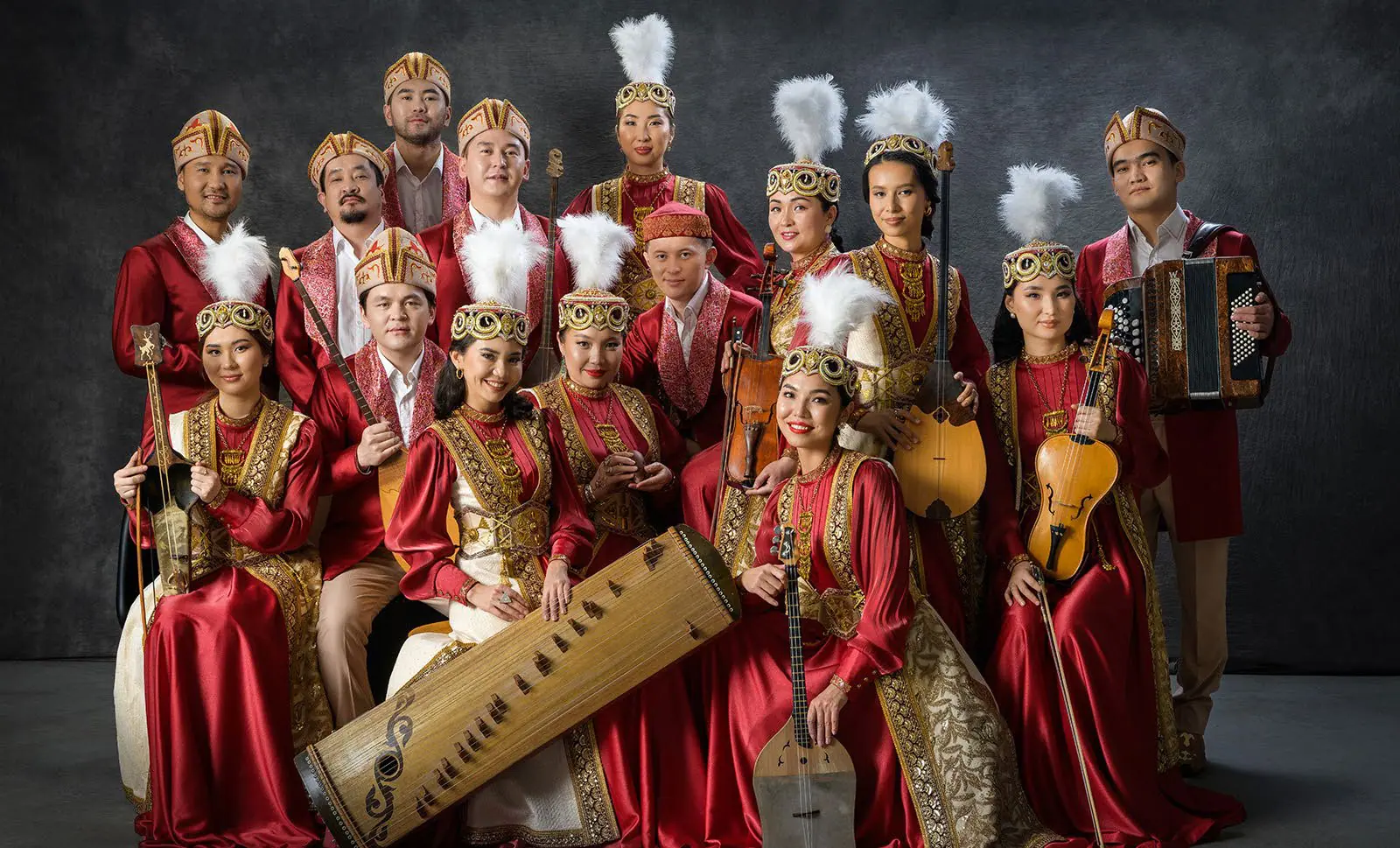
Kazakhstan’s theatrical institutions do more than entertain—they also help preserve cultural memory. Historical dramas, traditional narratives, and literary adaptations provide audiences with opportunities to reconnect with the country’s heritage while introducing younger generations to important chapters of national history. At a time when globalization influences lifestyles and cultural habits worldwide, preserving local identity has become increasingly important. Theatre offers a meaningful way to maintain language, traditions, and shared historical understanding without losing relevance in a modern world.
Many productions in Kazakhstan explore themes linked to national resilience, family values, historical transformation, and collective memory. By presenting these themes on stage, theatre becomes a living archive of experiences and ideas that continue to shape society. Recent cultural reforms have further highlighted the importance of safeguarding historical and cultural heritage. The recognition of culture as an essential public value demonstrates Kazakhstan’s broader effort to ensure artistic institutions continue to thrive for future generations.
Kazakhstan’s Expanding Presence on the Global Stage
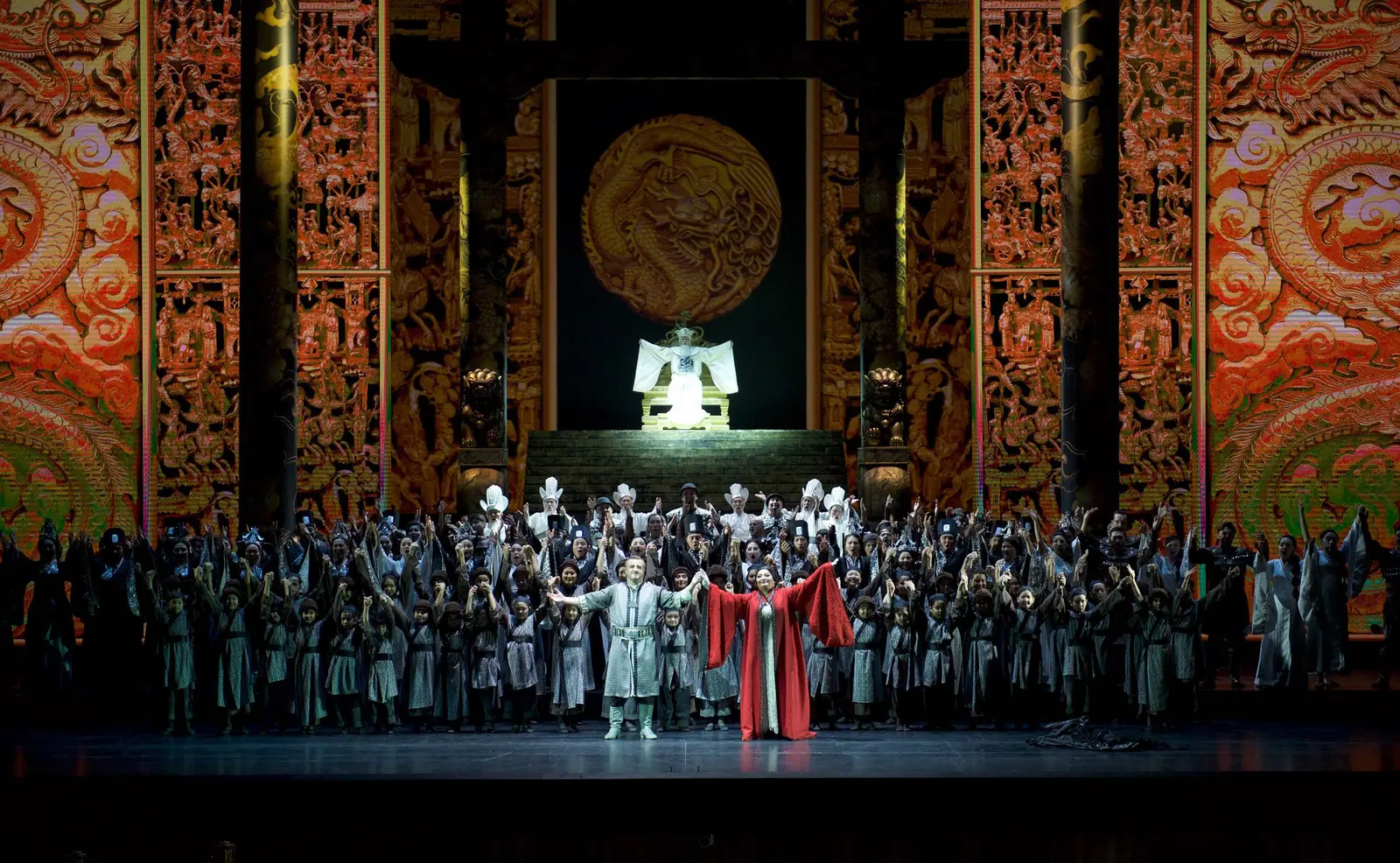
Kazakh theatre is not limited to domestic audiences. Increasingly, theatre companies and performers are taking part in international festivals, collaborations, and artistic exchanges, allowing the country to showcase its creative achievements to the world. Participation in global cultural events helps strengthen international dialogue while introducing foreign audiences to Kazakhstan’s unique artistic voice. Theatre becomes a cultural ambassador, helping build understanding through storytelling, performance, and shared creative experiences. These international appearances also benefit local performers and institutions by exposing them to different theatrical styles, production techniques, and artistic partnerships. In return, Kazakhstan’s theatrical traditions contribute fresh perspectives to the global arts community. As cultural diplomacy becomes more important worldwide, artistic platforms such as theatre are gaining recognition for their ability to connect nations through creativity rather than politics alone.
Celebrating a Century of Theatrical Excellence
This year holds particular significance for Kazakhstan’s cultural community as one of the nation’s most influential theatre institutions marks a historic milestone. The centenary of the Mukhtar Auezov Kazakh National Drama Theatre stands as a reminder of the enduring impact theatre has had on shaping national artistic identity. For generations, this institution has played a vital role in developing dramatic arts, supporting actors, directors, and playwrights while bringing meaningful stories to audiences across the country. Its history reflects the broader evolution of Kazakhstan’s performing arts landscape and highlights how theatre has adapted through changing eras. Milestones such as this provide an opportunity not only to celebrate past accomplishments but also to consider the future of theatre in Kazakhstan. As artistic technologies evolve and audience expectations change, theatres continue to seek innovative ways to remain relevant while honoring tradition.
Looking Ahead: A Future Built on Creativity
The future of theatre in Kazakhstan appears promising. Continued audience growth, increased youth engagement, state support, and international recognition suggest that the performing arts will remain an important pillar of national culture. At its best, theatre creates connection. It encourages empathy, inspires imagination, and opens spaces for reflection that few other art forms can replicate. In Kazakhstan, these qualities continue to resonate strongly, proving that even in a rapidly changing world, the stage remains a place where stories matter. World Theatre Day offers more than a moment of celebration—it serves as a reminder of the transformative role theatre plays in society. Kazakhstan’s growing theatrical landscape demonstrates how culture can strengthen identity, encourage dialogue, and inspire generations to appreciate the enduring power of storytelling. As curtains rise across theatres nationwide, audiences are reminded that behind every performance lies something greater: a shared human experience that continues to unite communities through art, memory, and imagination.