

Astana’s Light Rail Transit: A New Era of Urban Mobility in Kazakhstan
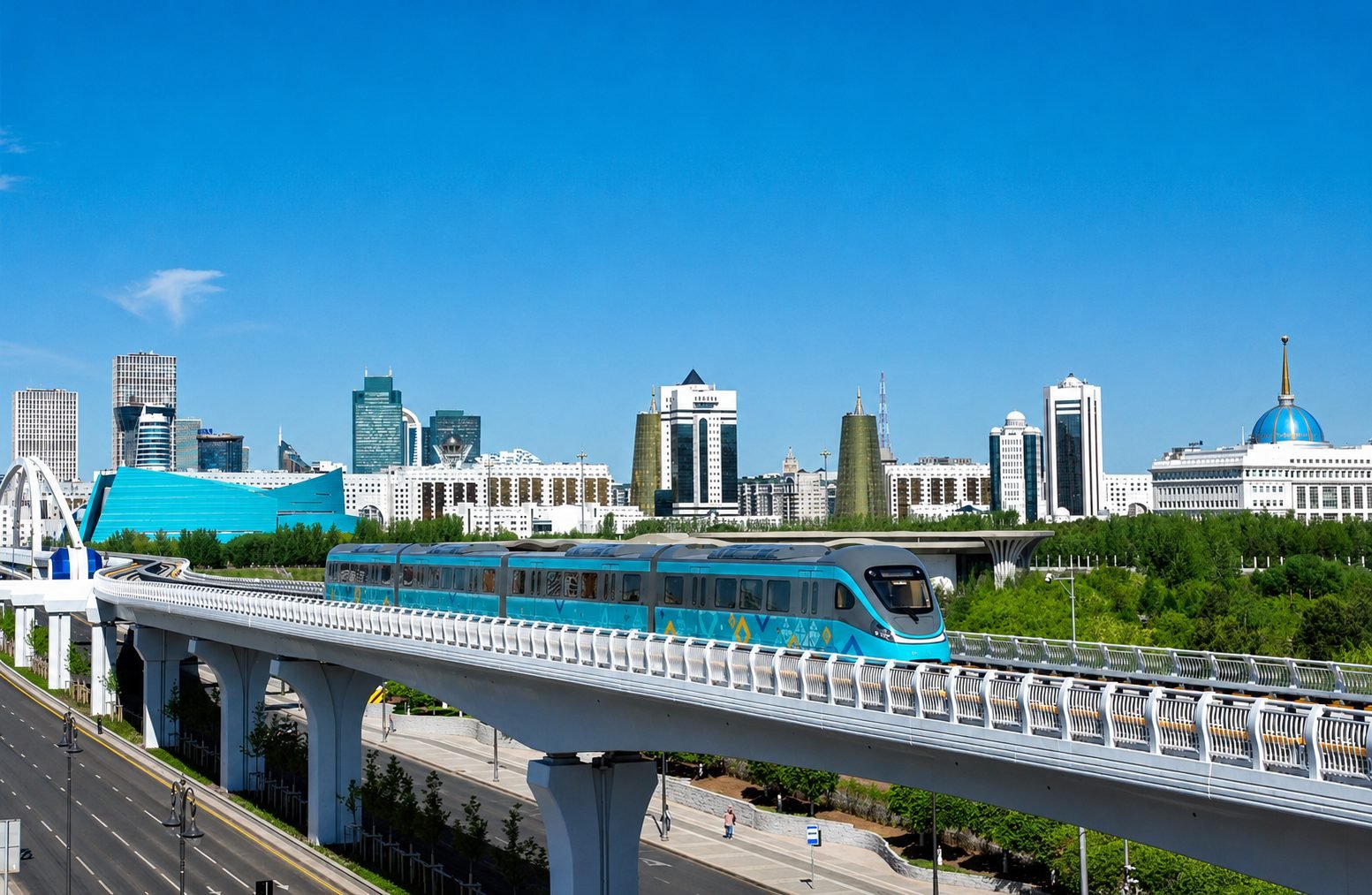
The image presents a striking vision of Kazakhstan’s capital, Astana, where a sleek blue Light Rail Transit (LRT) train glides along an elevated track framed by rows of blooming pink cherry blossom trees. At first glance, the scene appears almost dreamlike, combining cutting-edge urban transportation with the delicate beauty of spring. The train, identified as part of the Astana Light Rail Transit system, symbolizes one of the most ambitious infrastructure projects in modern Kazakhstan. While the image has captivated viewers for its aesthetic appeal, it has also generated discussion about its authenticity, particularly because the extensive sakura-lined landscape depicted is not typically associated with Astana’s natural environment. Whether entirely real or partially AI-generated, the image successfully captures the aspirations of a city that has transformed itself from a modest administrative center into one of Eurasia’s most modern capitals.
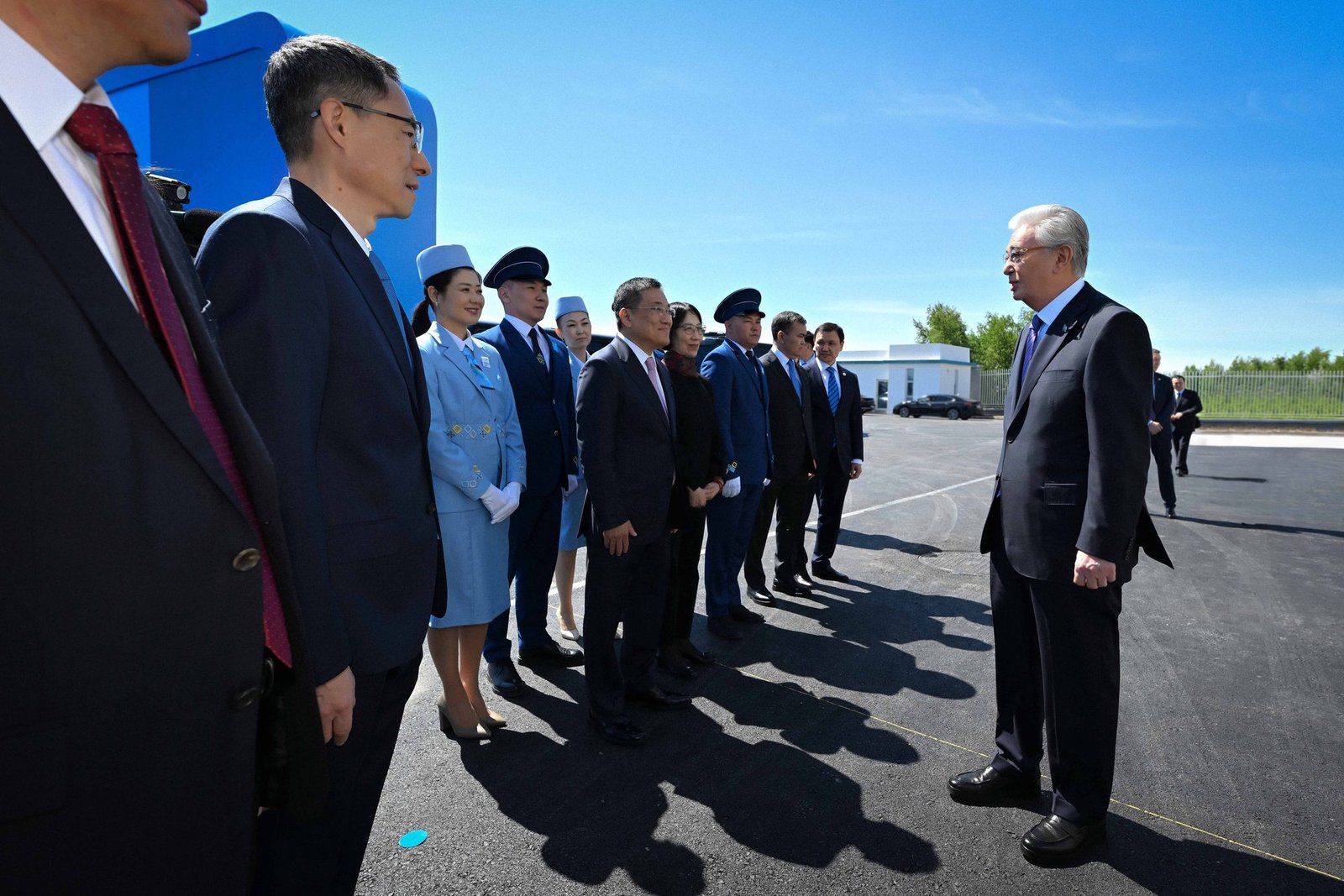
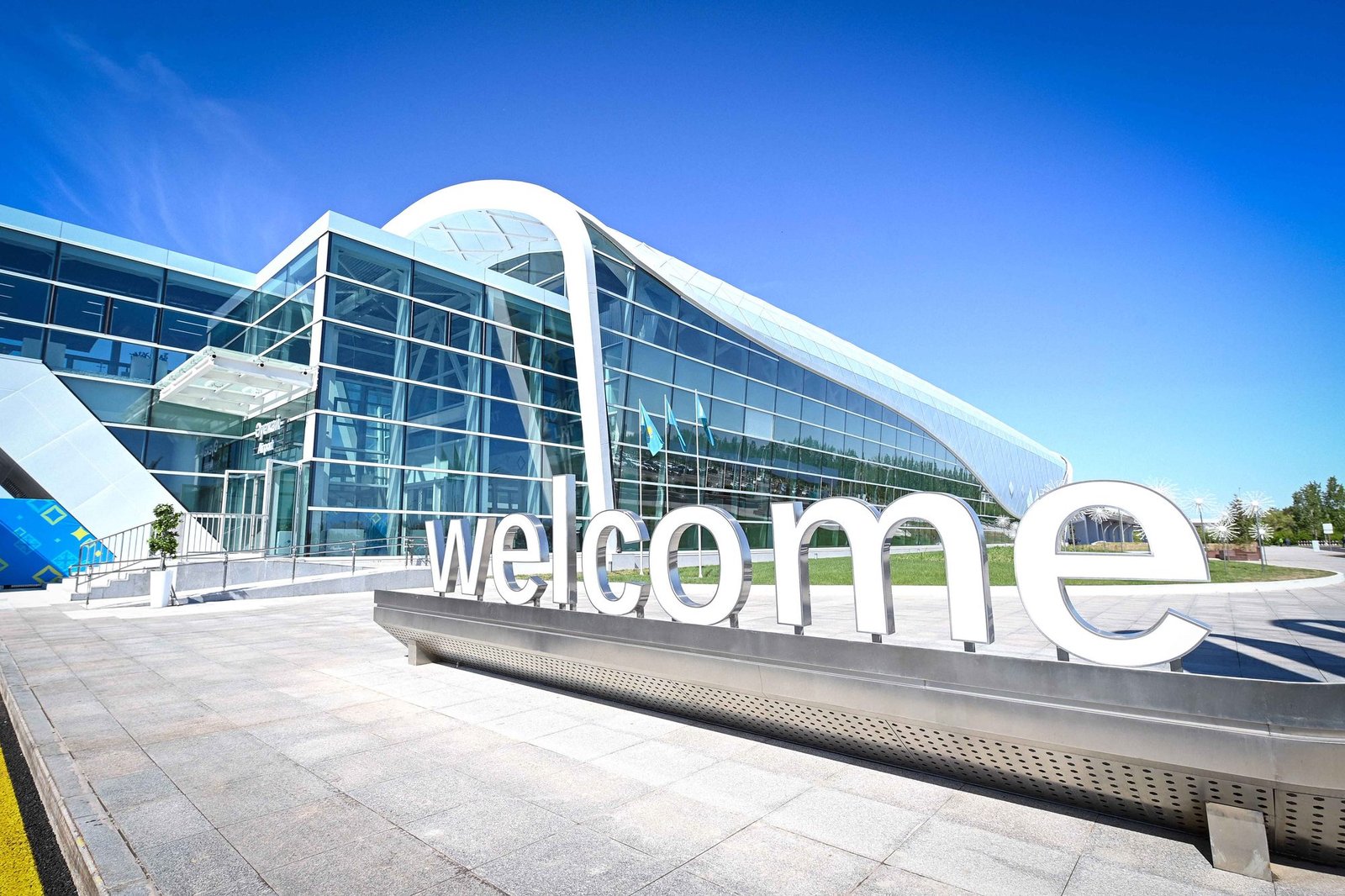
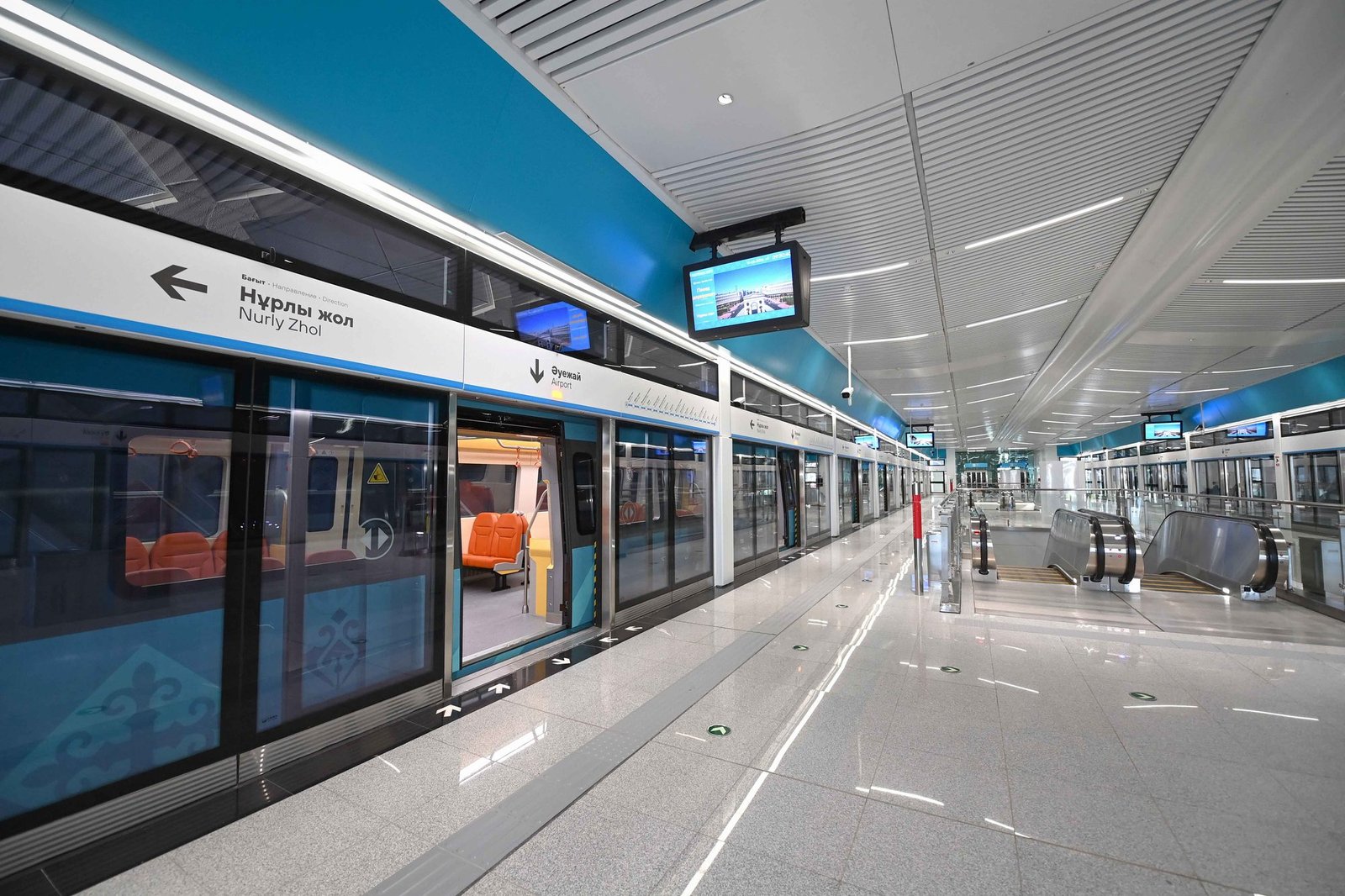
The Astana Light Rail Transit system represents a landmark achievement in Kazakhstan’s transportation history. Officially inaugurated in 2026, the first phase of the network stretches approximately 22.4 kilometers and includes eighteen stations connecting some of the city’s most important destinations. The route links Astana International Airport with major commercial, residential, governmental, and cultural districts, including Abu Dhabi Plaza, the Botanical Garden area, and Nurly Zhol railway station. Designed to ease traffic congestion and improve mobility, the project is intended to serve as the backbone of a modern public transportation network capable of supporting the capital’s continued growth. For many residents, the launch of the LRT marked the realization of a vision that had been discussed and debated for more than a decade.
The significance of the LRT extends far beyond transportation. Since Kazakhstan moved its capital from Almaty to Astana in 1997, the city has undergone a dramatic transformation. Vast areas of open steppe have given way to futuristic skyscrapers, monumental public buildings, international business centers, and expansive urban developments. The city has become a showcase of contemporary architecture and urban planning, designed to project Kazakhstan’s ambitions on the global stage. As the population grew and economic activity intensified, transportation infrastructure became increasingly important. Roads that once comfortably handled traffic began experiencing congestion, and city planners recognized the need for a high-capacity transit solution capable of connecting rapidly expanding districts. The Light Rail Transit system emerged as the answer to these challenges.
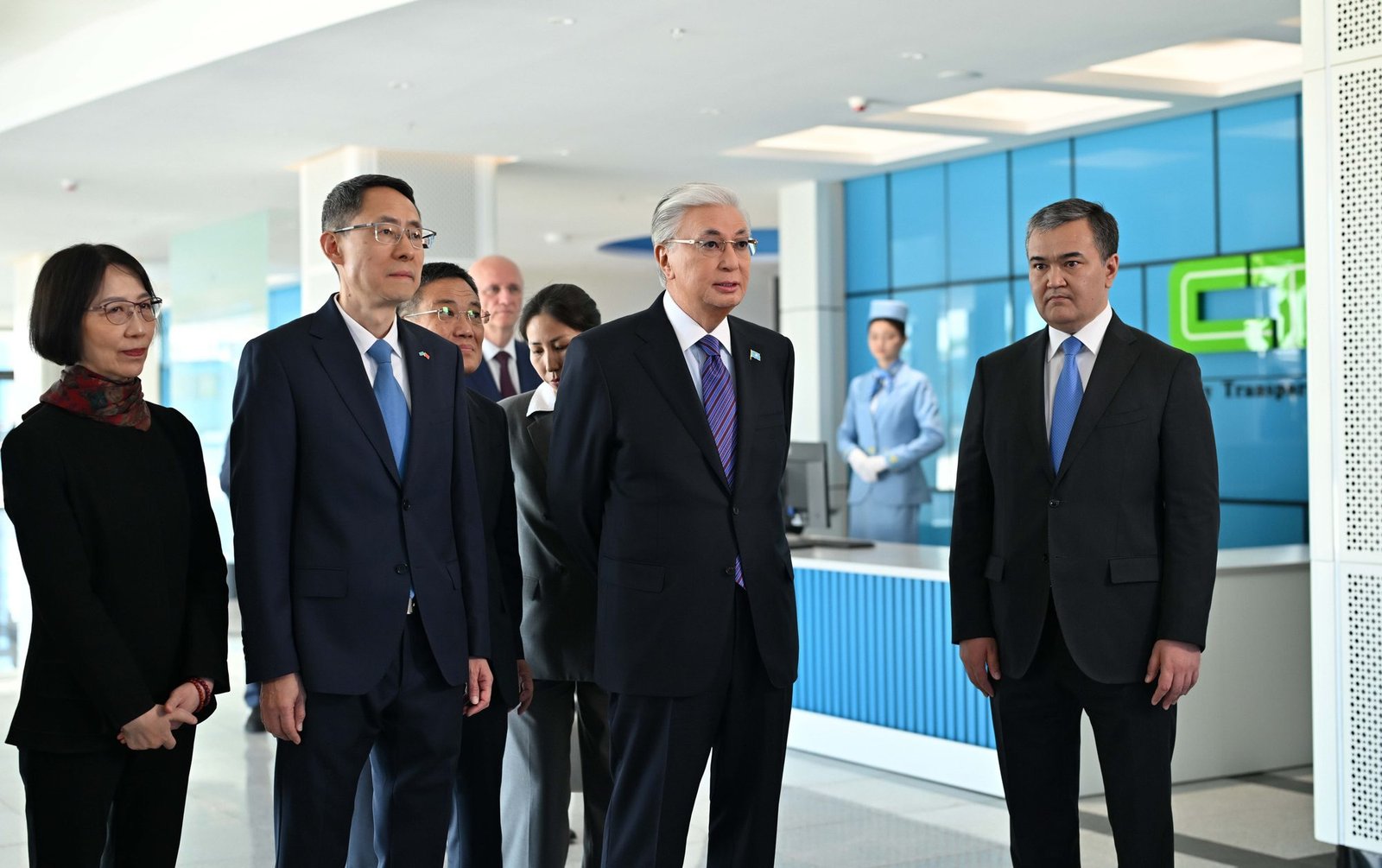
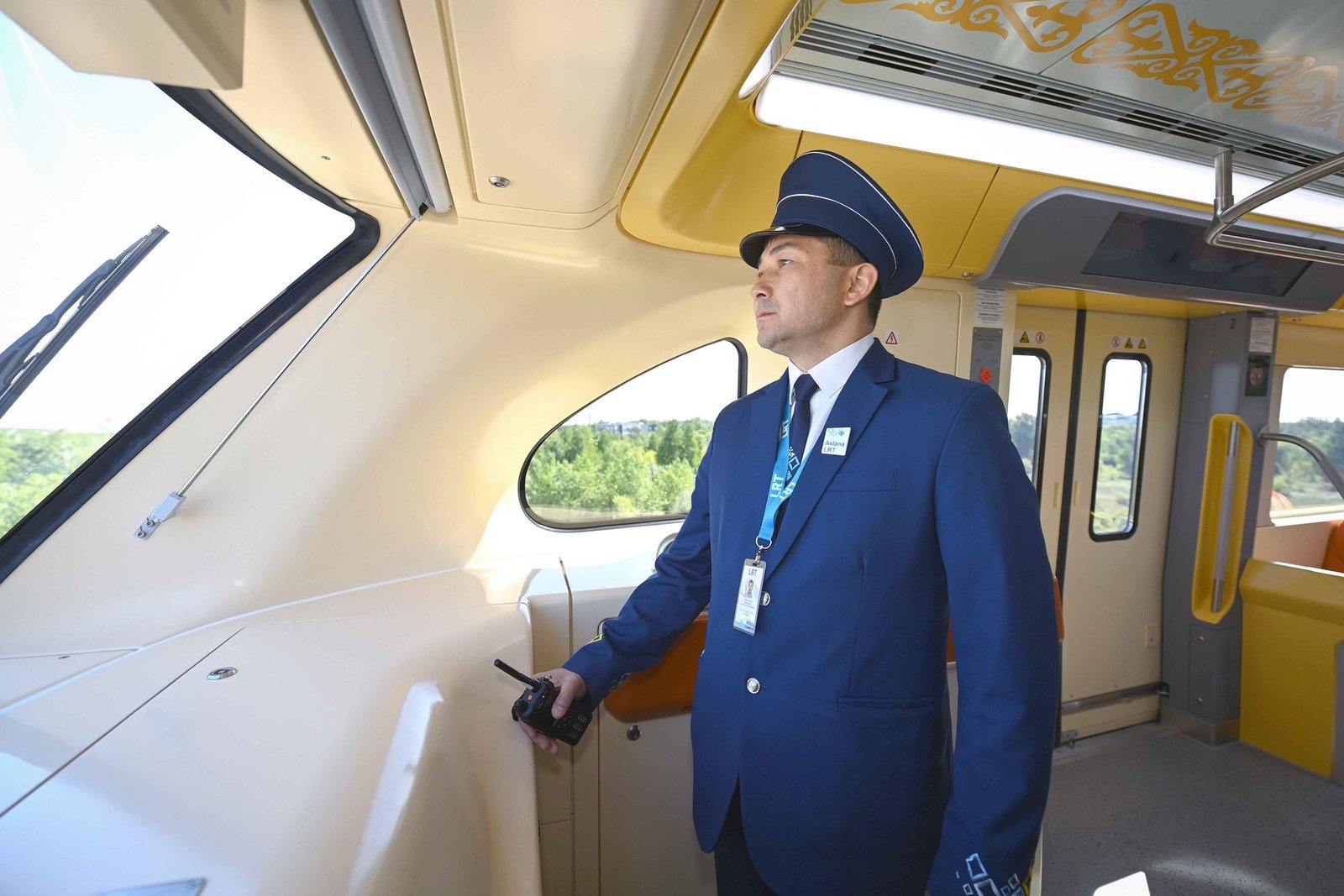
The journey toward completion was neither simple nor straightforward. The project faced numerous obstacles, including financial difficulties, administrative changes, construction delays, and periods of uncertainty that raised doubts about whether it would ever become operational. For years, partially completed structures stood as visible reminders of the project’s challenges. Yet despite these setbacks, Kazakhstan remained committed to the vision. Construction resumed, testing programs were launched, and by 2026 the first trains began carrying passengers. The inauguration was widely celebrated as a symbol of perseverance and national progress, demonstrating Kazakhstan’s ability to complete large-scale infrastructure projects despite considerable difficulties. One of the most remarkable aspects of the Astana LRT is its technological sophistication. The system utilizes Grade of Automation 4 (GoA4), the highest level of train automation currently available. Unlike conventional rail systems that rely on onboard drivers, the Astana LRT operates fully automatically. Advanced computer systems control acceleration, braking, station stops, and safety monitoring. Networks of sensors continuously assess operating conditions and communicate with centralized control centers, ensuring efficient and reliable service. This level of automation places Astana among a select group of cities worldwide that have adopted the most advanced forms of urban rail technology. It reflects Kazakhstan’s broader commitment to embracing innovation and positioning itself as a technologically progressive nation.
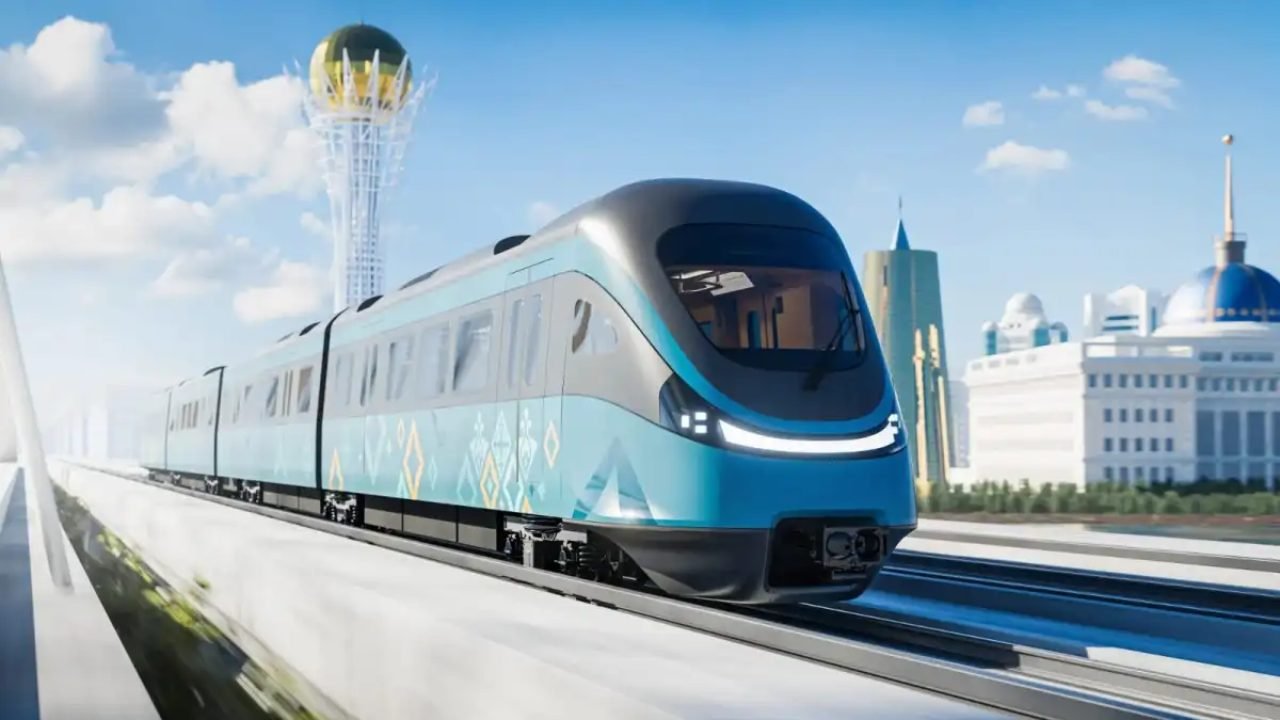
Building such a system in Astana presented unique engineering challenges. The capital is known for having one of the harshest climates among the world’s major cities. Winters are long and severe, with temperatures frequently dropping below minus 30 degrees Celsius. Strong winds sweep across the surrounding steppe, while snow and ice can create difficult operating conditions. Designing a transportation system capable of functioning reliably in such an environment required extensive engineering expertise. The elevated viaducts were constructed using materials capable of withstanding dramatic temperature fluctuations, while the trains themselves were designed to operate safely during extreme winter conditions. Stations incorporate protective features that shield passengers from harsh weather while maintaining operational efficiency throughout the year.

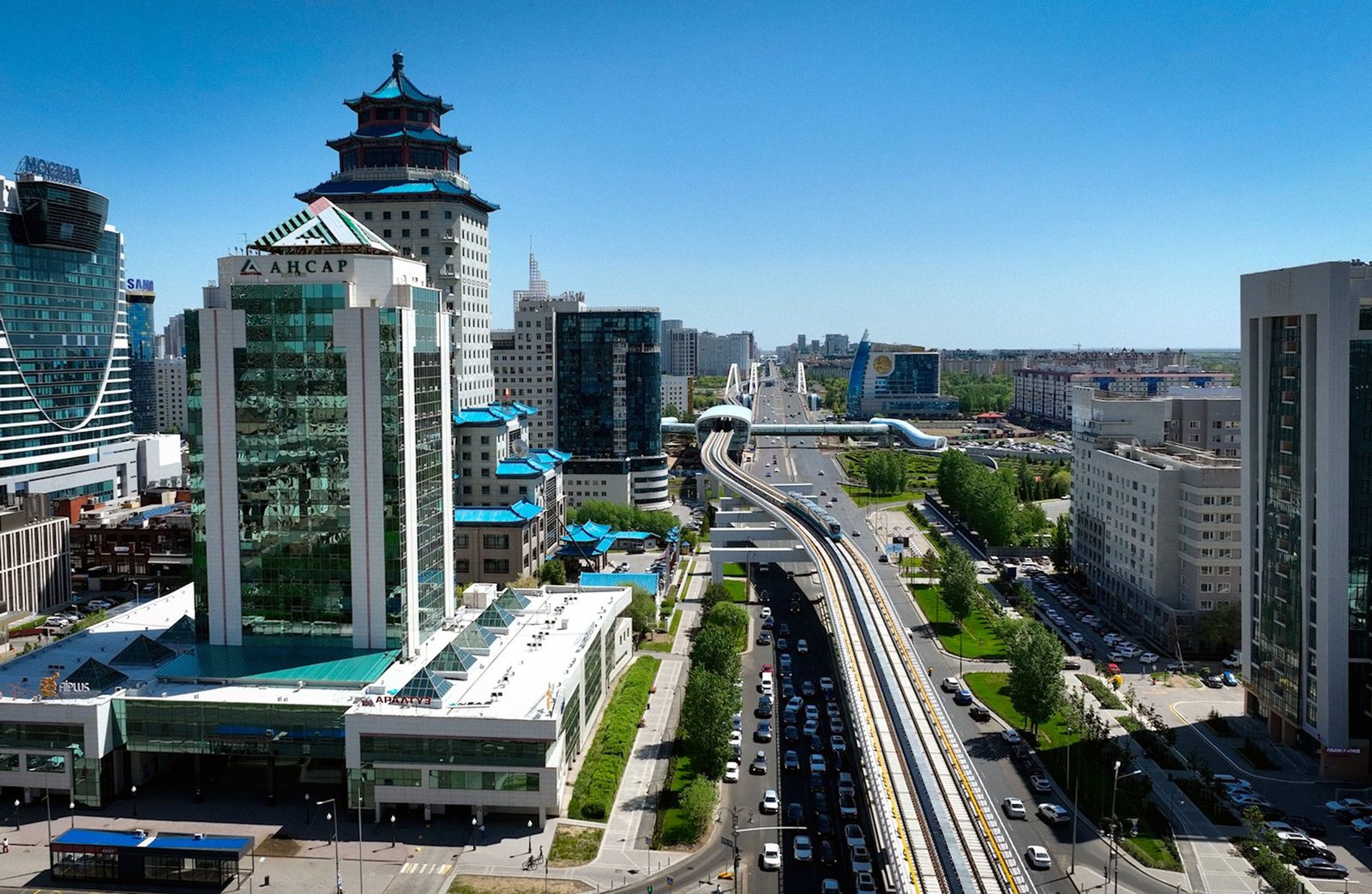
The elevated nature of the LRT also contributes to its effectiveness. By running above street level, the trains avoid conflicts with road traffic, allowing for faster and more predictable travel times. Elevated rail corridors reduce the need for land acquisition and minimize disruption to existing road networks. The visual impact of the infrastructure is equally significant. The elevated guideways create a futuristic appearance that aligns with Astana’s architectural identity, reinforcing the city’s image as a modern capital designed for the future. In many ways, the LRT has become as much an urban landmark as a transportation system. Environmental considerations also played an important role in the project’s development. Like many rapidly growing cities, Astana faces increasing pressure to reduce carbon emissions and improve sustainability.
Transportation is one of the largest contributors to urban greenhouse gas emissions, making public transit a key component of environmental policy. Electric rail systems offer a cleaner alternative to private vehicles, reducing fuel consumption and lowering emissions. By encouraging more residents to use public transportation, the LRT has the potential to decrease traffic congestion while supporting Kazakhstan’s broader sustainability goals. The project reflects a growing recognition that economic growth and environmental responsibility must progress together. The image itself has attracted particular attention because of the cherry blossoms that appear to line both sides of the elevated track. The delicate pink flowers create a dramatic contrast with the blue train and surrounding modern architecture. For many viewers, the scene evokes comparisons with Japan, where sakura season is celebrated as a national event and attracts visitors from around the world. Cherry blossoms have become internationally recognized symbols of beauty, renewal, and the arrival of spring. Their inclusion in images of Astana creates an atmosphere of elegance and serenity that enhances the visual appeal of the city.
However, the presence of extensive cherry blossom avenues in Astana has also prompted skepticism. While ornamental flowering trees can certainly be cultivated in parts of Kazakhstan, large-scale sakura corridors are not commonly associated with the capital. Astana’s climate differs significantly from regions where cherry blossoms naturally thrive. The city’s long, harsh winters and relatively short growing seasons create environmental conditions that are less favorable for the widespread cultivation of mature cherry blossom trees. As a result, many observers have questioned whether the image accurately reflects reality. Several characteristics have fueled speculation that the scene may have been enhanced using digital tools or generated through artificial intelligence. The cherry blossoms appear exceptionally dense and symmetrical, creating a level of visual perfection that is often associated with computer-generated imagery.
The alignment of the trees, the consistency of the blooms, and the overall composition resemble architectural renderings commonly used in urban planning and promotional materials. In an era when AI-generated images are becoming increasingly sophisticated, it is understandable that viewers would question whether such an idyllic scene exists exactly as depicted. Even if the image has been digitally enhanced, it still serves an important purpose. Urban planners, architects, and tourism organizations frequently use conceptual imagery to communicate future possibilities rather than current realities. Such visualizations help people imagine how infrastructure projects might integrate with public spaces, landscaping, and broader urban environments. In this sense, the cherry blossoms can be viewed as a symbolic element representing the city’s aspirations for beauty, livability, and environmental harmony. The image conveys not just what Astana is today, but what it hopes to become in the future.
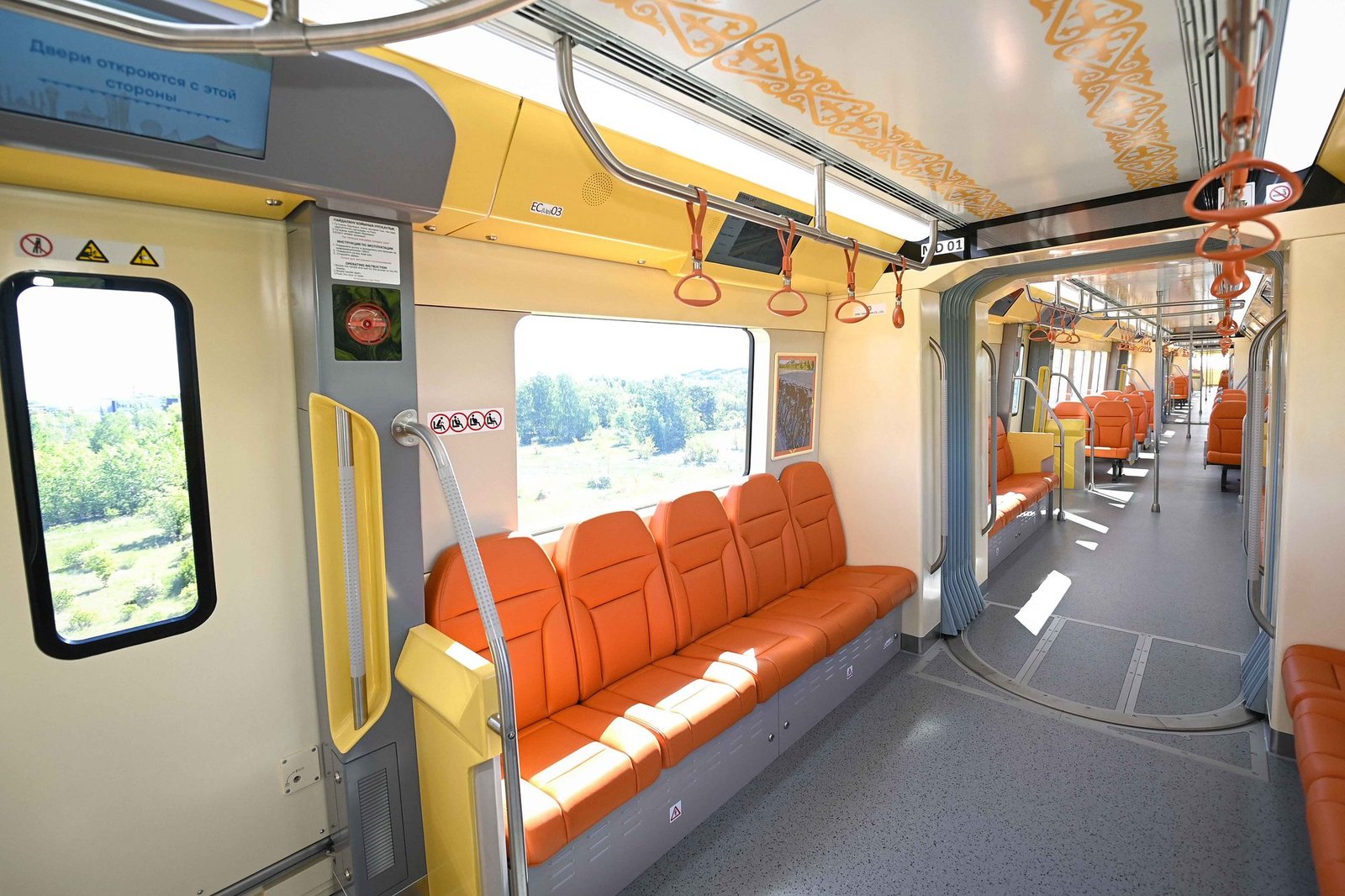
The popularity of the image also reflects broader changes in how cities present themselves to global audiences. In the digital age, urban identity is increasingly shaped through visual storytelling. Cities compete for tourists, investors, businesses, and international recognition, often using striking imagery to communicate their values and ambitions. Transportation infrastructure has become a particularly powerful symbol in this context. Modern rail systems are no longer viewed solely as practical utilities; they are increasingly seen as indicators of innovation, sustainability, and quality of life. Images of sleek trains moving through attractive urban landscapes help create narratives about progress and modernity that resonate with audiences worldwide. For Kazakhstan, the Astana LRT represents a tangible expression of national development. The country has spent the past three decades investing heavily in infrastructure, technology, and economic diversification.

Projects such as the LRT demonstrate a commitment to creating world-class urban environments capable of competing on an international scale. The system improves daily life for residents while enhancing the city’s appeal to visitors and investors. It reinforces Astana’s position as a forward-looking capital designed to serve as a gateway between Europe and Asia. Future expansion plans suggest that the LRT’s role will continue to grow. Additional phases could extend the network into emerging residential districts, commercial zones, and transportation hubs. Integration with buses, cycling infrastructure, and pedestrian networks would further strengthen the city’s mobility ecosystem. As ridership increases and new routes are developed, the system could become one of the defining features of Astana’s urban landscape.
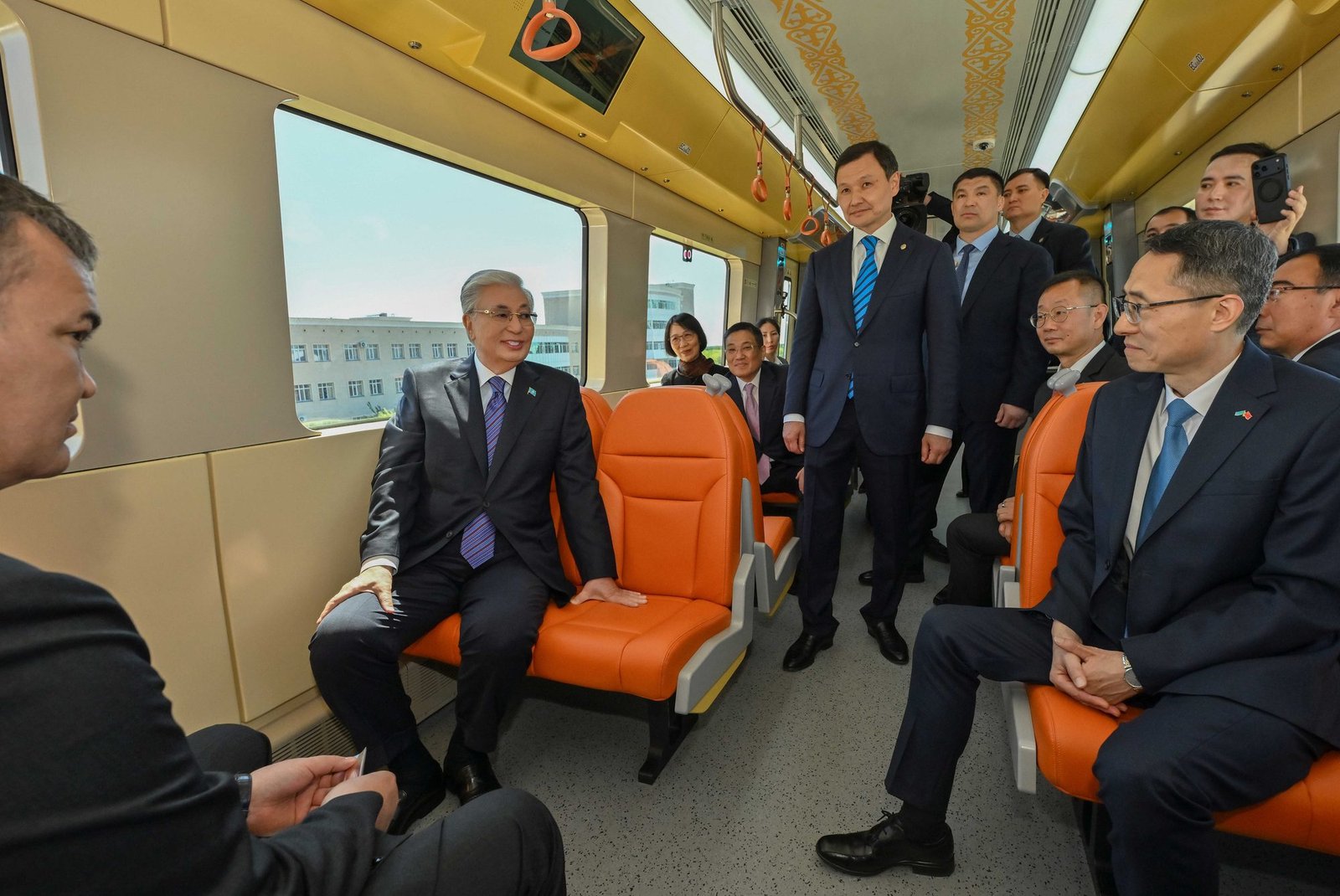

The project may also serve as a model for other cities in Kazakhstan seeking to modernize their transportation networks and improve urban sustainability. Ultimately, the image of the Astana Light Rail Transit system framed by cherry blossoms captures a powerful vision of the future. Whether every detail reflects physical reality is, in some respects, less important than the broader message it conveys. The train is real, the infrastructure is real, and the city’s transformation is undeniably real. The blossoms may be enhanced, imagined, or symbolic, but they contribute to a narrative of progress, beauty, and possibility. Together, they create an image that encapsulates Astana’s ambitions as a modern capital where technology, sustainability, and urban design converge. The Astana LRT stands not only as a transportation achievement but also as a symbol of Kazakhstan’s continuing journey toward a more connected, innovative, and globally engaged future.


More to Read
All issues
Dr. Nawab Mir Nasir Ali Khan
An Amazing Journey of the Proud Legacy, Entrepreneurship, Progressive Growth, Diplomacy & Global Vision

Yeldos Smetov — The Golden Legacy of Kazakhstan’s Judo Champion
Few athletes can claim to have stood on an Olympic podium three times, won a world championship and remained competitive at the highest level for more than a decade.…

DALA Kazakhstan
Reimagines National Dress for the Modern Astana Wardrobe