

From Bosphorus to the Great Steppe: Tracing Shared Turkic Roots Through Art in Astana
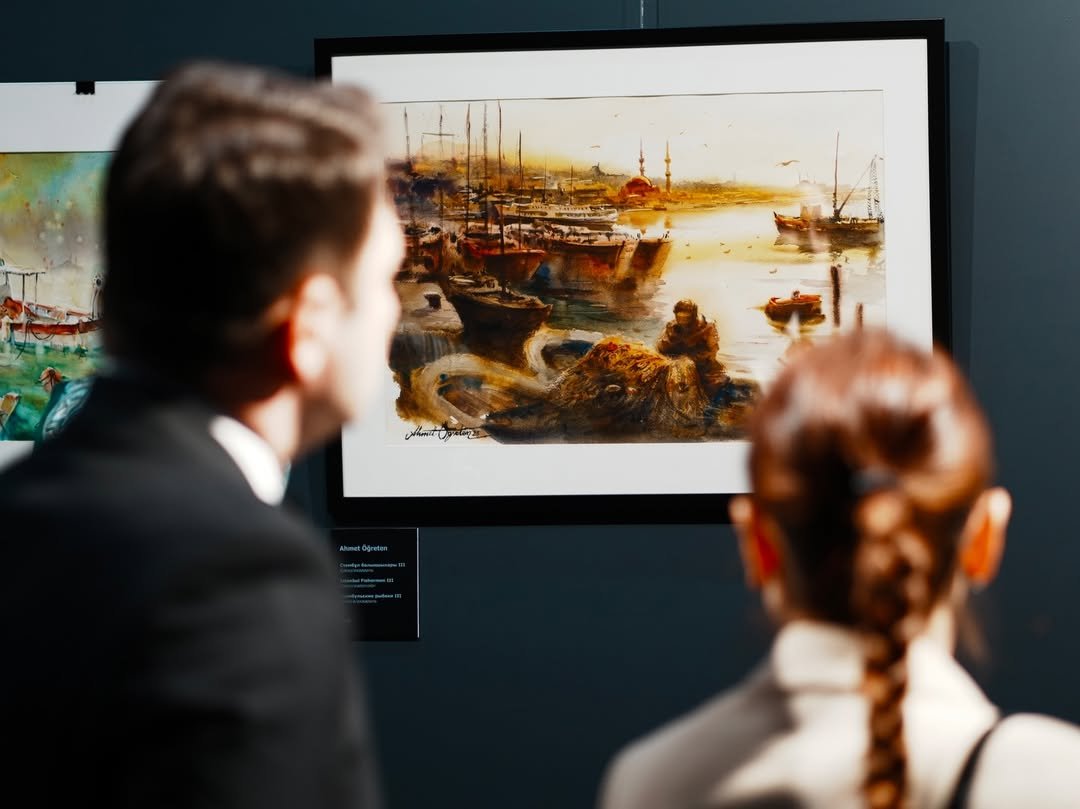
Water has long been one of humanity’s most powerful symbols. It flows across borders, adapts to landscapes, and quietly carries stories through time. For Turkish watercolour artist Ahmet Öğreten, water becomes more than a subject—it transforms into a narrative thread that binds civilizations together. His solo exhibition, “Following the Water: From the Bosphorus to the Great Steppe,” held at the Palace of Peace and Reconciliation in Astana, is a visual journey that explores the shared cultural and historical roots of Turkic peoples. Opened on February 12 and featuring around 60 carefully curated watercolor works, the exhibition invites visitors to travel across geography and time. From the shimmering waters of the Bosphorus in Istanbul to the vast, wind-swept expanses of the Kazakh steppe, Öğreten’s art maps a cultural continuum that stretches far beyond modern political boundaries. Organized by the Kulanshi Art Group in collaboration with the Embassy of Türkiye in Kazakhstan, the exhibition is as much about identity and heritage as it is about artistic expression.
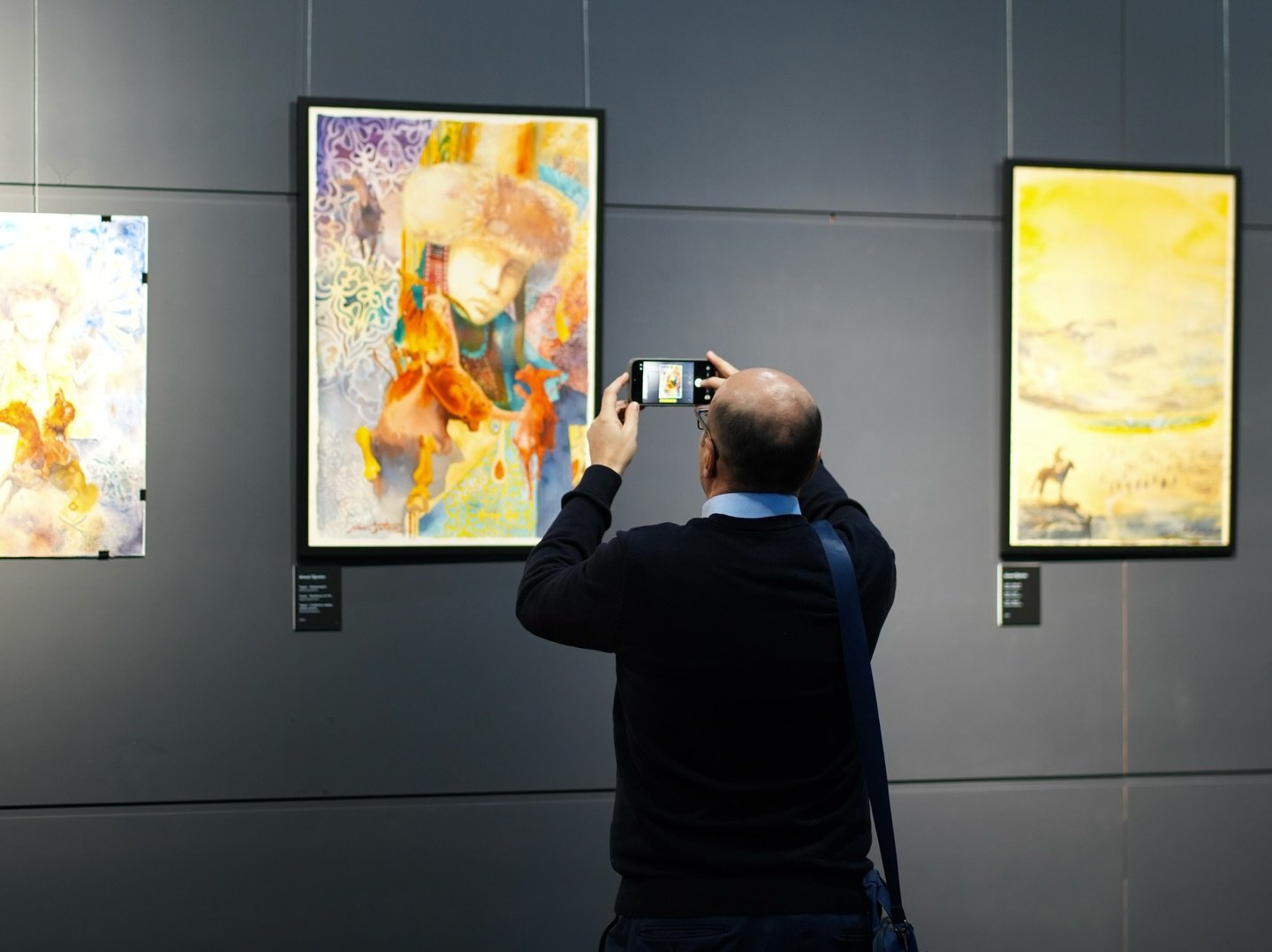
A Journey Through Time and Geography The structure of the exhibition itself mirrors a journey. Visitors move through the gallery as though they are tracing the migration routes of ancient Turkic tribes—from Central Asia toward Anatolia. Each painting becomes a waypoint, offering glimpses into different eras, landscapes, and cultural practices. Öğreten’s use of watercolour is particularly significant. The medium, known for its fluidity and translucency, echoes the theme of water as a connecting force. Layers of pigment bleed into one another, creating soft transitions that symbolize the blending of cultures over centuries. There are no harsh boundaries in his compositions—only gentle shifts, much like the gradual evolution of traditions and identities. The Bosphorus, a strait that physically separates Europe and Asia while simultaneously linking them, serves as a powerful starting point in the exhibition. From there, the narrative unfolds toward the steppe, often regarded as the cradle of Turkic civilization. Through this visual progression, Öğreten emphasizes that history is not a series of isolated events but a continuous flow—much like water itself.
Rediscovering the Nomadic Spirit
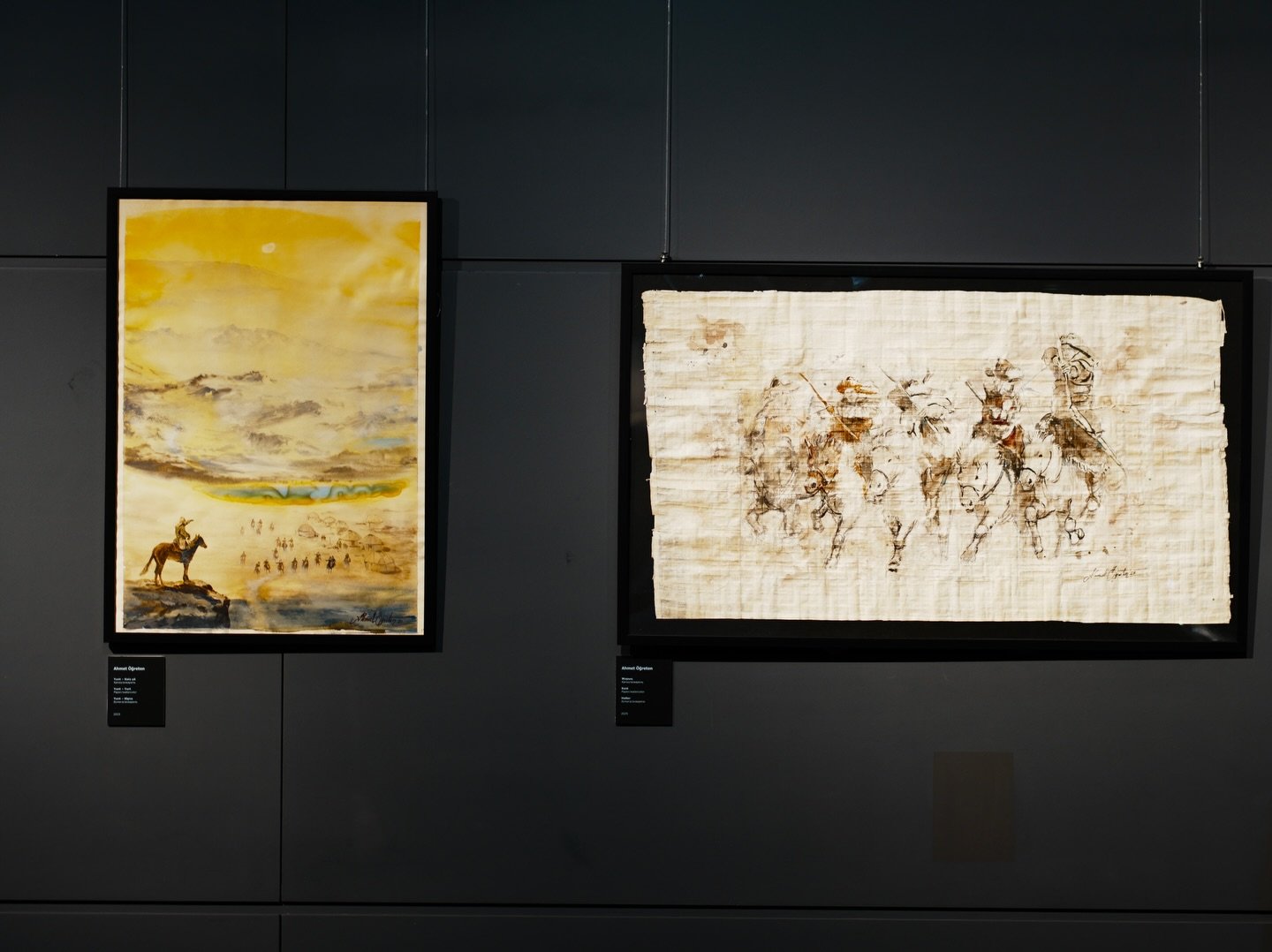
A central aspect of Öğreten’s work is his deep engagement with the nomadic heritage of Turkic peoples. Invited by the Turkish Embassy, the artist undertook extensive research into ancient steppe life. He explored traditional motifs, textiles, tools, and everyday objects used by early Turkic communities. This research is evident in the intricate details of his paintings. Patterns inspired by traditional ornaments appear subtly within landscapes, while depictions of yurts, horses, and open plains evoke a lifestyle defined by movement and harmony with nature. Rather than presenting these elements as relics of the past, Öğreten integrates them seamlessly into his compositions, suggesting their continued relevance in modern identity. The artist has spoken about his admiration for the way nomadic cultures respected and coexisted with nature.
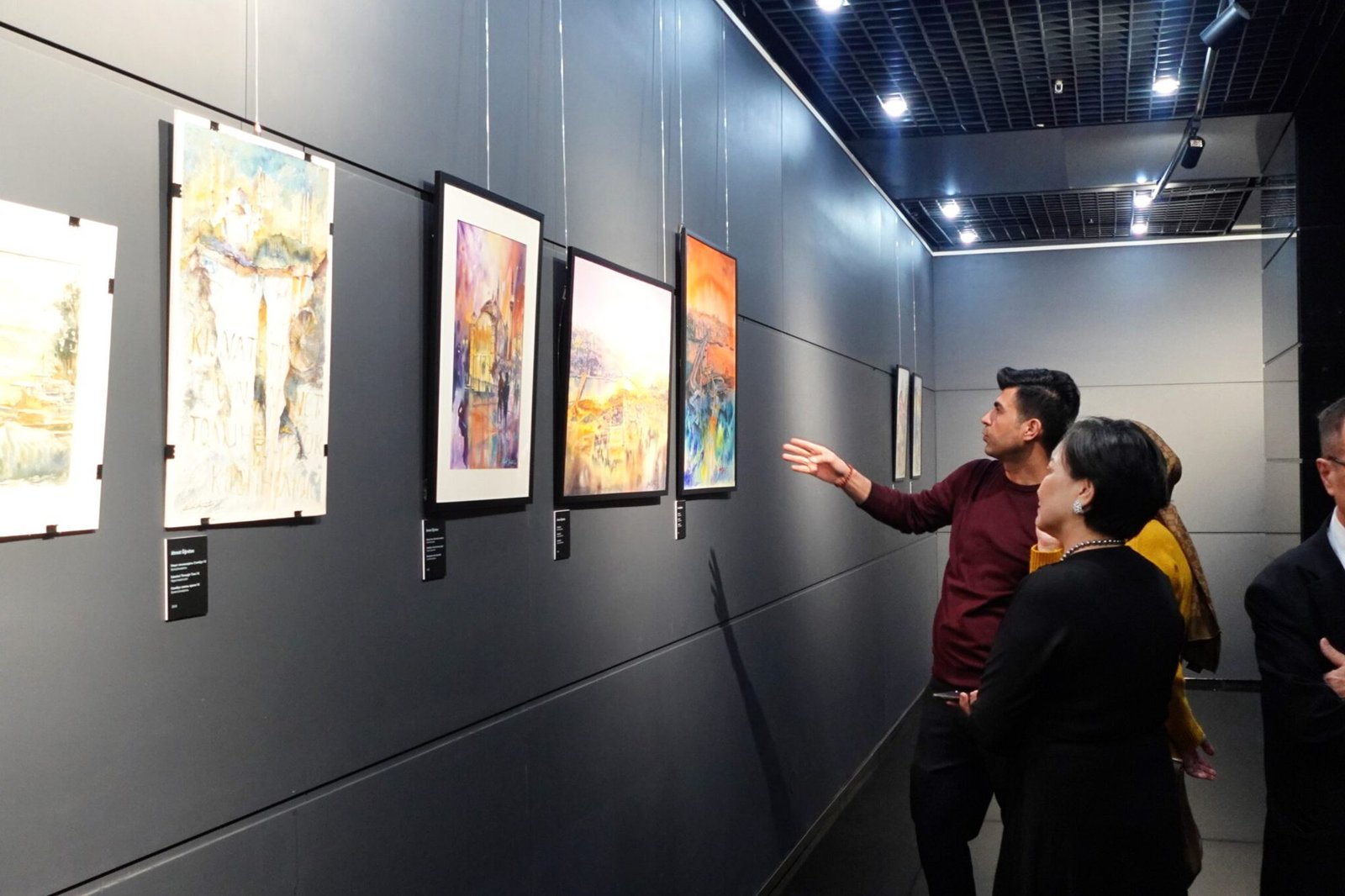
This respect is reflected in his work through balanced compositions and a restrained colour palette. Earth tones dominate the steppe scenes, while cooler blues and greys capture the essence of water and sky. Together, they create a sense of equilibrium—an artistic representation of the harmony that defined early Turkic life.
Water as a Cultural Bridge
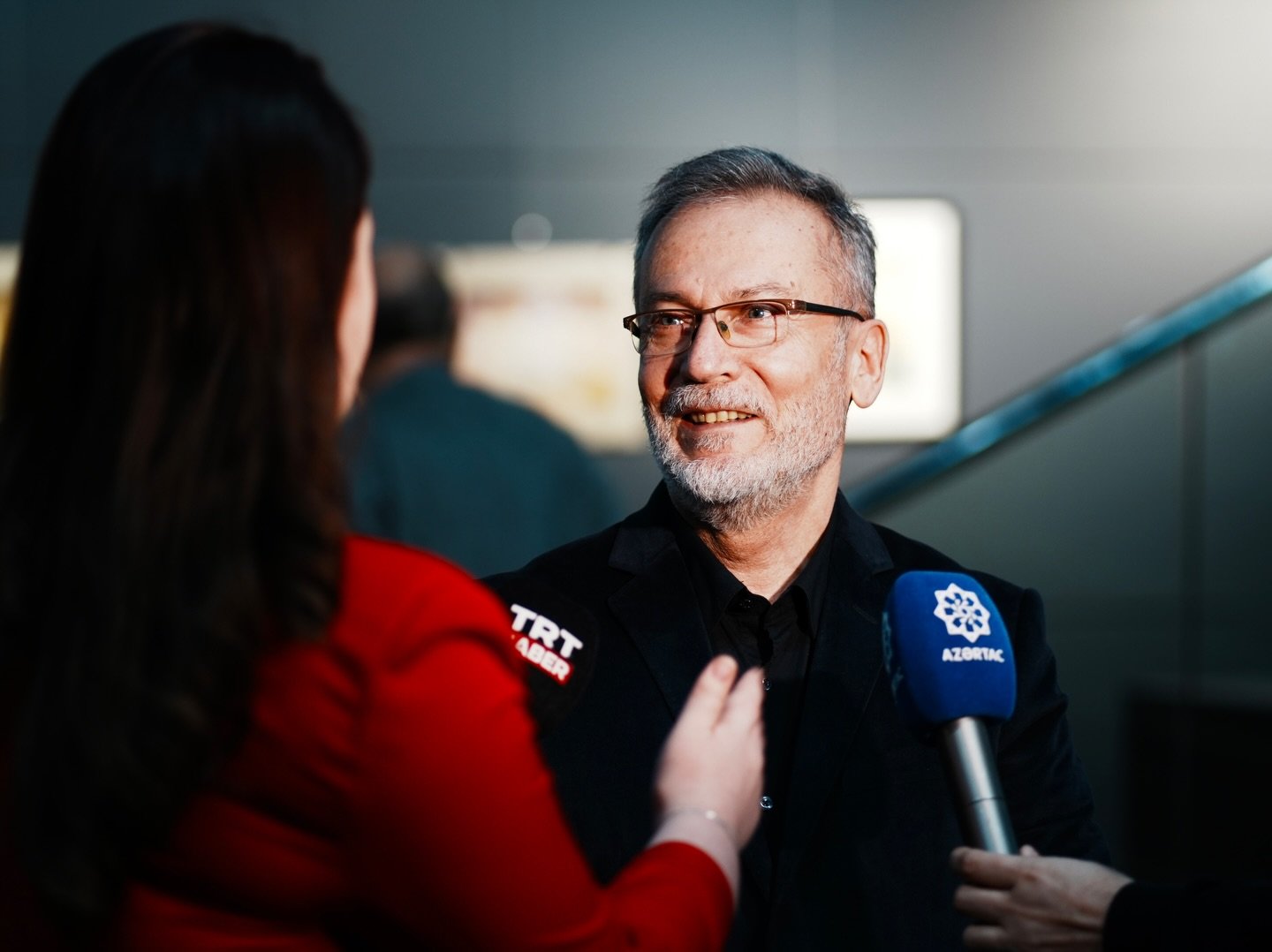
At the heart of the exhibition lies the metaphor of water. For Öğreten, water is not merely a physical element but a philosophical concept. It represents continuity, adaptability, and connection. “When we think of water,” the artist explained during the opening ceremony, “we might imagine the flow of the Bosphorus, the silence of the great steppe, or the aesthetics of Seljuk and Ottoman art. Water does not create distance between cultures. It brings them closer.” This idea challenges the conventional notion of borders as dividing lines. Instead, Öğreten suggests that natural elements like water can serve as unifying forces. His paintings often depict water in subtle ways—reflections in a stream, the suggestion of a river, or the vast openness of a horizon where sky and land seem to merge. These elements act as visual connectors, guiding the viewer’s eye and reinforcing the theme of continuity.

A Diplomatic and Cultural Dialogue
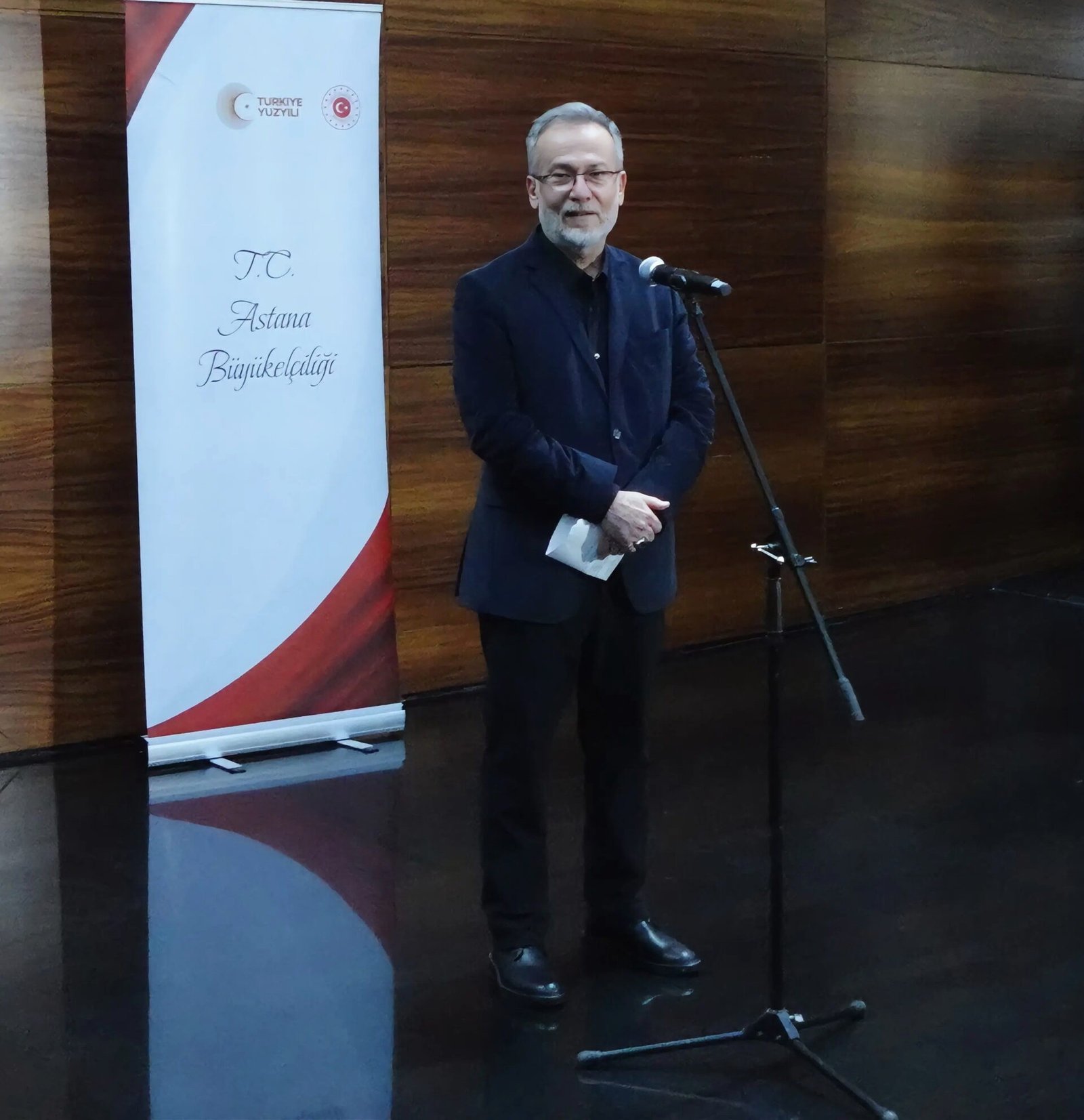
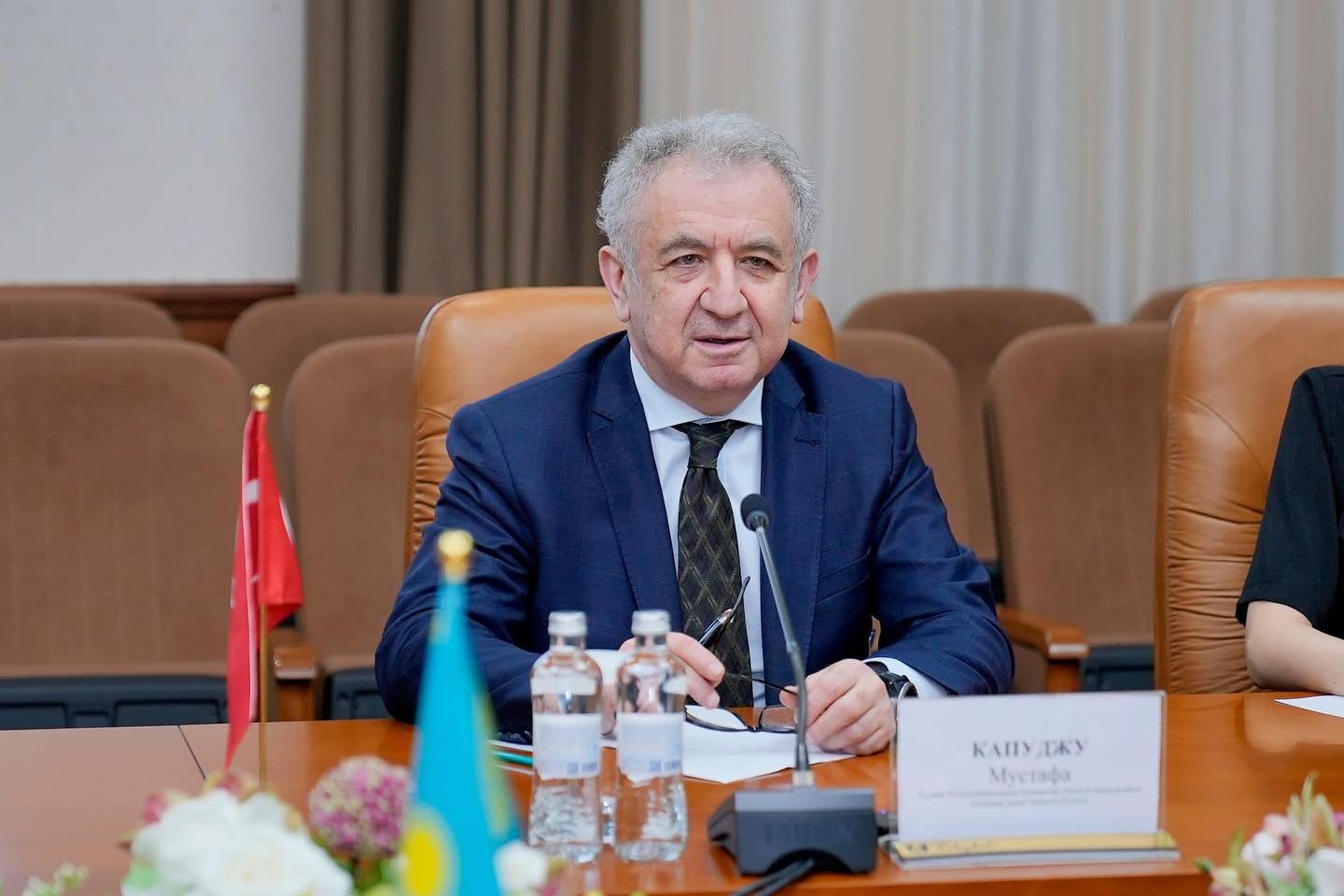
The exhibition also carries a strong diplomatic dimension. Speaking at the event, Türkiye’s Ambassador to Kazakhstan, Mustafa Kapucu, highlighted the historical significance of the project. He described the exhibition as a visual narrative of migration and cultural exchange, emphasizing the deep-rooted connections between Anatolia and Central Asia. “This land is the homeland of our ancestors,” Kapucu noted. “Through this exhibition, we convey that message visually. It tells the story of how our journey began and how we arrived at the Bosphorus.” In this sense, the exhibition becomes more than an artistic endeavor—it serves as a platform for cultural dialogue. It reinforces shared heritage while fostering mutual understanding between contemporary nations. By presenting history through art, it makes complex narratives accessible and emotionally resonant.
The Role of Kulanshi Art Group
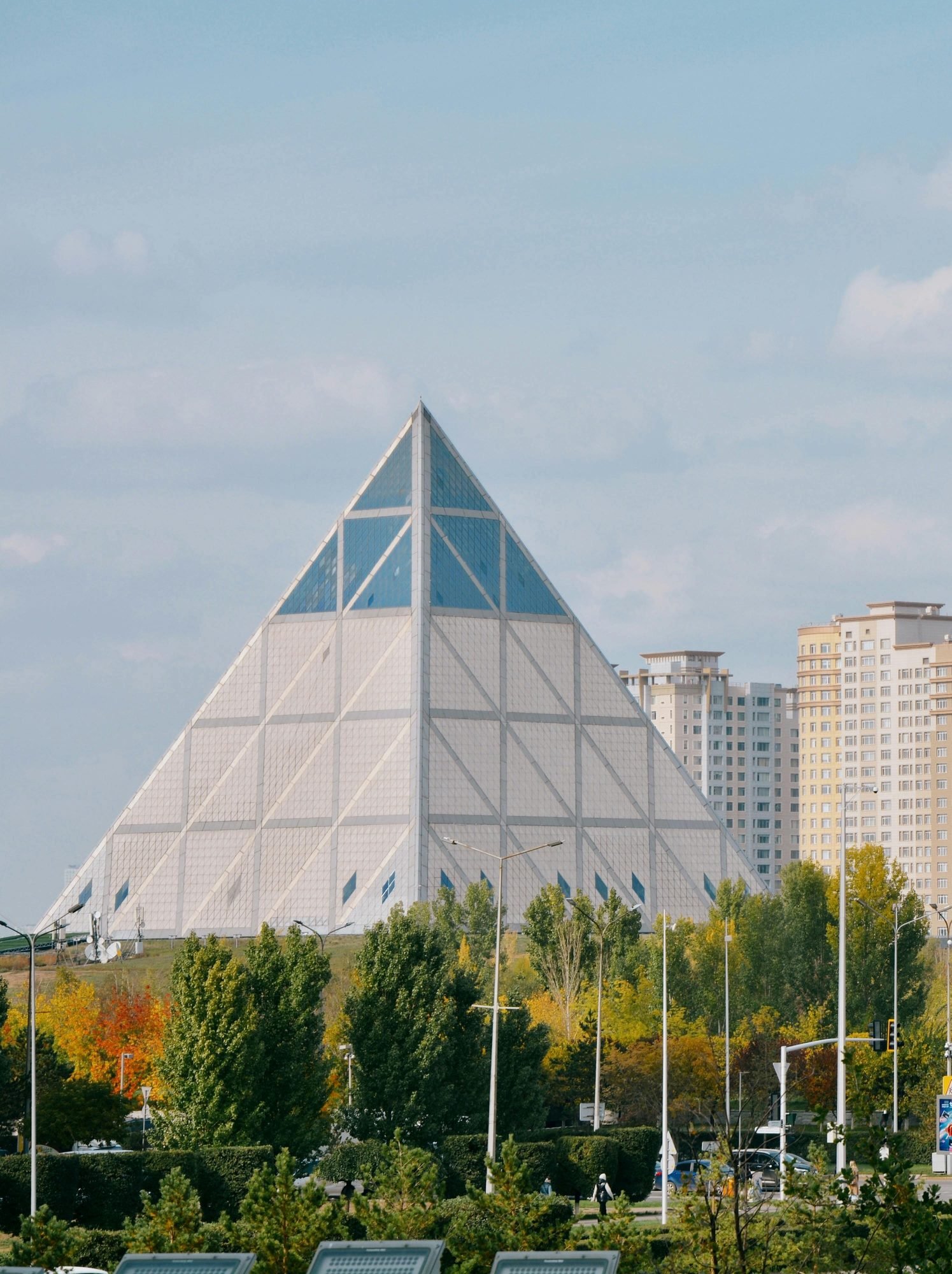
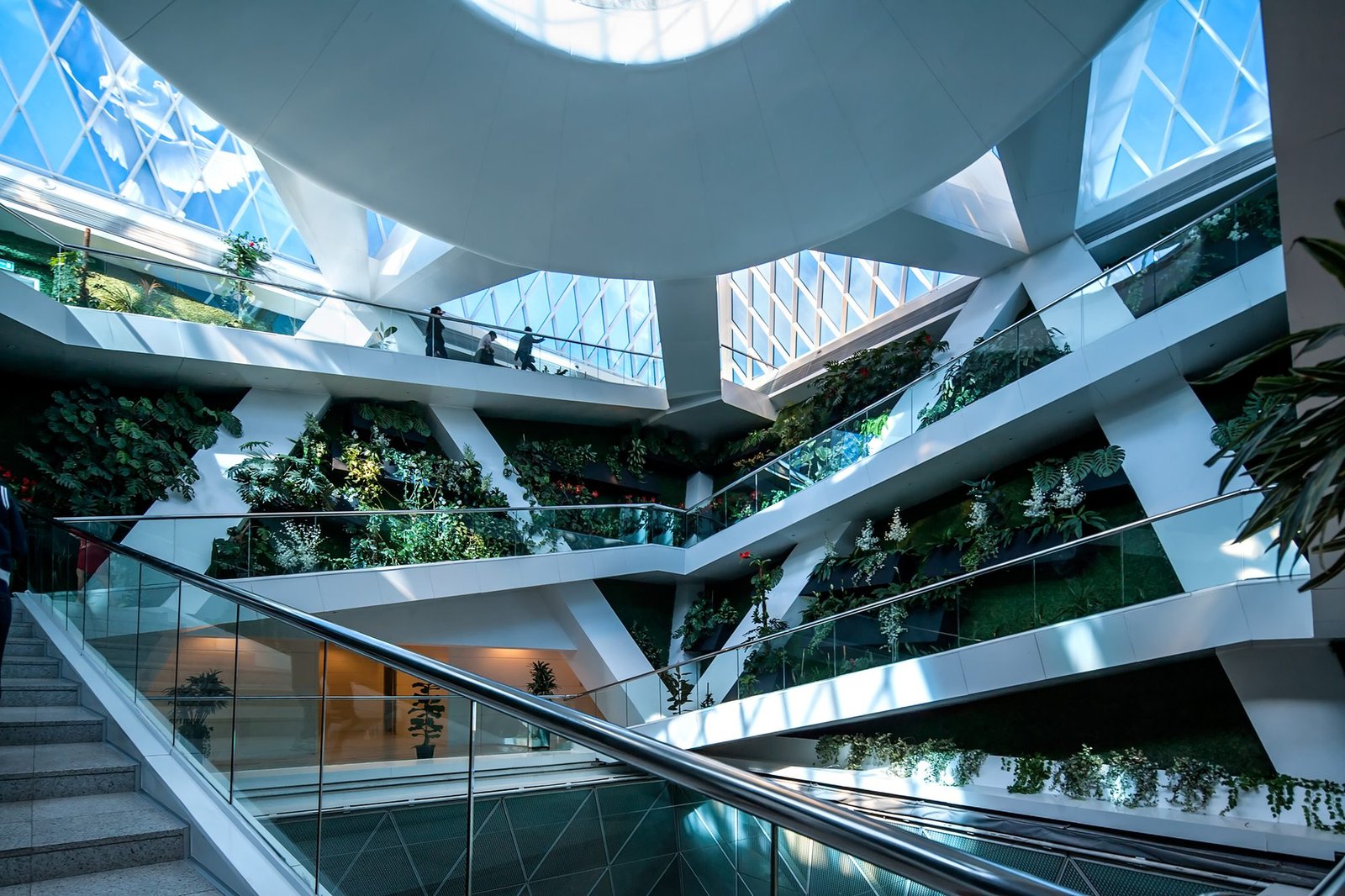
The Kulanshi Art Group, known for its efforts to promote international artistic collaboration, played a crucial role in bringing the exhibition to life. Their partnership with the Embassy of Türkiye underscores the importance of cross-cultural initiatives in today’s interconnected world. By hosting the exhibition in Astana, a city that itself symbolizes modern Kazakhstan’s blend of tradition and innovation, the organizers created a fitting backdrop for Öğreten’s work. The Palace of Peace and Reconciliation, with its iconic pyramid structure, further enhances the exhibition’s themes of unity and dialogue.
Art as a Living Memory
One of the most compelling aspects of Öğreten’s exhibition is its ability to transform history into a living experience. Rather than presenting the past as something distant or static, his work invites viewers to engage with it on a personal level. The fluidity of watercolour mirrors the fluidity of memory—both are subject to change, reinterpretation, and renewal. In this way, the exhibition suggests that cultural identity is not fixed but constantly evolving, shaped by both history and present experience. Visitors are encouraged to reflect on their own connections to the themes presented. Whether through shared ancestry, cultural curiosity, or a simple appreciation of art, the exhibition creates a space for introspection and dialogue.
In an era where divisions often dominate global discourse, “Following the Water: From the Bosphorus to the Great Steppe” offers a refreshing perspective. It reminds us that beneath differences lie common origins and shared stories. By tracing the journey of Turkic peoples through the lens of water, Ahmet Öğreten provides a poetic reinterpretation of history. His work highlights the enduring connections between Central Asia and Anatolia, encouraging viewers to see these regions not as separate entities but as parts of a larger, interconnected whole. Running through March 12, the exhibition gives visitors ample opportunity to immerse themselves in this unique artistic narrative. It stands as a testament to the power of art to transcend boundaries and bring people together.
Ahmet Öğreten’s work does more than depict landscapes—it tells a story of movement, memory, and unity. Through the gentle flow of watercolour, he captures the essence of a shared heritage that continues to shape identities today. In doing so, he reminds us that, like water, culture is always in motion—flowing, connecting, and enduring across time.
More to Read
All issues
Chopard Brings the Brilliance of L’Heure du Diamant to Kazakhstan
Swiss luxury Maison Chopard is bringing the artistry of high jewellery and fine watchmaking into focus in Kazakhstan with the presentation of its celebrated L’Heure du…

Samsung Unveils Next-Generation AI Television Lineup in Kazakhstan
Samsung Electronics is strengthening its television portfolio in Kazakhstan with its new generation of AI-powered displays, bringing intelligent viewing technologies to…

Beauty Served with Taste — Dragonfly Izakaya & Paula’s Choice Bring Gastronomy & Skincare Together
The boundaries between gastronomy, beauty and lifestyle are becoming increasingly fluid, giving rise to collaborations that transform familiar experiences into something…