

From Steppe to Runway: Kazakhstan’s Fashion Renaissance
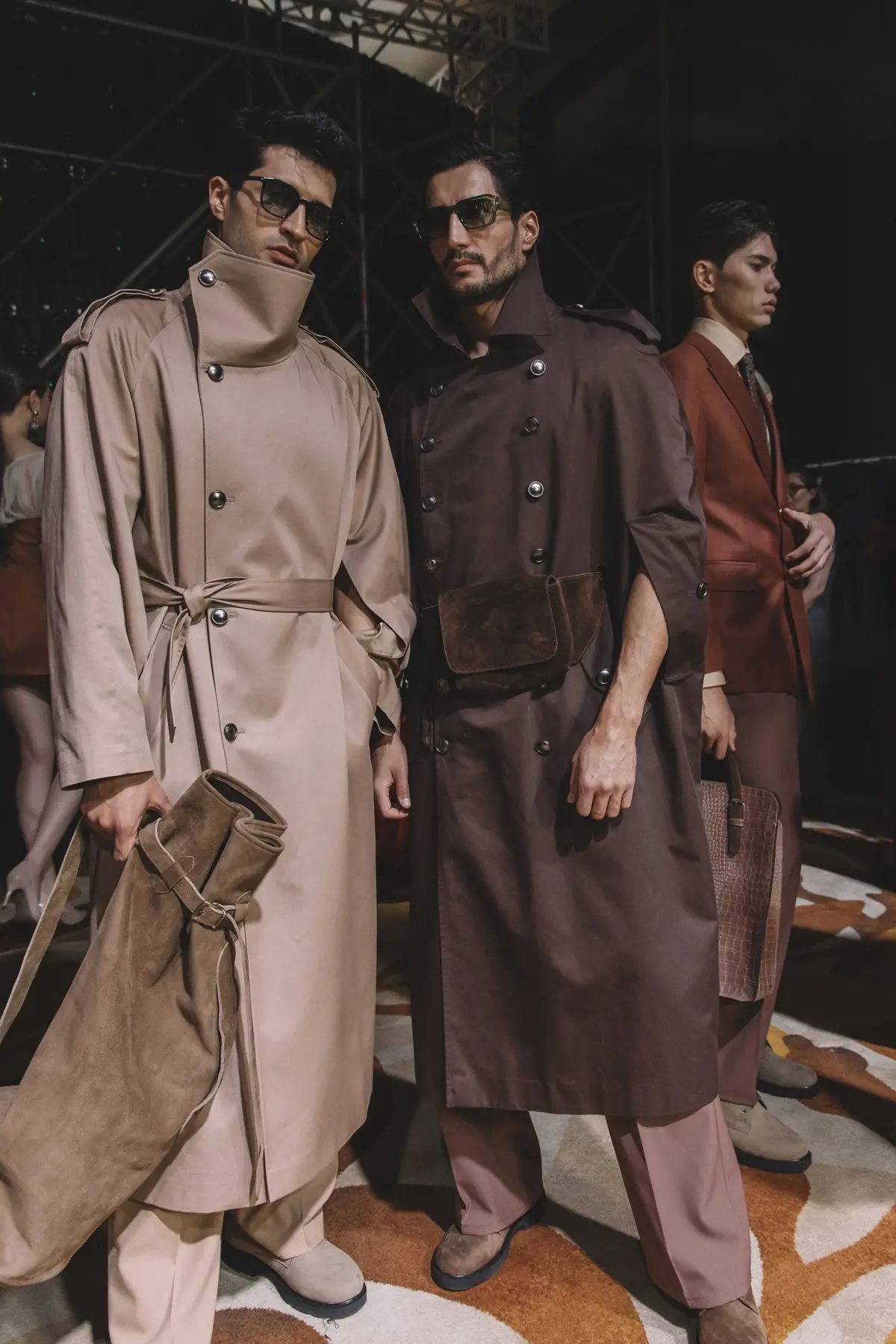
While Paris, Milan, and New York continue to dominate the global fashion conversation, a powerful and distinctive voice is emerging from Central Asia. Visa Fashion Week Almaty has grown into a leading regional platform—one that not only showcases fashion, but also articulates cultural identity, craftsmanship, and contemporary vision through design. Held at the Ritz-Carlton Hotel in Almaty, the twelfth edition of Visa Fashion Week Almaty welcomed 18 fashion brands from Kazakhstan, Uzbekistan, Armenia, the United Arab Emirates, and Mongolia. Presenting Spring/Summer 2026 collections, the event reaffirmed its status as the central fashion event of Central Asia, bringing together established designers and emerging talents under one influential roof.
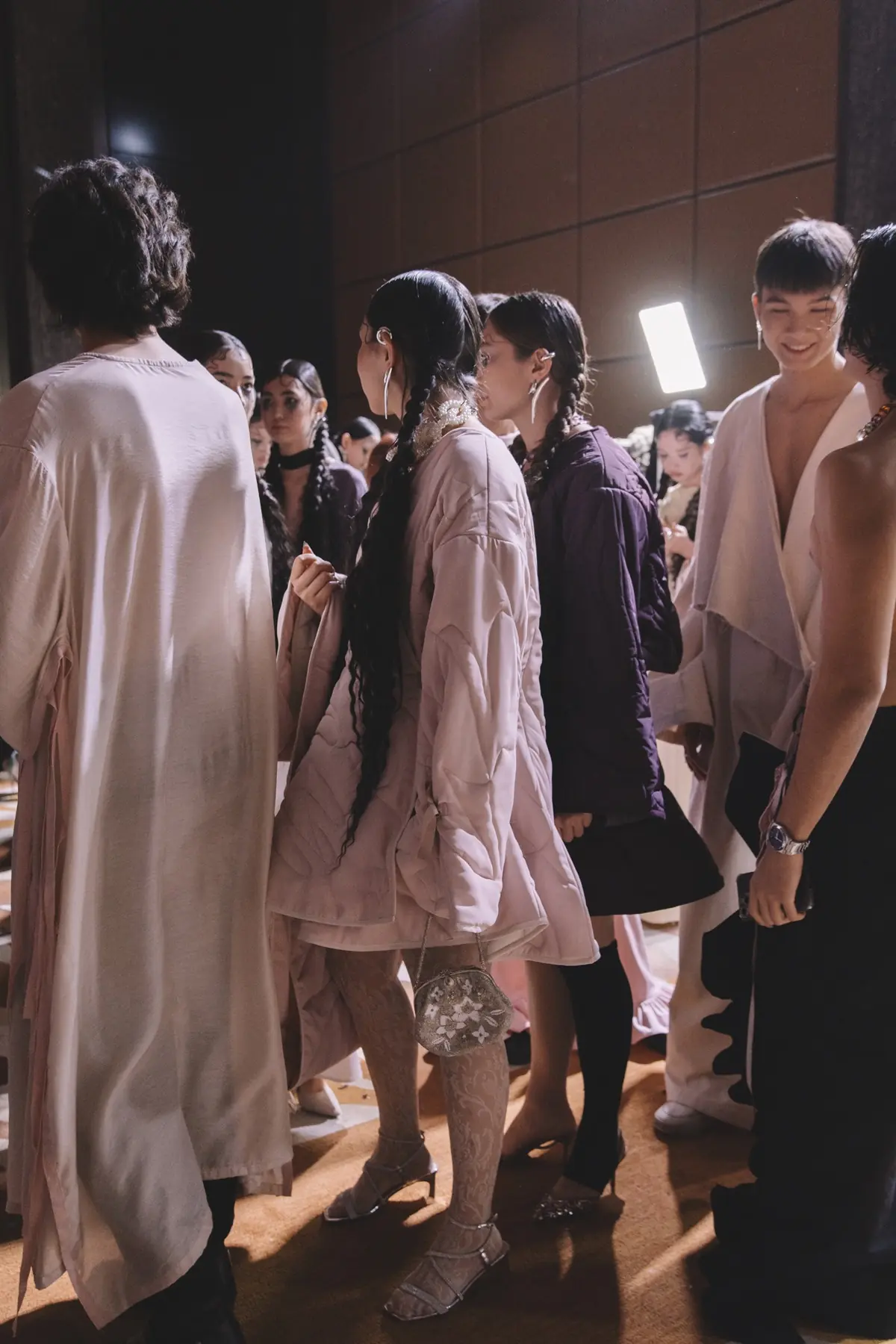
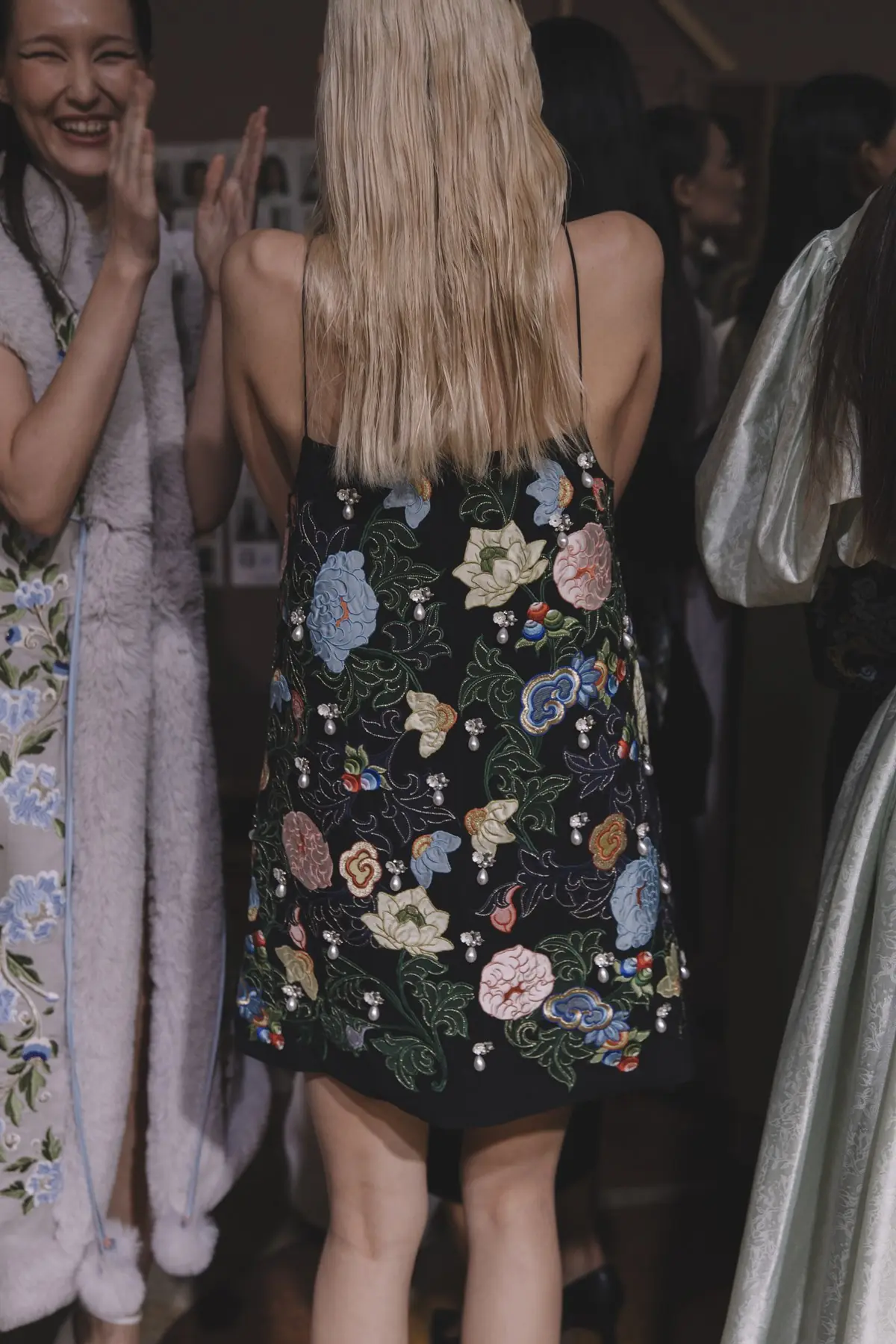
Beyond the runway, the platform continues to expand its mission—hosting masterclasses, public talks, and educational initiatives that nurture dialogue between tradition and innovation. According to Bauyrzhan Shadibekov, CEO and Producer of Visa Fashion Week Almaty, the contrast between experienced designers and new voices creates the depth that defines the project’s success. This intersection of perspectives allows fashion to evolve not only as an aesthetic pursuit, but as a cultural narrative. Captured through the lens of Berlin-based photographer Tonya Matyu, the backstage moments and runway highlights offered a closer look at the craftsmanship, emotion, and vision shaping today’s Central Asian fashion landscape.
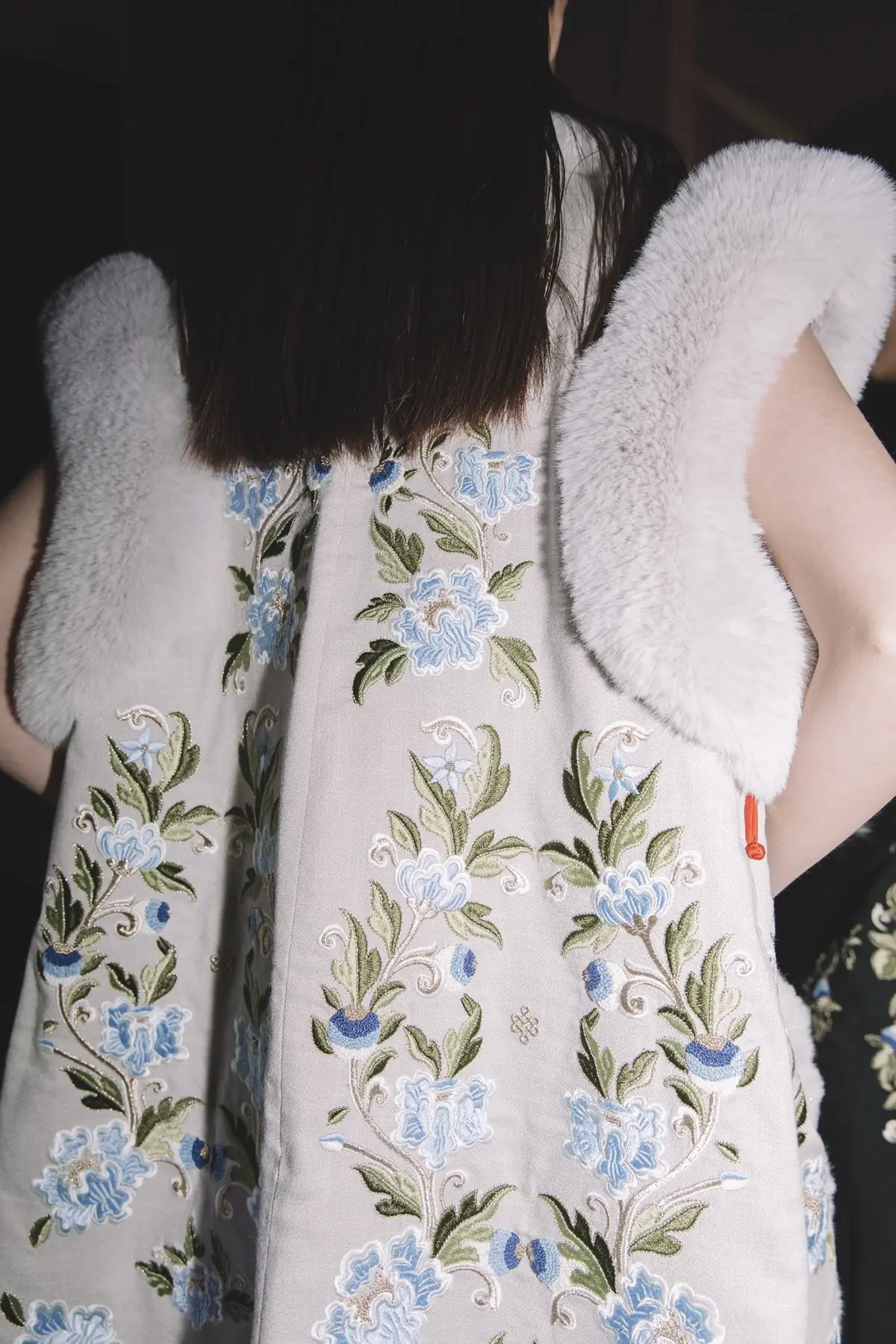
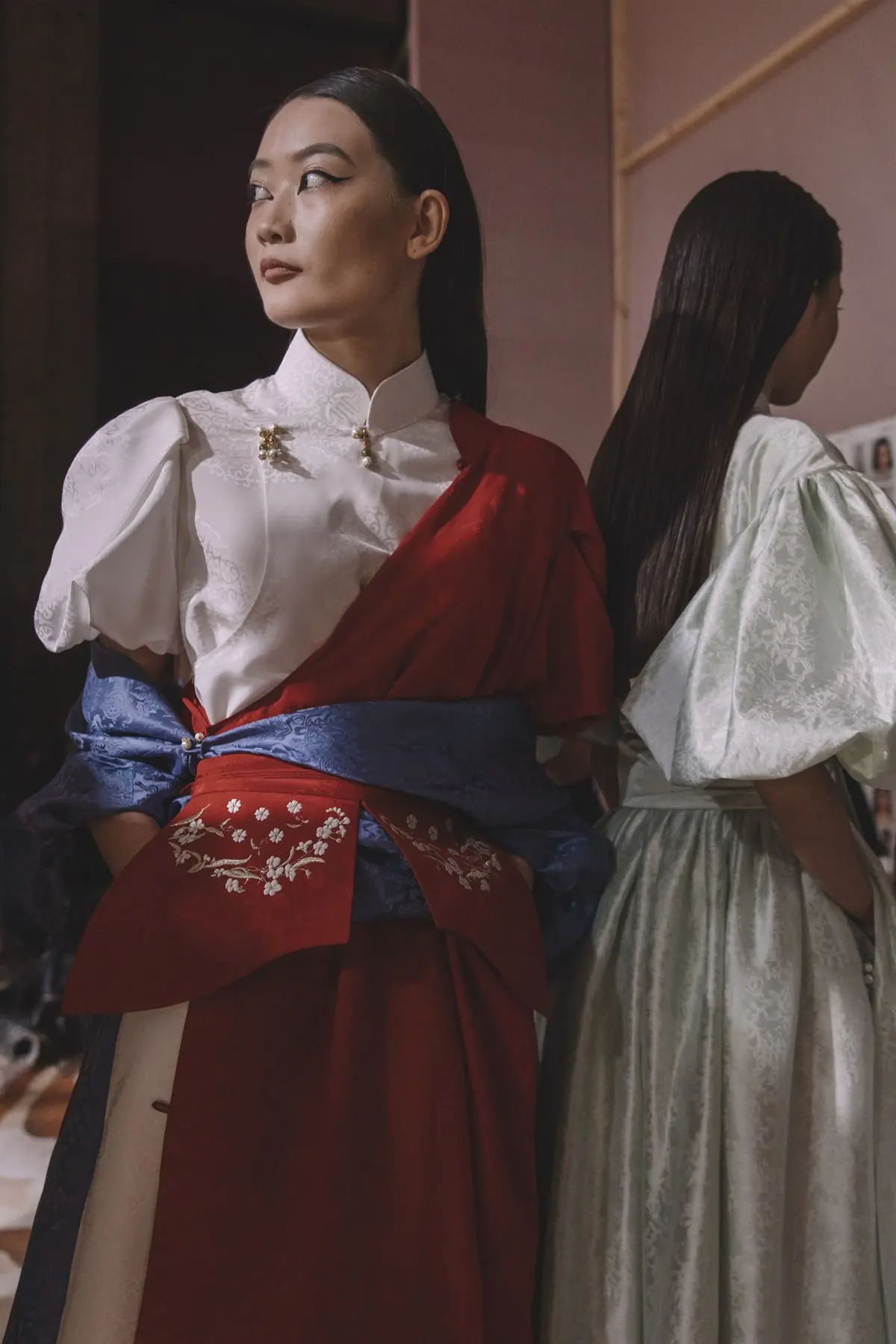
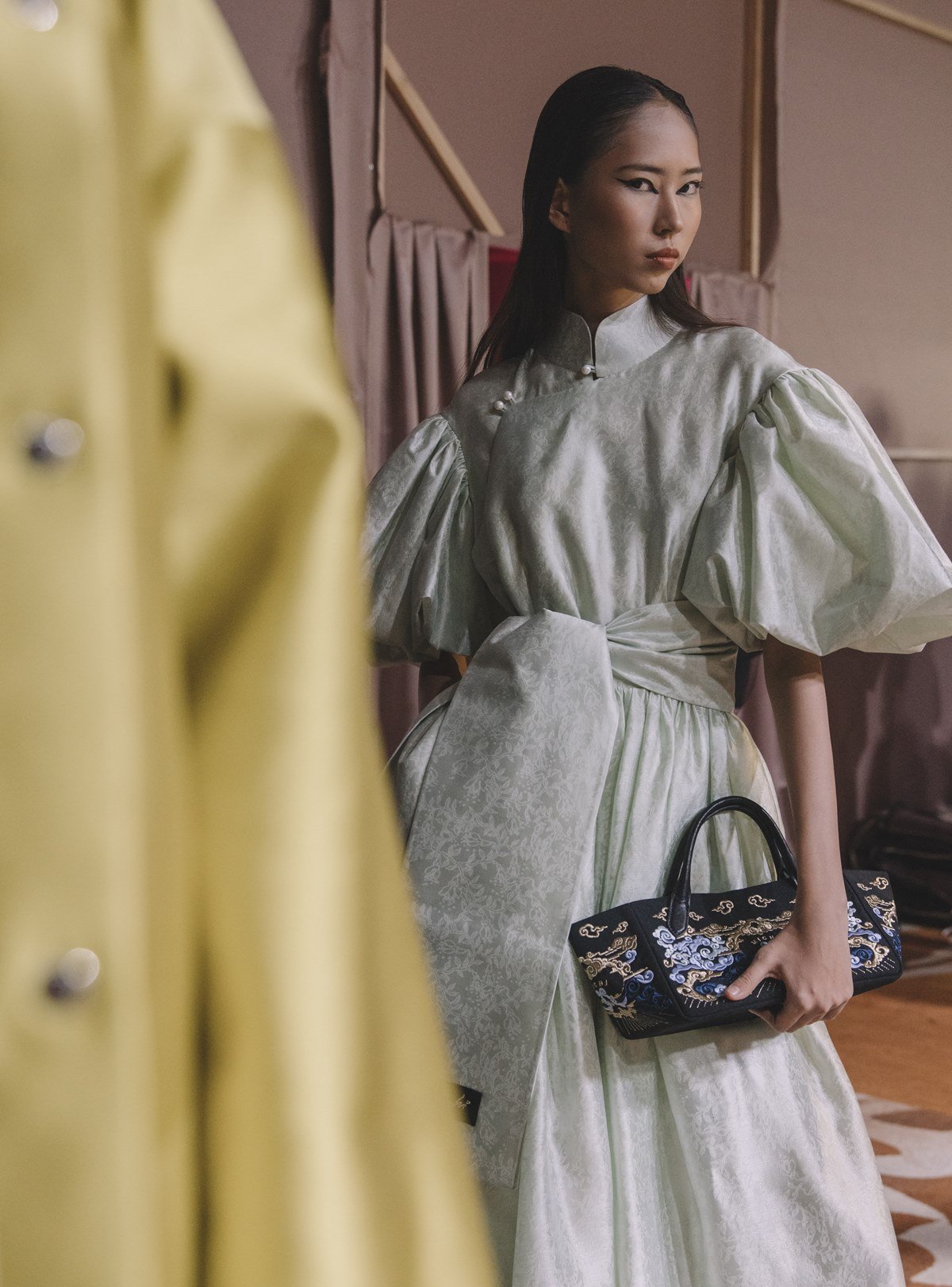
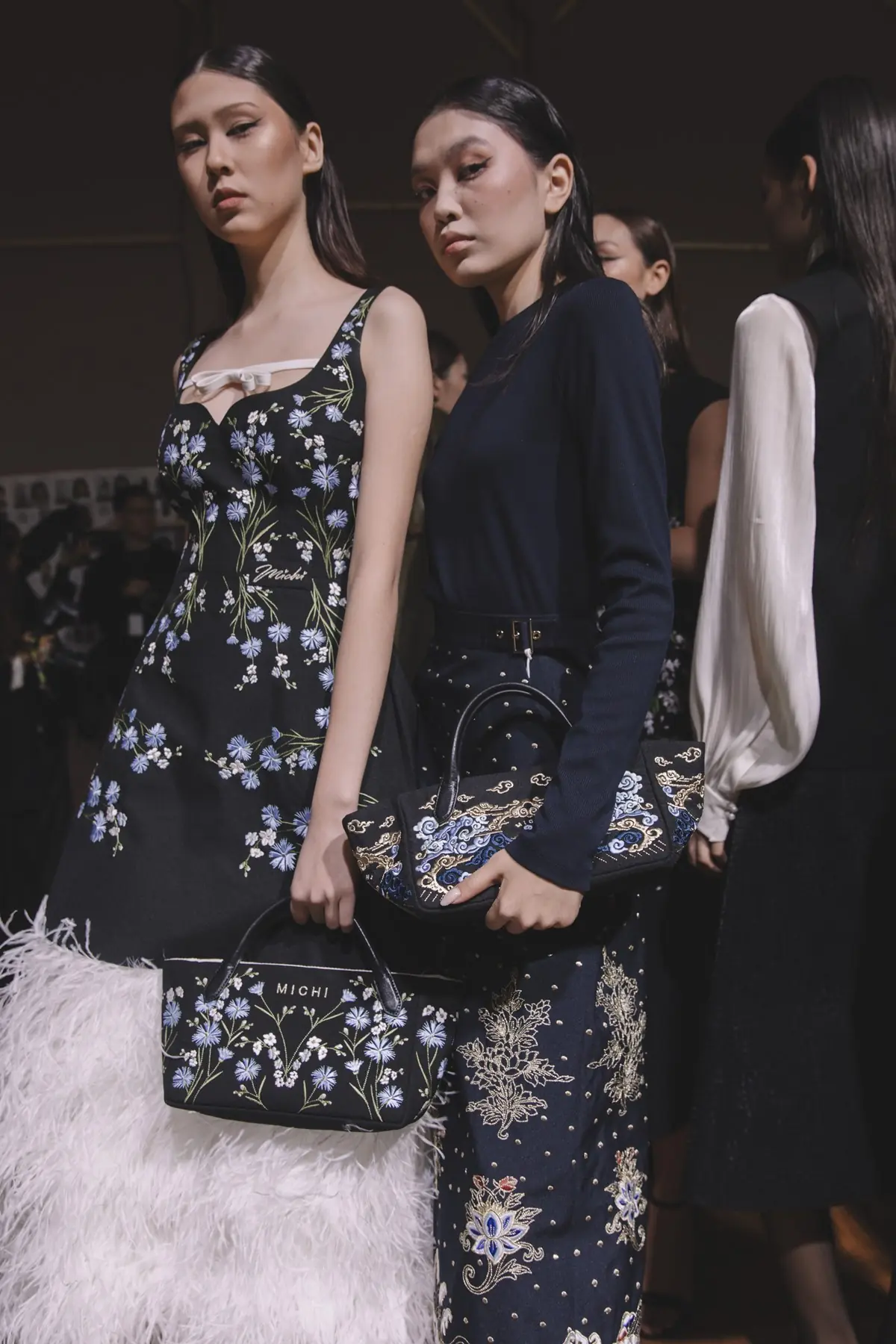
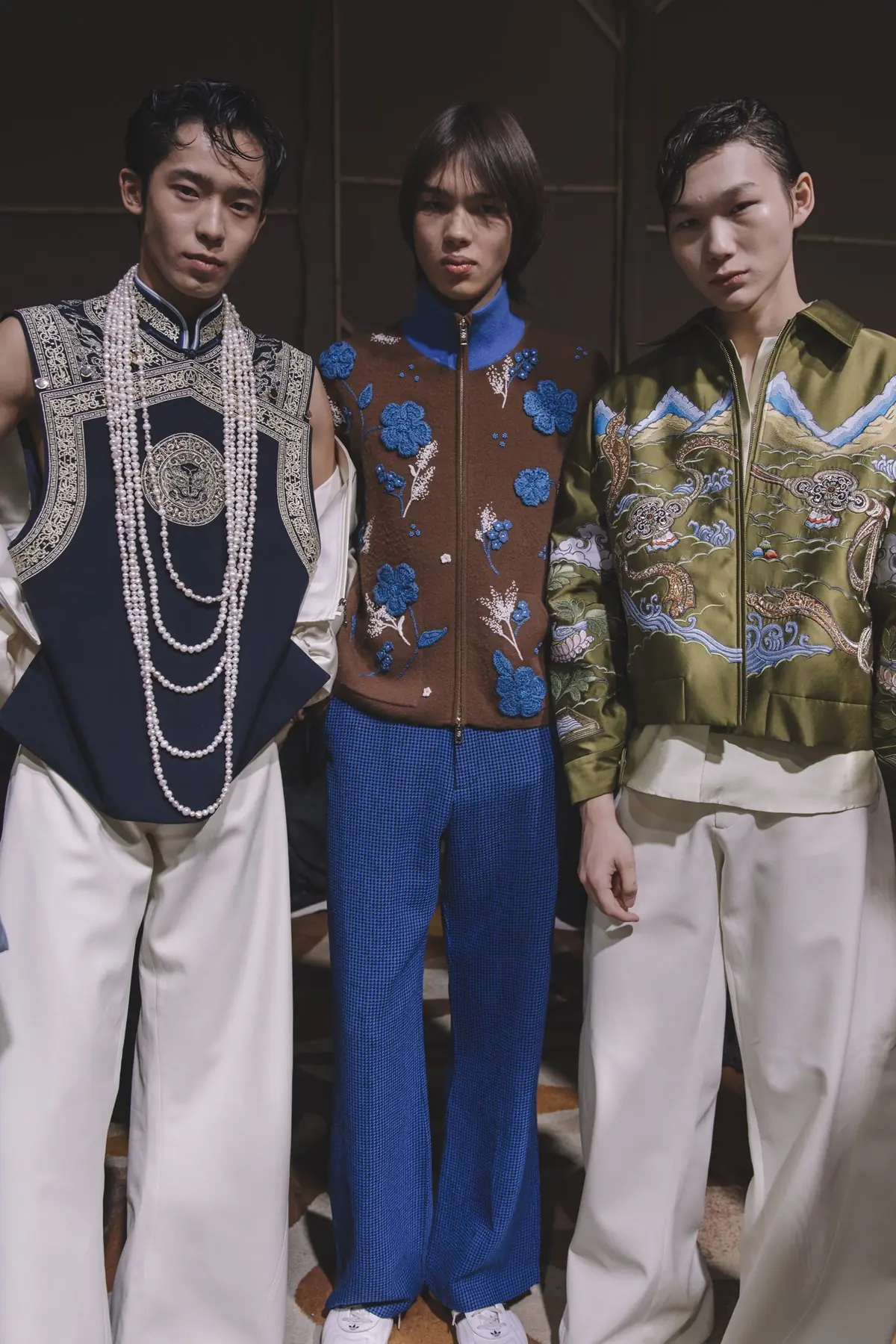
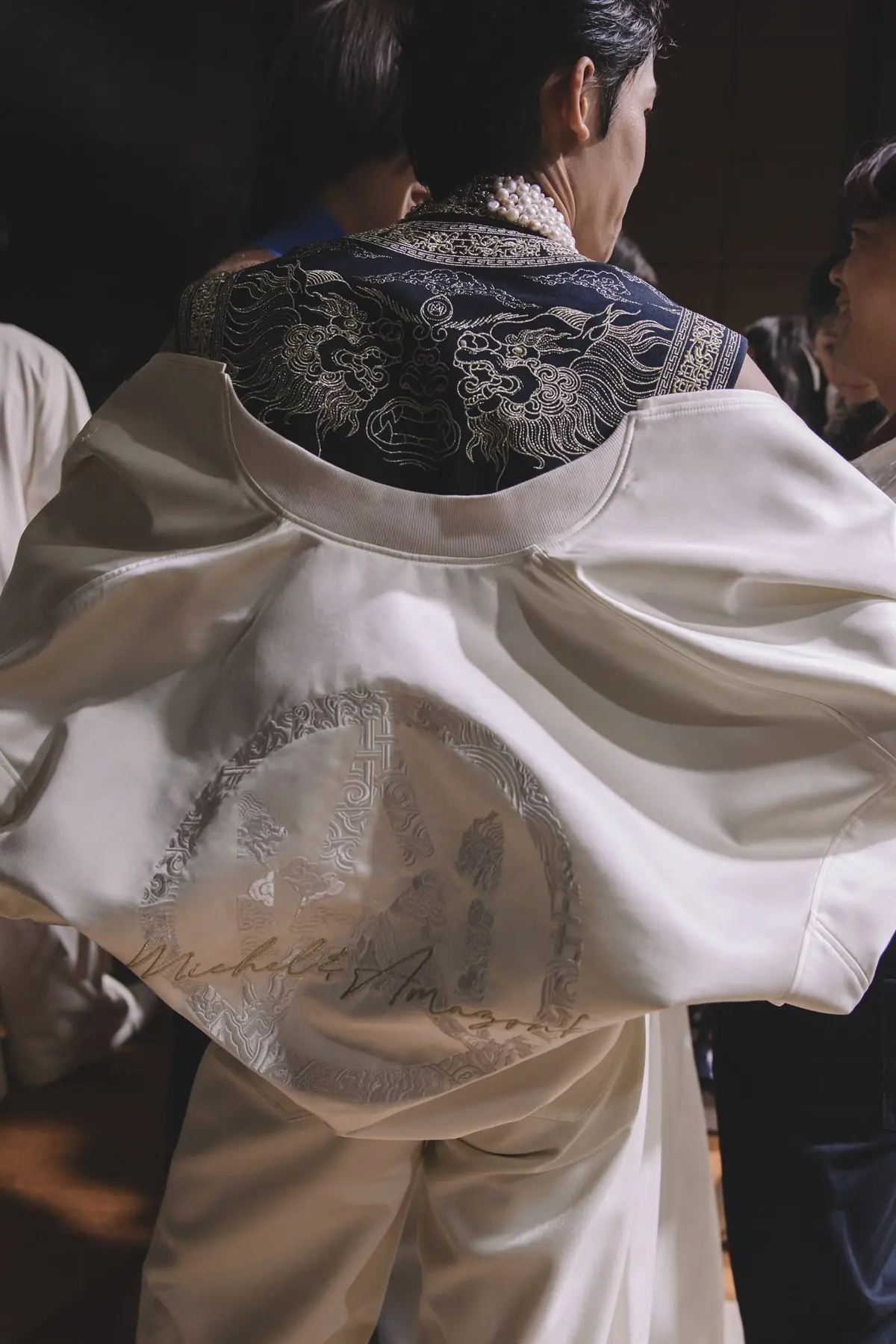
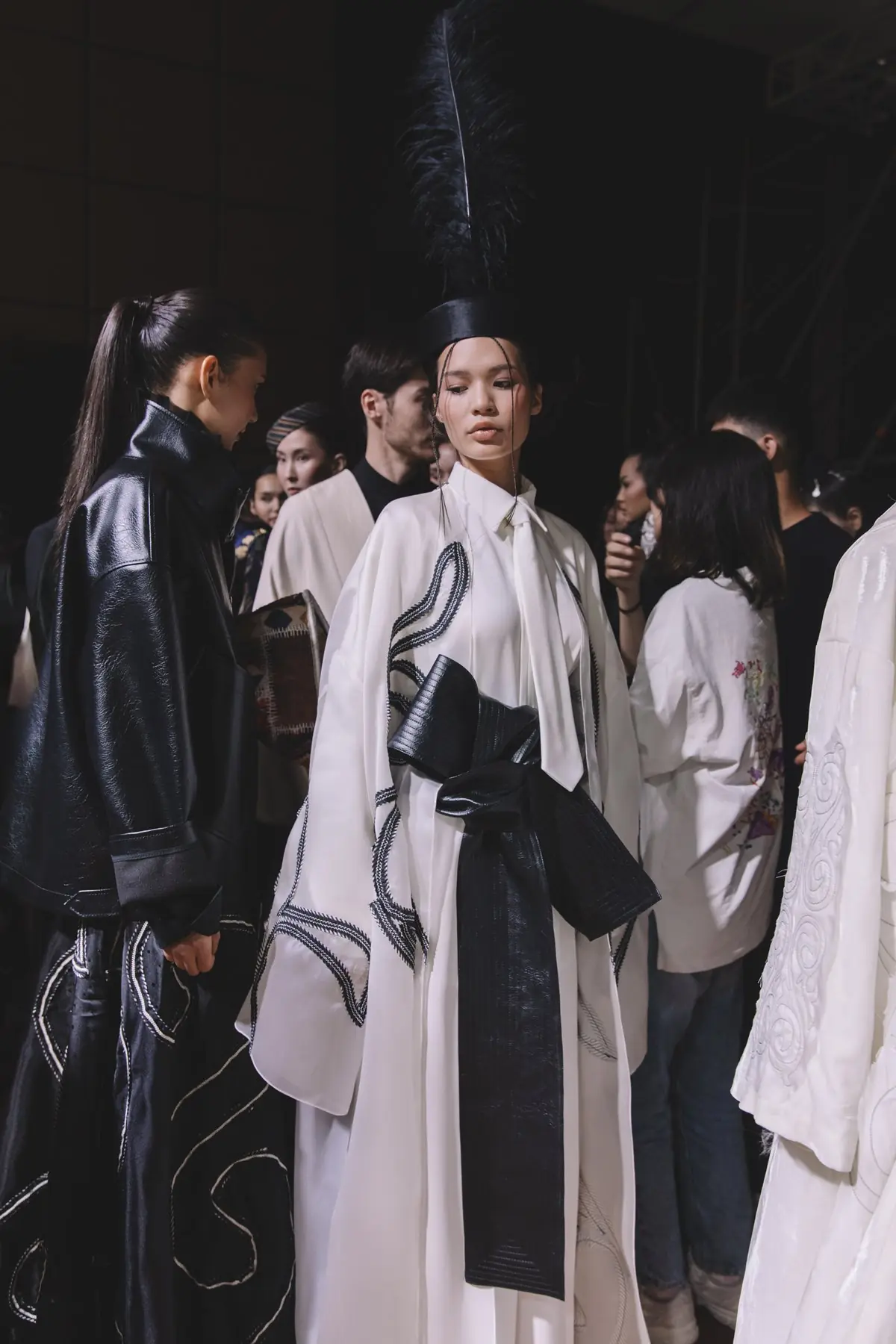
Michel & Amazonka: Prêt-à-Couture Rooted in Mongolian Heritage
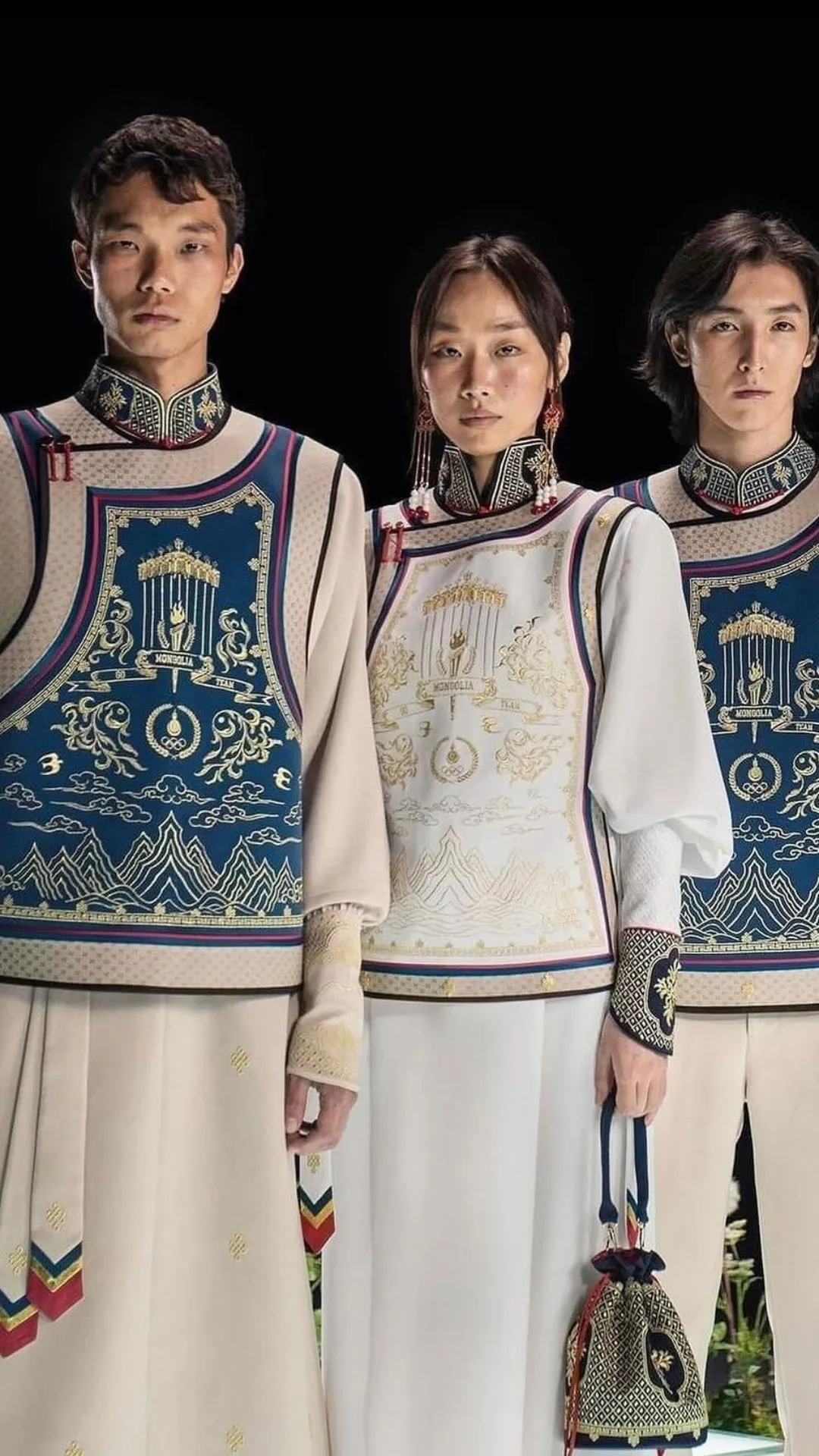
The Mongolian fashion house Michel & Amazonka delivered one of the most anticipated presentations of the week. Renowned internationally for designing Mongolia’s uniforms for the Paris 2024 Olympic Games, the design duo brought extraordinary handcraft and precision tailoring to Almaty for their first-ever presentation in Kazakhstan. The collection featured 24 meticulously crafted looks, distinguished by sculptural silhouettes, golden embroidery, and painstaking handwork. Feather-trimmed gowns, embroidered coats, and tailored garments demonstrated a mastery of technique rarely seen at this scale. While deeply inspired by Mongolian symbolism, the designers consciously avoid categorizing their work as ethnic fashion. Instead, they describe their aesthetic as prêt-à-couture—a refined balance between contemporary design and cultural heritage. Using locally sourced wool and cashmere, Michel & Amazonka transform traditional craftsmanship into garments that feel timeless, universal, and profoundly modern. Their work stands as a testament to patience, devotion, and the enduring power of artisanal fashion.
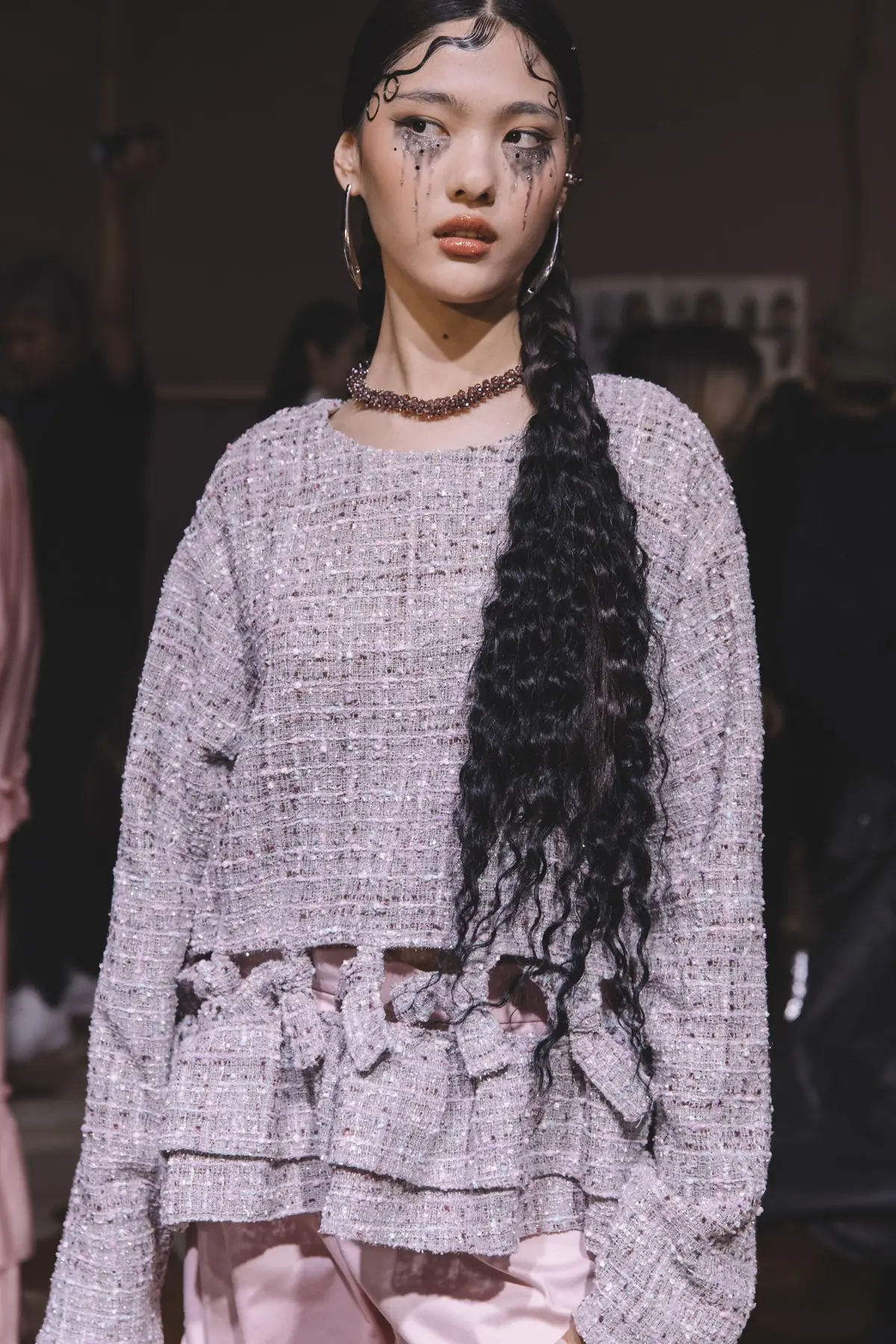
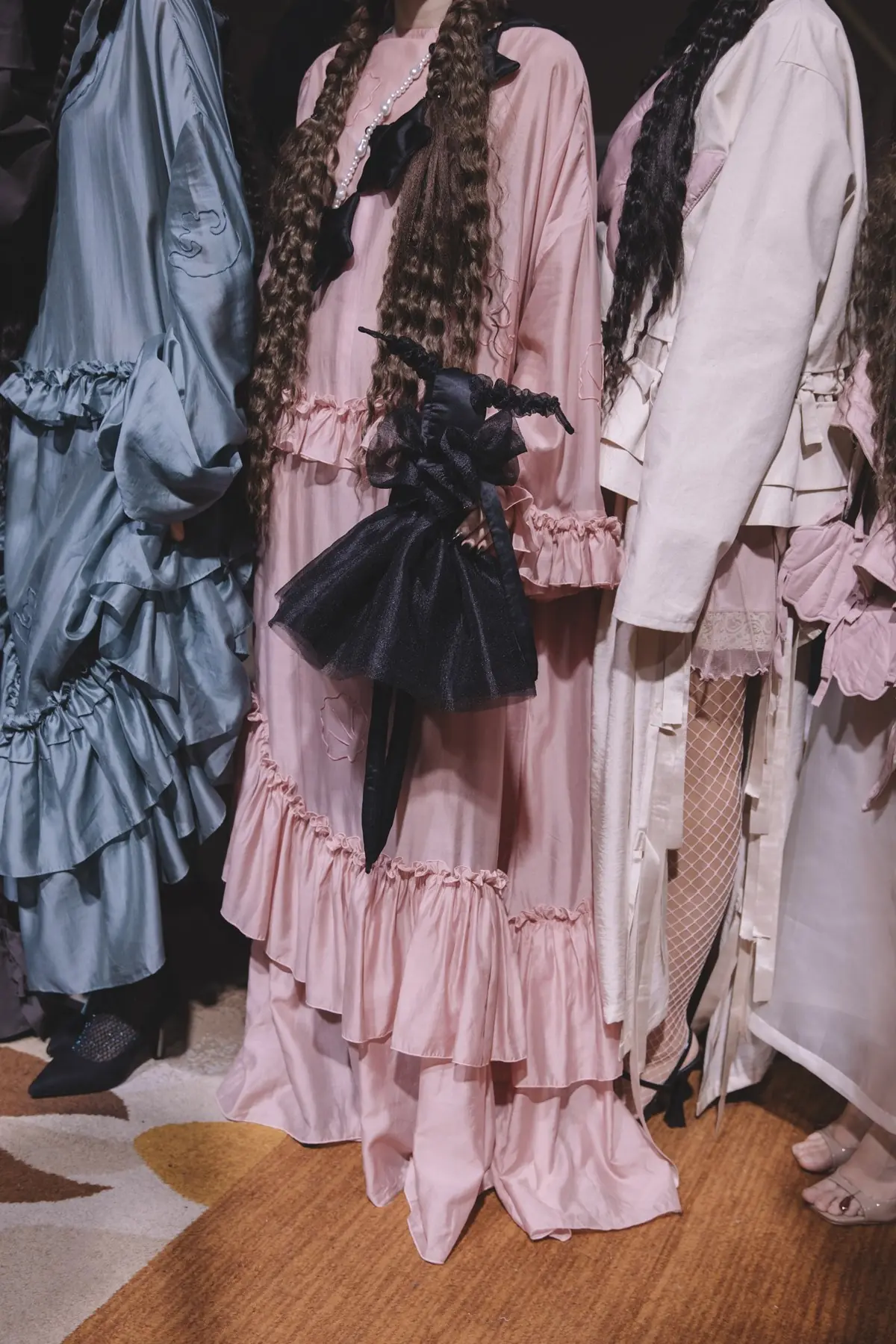
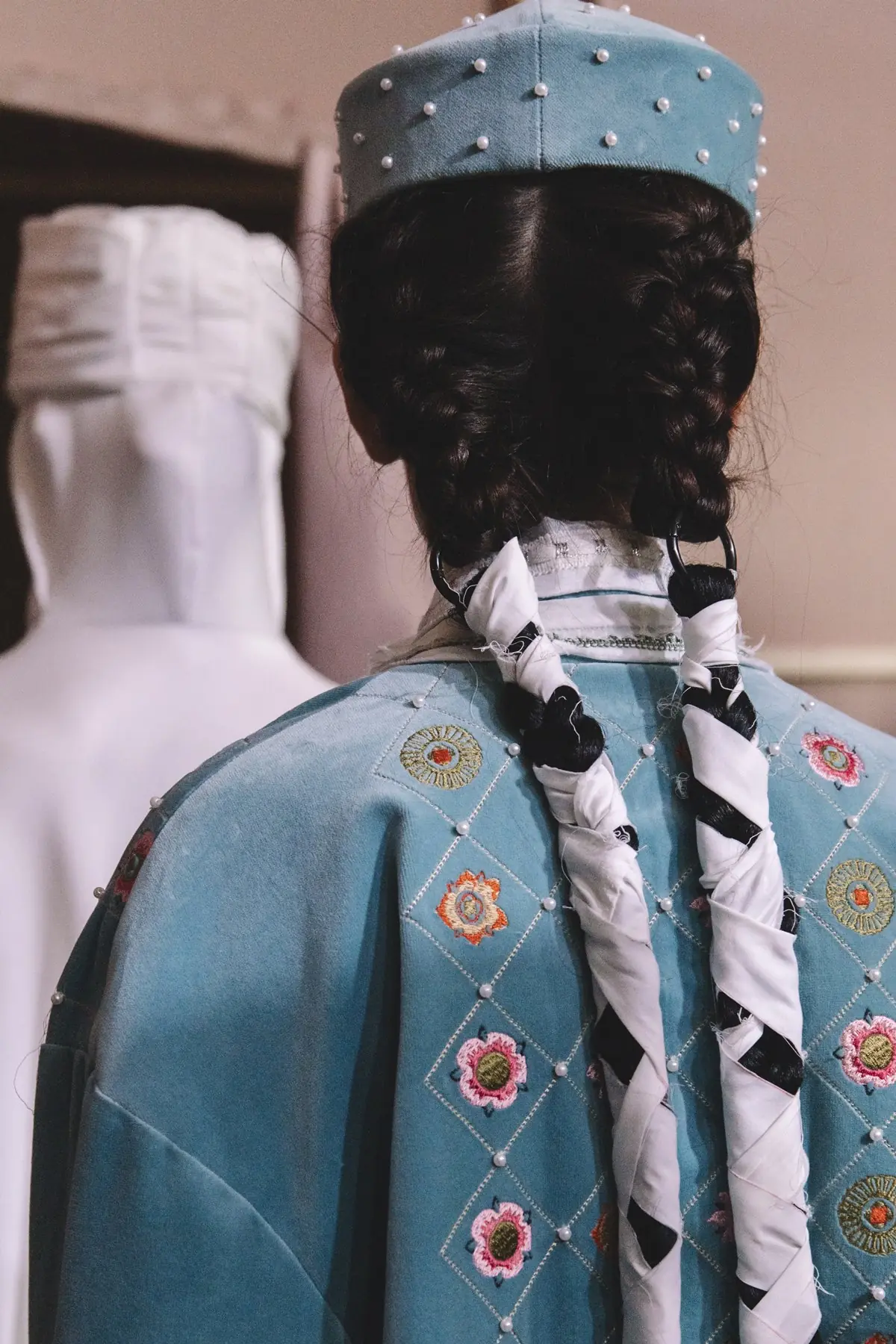
Zhalt Zhult: Reclaiming Feminine Heritage Through Design
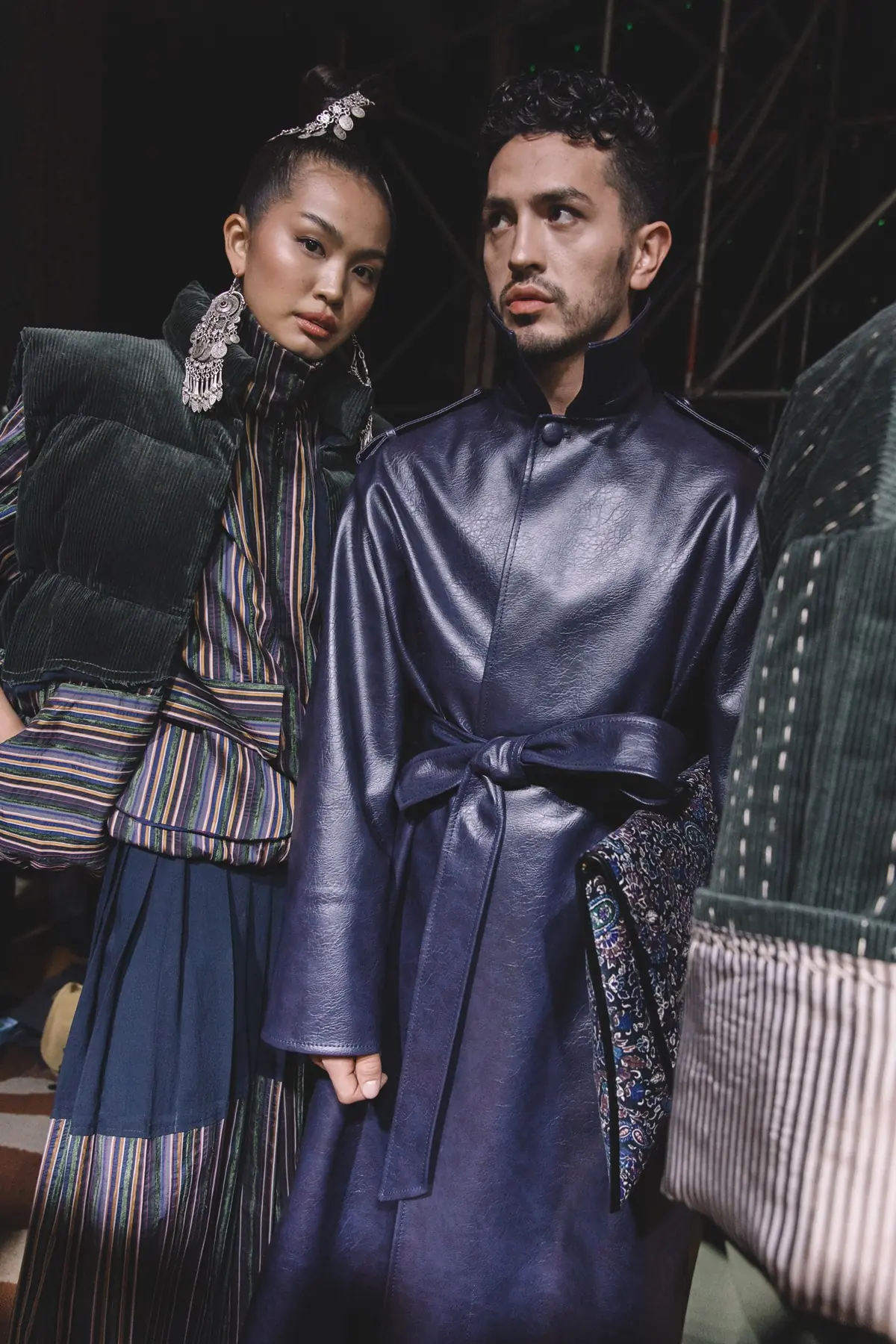
Among the most emotionally resonant presentations was Zhalt Zhult, led by designer Tomiris Kupzhassarova, winner of the Next Designer Award. Her debut collection, Bailiau. A New Kazakh Rite of Female Initiation, unfolded as both a fashion show and a cultural performance. Rooted in Kazakh tradition, bailiau refers to ancient women’s rituals of binding and protection, often expressed through hair braiding and amulet-making. The collection explores themes of lineage, memory, and inner strength, addressing the absence of female names in traditional Kazakh genealogies (shezhire). Through layered silhouettes, symbolic detailing, and tactile materials, Zhalt Zhult presents fashion as a form of storytelling—one that reconnects contemporary women with generational wisdom. The collection balances vulnerability and resilience, transforming garments into both ritual objects and modern armor.
Azamat Somatov: Contemporary Menswear with Timeless Precision
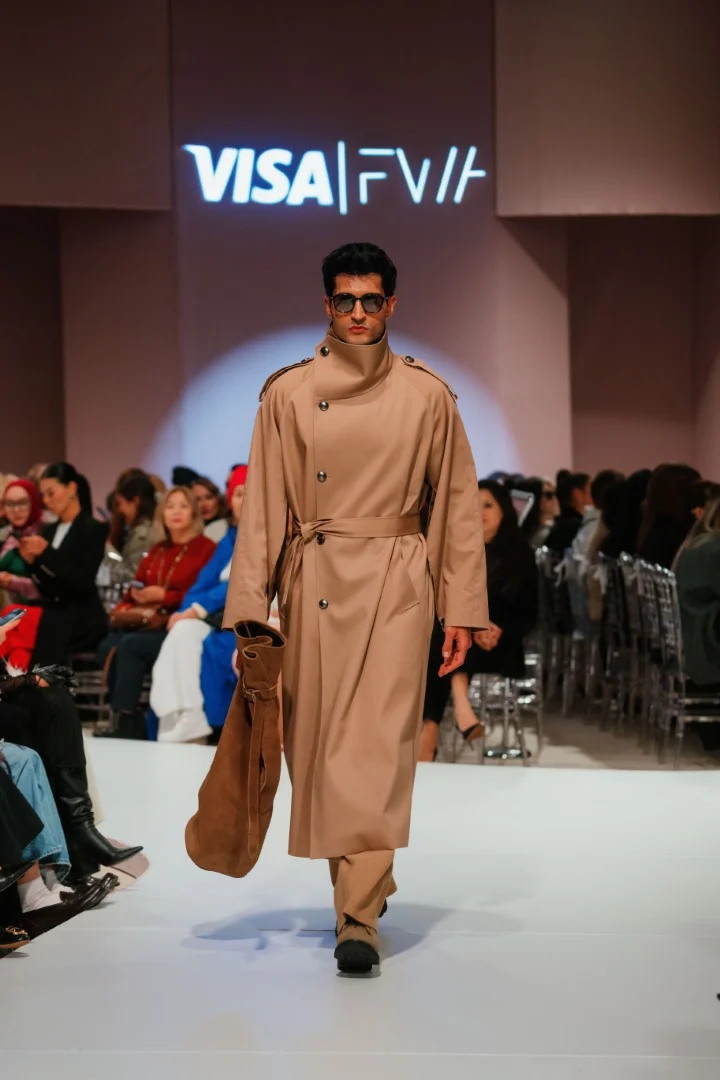
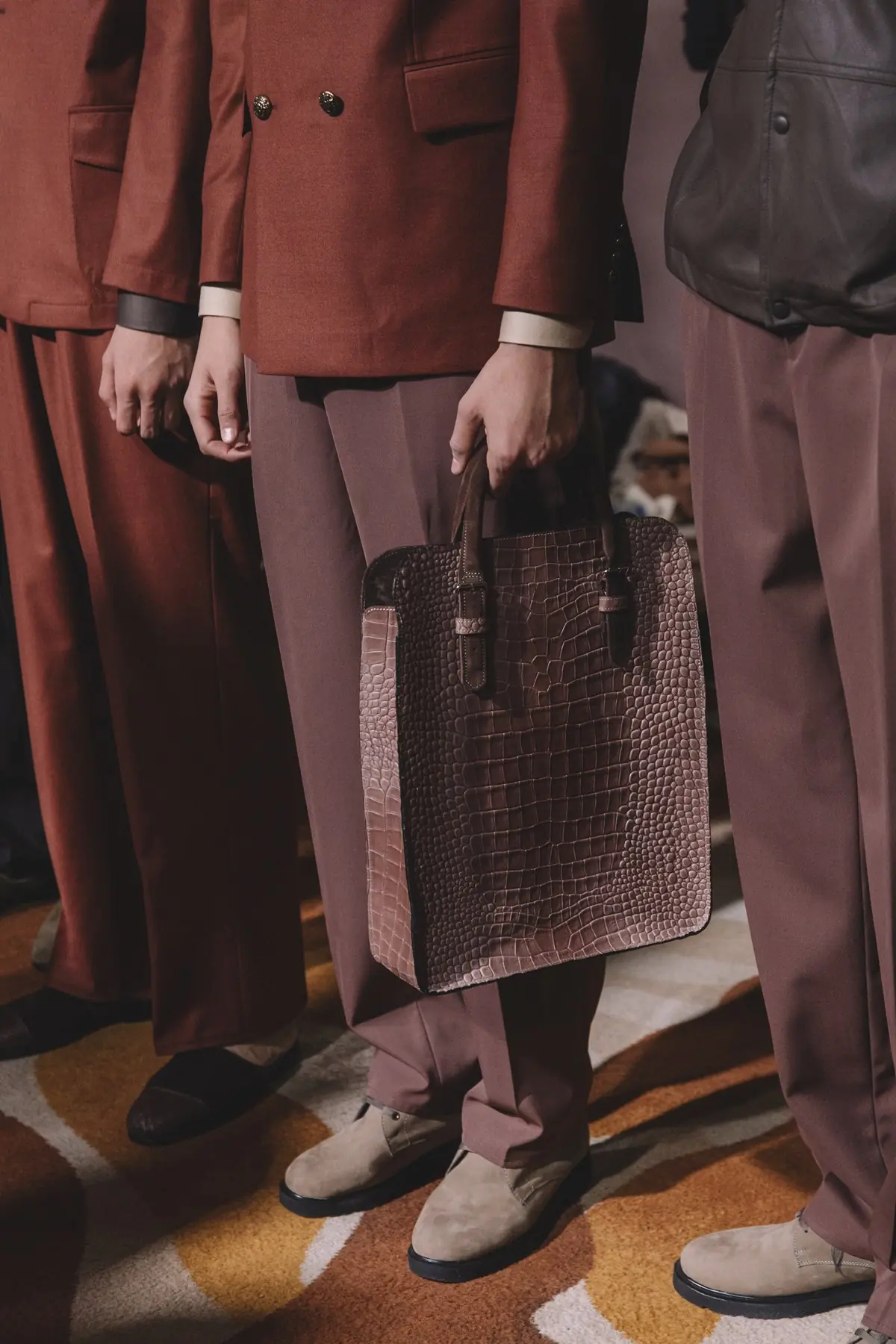
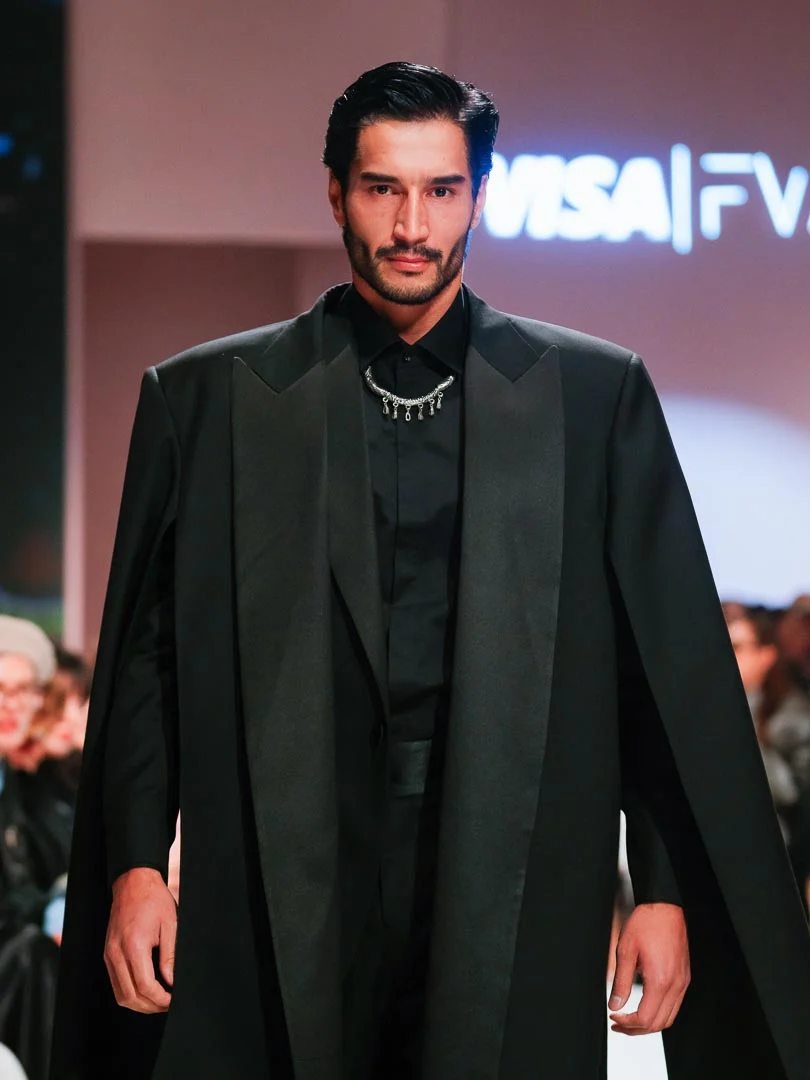
Menswear took a refined turn with the Spring/Summer 2026 collection by Azamat Somatov, one of Uzbekistan’s leading contemporary luxury labels. Titled Legacy of Elegance, the collection celebrated impeccable tailoring, premium fabrics, and understated sophistication. Clean lines, precise construction, and thoughtfully engineered silhouettes defined the presentation. While rooted in classic menswear traditions, the collection introduced modern elements through unconventional patterning, inventive layering, and subtle design accents. The result was a wardrobe that balances comfort with refinement—designed for the modern man without sacrificing craftsmanship.


ZhSaken: Tradition as a Living Design Language
Closing the twelfth edition of Visa Fashion Week Almaty was ZhSaken, led by designer Saken Zhaksybayev. A favorite among local audiences, ZhSaken’s Spring/Summer 2026 collection delivered a contemporary interpretation of Kazakh tradition. Drawing inspiration from national symbols and traditional cuts, the designer reimagines heritage through clean silhouettes and modern construction. Handcrafted details and thoughtful embellishments anchor the collection in cultural authenticity, while contemporary styling ensures relevance for today’s wearer. For ZhSaken, tradition is not static—it is a foundation for innovation. The collection invites wearers to incorporate cultural motifs into everyday life, transforming fashion into an expression of identity, pride, and continuity.

Sustainability as Creative Freedom
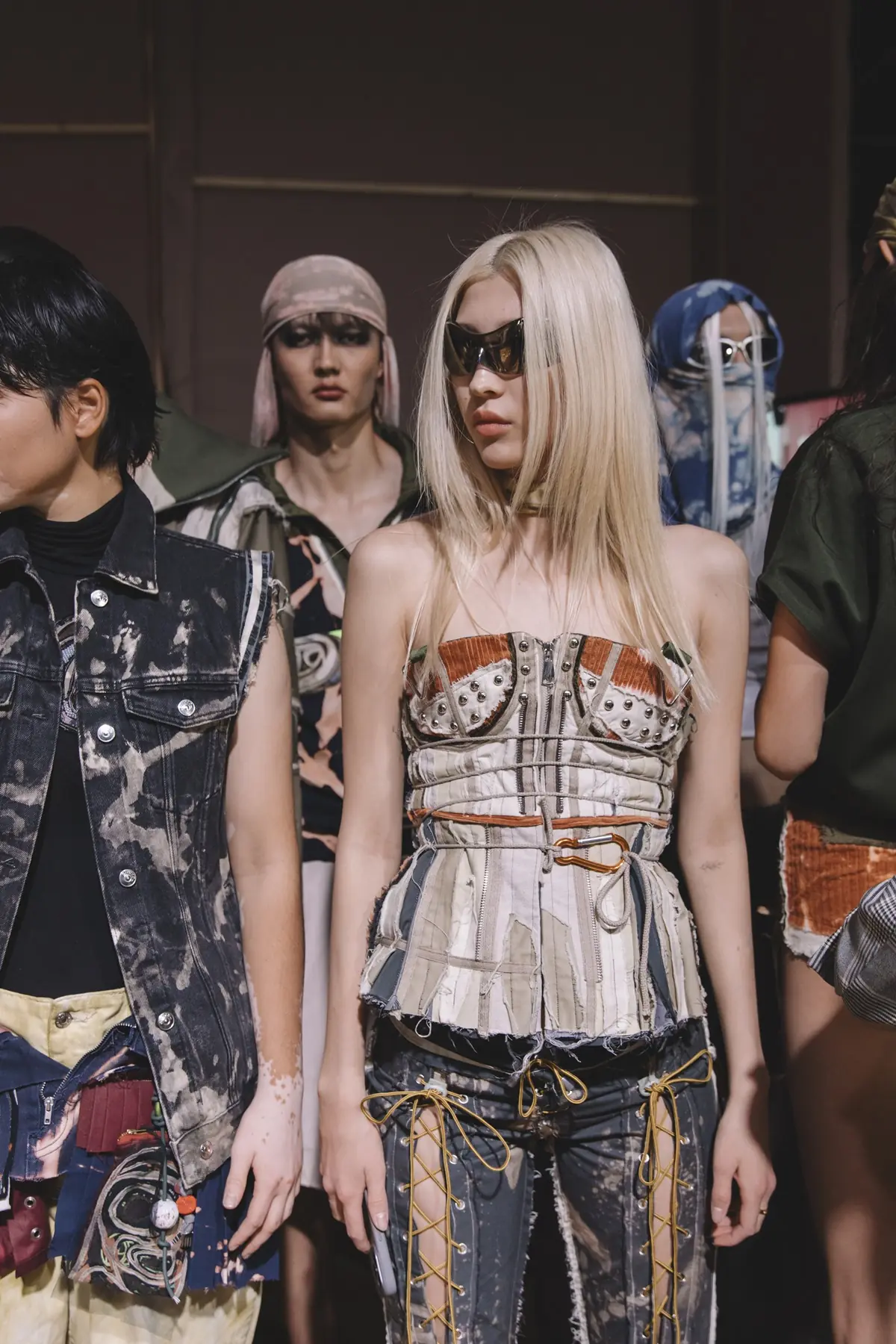
One of the most conceptually driven presentations came from 29, a rising Kazakh label founded on sustainability and personal expression. Built around upcycling, the brand transforms discarded materials into sculptural garments defined by texture, layering, and experimental volume. Inspired by themes of survival and undiscovered worlds, 29’s designs feature crumpled fabrics, intricate constructions, and modular silhouettes. Each piece functions as a “uniform” for an unpredictable future—where fashion becomes a tool for resilience, adaptability, and empowerment. More than a label, 29 represents a philosophy that challenges conventional production and consumption, positioning sustainability as a source of creativity rather than limitation.


A Platform Redefining Central Asian Fashion
Visa Fashion Week Almaty continues to evolve as more than a runway event. It is a cultural platform where heritage meets innovation, where emerging voices stand alongside established masters, and where Central Asia asserts its place within the global fashion narrative. As the platform grows, so does its influence—shaping trends, fostering dialogue, and proving that fashion’s most compelling stories are often found beyond the traditional capitals.
More to Read
All issues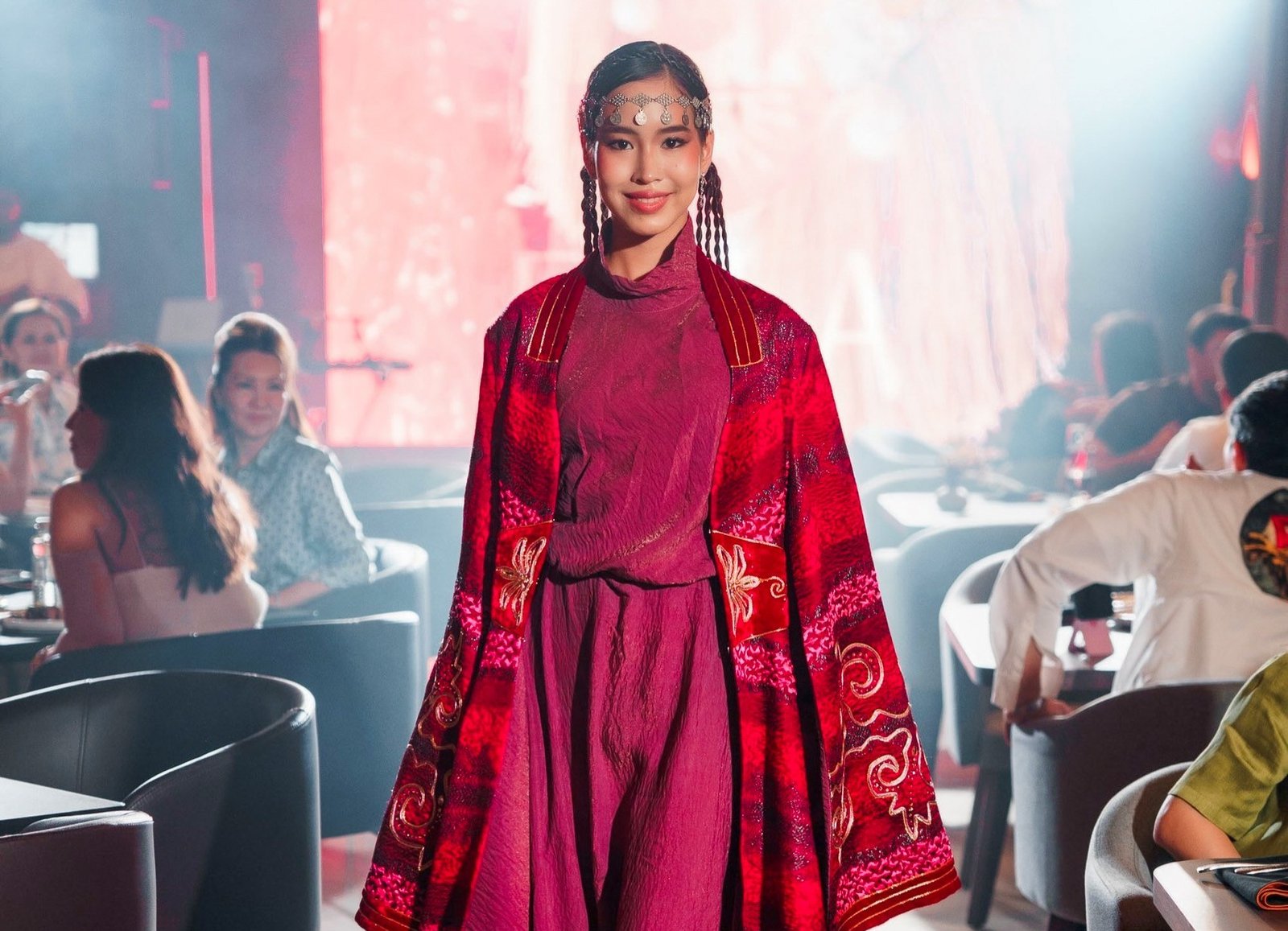
DALA Kazakhstan
Reimagines National Dress for the Modern Astana Wardrobe

Aida Kaumenova — Reimagining Kazakh Heritage Through Contemporary Fashion
Aida KaumeNOVA is a prominent Kazakhstani fashion designer known for blending traditional Kazakh aesthetics with contemporary design. With an early passion for drawing…

Madina Tompiyeva — Reimagining Kazakh Identity Through Contemporary Fashion
For Madina Tompiyeva, fashion is not simply about clothing. It is a way of exploring identity, freedom and the relationship between contemporary life and cultural…