

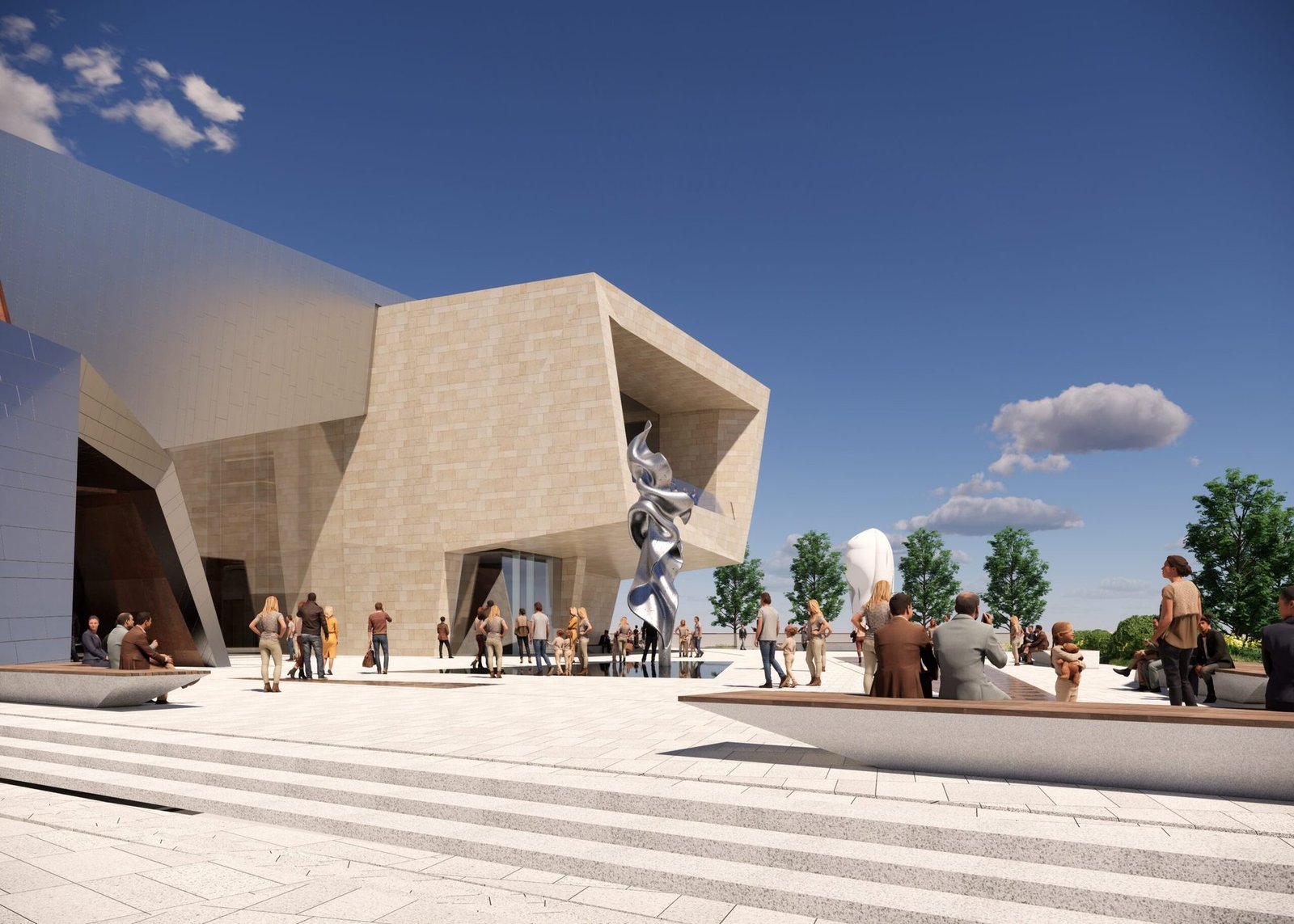
Qonaqtar – Almaty Museum of Arts Offers Wide Range of Kazakhstan’s Artistic Collection
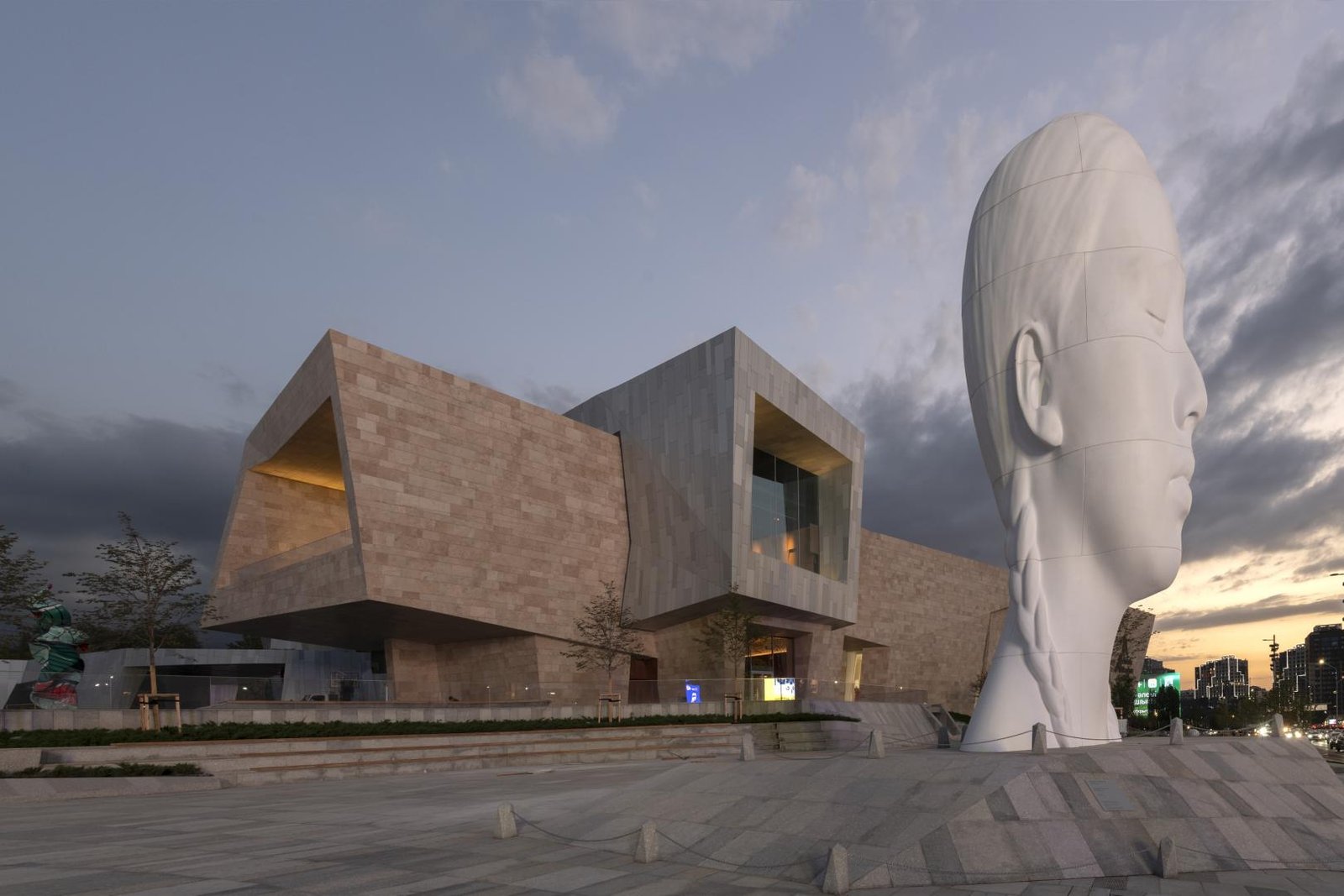
The exhibition Qonaqtar, marking the first major presentation of the Almaty Museum of Arts’ collection, offers a profound exploration of Kazakhstan’s cultural, historical, and artistic identity. Built upon the thirty-year vision of the museum’s founder, Nurlan Smagulov, the exhibition is more than a display of artworks—it is a narrative of people, movement, memory, and belonging. Through a carefully curated selection of works spanning from the 1940s to contemporary times, Qonaqtar invites viewers to reflect on the deep-rooted traditions of hospitality and the complex histories of migration that have shaped Kazakhstan and the broader Central Asian region. At the heart of the exhibition lies the concept of “qonaqtar,” a Kazakh word meaning “guests.” Derived from the Turkic root “qon-,” meaning “to stop for a night,” the term embodies both literal and symbolic meanings. It reflects a long-standing nomadic tradition in which offering shelter and hospitality to travelers was not merely a gesture of kindness but a vital social code necessary for survival in the vast and often unforgiving steppe. In such an environment, the act of welcoming strangers into one’s yurt, sharing food, stories, and music, became a cornerstone of communal life. This tradition was passed down through generations, forming a cultural identity that continues to resonate in contemporary Kazakhstan.
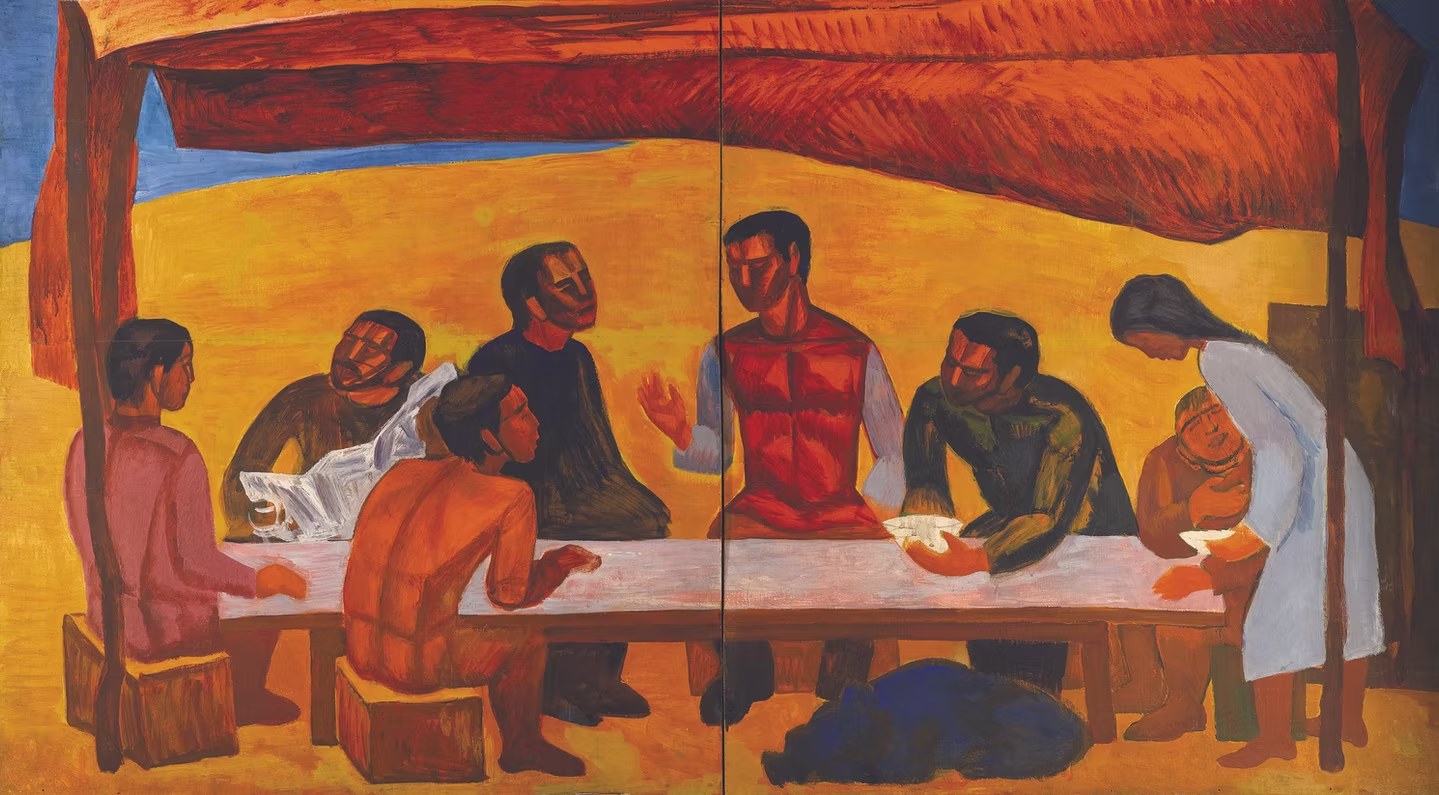
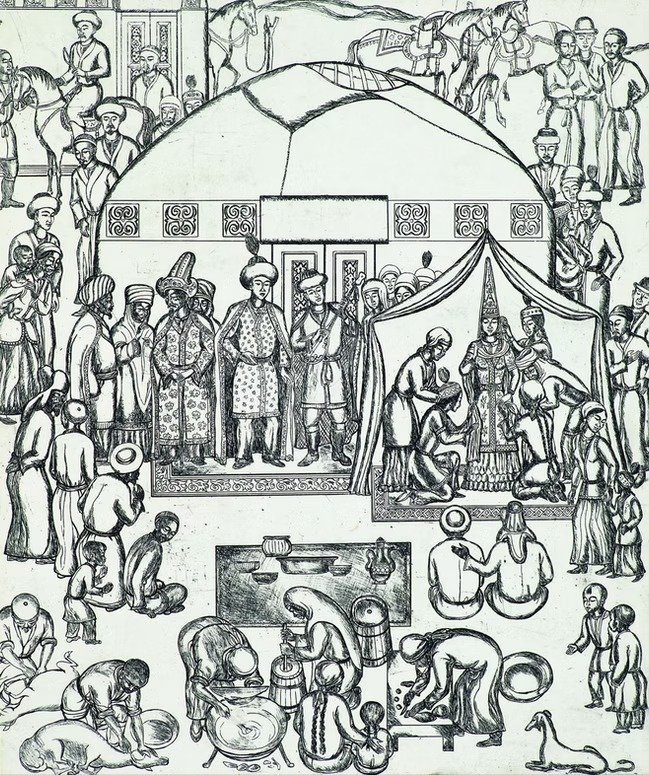
The exhibition draws its initial inspiration from two significant paintings: Aisha Galymbayeva’s Shepherd’s Feast (1965) and Salikhitdin Aitbayev’s On the Virgin Lands. Lunchtime (1960s). These works encapsulate two contrasting yet interconnected aspects of Kazakh history. Galymbayeva’s painting celebrates the vibrancy and warmth of nomadic life, portraying a communal gathering filled with joy, colour, and tradition. It emphasizes the enduring values of hospitality and togetherness that define Kazakh culture. In contrast, Aitbayev’s work reflects a more complex and often painful chapter in the region’s history—the Soviet Virgin Lands campaign. Initiated in the mid-20th century, this campaign aimed to transform vast areas of steppe into agricultural land. While it brought waves of settlers and development, it also resulted in the displacement of local populations and significant cultural disruption. Aitbayev’s painting subtly captures this tension, depicting a moment of pause—lunchtime—amid a broader narrative of upheaval and transformation.
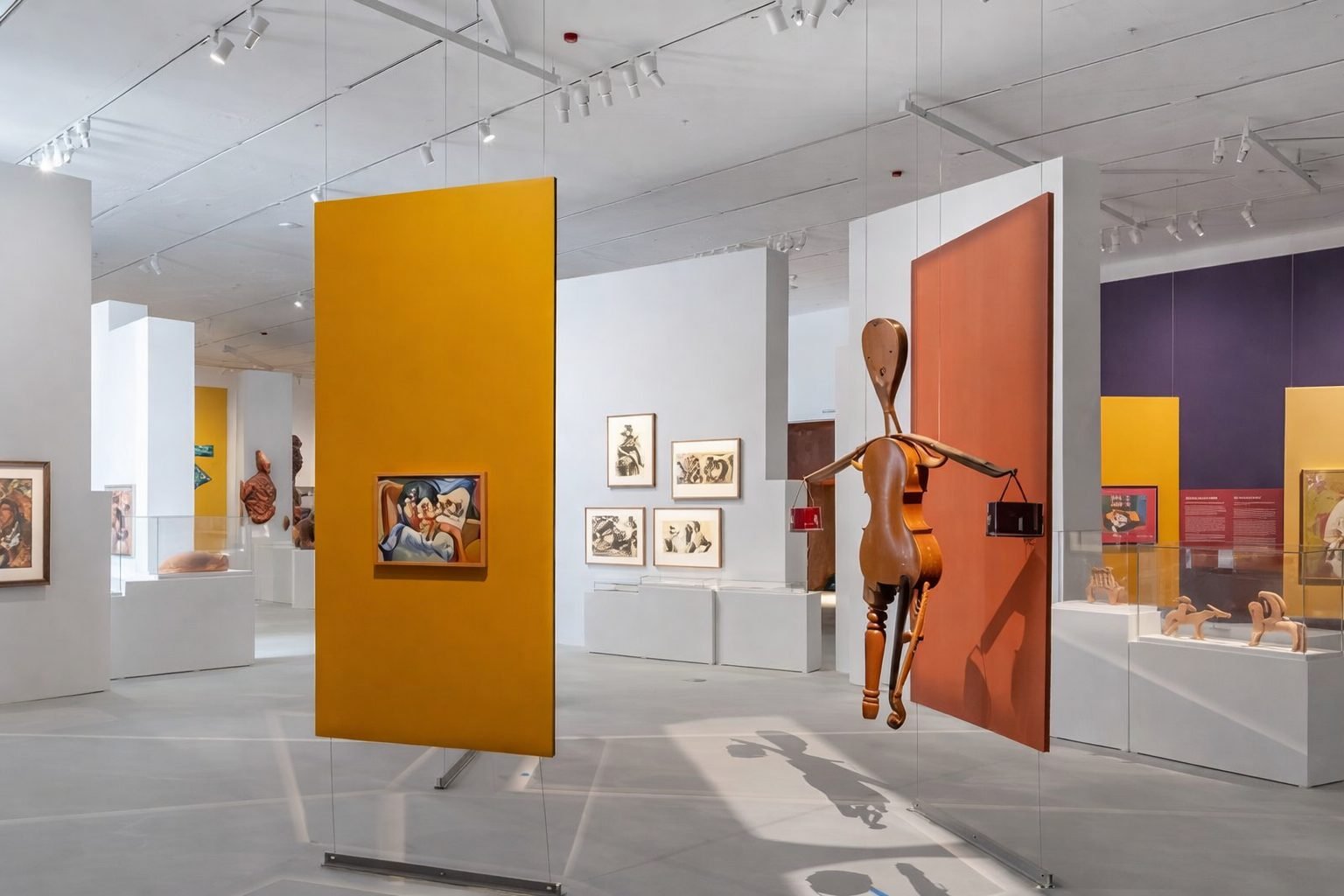
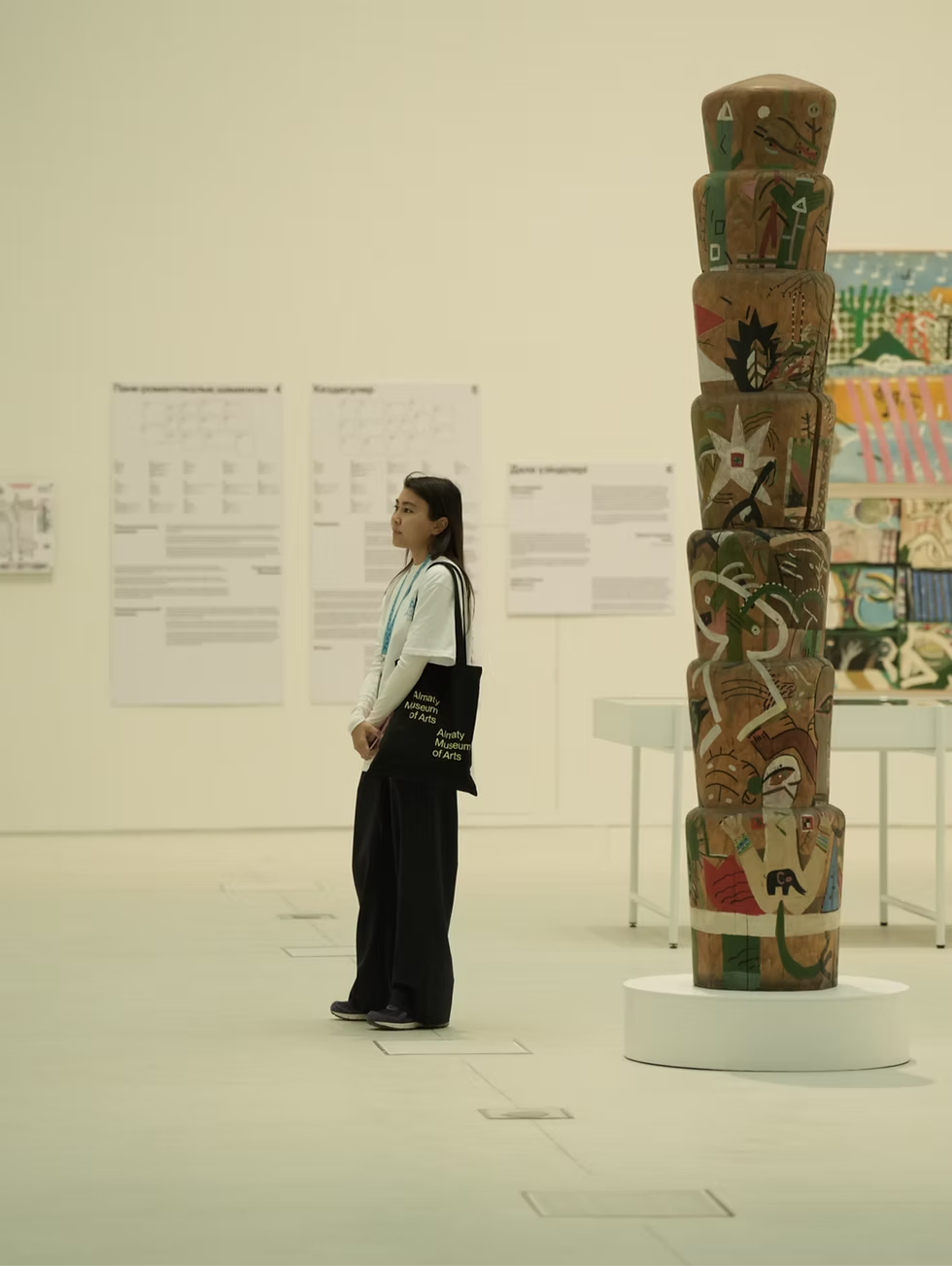
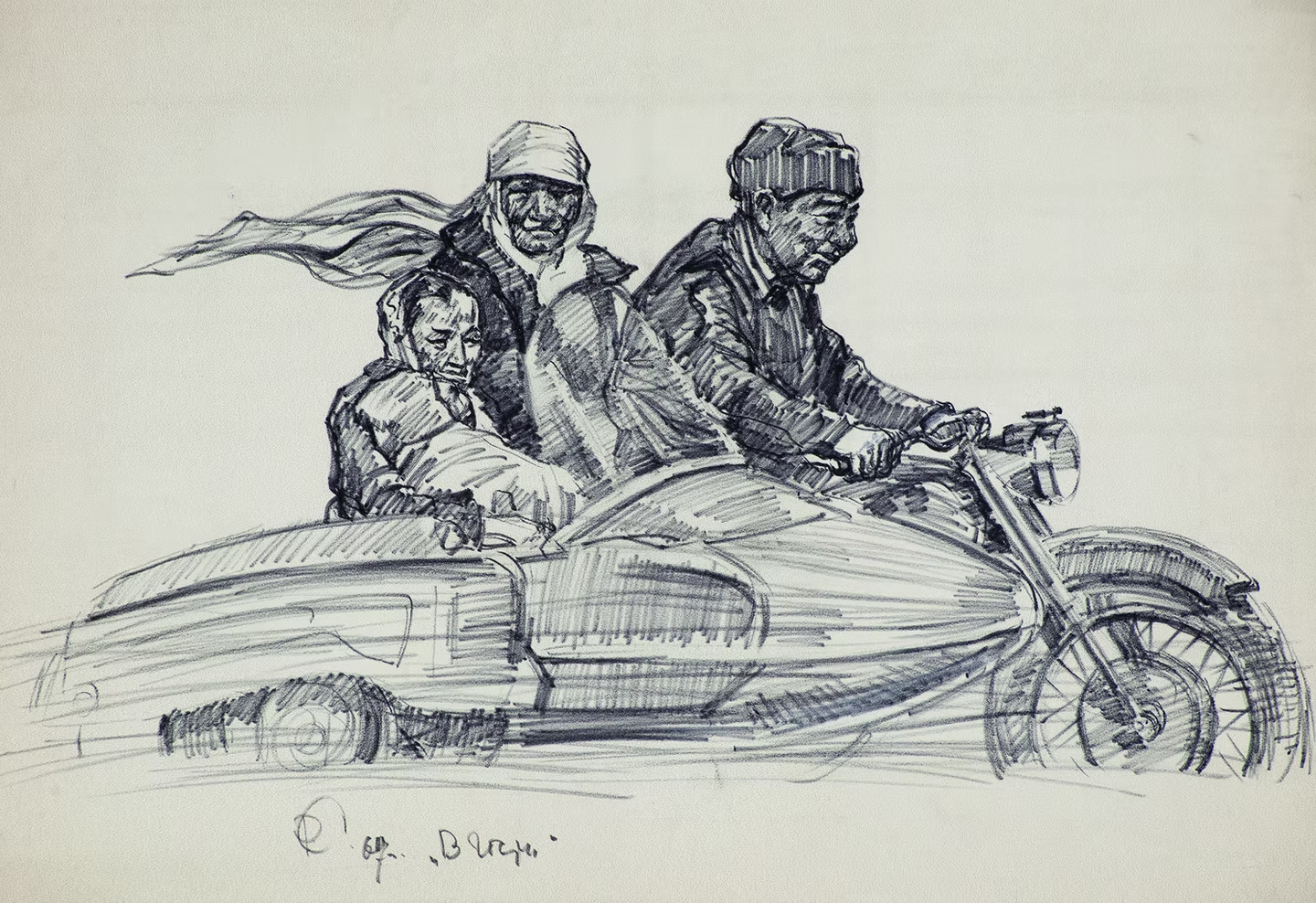
Through these foundational works, Qonaqtar expands into a broader exploration of migration and its many dimensions. The notion of “guests” becomes layered and multifaceted. Guests are not only welcomed visitors but also those who arrive under duress—settlers, exiles, and displaced communities. From the 19th century onwards, Kazakh pasturelands were opened to settlers from the European parts of the Russian Empire, fundamentally altering the demographic and cultural landscape of the region. Later, during the 1930s, entire communities, including Koreans and other ethnic groups, were forcibly relocated to Central Asia under Soviet policies. Additionally, Kazakhstan became a destination for political exiles, including Soviet dissidents sent to labour camps in regions such as Karaganda and Akmola. These forced migrations brought diverse cultures and experiences into the region, contributing to a complex social fabric. While many arrived as outsiders, over time they established roots, and their descendants now form an integral part of Kazakhstan’s multicultural identity. The exhibition acknowledges these histories, presenting them not only as stories of displacement but also of adaptation, resilience, and coexistence.
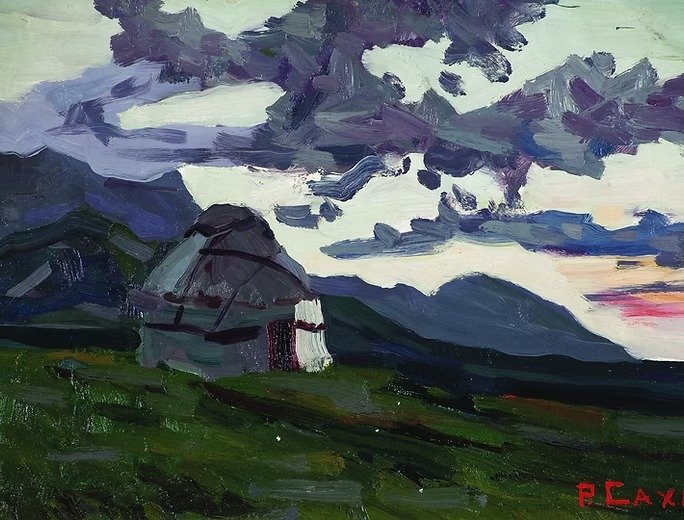
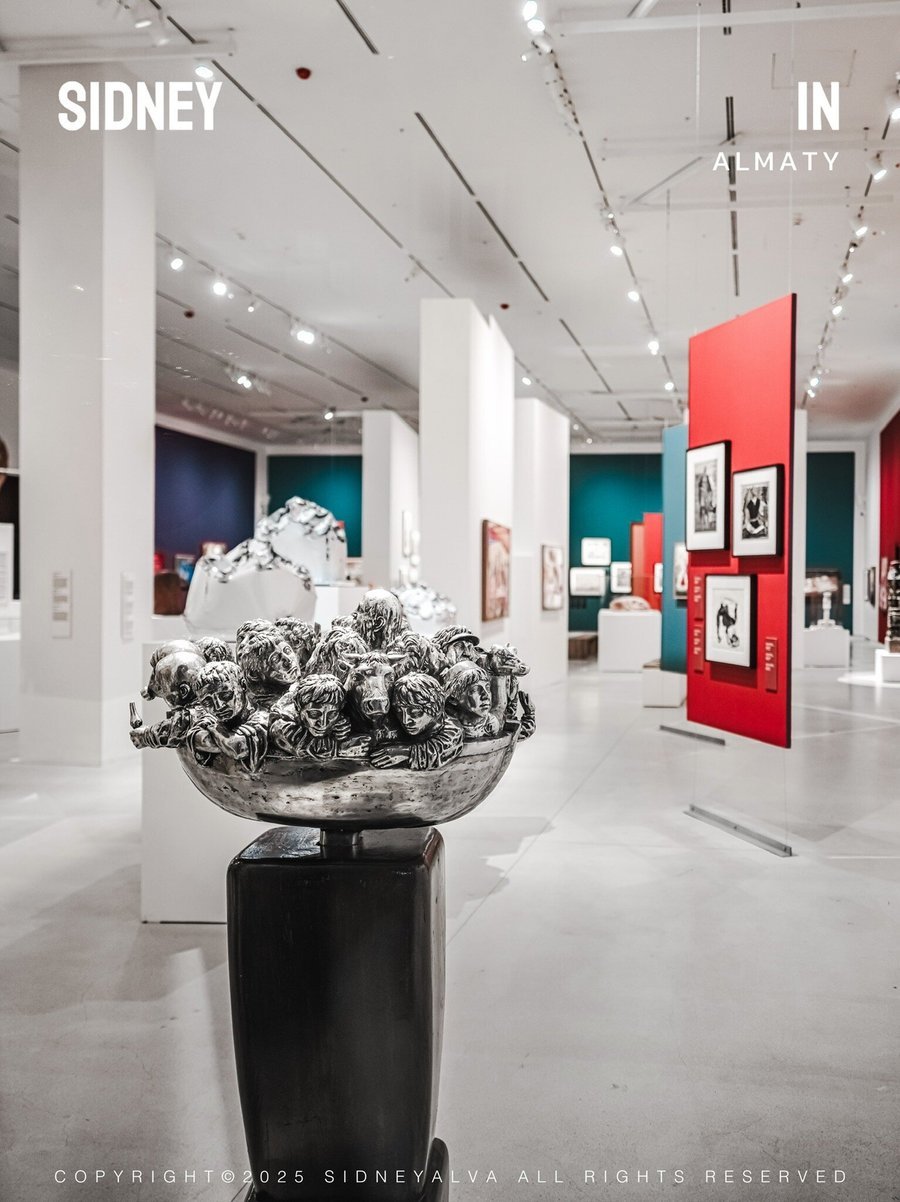
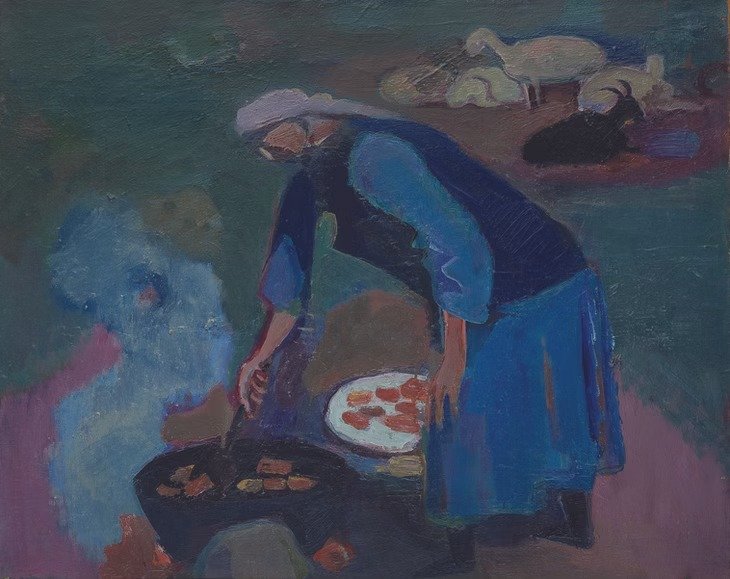
Artworks such as Sakhi Romanov’s On a Visit (1967) and Yurt II (1964) further enrich this narrative. Romanov’s works evoke intimate moments of everyday life, reflecting both the continuity of tradition and the subtle transformations brought about by changing social realities. The imagery of the yurt, a central symbol of nomadic life, serves as a powerful metaphor for home, shelter, and cultural continuity. At the same time, these works hint at the evolving nature of identity in a society shaped by both tradition and modernity. Beyond themes of hospitality and migration, Qonaqtar opens up additional threads within the museum’s collection. Landscape and cosmology play a significant role, reflecting the deep connection between people and the natural environment of the steppe. The vastness of the land, the rhythms of nature, and the spiritual dimensions of space are recurring motifs that underscore the relationship between humans and their surroundings. The exhibition also addresses questions of language and cultural expression. In a region marked by linguistic diversity and historical shifts in language policies, art becomes a medium through which identity is negotiated and preserved. Similarly, the role of women emerges as an important theme, highlighting their contributions to both cultural traditions and contemporary artistic practices.
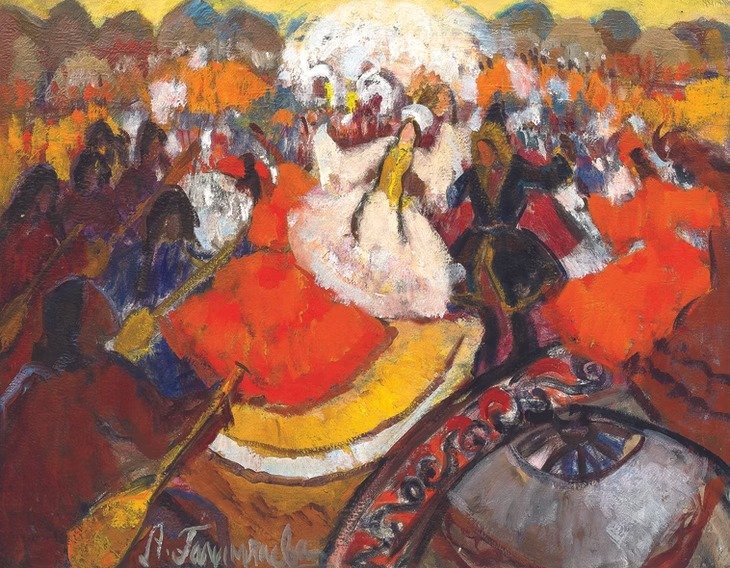
Another key aspect of Qonaqtar is its focus on transnational solidarity. The exhibition situates Kazakhstan within a broader global context, emphasizing connections with other regions and cultures. This perspective reflects the reality of Central Asia as a crossroads of civilizations, shaped by centuries of exchange, migration, and interaction. A particularly significant period represented in the exhibition is the 1960s, marked by the emergence of a new generation of artists known as the Sixtiers. During the Khrushchev Thaw, a time of relative cultural openness in the Soviet Union, these artists sought to redefine artistic expression. While still operating within the constraints of Soviet ideology, they developed a modern visual language that drew upon local traditions, nomadic heritage, and global modernist influences. The Sixtiers played a crucial role in shaping contemporary Kazakh art. Their work reflects a delicate balance between innovation and tradition, creating a distinctive aesthetic that continues to influence artists today. By highlighting this period, Qonaqtar underscores the importance of artistic movements in shaping cultural identity and historical consciousness.
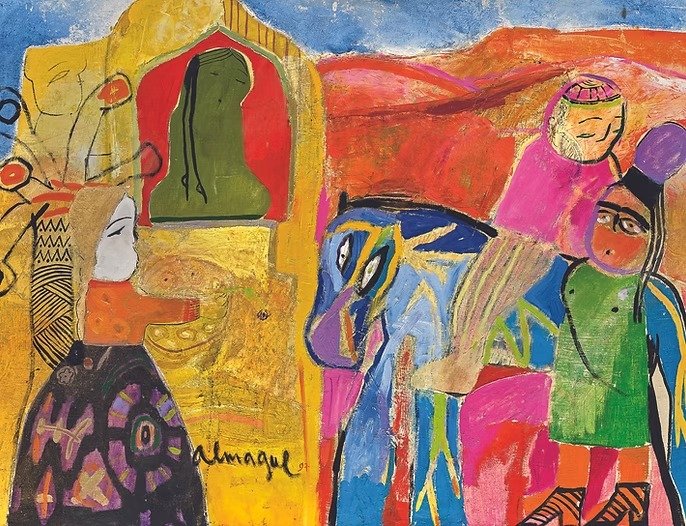
Ultimately, Qonaqtar is not just an exhibition about the past—it is a reflection on the present and a contemplation of the future. It invites viewers to consider what it means to be a guest, a host, or both. In a world where migration and displacement remain pressing issues, the themes explored in the exhibition resonate far beyond Kazakhstan. Through its rich and multifaceted narrative, Qonaqtar offers a powerful reminder of the enduring values of hospitality, resilience, and cultural exchange. It celebrates the diversity of experiences that have shaped the region while acknowledging the complexities and challenges of its history. In doing so, it transforms the museum space into a place of dialogue, reflection, and connection—much like the welcoming yurt at the heart of Kazakh tradition.
In presenting this collection, the Almaty Museum of Arts not only showcases its artistic treasures but also tells a story that is deeply human and universally relevant. Qonaqtar stands as a testament to the power of art to capture the essence of lived experience and to bridge the gaps between past and present, self and other, guest and host.
More to Read
All issues
Chopard Brings the Brilliance of L’Heure du Diamant to Kazakhstan
Swiss luxury Maison Chopard is bringing the artistry of high jewellery and fine watchmaking into focus in Kazakhstan with the presentation of its celebrated L’Heure du…

Samsung Unveils Next-Generation AI Television Lineup in Kazakhstan
Samsung Electronics is strengthening its television portfolio in Kazakhstan with its new generation of AI-powered displays, bringing intelligent viewing technologies to…

Beauty Served with Taste — Dragonfly Izakaya & Paula’s Choice Bring Gastronomy & Skincare Together
The boundaries between gastronomy, beauty and lifestyle are becoming increasingly fluid, giving rise to collaborations that transform familiar experiences into something…