
Kazakhstan’s Golden Momentum: The Rise of a Multi-Sport Nation

For many years, Kazakhstan’s sporting identity was defined by a handful of disciplines. Boxing champions, Olympic weightlifters, wrestlers, and cyclists carried the country’s flag onto the international stage, creating moments of national pride that resonated far beyond sporting arenas. Yet the story unfolding in 2026 suggests something broader is taking shape. Kazakhstan is no longer relying on success in a select few events. Instead, it is steadily building a sporting culture capable of competing across an increasingly diverse range of disciplines. The numbers tell part of the story. During the first quarter of 2026 alone, Kazakh athletes secured 200 medals at international competitions, including 79 gold medals. The achievement spans Olympic and non-Olympic sports, winter disciplines, Paralympic events, national sports, and junior competitions. While medal counts alone rarely reveal the full picture, the breadth of these results offers an intriguing glimpse into the evolution of sport in one of Central Asia’s most ambitious nations.


What stands out is not simply the quantity of medals but their distribution. Success is appearing across sports that traditionally occupied different corners of the athletic landscape. From figure skating and speed skating to tennis, cycling, gymnastics, fencing, and para sports, Kazakhstan’s athletes are increasingly demonstrating competitive depth rather than isolated excellence. This shift reflects a larger transformation occurring within the country. Over the past two decades, Kazakhstan has invested heavily in sporting infrastructure, athlete development programs, international partnerships, and youth training systems. As the nation has sought to strengthen its global profile, sport has become an important vehicle through which it expresses both ambition and identity.
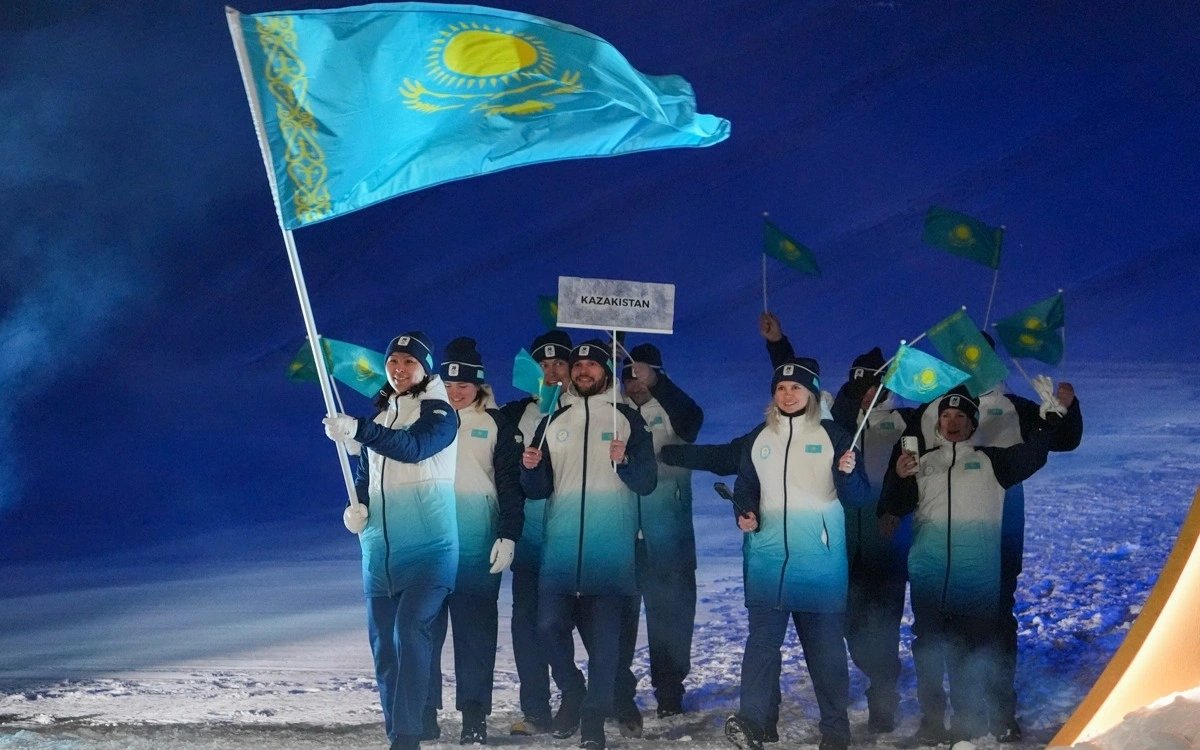
Few achievements illustrate this more clearly than the rise of Kazakhstan’s winter sports program. Historically, winter sporting success has been concentrated in a relatively small group of countries with long-established traditions and extensive infrastructure. Nations such as Norway, Canada, Germany, and the United States have often dominated the conversation. Kazakhstan, despite its vast geography and harsh winters, has traditionally occupied a more modest position within the winter sports hierarchy. That perception changed dramatically when Mikhail Shaidorov captured Olympic gold in men’s figure skating at the 2026 Winter Games in Italy. The victory represented more than a personal triumph. It marked Kazakhstan’s first Olympic gold medal in figure skating and only the country’s second Winter Olympic title since independence.


Figure skating occupies a unique place in global sport. Combining athletic precision with artistic expression, it attracts audiences far beyond traditional sports fans. Shaidorov’s victory therefore carried significance not only within Kazakhstan but also internationally, introducing many viewers to a new sporting narrative emerging from Central Asia. The achievement was complemented by success at the Winter Paralympics, where Yerbol Khamitov secured gold in the pursuit race. Such victories highlight another important dimension of Kazakhstan’s sporting development: the increasing visibility and competitiveness of para athletes on the global stage. Across the world, para sport has become one of the most compelling stories in modern athletics. Greater investment, improved accessibility, and increased media attention have transformed perceptions of disability sport. Kazakhstan’s success in this arena reflects its growing commitment to inclusive athletic development and demonstrates that elite performance is emerging across multiple sectors of its sporting ecosystem.

Equally noteworthy is the rise of Kazakhstan’s younger generation. The foundation of any sporting nation lies not in current champions but in future ones. Junior competitions often provide the clearest indication of long-term potential, revealing whether success is sustainable or temporary. In this regard, Kazakhstan’s recent performances offer considerable encouragement. At the Asian Championships in Tagaytay, Kazakhstan’s junior women’s track cycling team captured a historic gold medal in the team pursuit event. The victory underscored the growing sophistication of the country’s cycling development programs, which have evolved significantly since Kazakhstan first gained international recognition in professional road cycling. Meanwhile, at the Junior World Championships in freestyle aerials in Switzerland, young athletes Asan Asylkhan and Dinmukhammed Raimkulov delivered gold and silver medal performances respectively. Such results are particularly significant because freestyle aerials remains one of winter sport’s most technically demanding disciplines. Success requires years of training, extraordinary physical control, and psychological resilience.


The emergence of talent in these sports suggests that Kazakhstan’s athlete pipeline is expanding beyond traditional strengths. Rather than producing isolated stars, the country appears increasingly capable of nurturing entire generations of competitors. Another powerful example comes from speed skating, where Kristina Shumekova achieved a remarkable milestone by becoming junior world all-around champion and securing five gold medals. Such dominance at a world championship level is rare regardless of nationality. For Kazakhstan, it represents a breakthrough moment in a sport where sustained international success has historically been difficult to achieve. The country’s progress is equally visible in sports traditionally associated with global competition and commercial visibility.

Tennis offers perhaps the clearest example. Kazakhstan has spent years investing in the sport, recruiting expertise, developing facilities, and creating opportunities for young players. The results are becoming increasingly evident. Elena Rybakina’s rise to a career-high ranking of world No. 2 reinforces Kazakhstan’s position within the upper tier of international tennis. More significantly, the simultaneous presence of multiple Kazakh players within the world’s top rankings signals the emergence of genuine depth rather than reliance on a single star. This distinction matters. Sporting nations are ultimately judged not by isolated achievements but by their ability to consistently produce competitive athletes. Depth creates resilience. It allows countries to remain relevant even as individual careers evolve and new generations emerge.

The same principle applies to gymnastics, where Milad Karimi continues to establish himself as one of Kazakhstan’s most accomplished athletes. His silver-medal performances at the Fédération Internationale de Gymnastique World Cup in Baku further demonstrate the country’s ability to compete at the highest levels of artistic gymnastics, a discipline dominated by nations with extensive development traditions. Beyond individual performances, Kazakhstan is also becoming increasingly active as a host nation. The country’s decision to stage its first-ever International Fencing Federation Epee World Cup event represents an important milestone. Hosting elite competitions serves multiple purposes. It raises the profile of sports domestically, provides local athletes with valuable exposure to international competition, and signals a nation’s readiness to participate more actively in the global sporting community.

The silver medal won by Ruslan Kurbanov at the event added further significance, creating a moment in which Kazakhstan was both organizer and contender. Taken together, these achievements point toward an emerging sporting identity that is more diverse, confident, and internationally connected than ever before. This transformation mirrors broader developments within Kazakhstan itself. As the country continues to strengthen its cultural, economic, and diplomatic ties with the wider world, sport increasingly functions as a powerful form of national expression. Athletic success provides visibility, generates soft power, and creates narratives capable of reaching audiences far beyond politics or business. Importantly, Kazakhstan’s recent achievements are not concentrated in one demographic or discipline.
Men and women, Olympians and Paralympians, juniors and established stars are all contributing to the country’s success. Such diversity is often a hallmark of mature sporting systems. The challenge, of course, lies in sustainability. Sporting momentum can be difficult to maintain. Success creates expectations, and expectations require continued investment, innovation, and patience. The world’s most successful sporting nations understand that excellence is built over decades rather than seasons. Yet the early months of 2026 suggest that Kazakhstan’s ambitions extend far beyond collecting medals. The country is building something more substantial: a sporting culture capable of producing champions across multiple disciplines while inspiring future generations to pursue excellence.


In an era when international sport increasingly reflects broader questions of identity, opportunity, and global engagement, Kazakhstan’s achievements offer a compelling example of how nations can redefine themselves through athletic success. The 200 medals earned during the opening months of the year are impressive in their own right. More importantly, they represent evidence of a country whose sporting horizons continue to expand. For Kazakhstan, the story of 2026 is not simply about victories on podiums. It is about the emergence of a nation that is steadily establishing itself as one of the most dynamic and versatile sporting powers in its region—and increasingly, on the world stage.

More to Read
All issues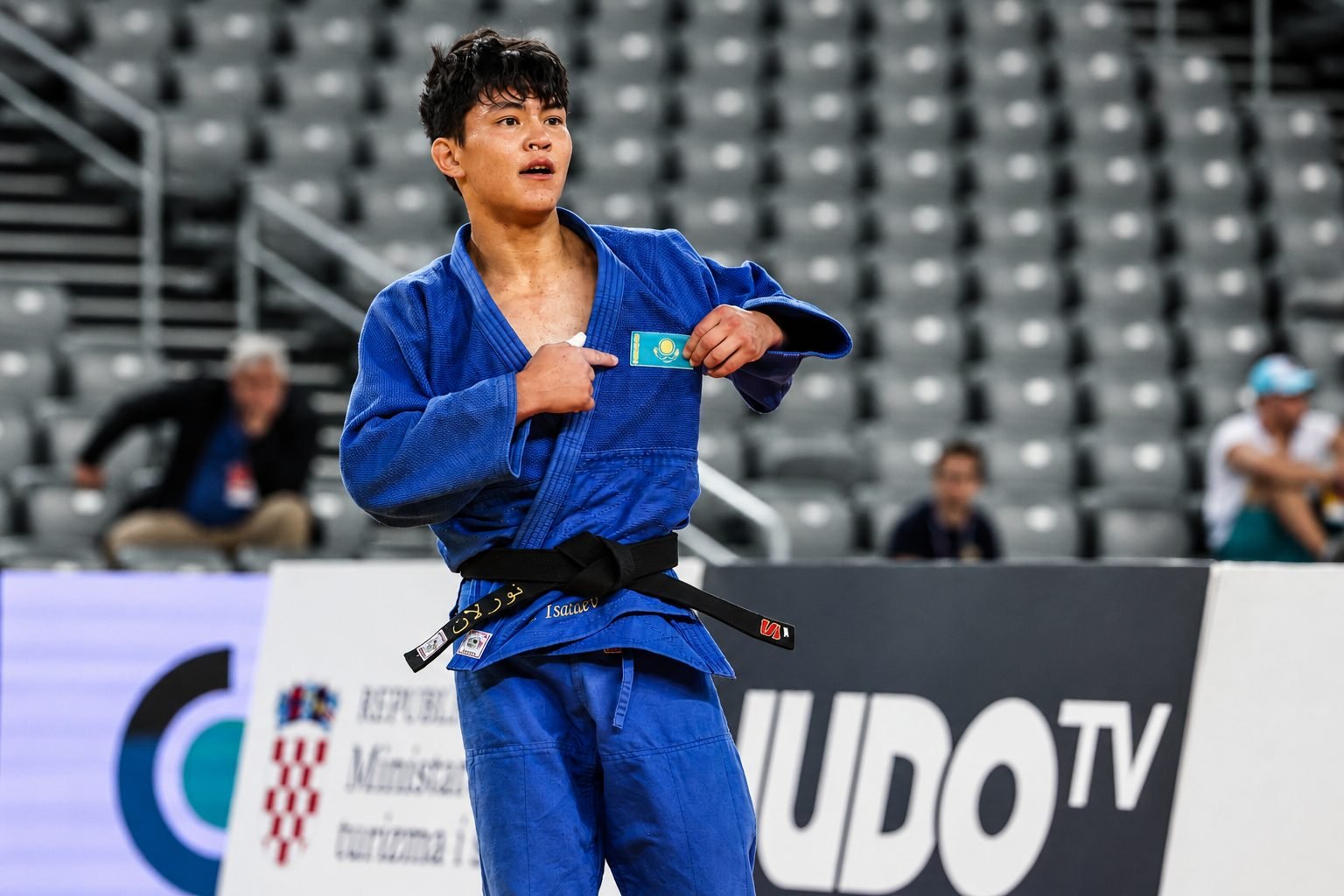
Kazakhstan’s Junior Judokas Shine with Nine-Medal Haul in Macau
Kazakhstan’s junior judo team delivered an impressive performance at the Macau Junior Asian Cup 2026, collecting nine medals — three gold, three silver and three bronze.…

Kazakhstan’s Golden Blade — National Épée Team Reigns Supreme at the Asian Fencing Championships
Kazakhstan has once again demonstrated its growing influence in international fencing with a remarkable championship-winning performance at the Asian Fencing…

Kazakhstan Celebrated National Sports Day as Part of Nauryznama Festivities
Kazakhstan celebrated National Sports Day (Ulttyq Sport Kuni) on March 20, 2026, as part of the nationwide Nauryznama decade leading up to the annual celebration of…