


Korgalzhyn Nature Reserve: The Flamingo Kingdom & Wildlife Paradise of Kazakhstan
Hidden within the vast grasslands of central Kazakhstan lies one of the most extraordinary natural sanctuaries in Eurasia. The Korgalzhyn Nature Reserve is a breathtaking landscape of shimmering lakes, wetlands, endless steppes, and thriving wildlife habitats that support hundreds of species of birds, mammals, reptiles, amphibians, and plants. Located across the Akmola and Karaganda regions, this remarkable reserve is recognized globally for its ecological significance and is celebrated as one of Kazakhstan’s greatest natural treasures. The reserve forms part of the UNESCO World Heritage Site “Saryarka – Steppe and Lakes of Northern Kazakhstan” and was also designated as Kazakhstan’s first UNESCO Biosphere Reserve. Its immense ecological value stems from its role as one of the most important migratory bird habitats in Asia, providing refuge to millions of birds traveling between Europe, Africa, South Asia, and Siberia. The reserve has become a symbol of successful conservation in Central Asia and remains one of the most important protected natural areas on the continent.


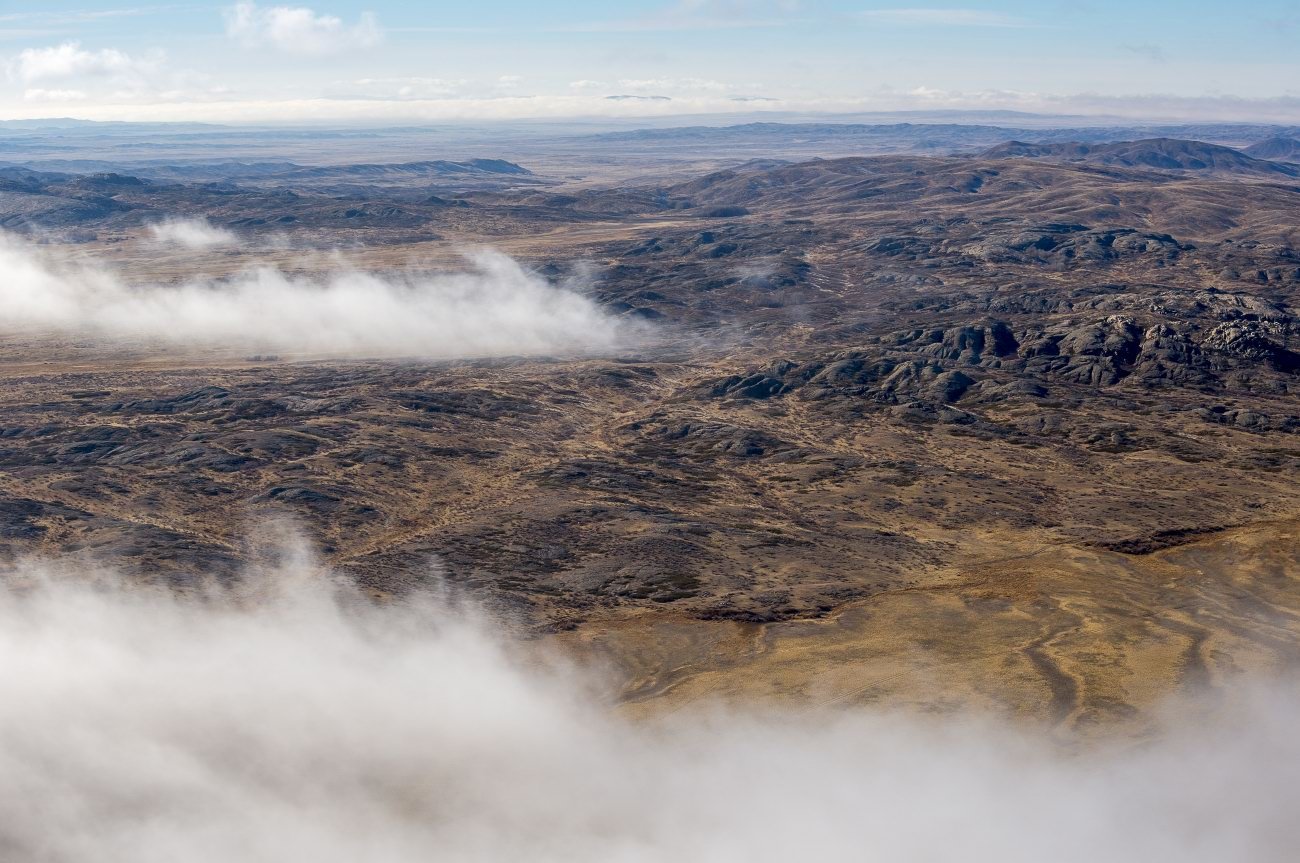
Viewed from above, Korgalzhyn appears as a vibrant blue-green oasis surrounded by the golden-brown expanse of the Kazakh steppe. At the heart of this landscape lies Lake Tengiz, one of the largest saline lakes in the world. Covering nearly 1,600 square kilometres, the lake forms the centre of an extensive network of wetlands, freshwater lakes, salt marshes, and grasslands that support an astonishing variety of life. The reserve was officially established in 1968 to protect the nesting grounds of rare bird species, particularly the Greater Flamingo. Since then, the protected area has expanded significantly and now covers approximately 543,000 hectares, including vast stretches of wetlands and lakes that are recognized under the Ramsar Convention on Wetlands of International Importance.

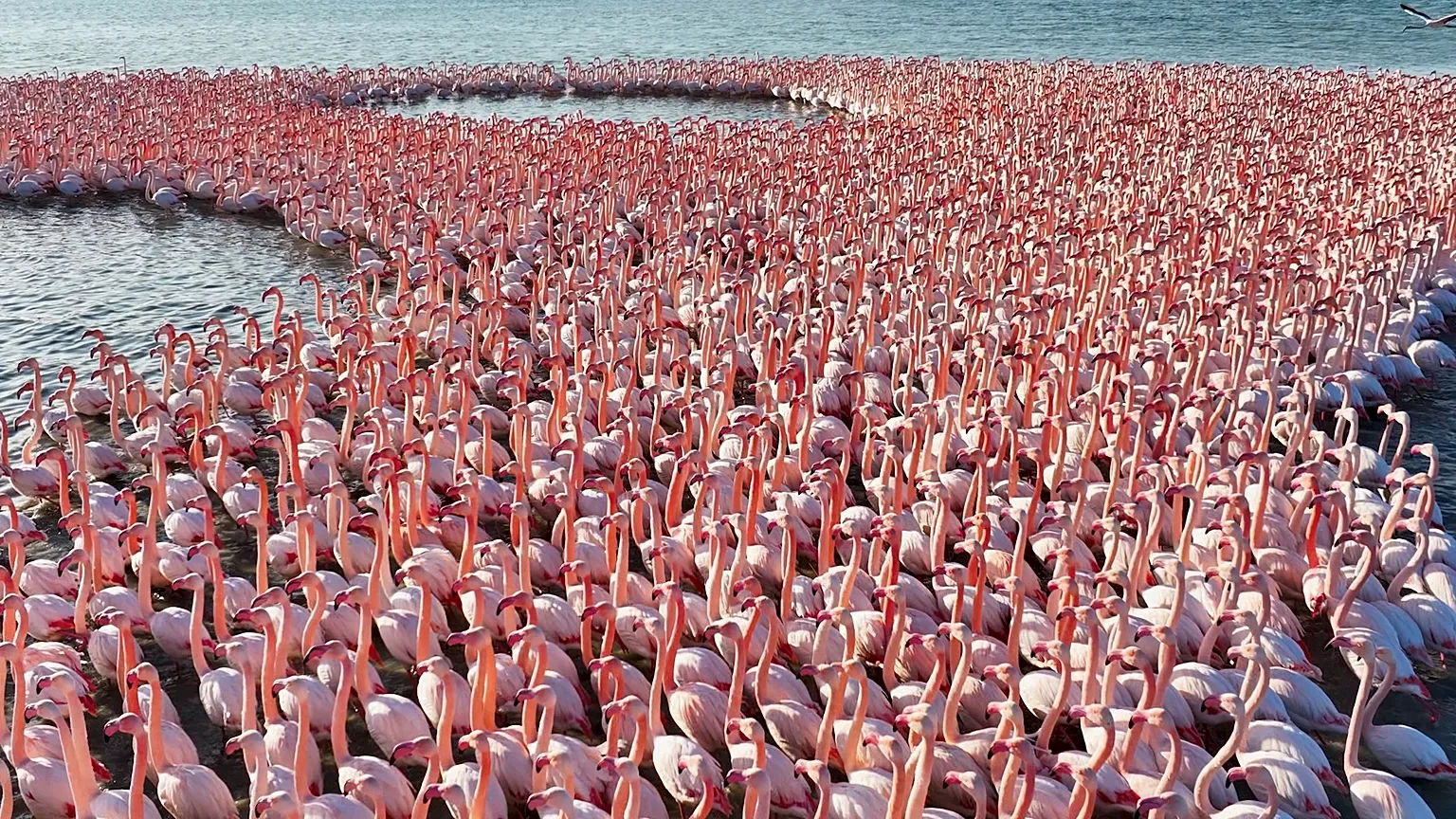
The most iconic residents of Korgalzhyn are undoubtedly the Greater Flamingos. These elegant pink birds have made the reserve famous across the world. Korgalzhyn hosts the northernmost breeding colony of flamingos on Earth, making it one of the most unique flamingo habitats anywhere in the world. Every spring, thousands of flamingos arrive at Lake Tengiz, transforming the landscape with their brilliant pink colours. Their graceful movements across the shallow waters create one of the most spectacular wildlife scenes in Central Asia. Scientists estimate that flamingo populations in the reserve once exceeded 45,000 individuals. Although numbers have declined in recent years, Korgalzhyn remains the most important flamingo breeding site in the region and continues to attract birdwatchers, photographers, and nature enthusiasts from around the globe.
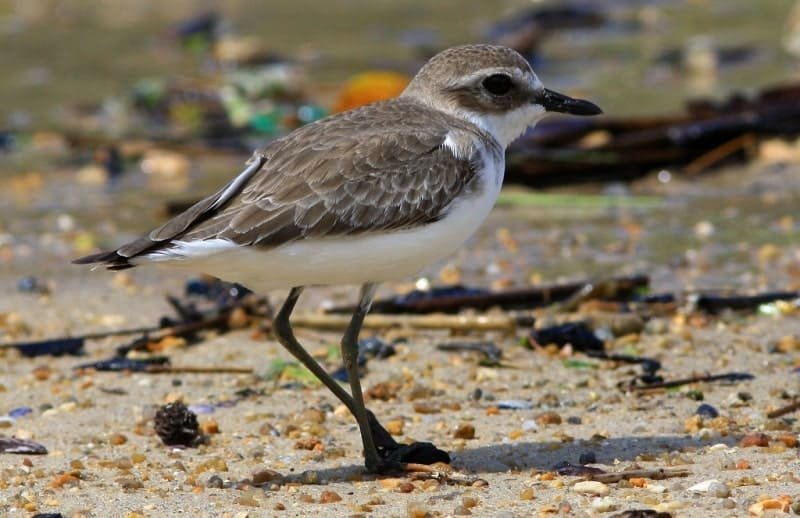
The reserve is often referred to as the “Bird Bazaar” because of the extraordinary concentration of birdlife found within its wetlands. Positioned along major migratory flyways connecting Europe, Africa, India, and Siberia, Korgalzhyn serves as a vital resting and feeding station for millions of birds each year. During migration seasons, the skies above the reserve become filled with endless formations of waterfowl moving between continents. Scientists estimate that as many as fifteen million birds pass through the reserve annually, making it one of the most important migratory bird habitats in Asia. More than 350 species of birds have been recorded in the reserve. Vast flocks of ducks, geese, cranes, grebes, gulls, and wading birds gather around the lakes and marshes. Numerous species remain to breed, while others use the reserve as a temporary stop before continuing their journeys northward. The abundance of food and the relative safety of the wetlands provide ideal conditions for migratory birds undertaking some of the longest journeys in the animal kingdom.

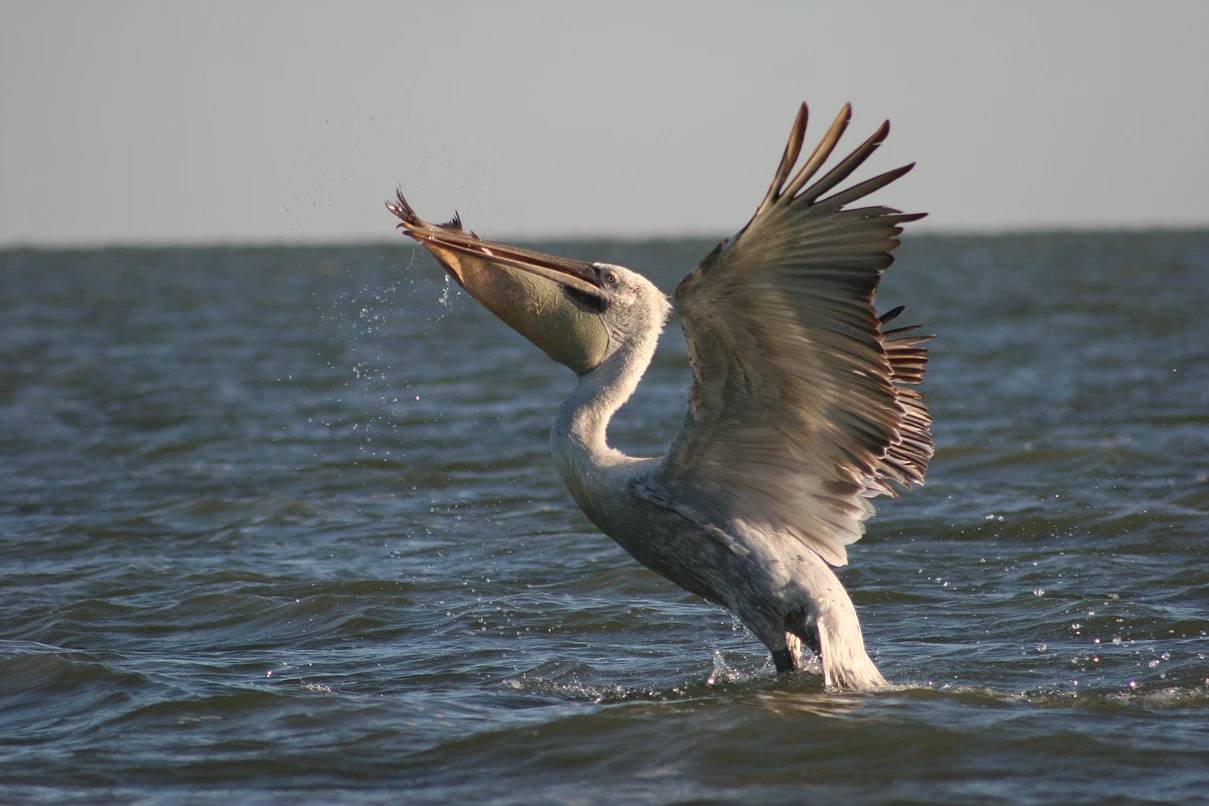
Among the reserve’s most impressive inhabitants is the Dalmatian Pelican, one of the largest flying birds in the world. With a wingspan that can exceed three meters, these magnificent birds dominate the skies above the wetlands. Hundreds of Dalmatian Pelicans nest and feed within the reserve, representing a significant portion of the global population. Their enormous bills and graceful flight make them one of the most recognizable species in Korgalzhyn. The healthy fish populations within the lakes provide ample food for these giant birds, allowing them to thrive in an environment that remains relatively undisturbed. The reserve also protects a remarkable variety of rare and endangered bird species. The White-headed Duck, one of the world’s rarest waterfowl, finds an important breeding refuge here. Approximately one-third of the global population of this species is believed to breed within the wetlands of Korgalzhyn. Other protected species include Grey Herons, Curly Pelicans, White-Tailed Eagles, Steppe Eagles, Great Bustards, and numerous species of falcons and other birds of prey. The White-Tailed Eagle, one of Eurasia’s largest raptors, patrols the lakes in search of fish and waterbirds, while the endangered Steppe Eagle soars above the grasslands hunting small mammals. Beyond its famous birdlife, Korgalzhyn supports an impressive variety of mammals that inhabit the surrounding steppe ecosystems.
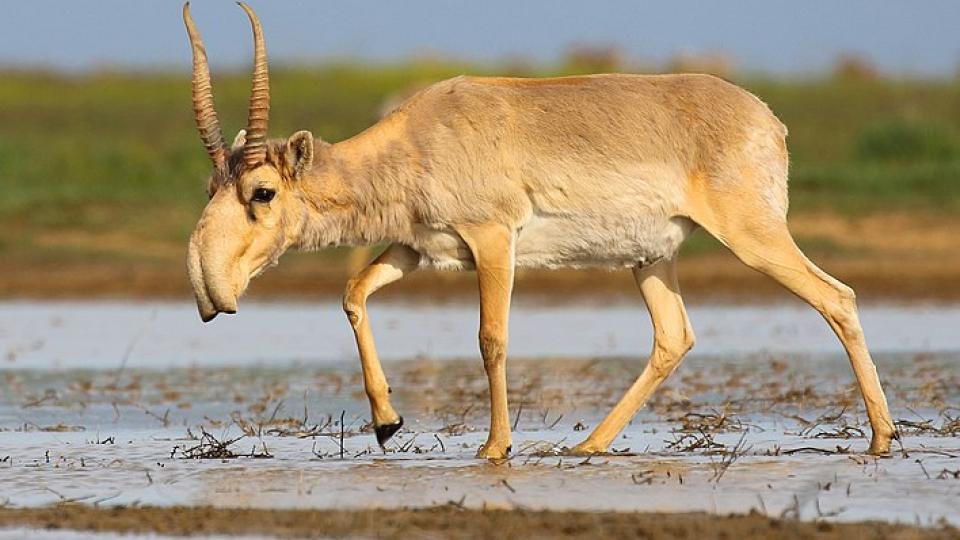
Among the most extraordinary is the Saiga Antelope, a species that has become a symbol of Central Asian wildlife conservation. Easily recognized by its unusual bulbous nose, the Saiga is uniquely adapted to the harsh climate of the Eurasian steppe. Large herds once roamed freely across Kazakhstan, but poaching and disease have caused dramatic population declines. The reserve provides a critical sanctuary where these remarkable animals can graze and migrate in relative safety. Conservation efforts within Korgalzhyn have played an important role in protecting remaining populations of this endangered species. The lakes and wetlands of the reserve support a rich aquatic ecosystem filled with fish, amphibians, and reptiles. Numerous fish species inhabit both freshwater and saline environments, creating a stable food source for pelicans, herons, eagles, and other predators.
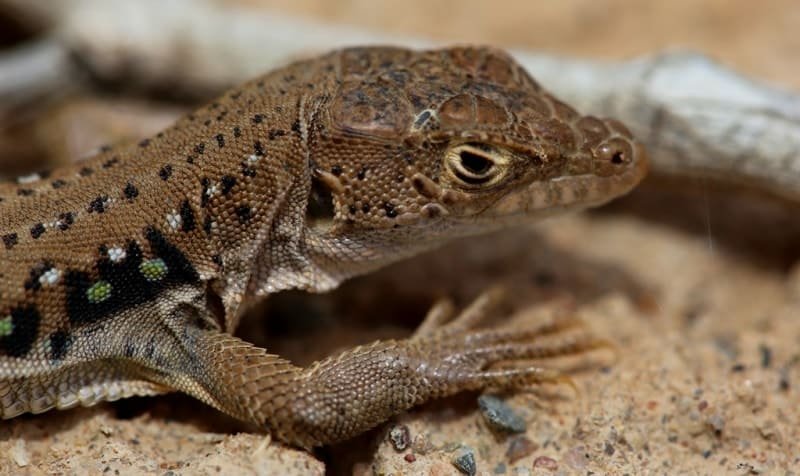
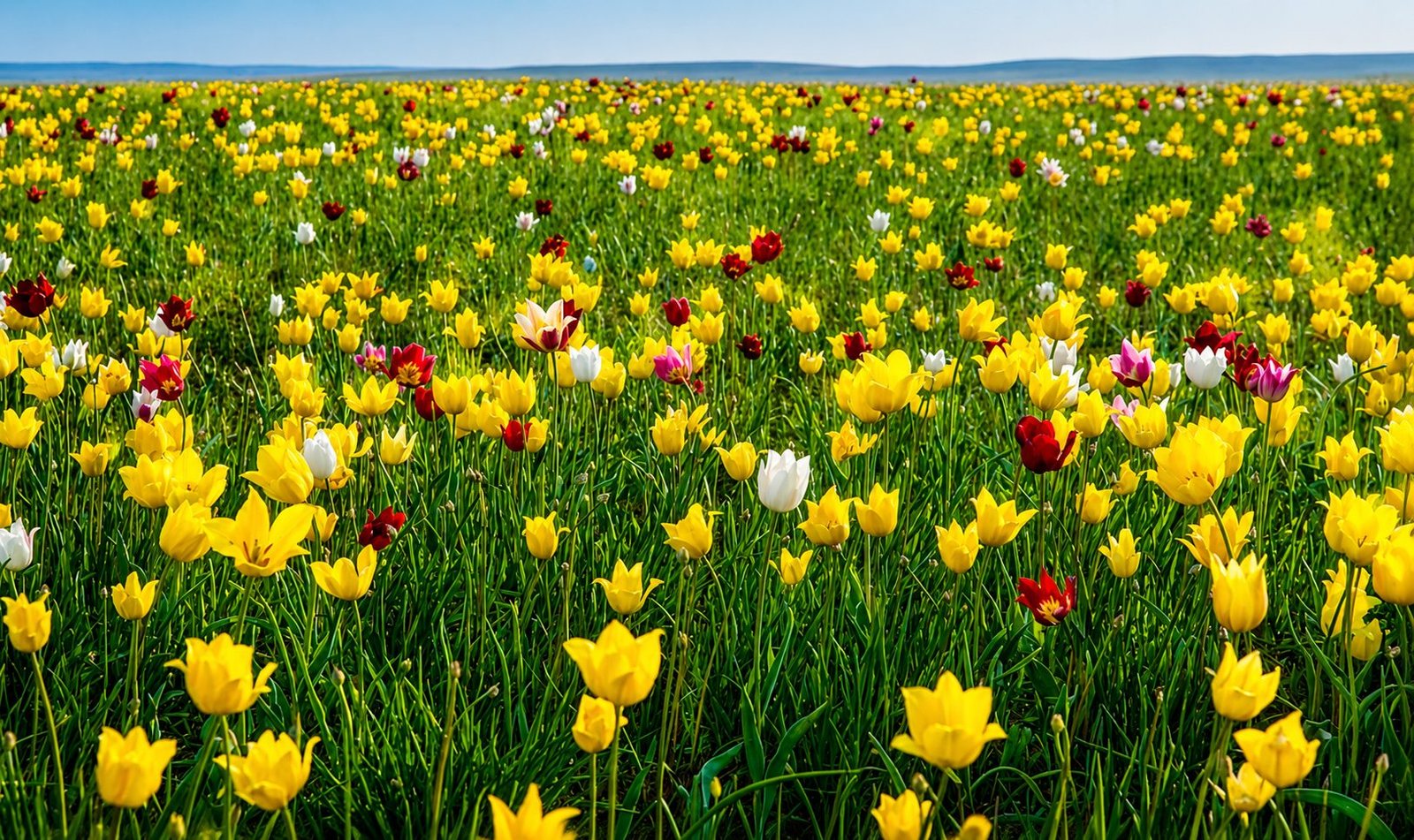
Frogs and other amphibians thrive in the marshes and shallow waters, contributing to the ecological balance of the wetland system. Reptiles adapted to steppe and wetland environments can also be found throughout the reserve, forming important links within the food chain. Plant life within Korgalzhyn is equally remarkable. Although the reserve lacks extensive forests, it supports over 443 species of plants adapted to life in the steppe. During spring, the grasslands burst into colour as wildflowers bloom across the landscape. Particularly significant are the reserve’s wild tulips, which are considered ancestors of many modern tulip varieties cultivated throughout Europe. Long before tulips became associated with the Netherlands, they flourished naturally across the Eurasian steppes. Several rare plant species found in Korgalzhyn are listed in Kazakhstan’s Red Book, including Schrenk’s Tulip, the Drooping Tulip, Volga Adonis, Yellow Pasqueflower, and Open Pasqueflower. These plants contribute to the reserve’s exceptional biodiversity and provide important habitat for insects and other wildlife. The history of Korgalzhyn reflects both environmental destruction and successful conservation. During the Soviet-era Virgin Lands Campaign of the 1950s and 1960s, vast areas of Kazakhstan’s natural steppe were converted into agricultural land. Intensive farming practices and recurring droughts caused severe ecological damage, including soil erosion and habitat loss. However, conservationists recognized the importance of preserving representative examples of the natural steppe ecosystem.
Their efforts eventually led to the establishment and expansion of Korgalzhyn Nature Reserve. Following Kazakhstan’s independence in 1991, additional lands were incorporated into the reserve, strengthening its protection despite economic challenges and periods of increased poaching. Today, visitors to Korgalzhyn often begin their journey at the Bird Paradise Visitor Center, where they can learn about the reserve’s wildlife, ecosystems, and history. Interactive exhibits introduce visitors to flamingos, migratory birds, wetland habitats, and the unique natural heritage of the Kazakh steppe. Educational programs and scientific displays help visitors understand the importance of conservation and the role the reserve plays in protecting biodiversity. Korgalzhyn also functions as one of Kazakhstan’s most important scientific research centers. Researchers continuously monitor bird populations, ecosystem health, climate patterns, and environmental changes.
Students specializing in ecology, zoology, and environmental sciences regularly conduct fieldwork within the reserve, contributing valuable data that supports conservation efforts. This ongoing research ensures that the reserve remains a living laboratory where scientists can better understand and protect fragile wetland ecosystems. Just a short drive from Astana, Korgalzhyn Nature Reserve offers one of the most extraordinary wildlife experiences in Central Asia. From vast colonies of pink flamingos and soaring pelicans to endangered Saiga antelopes and colorful wild tulips, every corner of the reserve showcases the richness of Kazakhstan’s natural heritage. As environmental pressures continue to threaten ecosystems around the world, Korgalzhyn stands as a powerful example of successful conservation and the importance of protecting critical habitats. It remains not only a sanctuary for wildlife but also a symbol of the enduring beauty and ecological significance of the Kazakh steppe.
More to Read
All issues
Exploring Kazakhstan’s Natural & Historical Treasures
Kazakhstan, the largest landlocked country in the world, is renowned for its vast steppes, majestic mountains, unique natural reserves, and rich cultural heritage. From…

Kazakhstan Accelerates Tourism Growth With Trillion-Tenge Investments & New Destinations
Kazakhstan is moving to strengthen tourism as a larger contributor to its national economy, combining major private investment with new hotels, improved transport links,…
Discover Kazakhstan — A Journey Through Mountains, Lakes, Canyons & Silk Road Heritage
Kazakhstan is one of Central Asia’s most rewarding destinations for travellers seeking a combination of dramatic landscapes, vibrant cities, nomadic traditions and Silk…