

Traditional Kazakh Sweets & Nomadic Snacks: A Taste of the Great Steppe
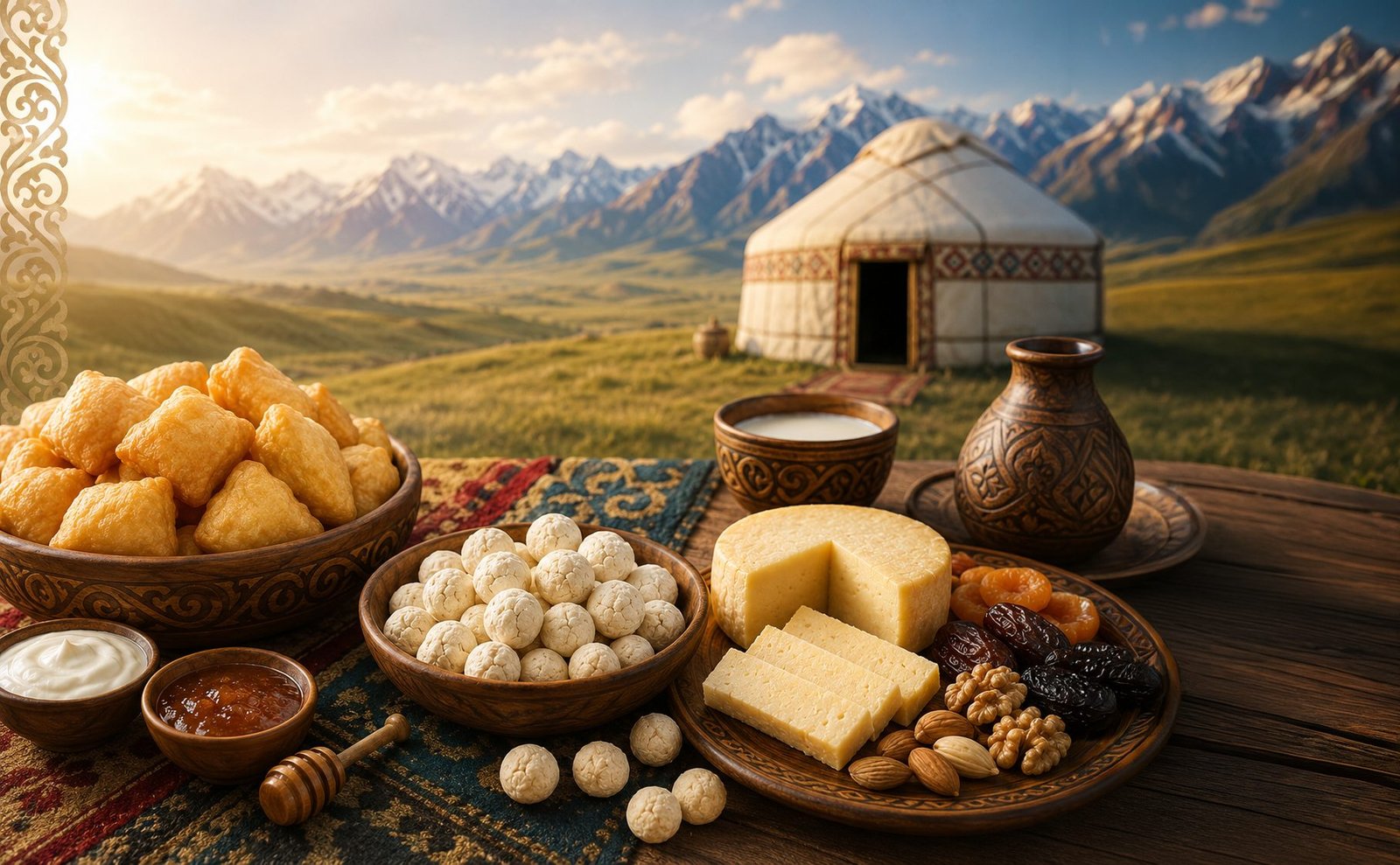
Kazakhstan’s culinary heritage is deeply rooted in the traditions of the nomadic peoples who roamed the vast Eurasian steppes for centuries. Life on the open grasslands demanded foods that were nourishing, portable, and capable of lasting through long journeys and harsh weather conditions. As a result, many traditional Kazakh dishes were developed around dairy products, simple grains, and cooking methods that emphasized preservation and practicality. Among the most beloved traditional foods are Baursak, Kurt, and Irimshik. These iconic treats continue to hold a special place in Kazakh households and are frequently served during family gatherings, celebrations, and national holidays. More than just food, they represent hospitality, cultural identity, and a connection to Kazakhstan’s nomadic past.
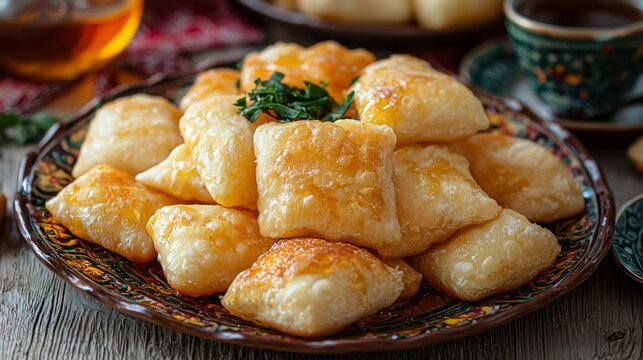
Baursak. The Golden Symbol of Hospitality No traditional Kazakh feast is complete without baursak. These golden, fluffy pieces of fried dough are one of the most recognizable and beloved foods in Kazakhstan. Their warm aroma and soft texture make them a favourite among people of all ages. Baursak is made from a simple dough consisting of flour, yeast, milk or water, eggs, and a small amount of sugar. After the dough rises, it is shaped into small balls, squares, or diamond-shaped pieces before being deep-fried until golden brown. The result is a light, airy pastry with a slightly crisp exterior and a soft, pillowy interior. Historically, baursak was an ideal food for nomadic families. The ingredients were readily available, and the pastries could be prepared in large quantities for special occasions. Over time, baursak became associated with hospitality and celebration. Guests arriving at a Kazakh home are often welcomed with a table featuring fresh baursak alongside tea and other traditional foods. The significance of baursak extends beyond everyday meals. It plays an important role in weddings, religious celebrations, family reunions, and national festivals. During festive events, large platters piled high with baursak often become the centrepiece of the table.

Although traditionally served plain, baursak can be enjoyed in many ways. Some people dip it in sour cream, while others prefer honey, fruit preserves, or homemade jam. The mild flavour of the dough pairs beautifully with both sweet and Savory accompaniments. In modern Kazakhstan, baursak remains a cherished symbol of generosity and warmth. Whether served at a village celebration or in a modern city café, it continues to represent the welcoming spirit that is central to Kazakh culture.

Kurt: The Ultimate Nomadic Snack
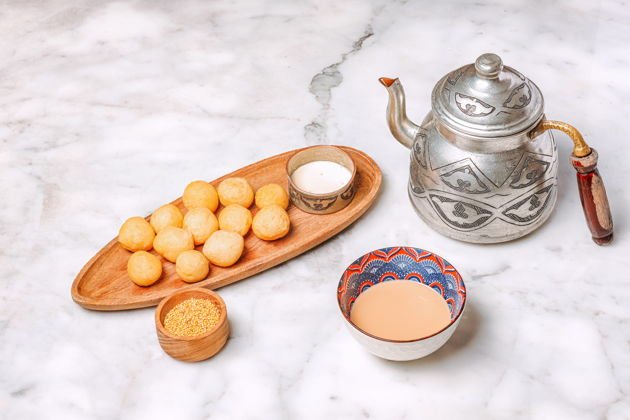
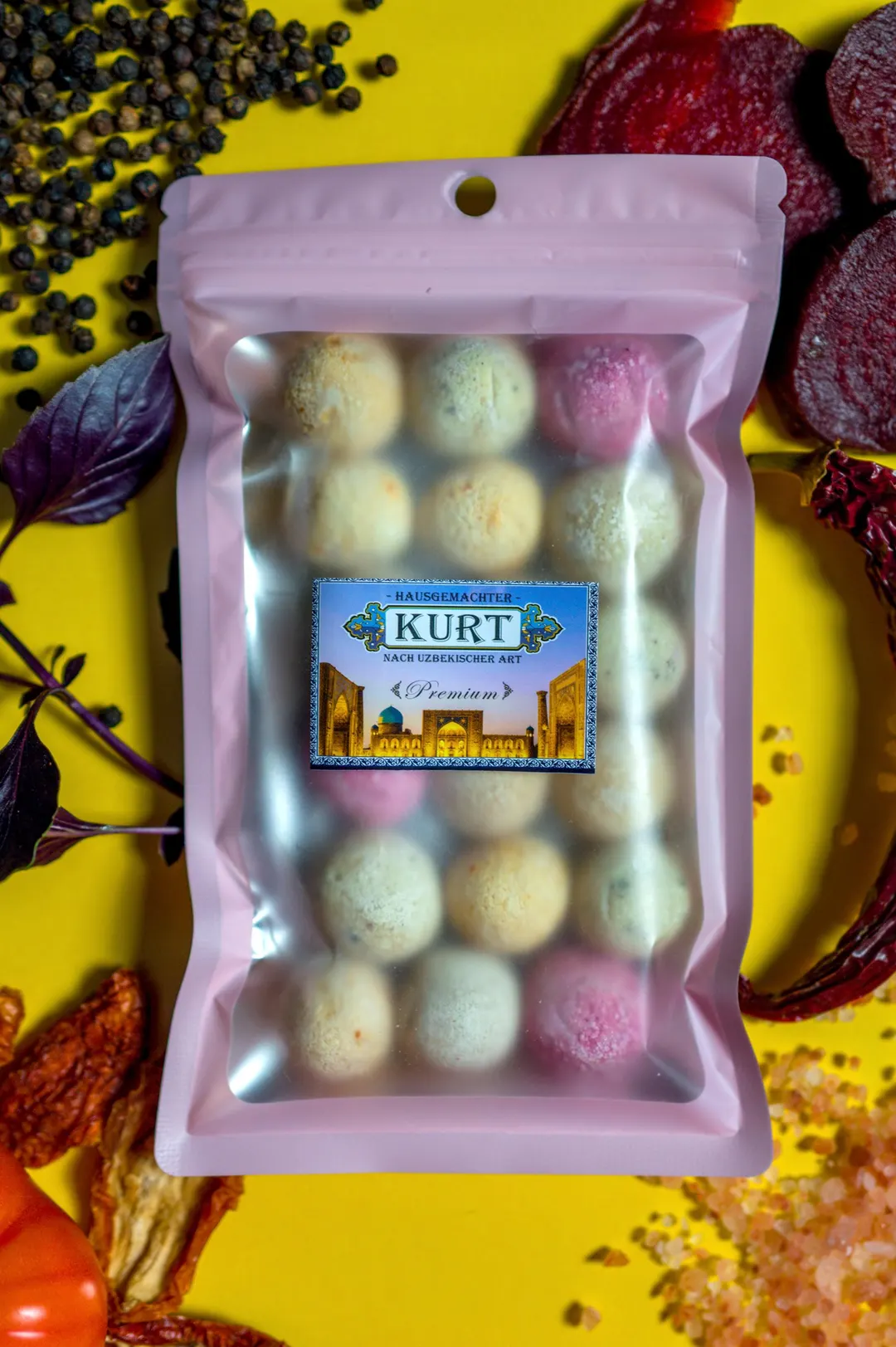
Among Kazakhstan’s most unique traditional foods is kurt, a small dried dairy product that has been a staple of nomadic life for centuries. Though simple in appearance, kurt reflects the ingenuity and resourcefulness of the Kazakh people. Kurt is made from fermented milk, usually sourced from cows, sheep, or goats. The milk is transformed into a thick curd, which is then strained to remove excess moisture. Salt is added before the mixture is shaped into small balls or compact pieces and left to dry naturally. The drying process creates a hard, durable snack that can be stored for months without refrigeration. This quality made kurt an invaluable food for nomads traveling long distances across the steppe. Lightweight, nutritious, and resistant to spoilage, it provided a reliable source of energy during journeys and seasonal migrations.

One of kurt’s most distinctive characteristics is its flavour. It has a strong, salty, and slightly tangy taste that reflects its fermented origins. For those unfamiliar with it, kurt may seem unusual at first, but many people quickly develop an appreciation for its rich dairy flavour and satisfying texture. Kurt is often eaten on its own as a snack, but it can also be used in various culinary applications. Some people dissolve it in hot water to create a nourishing drink or soup base. Others crumble it into dishes to add depth and flavour. Its concentrated nutritional value has made it popular among travelers, hikers, and those seeking a traditional source of protein and minerals.
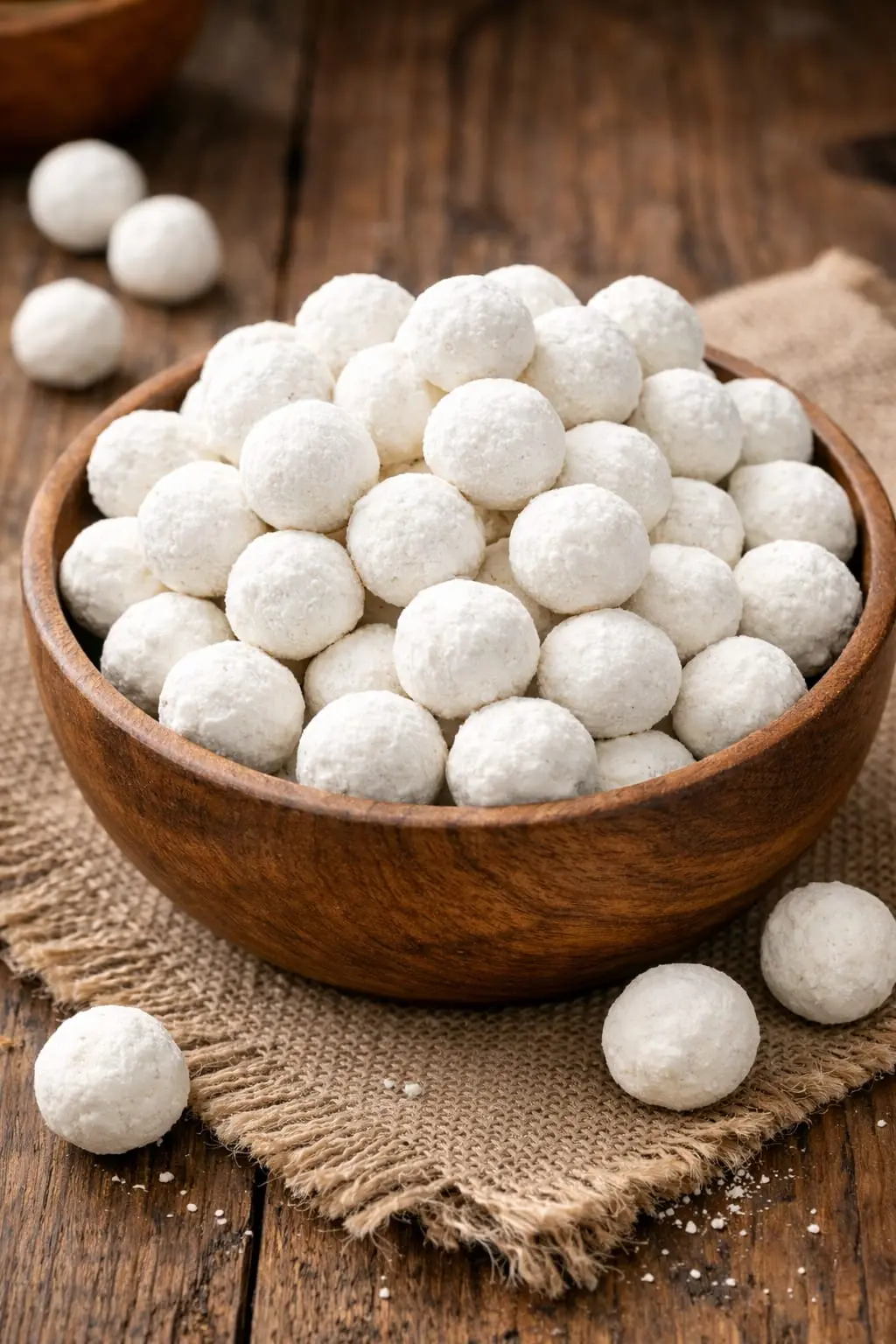
Beyond its practical uses, kurt holds cultural significance. It represents the self-sufficiency and adaptability of the nomadic lifestyle. For generations, families passed down techniques for making and preserving kurt, ensuring that this traditional food remained an essential part of daily life. Today, kurt can be found in markets across Kazakhstan, where it continues to connect modern consumers with centuries-old traditions. Despite changing lifestyles and modern conveniences, this humble dairy snack remains a powerful symbol of Kazakhstan’s nomadic heritage.


Irimshik: Kazakhstan’s Traditional Sweet Cheese
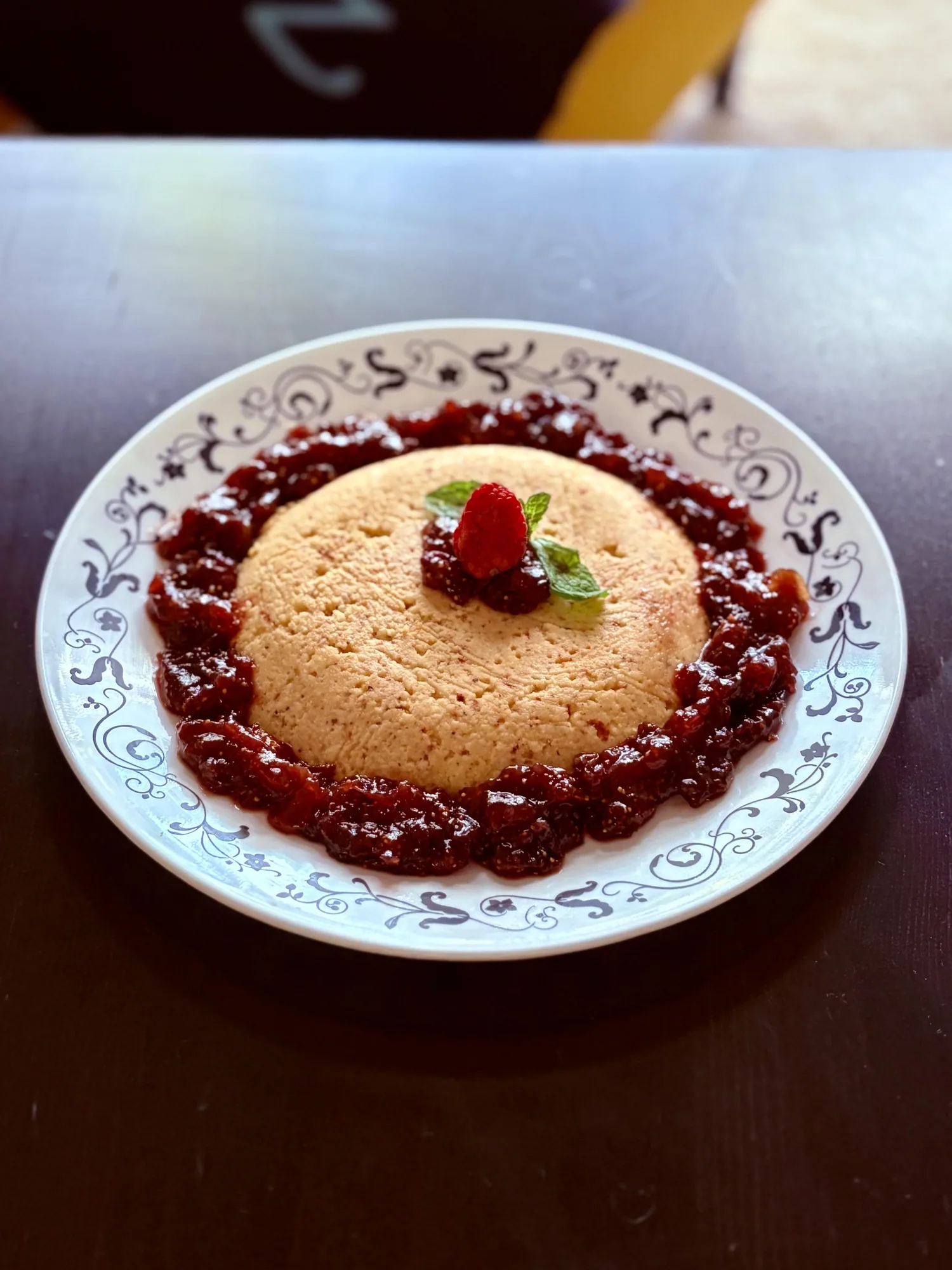
Another treasured dairy product in Kazakh cuisine is irimshik, a traditional cheese known for its slightly sweet flavour and unique texture. Made from cow’s or sheep’s milk, irimshik showcases the importance of dairy in the culinary traditions of the Kazakh steppe. The preparation of irimshik begins by heating milk and encouraging it to curdle. The resulting curds are carefully processed and cooked until they develop the desired consistency. Depending on regional traditions and preparation methods, irimshik can range from soft and crumbly to firm and dense. One of the defining features of irimshik is its subtle sweetness. Unlike many cheeses found in Western cuisines, irimshik often carries a naturally sweet taste that makes it suitable for desserts and snacks. In some households, additional sugar or honey may be added to enhance its sweetness.
For nomadic communities, irimshik served both practical and nutritional purposes. The cheese could be preserved for extended periods and provided valuable nutrients, including protein and calcium. It was particularly useful during seasons when fresh food was less readily available. Irimshik is commonly enjoyed as a standalone snack, but it also appears in a variety of traditional dishes. It can be paired with tea, incorporated into pastries, or served alongside dried fruits and nuts. Some families prepare sweet versions for special occasions, while others prefer more natural variations that highlight the flavor of the milk. The production of irimshik reflects the close relationship between the Kazakh people and their livestock. Dairy products have long formed the foundation of traditional nutrition, and irimshik stands as an excellent example of how simple ingredients can be transformed into flavorful and lasting foods. Today, irimshik remains a beloved part of Kazakhstan’s culinary landscape. It bridges the gap between ancient traditions and modern tastes, offering a glimpse into the resourceful food culture that developed on the vast steppes.

Preserving a Culinary Heritage
Baursak, kurt, and irimshik each tell a different story about Kazakhstan’s history and way of life. Baursak represents hospitality and celebration. Kurt embodies the resilience and practicality of nomadic living. Irimshik highlights the importance of dairy and the creativity of traditional food preservation methods. Together, these foods illustrate how the Kazakh people adapted to their environment and transformed simple ingredients into cherished culinary traditions. They are more than snacks or sweets; they are cultural symbols passed down through generations. As Kazakhstan continues to modernize and engage with the global community, traditional foods remain an important part of national identity. Festivals, family gatherings, and cultural events frequently feature these classic dishes, ensuring that younger generations maintain a connection to their heritage. For visitors exploring Kazakhstan, tasting baursak, kurt, and irimshik offers more than a culinary experience. It provides insight into the history, values, and traditions of a nation shaped by centuries of nomadic life. Through these simple yet meaningful foods, the spirit of the Great Steppe continues to thrive.
More to Read
All issues
A Taste of the Kazakh Steppe — Exploring Kazakhstan Through Its Traditional Food, Hospitality and Nomadic Heritage
Food in Kazakhstan is more than nourishment. It is a living expression of the country’s nomadic past, its vast landscapes and its deeply rooted tradition of hospitality.…

Rixos Borovoe
Discovering Luxury in Kazakhstan’s Natural Landscape

Exploring Kazakhstan’s Natural & Historical Treasures
Kazakhstan, the largest landlocked country in the world, is renowned for its vast steppes, majestic mountains, unique natural reserves, and rich cultural heritage. From…