Kazakhstan’s Geological Renaissance — How Investment, Innovation & Infrastructure Are Unlocking a New Resource Future
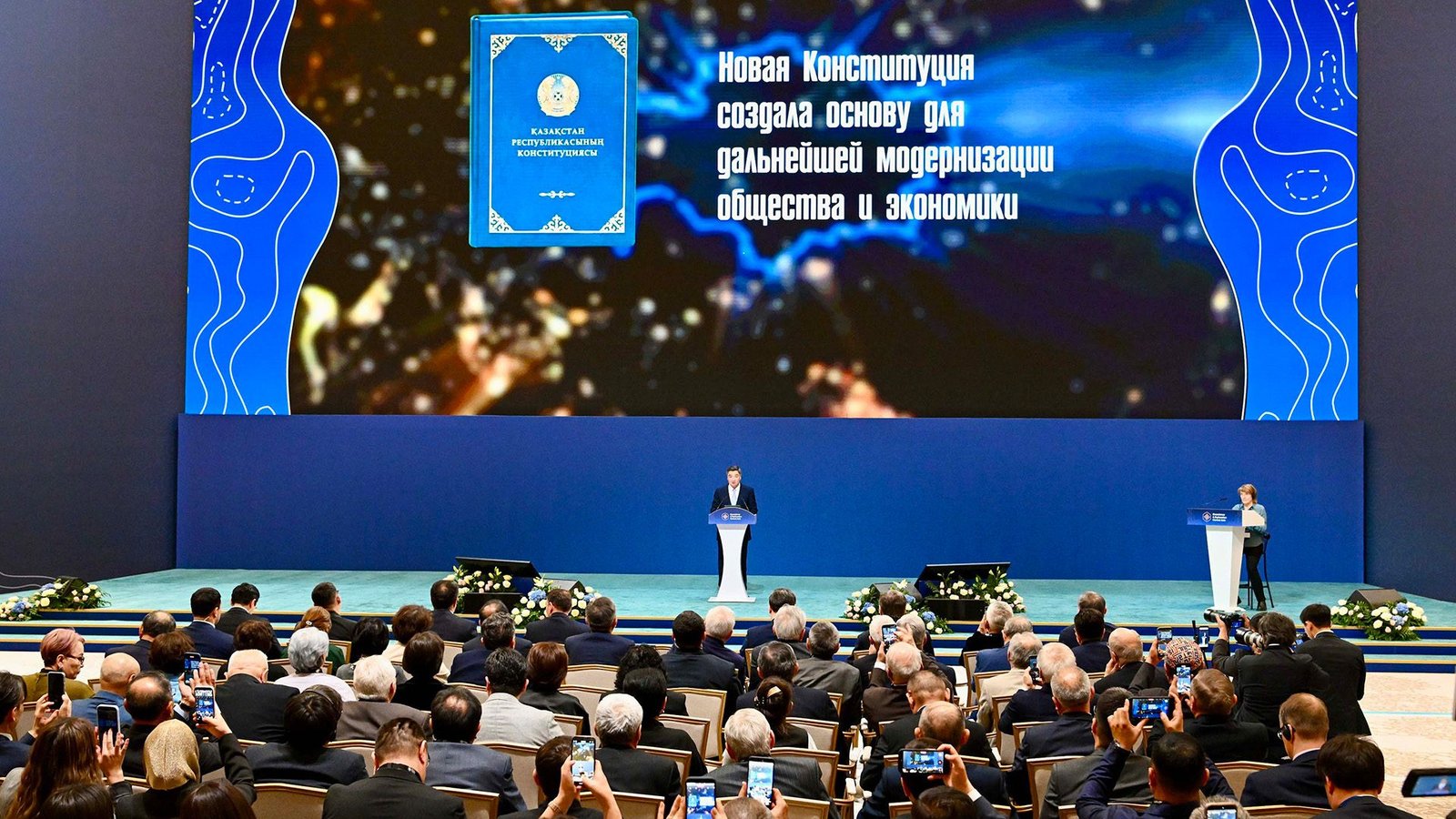
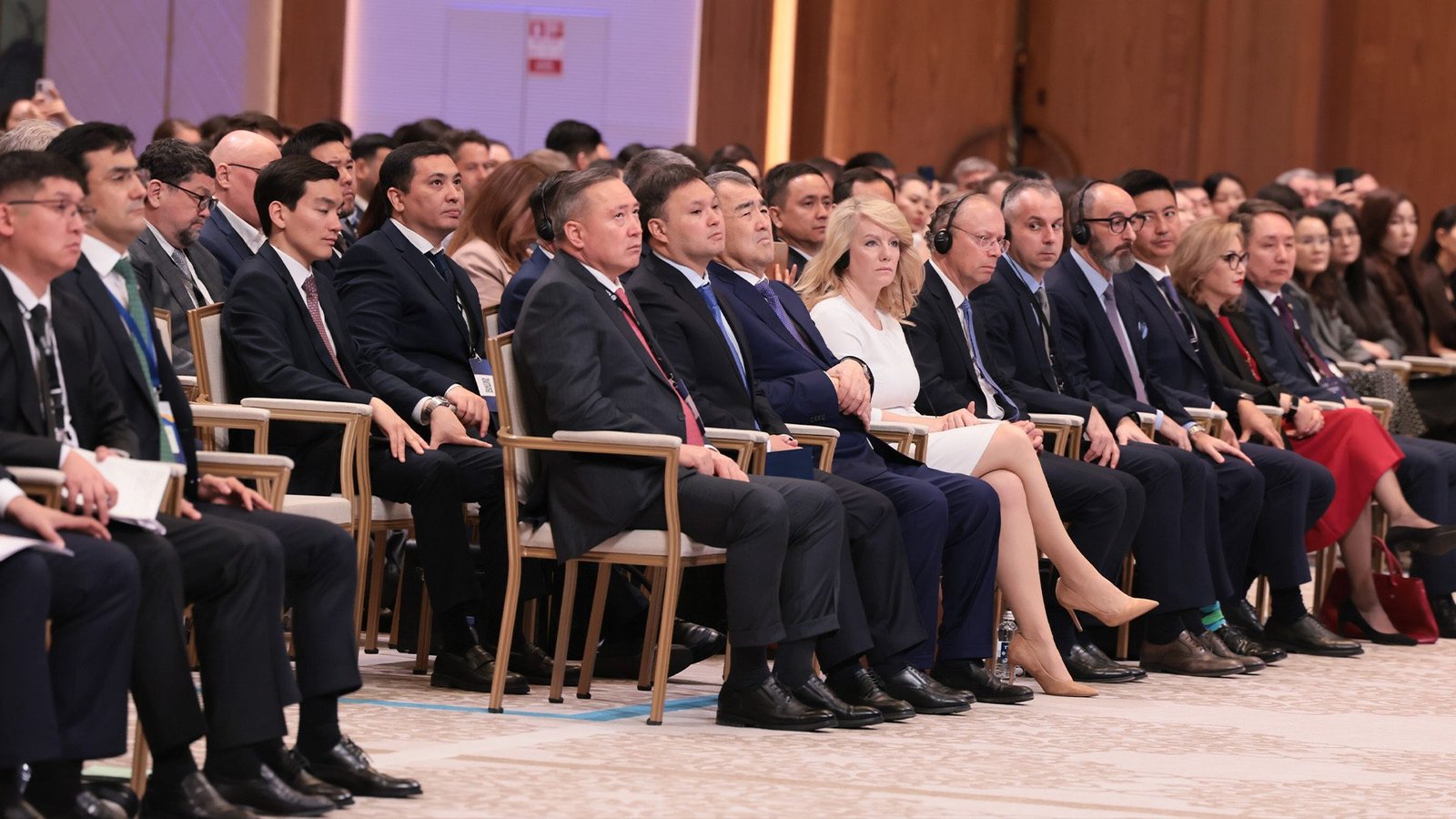
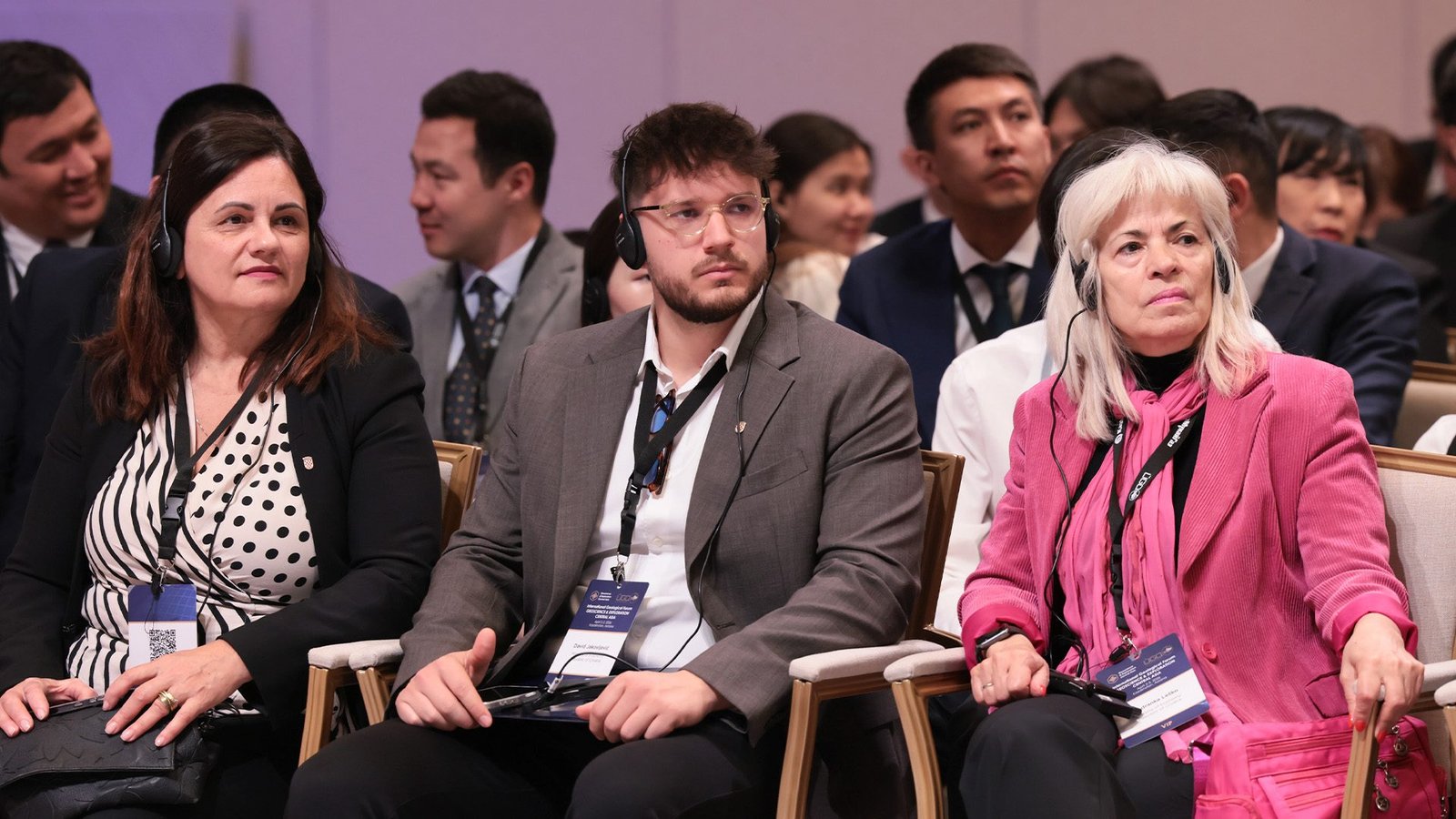
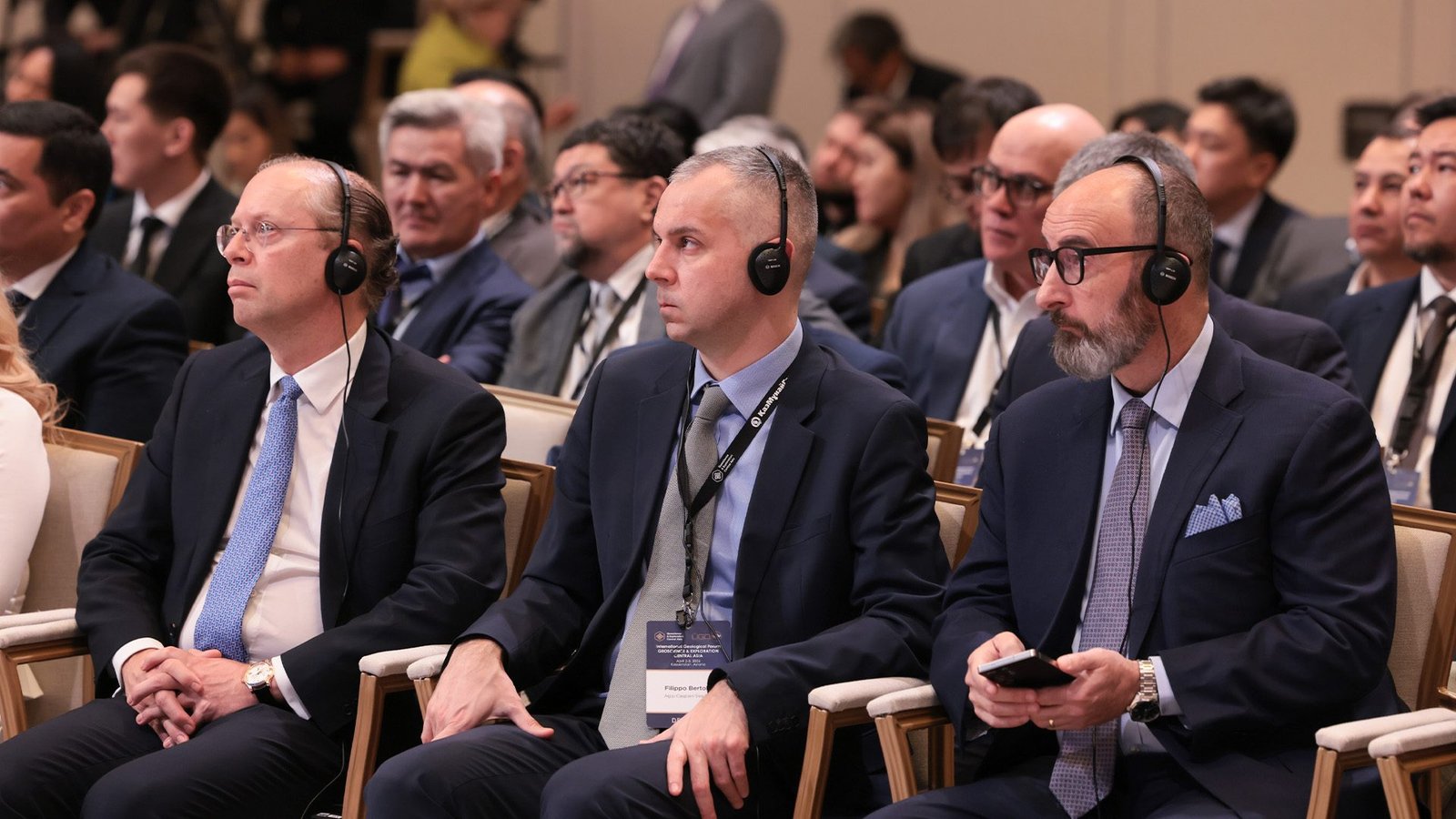
Kazakhstan is entering a transformative era in the development of its geological sector, positioning itself as one of the world’s most promising destinations for mineral exploration, resource development, and investment. As global demand for critical minerals, rare earth elements, energy resources, and industrial metals continues to rise, the country is responding with an ambitious strategy that combines institutional reform, technological modernization, international cooperation, and large-scale infrastructure development. These priorities were highlighted during the GECA 2026 Forum, a major industry gathering that brought together representatives of international organizations, members of the diplomatic community, government officials, industry leaders, investors, and geological experts from Kazakhstan and abroad. The forum served as a platform to discuss the future of geological exploration, resource management, and sustainable mining development while showcasing the country’s determination to unlock the full potential of its vast underground wealth.
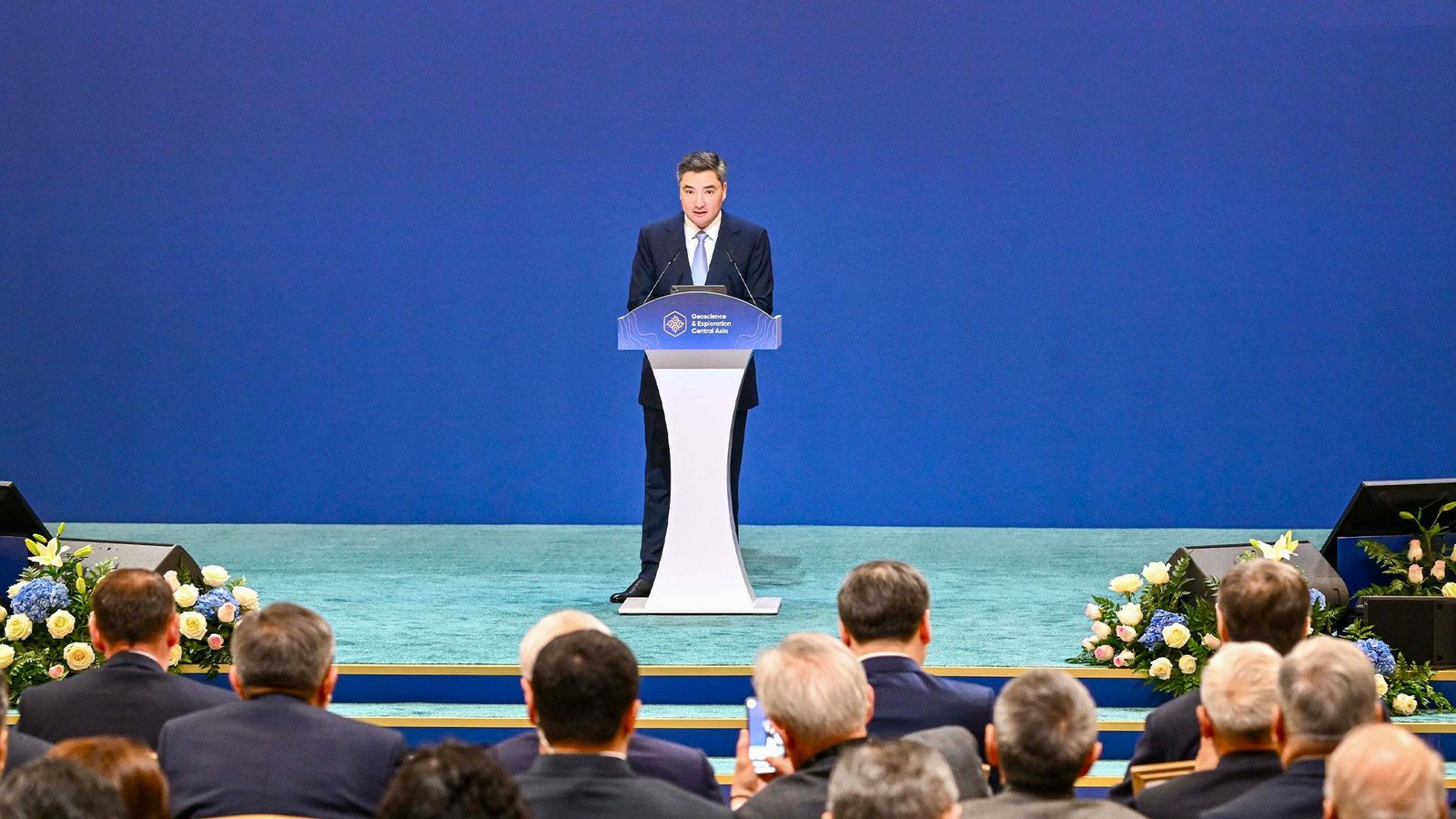
Addressing participants during the plenary session, Prime Minister Olzhas Bektenov underscored the strategic importance of geological exploration as a cornerstone of Kazakhstan’s long-term economic development. He noted that the industry plays a critical role in supporting industrial growth, attracting investment, ensuring resource security, and creating new opportunities for technological advancement. Bektenov emphasized that the current year marks a significant chapter in Kazakhstan’s modern history following the adoption of a new Constitution. According to the Prime Minister, the constitutional reforms have laid the groundwork for comprehensive modernization across society and the economy. The successful nationwide referendum demonstrated public support for the reform agenda championed by President Kassym-Jomart Tokayev and opened new pathways for strengthening transparency, improving governance, enhancing the investment climate, and fostering human capital development. Within this broader framework of national transformation, geological exploration has emerged as a strategic priority capable of driving economic diversification and industrial competitiveness. Over the past several years, Kazakhstan has undertaken a series of systemic reforms designed to improve the attractiveness of its subsoil use sector and create more favorable conditions for investors.
These measures reflect a recognition that geological exploration is not merely an extractive activity but a critical component of economic planning and industrial development. Modern geological knowledge enables governments and businesses to make informed decisions regarding resource utilization, infrastructure investment, environmental management, and long-term growth strategies. One of the most important achievements in this reform process has been the launch of the Unified Subsoil Use Portal. Designed to enhance transparency and efficiency, the digital platform provides investors and companies with streamlined access to services related to geological exploration and resource development. The portal adopts the internationally recognized “first come, first served” principle, reducing bureaucratic barriers and simplifying procedures for obtaining subsoil use rights. By making the regulatory environment more predictable and accessible, Kazakhstan has significantly strengthened investor confidence.
The impact of these reforms is already becoming evident. Over the last three years, approximately 280 billion tenge in private investment has been directed toward geological exploration activities. This influx of capital demonstrates growing international and domestic interest in Kazakhstan’s resource sector and reflects confidence in the country’s commitment to creating a transparent and investor-friendly business environment. For many exploration companies, access to geological data, regulatory clarity, and efficient permitting processes are among the most important factors influencing investment decisions. Kazakhstan’s efforts in these areas have helped position the country as an increasingly attractive destination for exploration projects. Beyond regulatory improvements, Kazakhstan is also modernizing the technical foundations of its geological industry. International standards for reserve reporting have been introduced, bringing the country’s practices into alignment with globally recognized frameworks.
Such standards are essential for ensuring the credibility and comparability of geological information, enabling investors, financial institutions, and industry stakeholders to evaluate resource projects with greater confidence. Transparent reserve reporting is particularly important in attracting international investment, as it reduces uncertainty and supports informed decision-making. The modernization effort extends to geological mapping and research methodologies. Kazakhstan is transitioning toward the development of high-resolution geophysical maps at a scale of 1:50,000, a significant advancement that will provide more detailed information about the country’s geological structures and mineral potential. Enhanced mapping capabilities allow geologists to identify promising exploration targets more accurately, reduce exploration risks, and improve the efficiency of resource discovery. Such initiatives are crucial as the industry increasingly relies on advanced technologies, data analytics, and digital tools to guide exploration activities.
At the same time, the government is pursuing a broader vision for the geological sector that incorporates sustainability, innovation, and long-term resource management. Among the priorities identified by policymakers is the utilization of technogenic mineral formations—materials generated through mining and industrial processes that contain valuable minerals capable of being recovered and reused. The development of technologies and strategies for processing these resources represents an important opportunity to increase resource efficiency while reducing environmental impacts. Groundwater management is another area receiving increased attention. Kazakhstan continues to conduct systematic inventories of groundwater reserves to support water security, agricultural development, industrial activity, and environmental sustainability. As climate challenges intensify across many regions of the world, effective management of water resources is becoming increasingly important.
Geological research plays a vital role in understanding groundwater systems and ensuring their sustainable use for future generations. Recognizing that the future of geology depends on people as much as technology, Kazakhstan is also investing in human capital development. The government is working to train a new generation of specialists capable of operating within an increasingly digital and technologically advanced industry. These efforts focus on developing geologists, engineers, data analysts, and technical experts who can leverage modern exploration methods, artificial intelligence, remote sensing technologies, and advanced data processing tools. By strengthening educational and professional development programs, the country aims to ensure that its workforce remains competitive in a rapidly evolving global industry. A central component of Kazakhstan’s modernization strategy is the creation of a major geological cluster in Astana.
This ambitious initiative is designed to become a hub for research, analysis, data management, and scientific collaboration. The cluster will include a state-of-the-art analytical laboratory, a core storage facility, and a geological information repository. Together, these facilities will provide researchers, government agencies, and industry participants with access to critical geological resources and technical infrastructure. The geological cluster is expected to serve as a focal point for collaboration among scientists, engineers, educational institutions, and private-sector companies. By bringing together expertise and technical resources in a single location, the center aims to accelerate geological research, improve data accessibility, and support innovation throughout the industry. Such infrastructure investments reflect Kazakhstan’s understanding that modern resource development depends not only on extraction but also on knowledge generation, scientific excellence, and technological advancement.
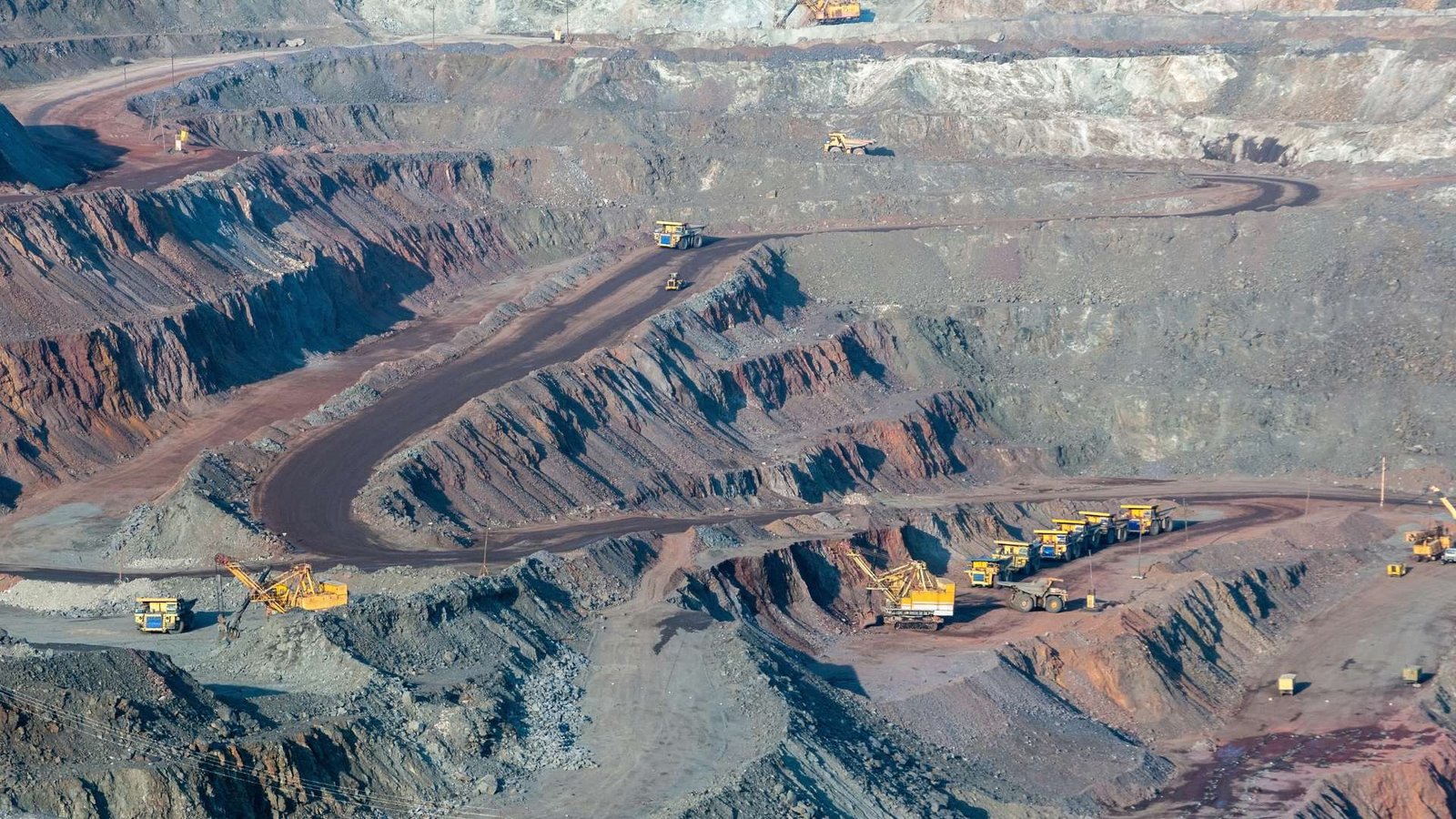
The country’s confidence in the future of its geological sector is supported by an exceptionally rich mineral resource base. Kazakhstan possesses approximately 10,000 identified mineral deposits and ranks among the world’s leading resource-rich nations. Its reserves include more than 2.3 thousand tons of gold, 4.3 billion tons of oil, 3.8 trillion cubic meters of natural gas, 33.5 billion tons of coal, and 26.7 billion tons of iron ore. These resources provide a strong foundation for industrial development, export growth, and economic diversification. Particularly noteworthy is Kazakhstan’s growing importance in the field of rare earth elements and critical minerals. As the global economy transitions toward renewable energy systems, electric vehicles, advanced electronics, and high-tech manufacturing, demand for these materials is increasing rapidly.
Kazakhstan possesses significant reserves of rare earth metals and is actively exploring opportunities to expand production and processing capabilities. One of the most promising recent discoveries is the Kuiryqtykol deposit, identified in 2025. The deposit contains approximately 800,000 tons of rare earth elements, including cerium, neodymium, yttrium, and other strategically important minerals. These materials are essential components in a wide range of technologies, from wind turbines and electric vehicle motors to defense systems and advanced electronics. The discovery has attracted considerable interest from investors and industry observers who view Kazakhstan as an emerging player in global critical mineral supply chains. To further strengthen its geological knowledge base, Kazakhstan continues to expand the geological and geophysical study of its territory.
Acting on instructions from President Tokayev, the government has set an ambitious target of increasing geological coverage to 2.2 million square kilometers. Significant progress has already been achieved, with nearly 2.04 million square kilometers surveyed to date. Expanding geological knowledge across the country will improve understanding of mineral potential, support future exploration projects, and contribute to more effective resource management. The scale of the government’s commitment is reflected in its investment plans. Funding allocated for geological study has increased tenfold, and approximately $500 million is expected to be invested in geological exploration and research activities over the next three years. Such substantial financial support underscores the strategic importance that Kazakhstan places on geology as a driver of economic growth and industrial development.
International cooperation remains another key pillar of Kazakhstan’s approach. The GECA 2026 Forum provided an opportunity for experts and officials from neighboring countries and international organizations to exchange experiences, discuss best practices, and explore opportunities for collaboration. Discussions focused on the application of digital technologies, artificial intelligence, modern exploration techniques, and innovative approaches to resource management. Among those contributing to the dialogue were Minister of Industry and Construction Yersaiyn Nagaspayev, Deputy Minister of Mining Industry and Geology of Uzbekistan Rustam Yusupov, and Head of the Main Department of Geology under the Government of Tajikistan Ilkhomjon Oymukhammadzoda. Their participation highlighted the growing importance of regional cooperation in addressing common challenges and advancing geological research across Central Asia.
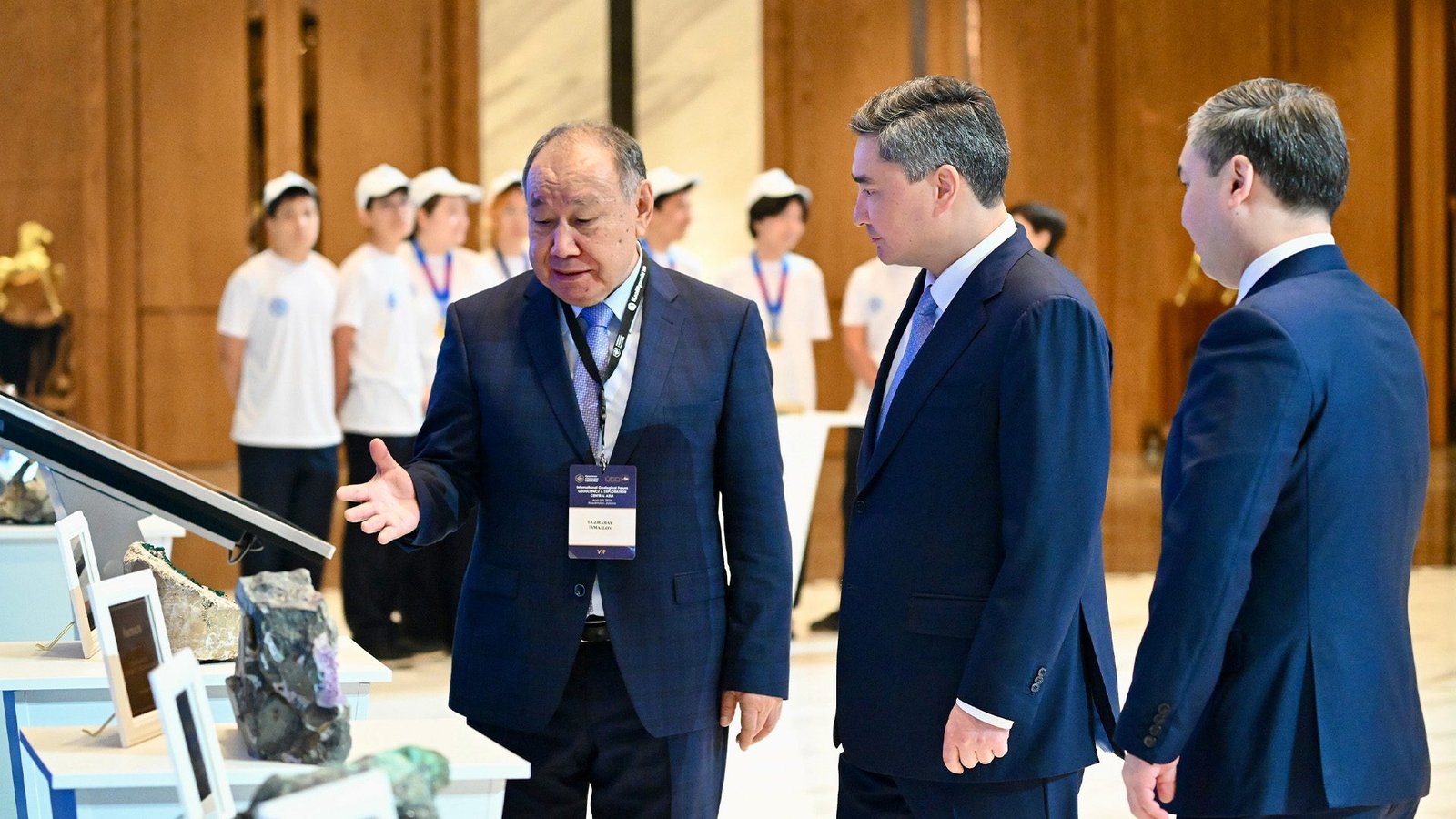
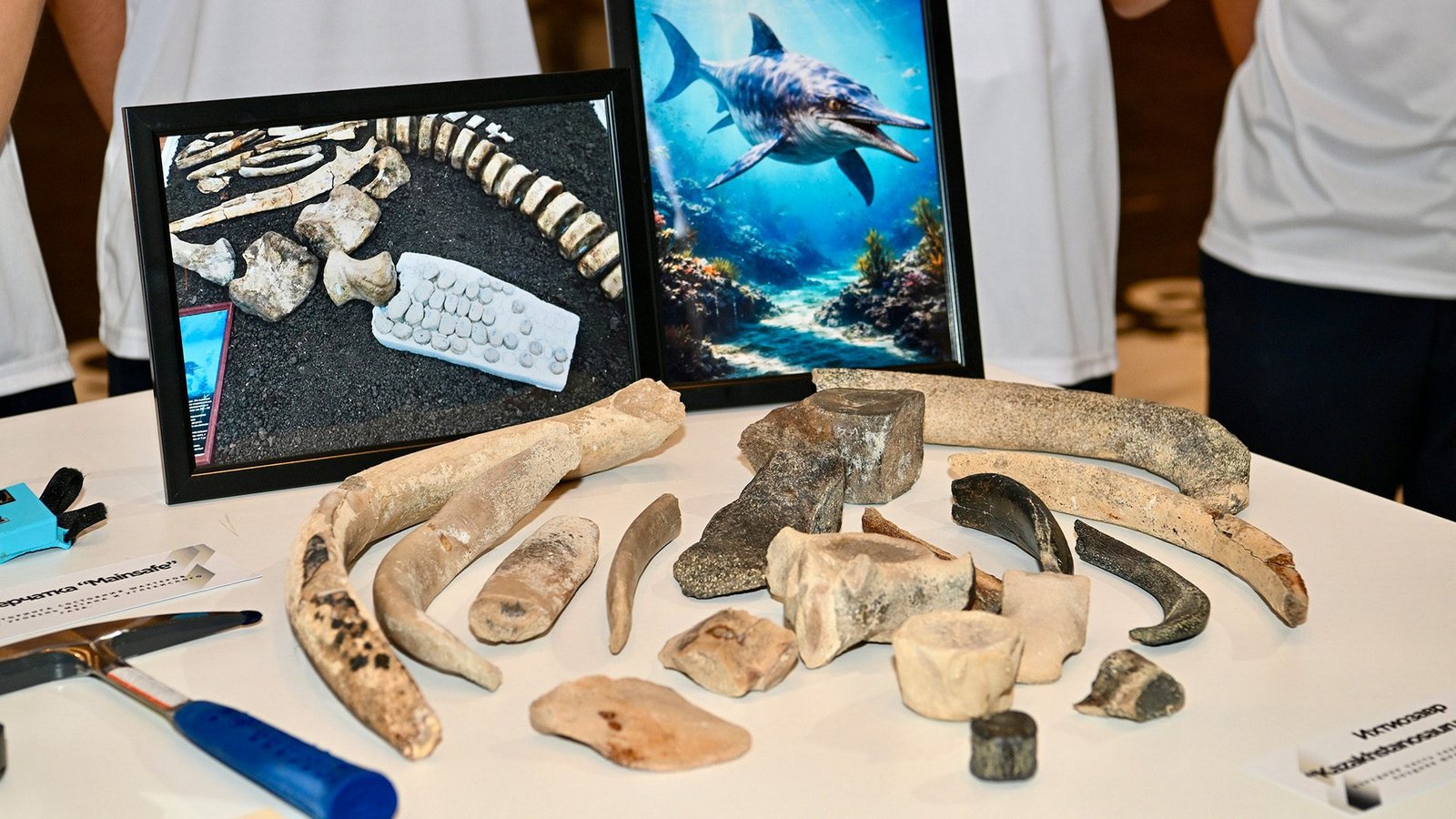
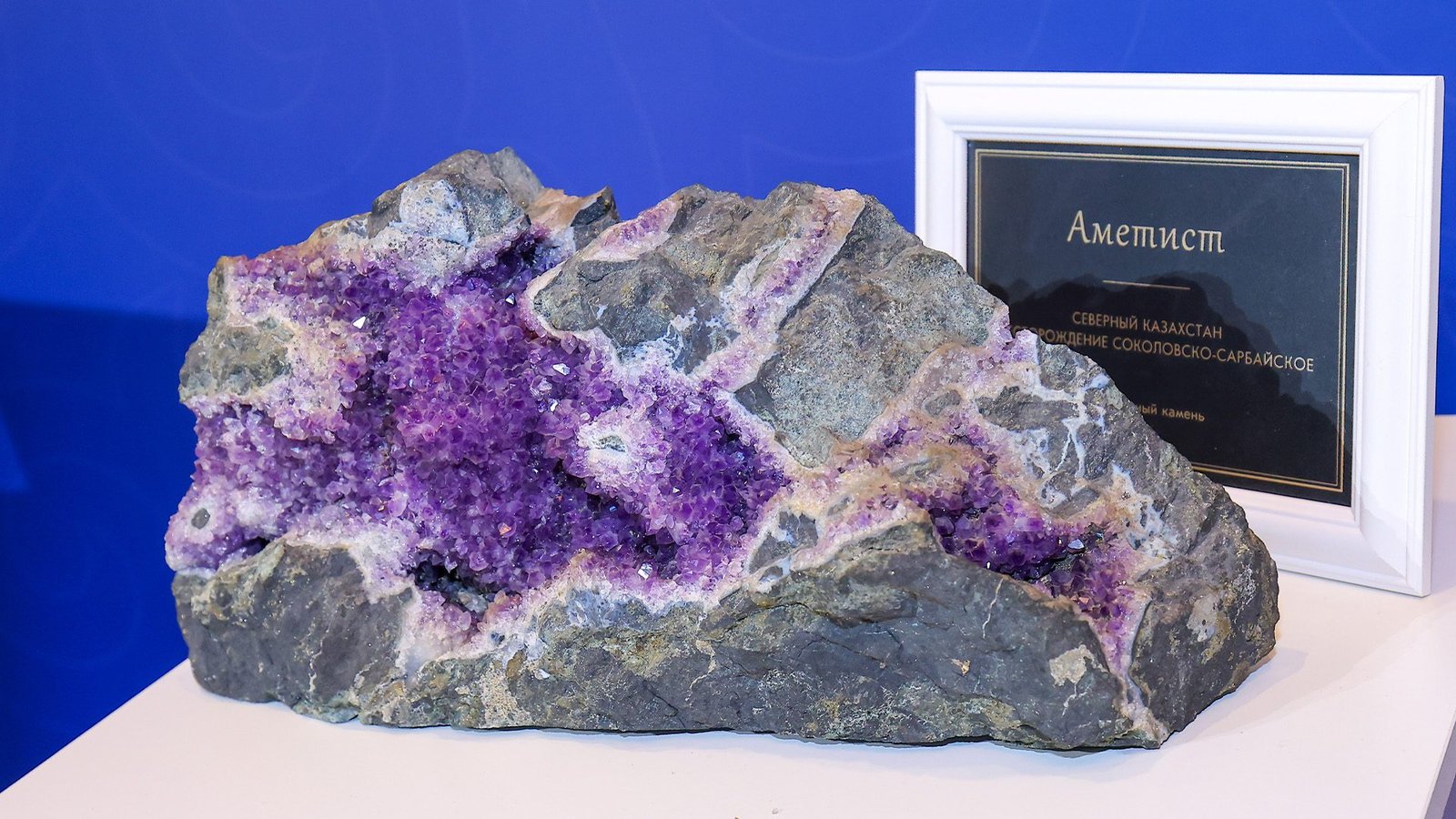
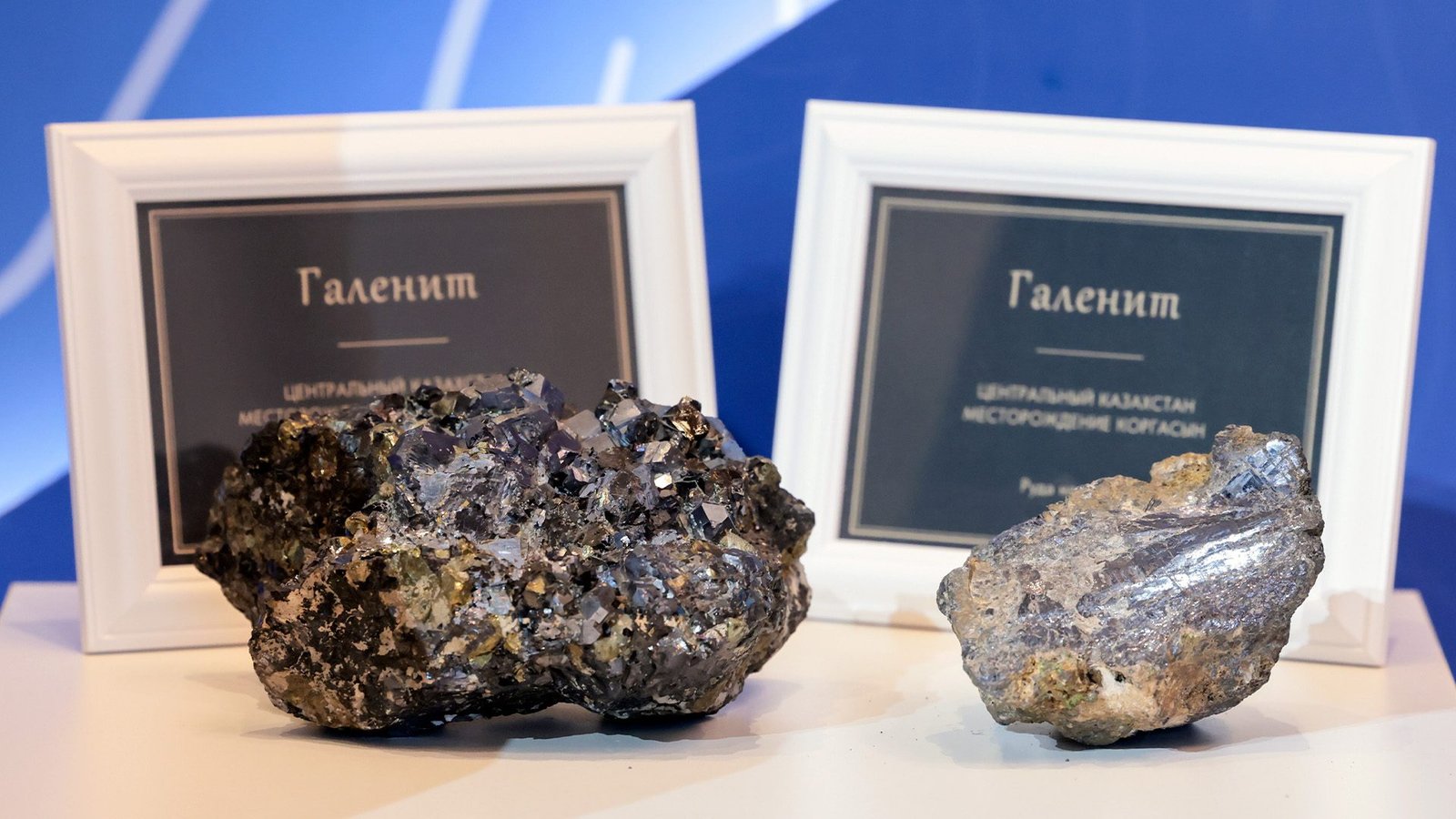
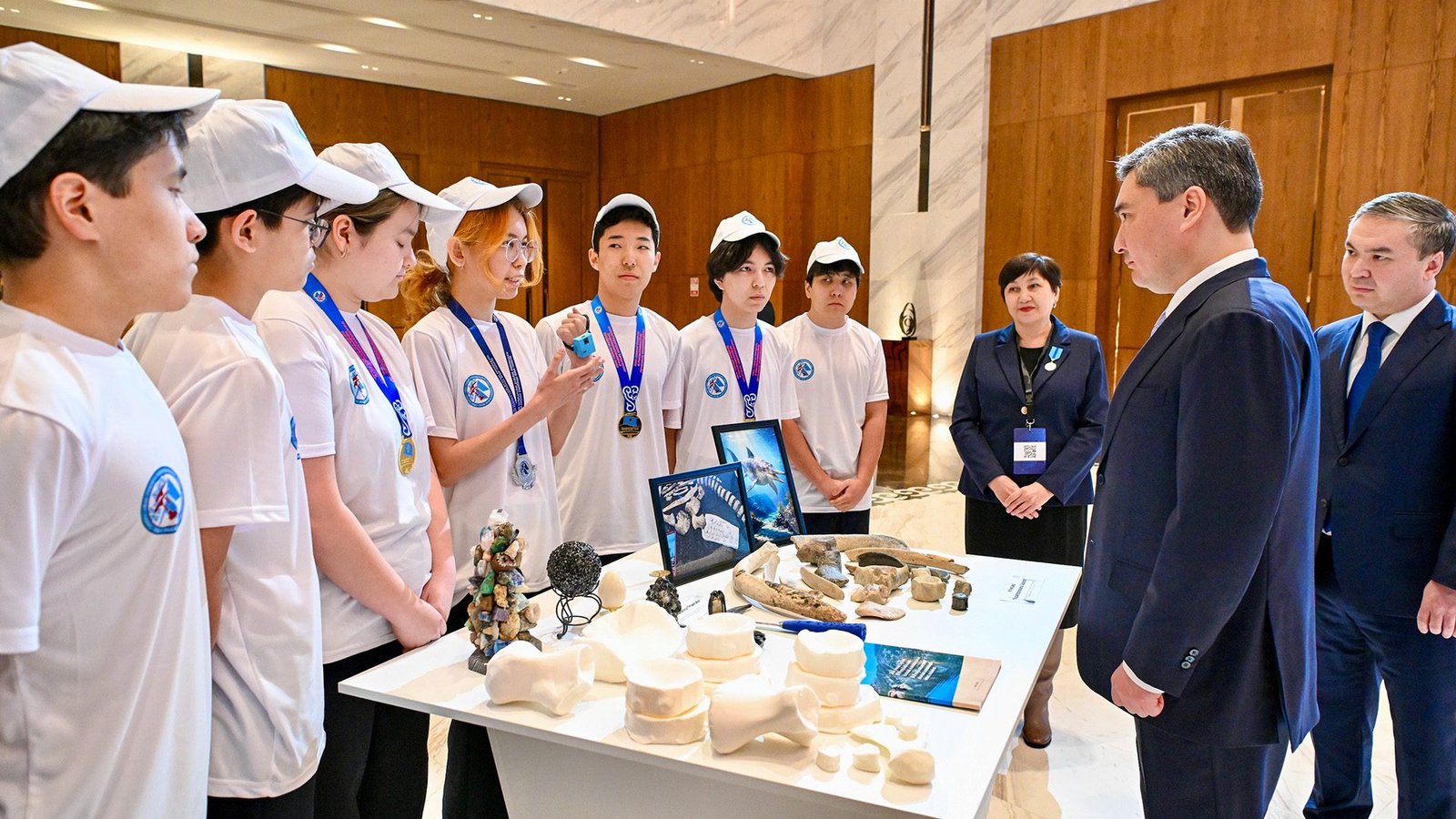
As countries throughout the region seek to maximize the value of their natural resources while embracing sustainability and technological innovation, collaborative initiatives are becoming increasingly valuable. The forum also showcased the future-facing vision of Kazakhstan’s geological sector through exhibitions and presentations. Prime Minister Bektenov visited the “Zhas Geolog” stand, which highlighted initiatives aimed at inspiring and supporting young professionals entering the industry. He also explored mineral exhibitions and reviewed plans for the geological cluster, gaining insight into the technologies, resources, and infrastructure that will shape the next phase of the country’s geological development. As global competition for strategic resources intensifies, Kazakhstan is positioning itself not only as a supplier of raw materials but also as a center for geological expertise, technological innovation, and sustainable resource management.
Through regulatory reform, infrastructure development, scientific investment, digital transformation, and international cooperation, the country is laying the foundation for a modern geological industry capable of supporting long-term economic prosperity. The initiatives highlighted at the GECA 2026 Forum demonstrate a clear commitment to transforming geological exploration into a catalyst for national development. By combining vast natural resources with modern governance, advanced technology, and a skilled workforce, Kazakhstan is building a future in which geology serves as both an economic engine and a strategic asset. As exploration expands, new discoveries emerge, and infrastructure projects take shape, the nation is steadily strengthening its position as one of the most dynamic and resource-rich economies in Eurasia.
More to Read
All issues
Kazakhstan Attracts Over $100 Billion in U.S. Investment, Deepening Economic Cooperation
Kazakhstan is seeking to deepen its economic partnership with the United States as American investment in the Central Asian country surpasses $100 billion, according to…
Kazakhstan & China Open New Chapter in Strategic Investment Cooperation
President Kassym-Jomart Tokayev has outlined an ambitious new phase of economic cooperation between Kazakhstan and China, calling for deeper investment in transport,…

Akmola Region Advances Kazakhstan’s Gold Industry with Major Zijin RG Gold Expansion
Akmola Region is entering a significant new phase in the development of Kazakhstan’s gold industry as Zijin RG Gold moves ahead with a major new processing facility at…