
Kazakhstan’s Industrial Transformation Gathers Pace as Manufacturing Gains Ground
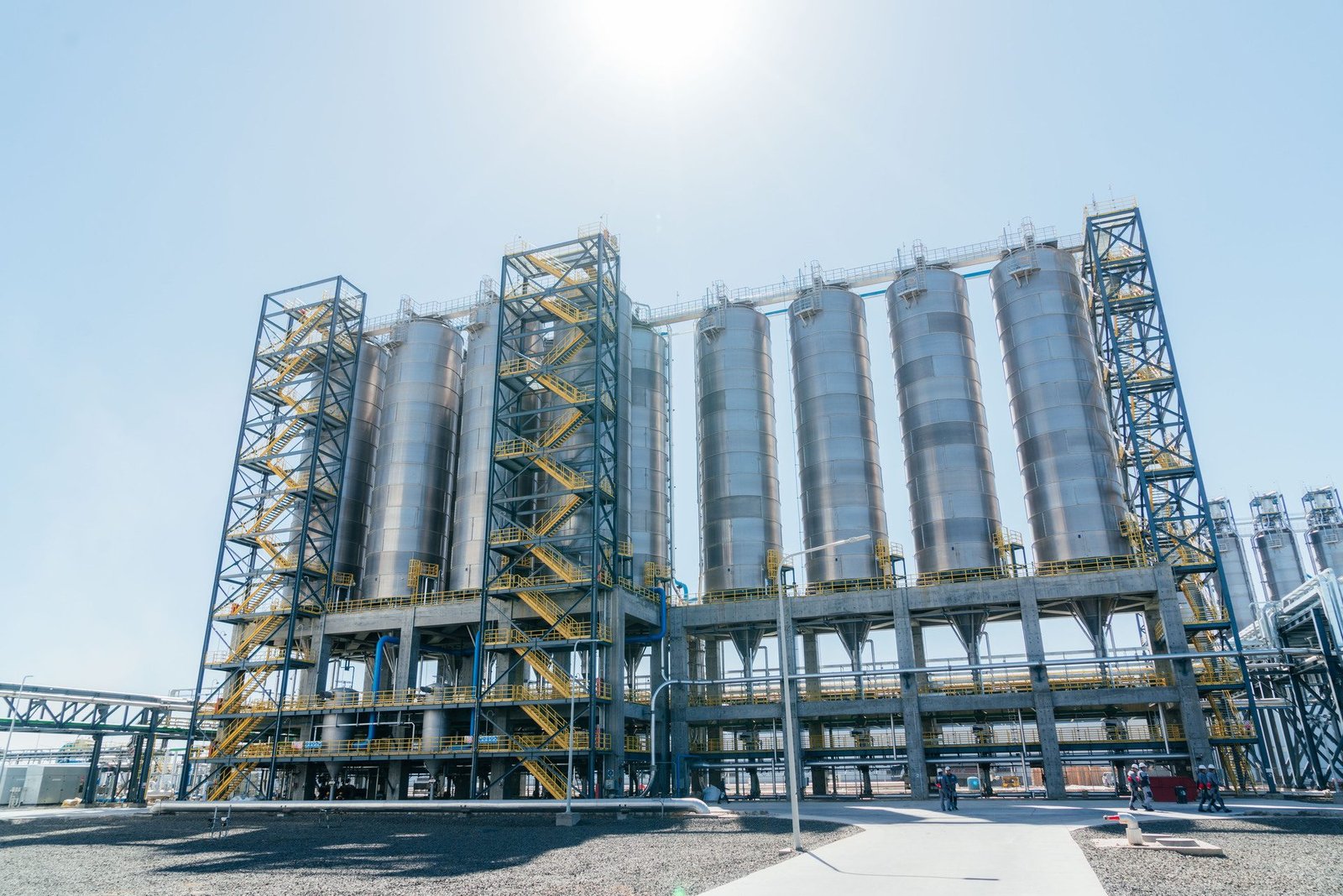
Kazakhstan’s industrial economy is entering an important phase of transition. While mining and hydrocarbons remain central to the country’s economic model, manufacturing is increasingly emerging as a second engine of industrial growth. The latest official statistics show a notable divergence: manufacturing output continues to expand strongly even as oil and other extractive activities face declines. This shift is taking place alongside a sustained investment cycle. Capital is flowing into industry, transport, energy, machinery, construction and other productive assets, creating the foundations for greater domestic processing and higher-value production. Yet Kazakhstan’s export profile remains dominated by commodities, highlighting the distance still to be travelled before industrial diversification translates into a fundamental change in the country’s external trade structure.

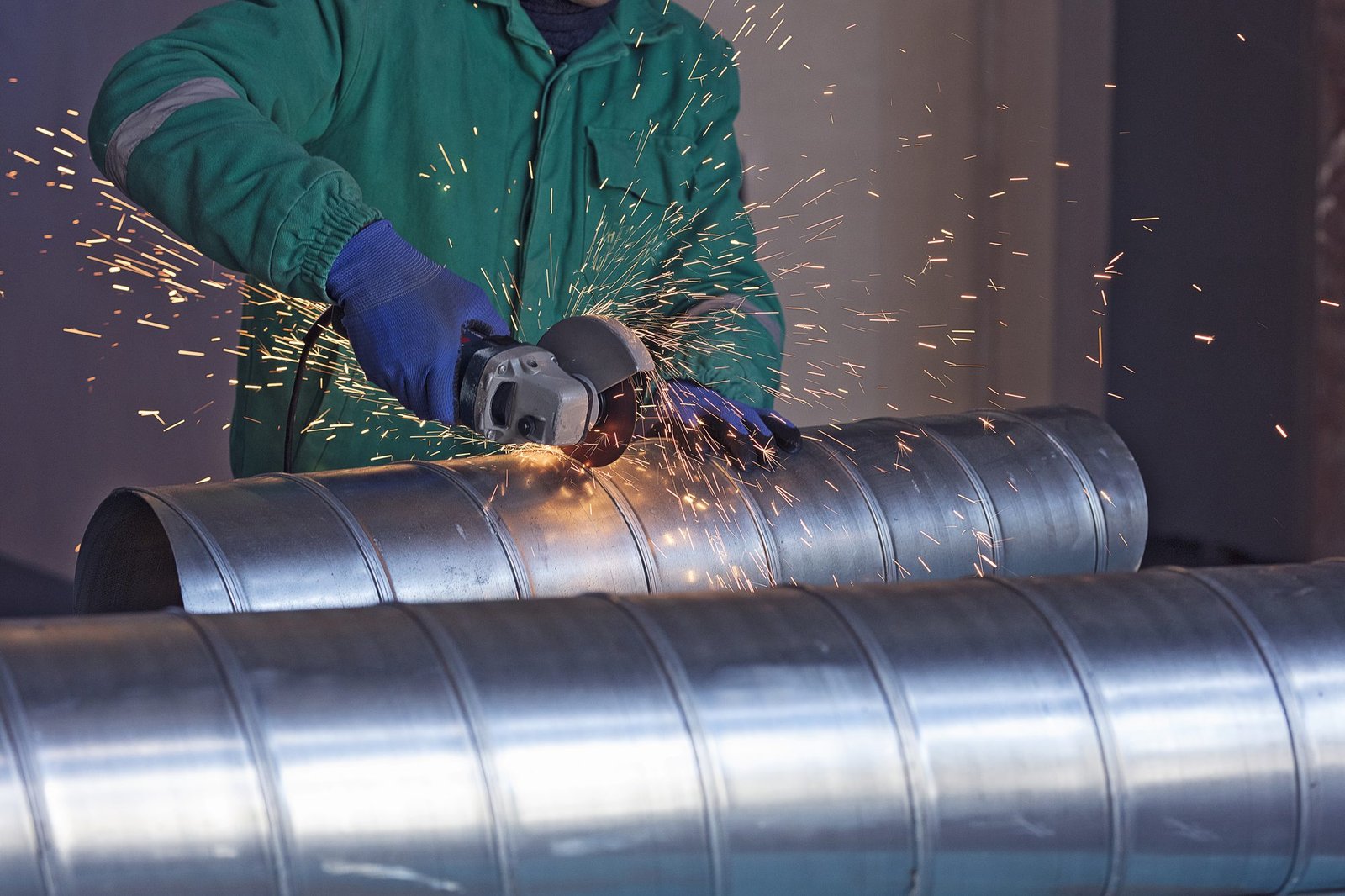
Manufacturing Takes a Larger Role Kazakhstan’s industrial performance during the first half of 2026 illustrates the growing importance of manufacturing. Official statistics from the Bureau of National Statistics show that industrial production reached 34.5 trillion tenge in January–June, with the overall industrial production index rising to 103.5%. Manufacturing performed considerably better, recording an index of 109.8%, while crude oil and natural gas production stood at 91.7%. The trend was already visible earlier in the year. During January–May, manufacturing accounted for 46.5% of industrial output and expanded by 9%, while mining represented 46.1% and declined by 5.2%. Lower oil and natural gas production were among the main factors behind the weakness in mining.
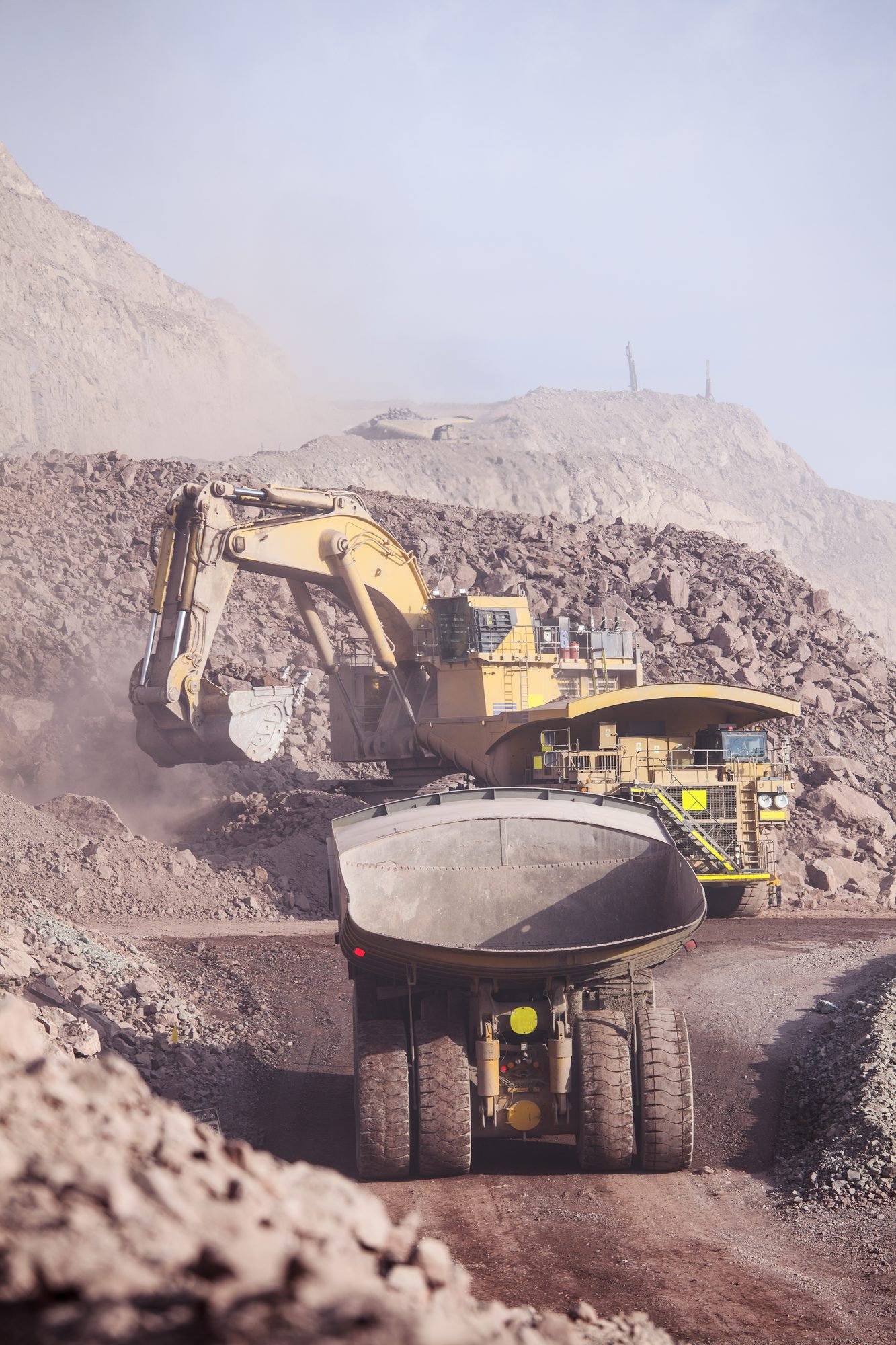
The contrast is significant for an economy traditionally associated with oil, gas, uranium and metals. Manufacturing is no longer simply a supporting component of industrial activity; it is becoming increasingly important to overall production growth. Pharmaceuticals, chemicals, fabricated metal products, machinery, food processing and other manufacturing segments are contributing to this momentum. Earlier-year official data already showed particularly strong growth in pharmaceuticals and finished metal products, while mechanical engineering and food production also recorded gains.
Investment Builds the Industrial Base
The manufacturing story is closely connected to Kazakhstan’s investment cycle. Fixed-capital investment reached 9.51 trillion tenge during January–June 2026, an increase of 9.6% in comparable prices from the same period a year earlier. Industry attracted 41.4% of the total, making it the largest investment destination. Manufacturing alone accounted for 15% of fixed-capital investment, exceeding the 13.8% share directed to mining and quarrying. Investment in manufacturing increased by 33.3%, while investment in mining declined by 6.5%. Electricity, gas and related utilities also attracted substantial capital, with investment in that segment increasing sharply. This composition offers an important insight into the changing character of Kazakhstan’s industrial economy. Capital is not flowing exclusively toward the extraction of raw materials. Increasing amounts are being directed toward processing capacity, industrial facilities, equipment and supporting infrastructure. Transport and warehousing also received 15.9% of fixed-capital investment, reflecting the importance of logistics to a country positioned between major markets in Europe and Asia. Real estate accounted for 18.8%, while agriculture, forestry and fisheries attracted 6.2%.
Infrastructure Remains Central to Growth
Industrial diversification cannot take place without infrastructure, and Kazakhstan’s investment figures underline the scale of the physical development underway. Spending on construction, buildings and structures remains a major component of capital formation, while machinery, equipment and vehicles represent another substantial share. The continued investment in transport and logistics is particularly important for Kazakhstan, whose geography makes connectivity a critical part of its economic competitiveness. The country’s position along transcontinental trade routes gives it an opportunity to develop not only as a supplier of commodities but also as a processing and logistics hub. Modern industrial facilities, improved transport connections, reliable power supplies and expanded warehousing capacity can help domestic manufacturers reach both regional and international markets. At the same time, investment remains geographically uneven. Major cities and industrial regions continue to attract substantial capital, while rapidly growing investment in several regions points to an effort to broaden the geographical base of economic activity.
Corporate Capital Drives the Investment Cycle

Another notable feature of Kazakhstan’s current investment cycle is the role played by businesses themselves. Official statistics show that companies’ own funds remain the dominant source of fixed-capital investment. In January 2026, own funds accounted for 71.5% of investment, while budget resources represented 6.9% and bank loans 10.1%. This pattern suggests that much of the current expansion is being financed from corporate resources rather than relying entirely on government expenditure. It also indicates that businesses are committing capital to longer-term productive assets despite the broader challenges facing commodity markets. The increase in manufacturing investment is particularly relevant. If these projects translate into new factories, upgraded production lines and greater technological capacity, Kazakhstan could strengthen domestic value chains and reduce dependence on imported manufactured goods.


The Export Challenge Remains
Despite the progress in manufacturing, Kazakhstan’s external trade continues to reveal the structural challenge facing the economy. The country remains a major exporter of oil, metals and other mineral resources. This means that manufacturing growth has not yet fundamentally altered the composition of export earnings. Commodity prices, production volumes and demand from major international markets continue to have a substantial influence on Kazakhstan’s external economic performance. China, Europe, Russia, Türkiye and other major trading partners remain important markets and sources of manufactured goods, machinery and technology. This creates both opportunities and vulnerabilities. Kazakhstan can use its growing industrial base to move further into regional supply chains, but it must also compete with established manufacturing centres across Asia, Europe and neighbouring markets. The challenge, therefore, is not simply to manufacture more products. It is to develop industries capable of producing competitively priced, technologically sophisticated goods that can be exported at scale.

A Broader Industrial Ecosystem
The diversification story extends beyond manufacturing. Electricity, gas, steam and air-conditioning supply have also recorded strong growth, while water supply, waste collection and related services have expanded. Earlier official releases showed manufacturing growing alongside these utility-related activities even as mining contracted. Such developments are important because a modern industrial economy depends on a broad ecosystem. Factories require reliable electricity, transport networks, water infrastructure, engineering services, logistics providers and skilled workers. As industrial capacity expands, demand for these supporting sectors is likely to increase. This could create opportunities for domestic companies in engineering, maintenance, logistics, construction, technology and industrial services. From Resource Economy to Processing Economy?

Kazakhstan is not abandoning its resource economy. Mining and hydrocarbons remain essential to industrial production, exports and investment. The current data instead points toward a more complex economic structure in which resource extraction coexists with a rapidly developing manufacturing sector. The significance of the current transformation lies in whether manufacturing growth can be sustained over the longer term. Higher pharmaceutical, chemical, machinery, metal-processing and food-production output is encouraging, but lasting diversification will require continued investment, technology transfer, workforce development and access to international markets. The early evidence is promising. Manufacturing has been expanding faster than the overall industrial sector, investment in manufacturing has risen strongly, and industrial capital formation is increasingly connected to productive infrastructure.


The Next Stage of Kazakhstan’s Growth
Kazakhstan’s industrial trajectory is therefore becoming less one-dimensional. The country continues to benefit from its enormous natural-resource base, but manufacturing is gaining weight within the industrial economy and attracting an increasing share of investment. The real test will be whether this momentum can translate into a broader export base. If new investment produces internationally competitive manufactured goods, Kazakhstan could gradually move higher up global value chains, retain more value domestically and become less exposed to fluctuations in commodity markets. For now, the numbers point to an economy in transition rather than one that has completed its transformation. Mining remains indispensable, but manufacturing is increasingly becoming the sector to watch. The direction of investment suggests that Kazakhstan is building the industrial capacity needed for its next phase of economic development—one in which factories, processing facilities, infrastructure and technology could stand alongside oil and minerals as pillars of national growth.
More to Read
All issues
Kazakhstan Attracts Over $100 Billion in U.S. Investment, Deepening Economic Cooperation
Kazakhstan is seeking to deepen its economic partnership with the United States as American investment in the Central Asian country surpasses $100 billion, according to…
Kazakhstan & China Open New Chapter in Strategic Investment Cooperation
President Kassym-Jomart Tokayev has outlined an ambitious new phase of economic cooperation between Kazakhstan and China, calling for deeper investment in transport,…

Akmola Region Advances Kazakhstan’s Gold Industry with Major Zijin RG Gold Expansion
Akmola Region is entering a significant new phase in the development of Kazakhstan’s gold industry as Zijin RG Gold moves ahead with a major new processing facility at…