


Music, Art & Dance
When Dance Becomes Drama
Astana Welcomes a Powerful Ballet Experience
Two emotionally charged works — Red Giselle and Beyond Sin — brought to the capital by one of the world's most celebrated ballet companies.
In the world of performing arts, some productions entertain, while others leave an emotional imprint that lingers long after the curtain falls. This spring, audiences in Astana are preparing for an extraordinary encounter with dance as one of the world’s most celebrated ballet companies arrives to present two emotionally charged productions that promise both artistic brilliance and psychological depth.
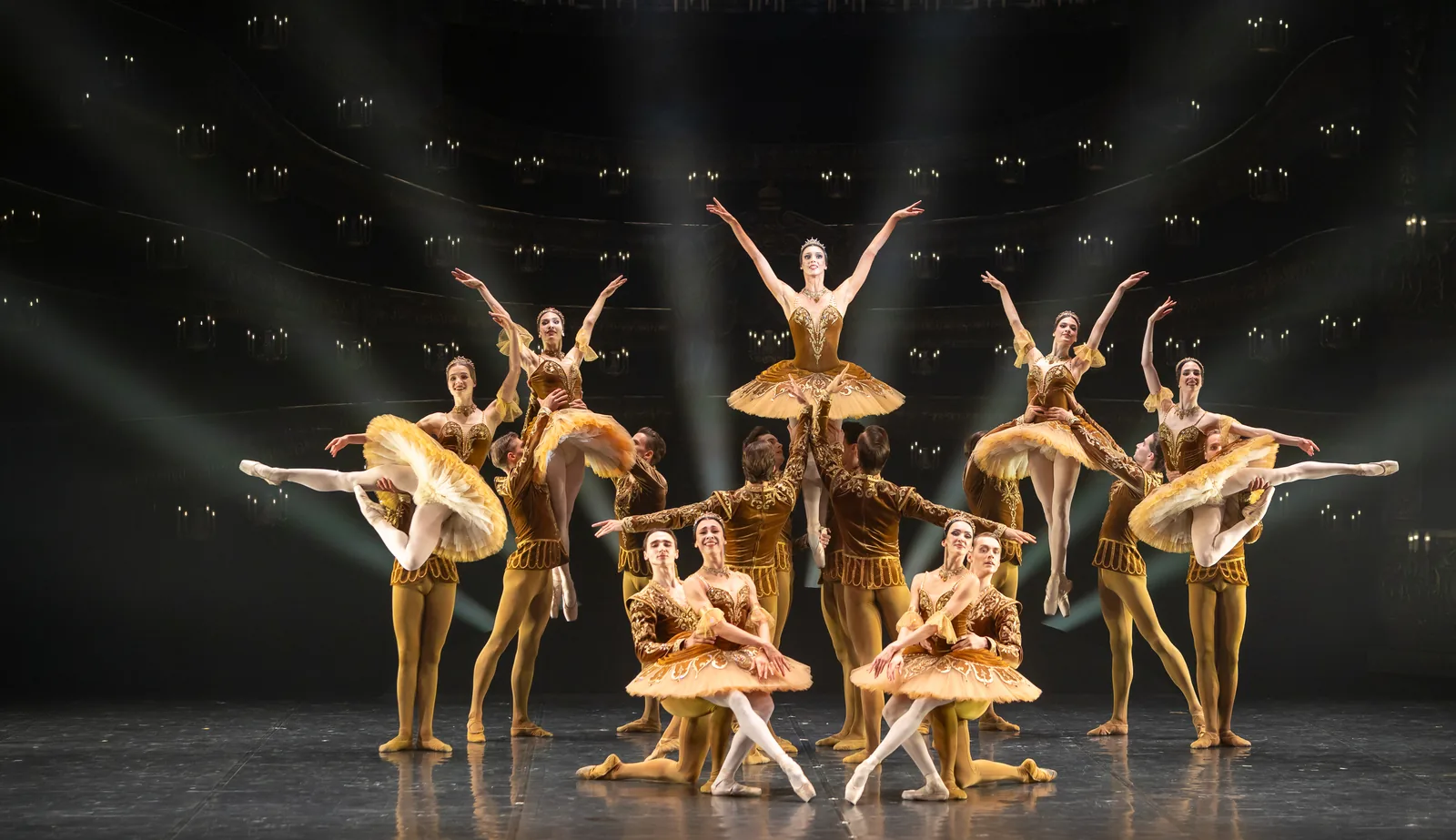
From the beginning of April, the stage at Astana Opera will transform into a place where movement speaks louder than words. The acclaimed Eifman Ballet of St. Petersburg is set to captivate audiences with two signature works that explore the complexities of human emotion, morality, memory, and inner conflict. Through bold choreography and dramatic storytelling, these performances are expected to deliver an unforgettable cultural experience for Kazakhstan’s growing ballet community.
A Ballet Visionary Returns to the Spotlight
Few names in contemporary choreography command as much respect as Boris Eifman. Often recognized for his emotionally intense productions and philosophical approach to movement, Eifman has built an artistic legacy that blends classical ballet with psychological storytelling. Rather than relying solely on technical perfection, his productions dive deeply into the emotional worlds of their characters.
“Rather than telling a simple biographical story, the ballet offers an emotionally layered portrait of a woman struggling to preserve her identity amid chaos and instability.”
His choreographic style is distinctive—dramatic, emotionally charged, and intellectually ambitious. Through dance, he explores literature, history, and the inner struggles that define human existence. Over decades, Eifman has cultivated a global following by transforming well-known narratives into immersive theatrical experiences that challenge audiences emotionally and intellectually.
For Astana audiences, this upcoming visit represents more than a guest performance; it is an opportunity to witness the work of a choreographer whose productions continue to shape modern ballet on the international stage.
Red Giselle: A Tragic Story Told Through Movement
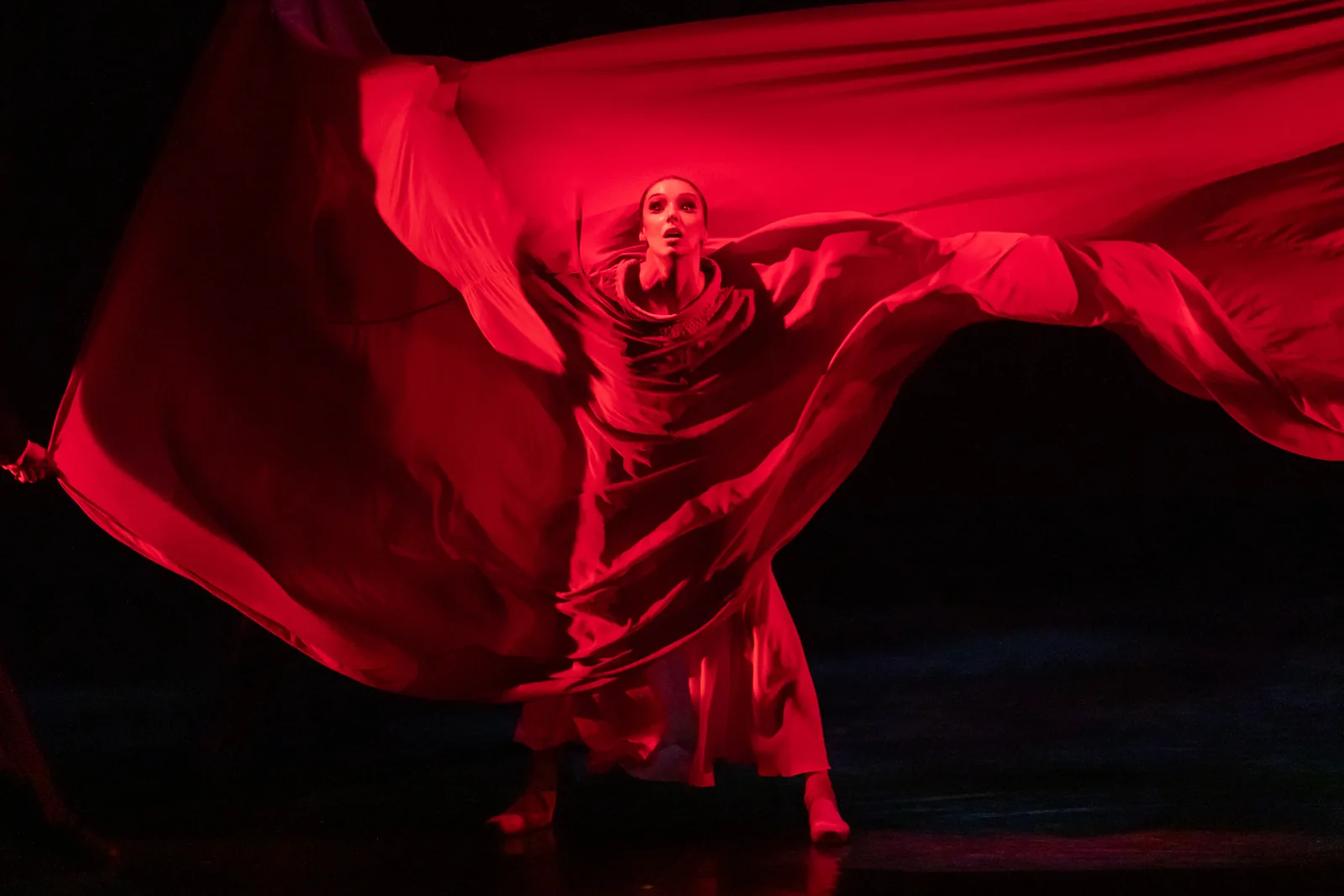
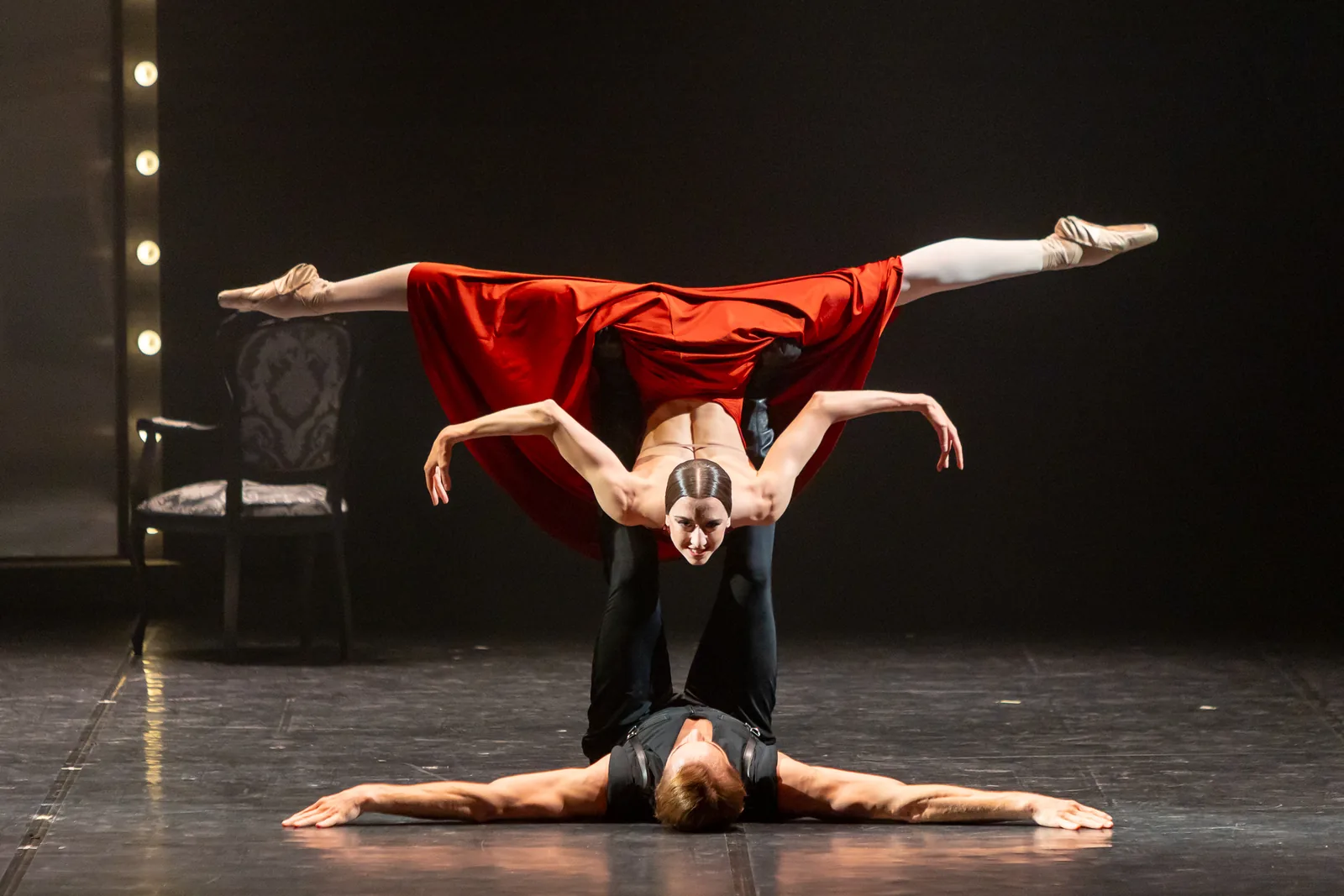
Among the highlights of the company’s visit is Red Giselle, a ballet rooted in the extraordinary yet heartbreaking life of celebrated ballerina Olga Spessivtseva. The production revisits the story of an artist whose immense talent was overshadowed by political upheaval, exile, emotional suffering, and personal tragedy.
Rather than telling a simple biographical story, the ballet offers an emotionally layered portrait of a woman struggling to preserve her identity amid chaos and instability. Through expressive movement and theatrical intensity, audiences are drawn into a deeply personal journey marked by ambition, loss, displacement, and psychological fragility.
The ballet originally gained international recognition decades ago and became one of Eifman’s most widely admired creations. Yet the version arriving in Astana represents a renewed artistic vision. Recently reimagined, the production has undergone major transformation with updated choreography and an entirely refreshed visual presentation.
“Rather than relying solely on technical perfection, his productions dive deeply into the emotional worlds of their characters.”
This contemporary interpretation seeks to preserve the emotional essence of the original work while introducing new artistic energy. The result is a production that feels timeless yet modern—capable of resonating with audiences across generations.
At the center of the performance lies a compelling question: What happens when genius collides with historical turmoil? Through movement, music, and emotional intensity, Red Giselle attempts to answer that question in deeply human terms.
Exploring Morality Through Beyond Sin
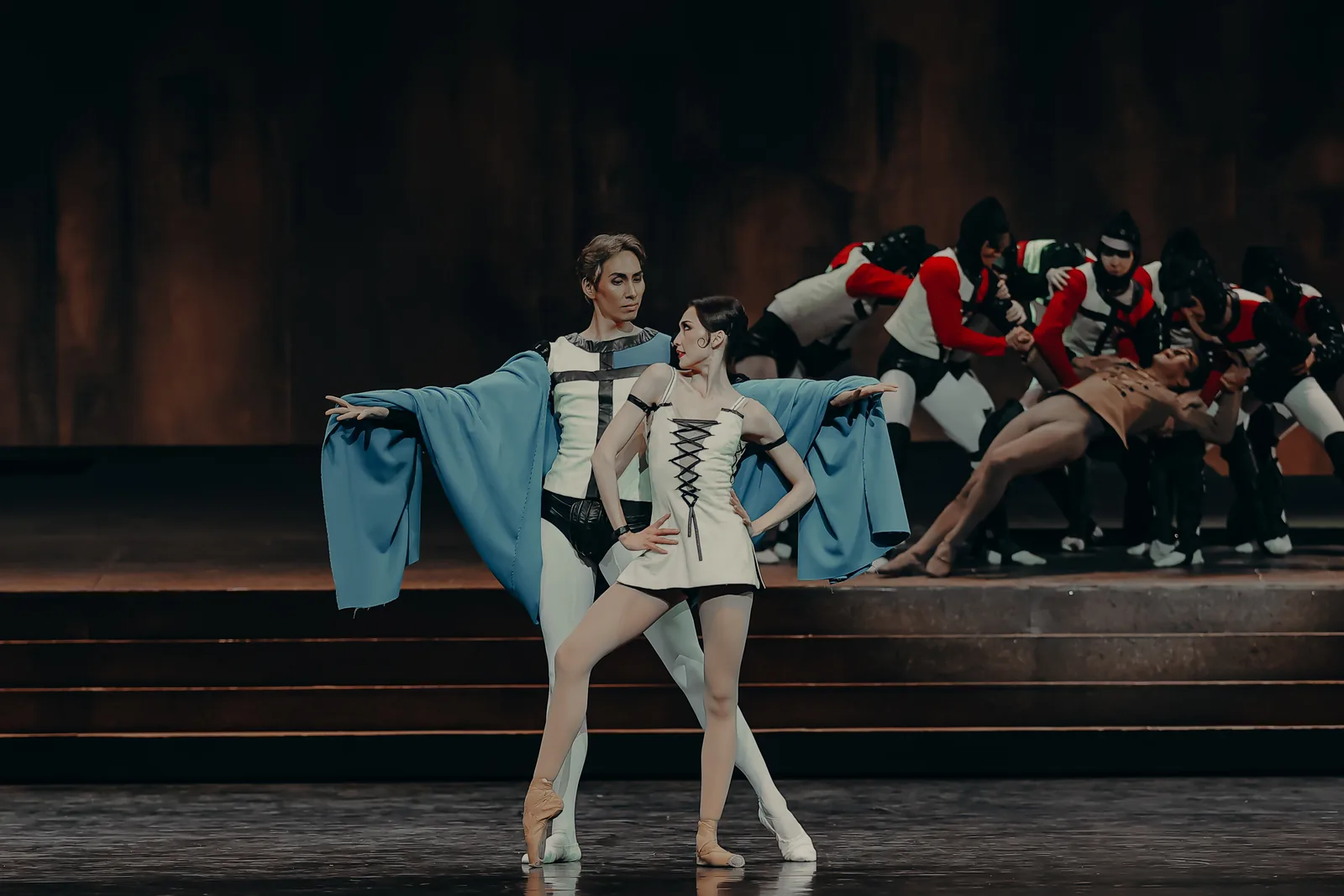
While Red Giselle explores personal tragedy, Beyond Sin shifts focus toward philosophy, morality, and the human conscience. Inspired by the themes of Fyodor Dostoevsky’s literary masterpiece The Brothers Karamazov, the ballet delves into questions of spiritual struggle, moral uncertainty, and redemption.
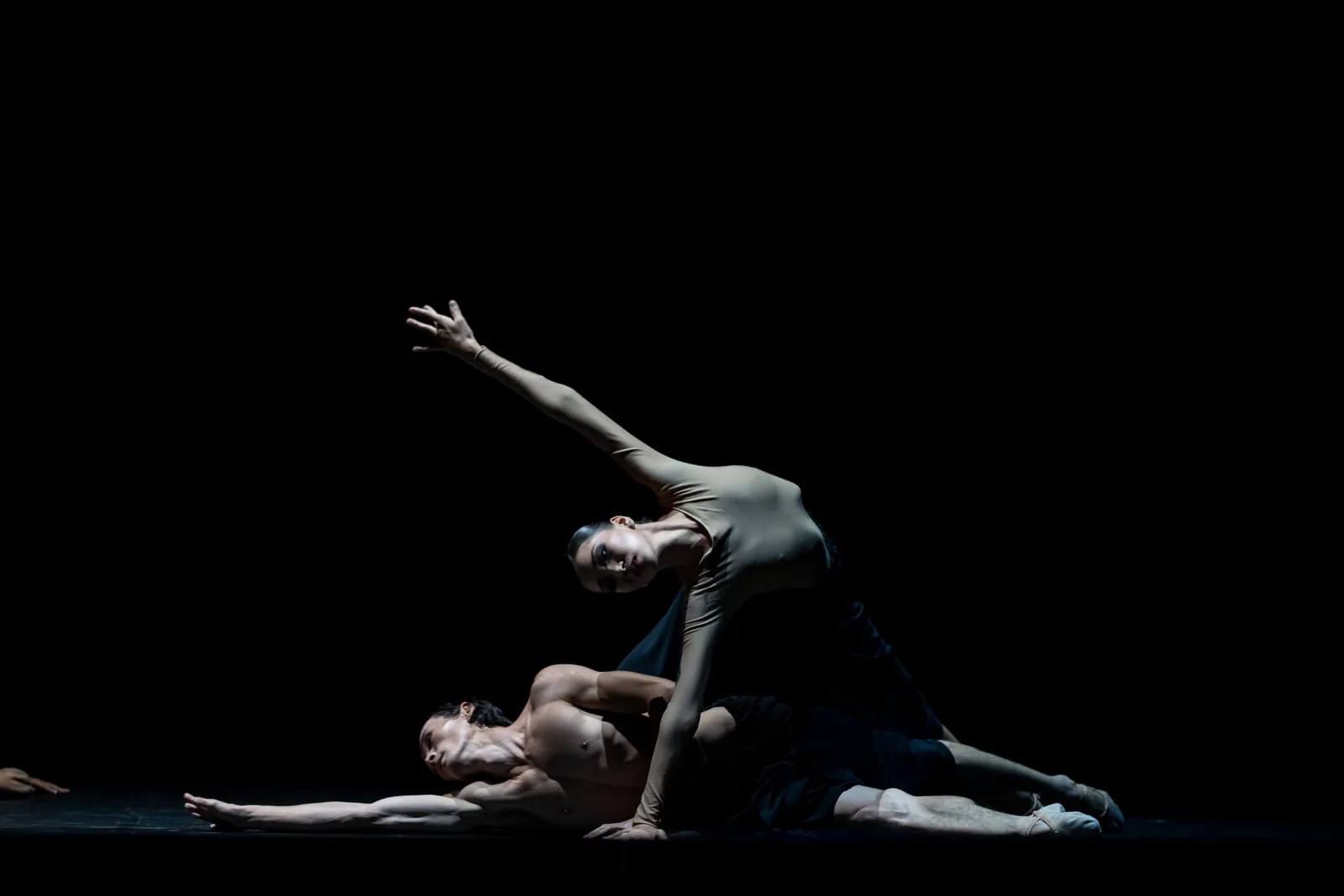
Eifman has long been fascinated by Dostoevsky’s exploration of human psychology. Years after first adapting the famous novel for the stage, he returned to its themes to create a more contemporary and emotionally layered interpretation through dance.
In Beyond Sin, choreography becomes a language for examining internal conflict. The production investigates what happens when individuals confront temptation, doubt, faith, and emotional turmoil. Rather than presenting clear answers, the ballet invites reflection on the contradictions that exist within every person.
The work carries particular relevance in modern society, where rapid change often raises questions about values, identity, and ethical responsibility. By transforming philosophical ideas into visual storytelling, Eifman creates a performance that feels intellectually stimulating while remaining emotionally accessible.
Audiences can expect a dramatic atmosphere filled with symbolic imagery, emotionally demanding choreography, and moments of striking theatrical power.
Astana’s Growing Relationship with World-Class Ballet
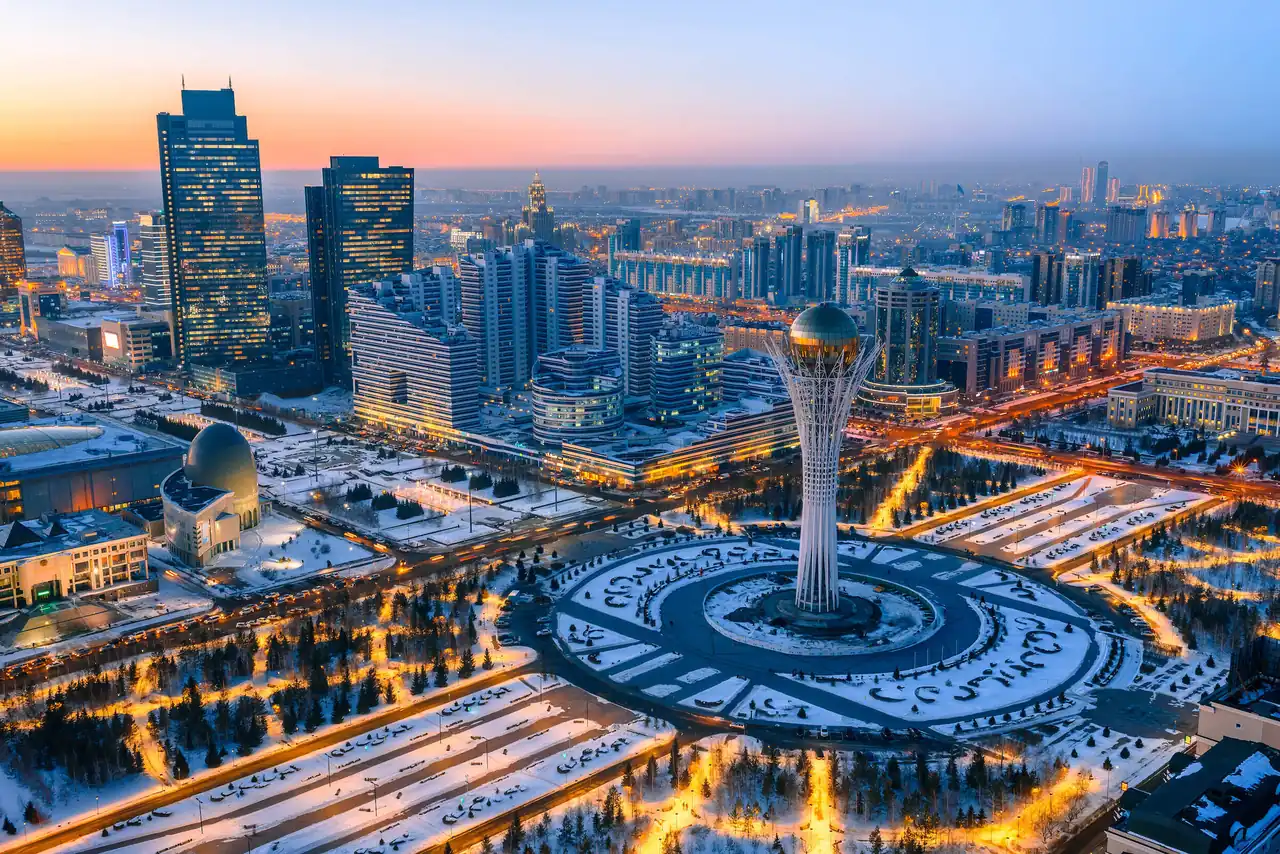
The arrival of internationally respected ballet productions highlights Kazakhstan’s expanding role as a destination for major cultural events. Astana Opera has increasingly positioned itself as a leading venue capable of attracting globally recognized performers and companies.
For local audiences, access to internationally acclaimed ballet productions offers more than entertainment—it contributes to artistic education and cultural enrichment. Exposure to diverse choreographic styles encourages appreciation for dance as both a technical and emotional art form.
The relationship between Astana Opera and Boris Eifman’s artistic world is not new. Over the years, Kazakh audiences have become familiar with the choreographer’s creative signature through previous productions and touring performances that showcased his dramatic storytelling style.
This familiarity has helped cultivate an audience increasingly open to contemporary interpretations of ballet—performances that combine emotional intensity with philosophical depth rather than relying solely on traditional classical formats.
Kazakhstan’s Rising Talent on the Global Stage
Kazakhstan’s ballet community also has its own achievements to celebrate. Local performers continue to gain international recognition, reinforcing the country’s reputation as an emerging force in the performing arts.
Among these standout artists is principal dancer Aigerim Beketayeva, whose collaborations with international ballet productions have brought her to prestigious stages in major cultural capitals. Such participation reflects the growing integration of Kazakh talent into the global arts scene.
At the same time, internationally recognized performances by Kazakh ballet stars continue to elevate the nation’s artistic profile abroad. Their success demonstrates the increasing strength of professional ballet training and performance culture within Kazakhstan.
These accomplishments contribute to a broader cultural narrative: Kazakhstan is not merely hosting international art—it is actively participating in shaping contemporary ballet through its own performers and institutions.
A Celebration of Emotion, Art, and Human Complexity
The upcoming performances in Astana represent more than a ballet tour. They offer audiences a chance to engage with stories of suffering, hope, faith, identity, and resilience through one of the most expressive artistic forms available.
In an era where entertainment often moves quickly, ballet remains uniquely powerful because it demands emotional attention. It asks audiences not only to watch but to feel. Through movement, silence, and music, stories unfold in ways that transcend language.
Whether exploring the tragic fate of a gifted artist or confronting profound questions of morality and inner struggle, these productions promise experiences that extend far beyond the stage.
As Astana prepares to welcome Eifman Ballet once again, audiences can expect an artistic journey where every gesture carries meaning, every movement reveals emotion, and every performance becomes an invitation to reflect on what it means to be human.
Continue exploring
More from Incredible Kazakhstan

History, Culture & Tradition
The Golden Thread
Preserving the Eternal Soul of Kazakhstan for the Global Stage

Royal Heritage, Architecture & Engineering Marvels
Hazret Sultan Mosque
A Monument of Faith & Kazakh Heritage in Astana

History, Culture & Tradition
The National Museum of Kazakhstan
Preserving the Soul of the Great Steppe