

Threads of Life: HAYOT & The Revival of Central Asian Craftsmanship

In a rapidly globalizing fashion landscape dominated by mass production and fleeting trends, a quiet yet powerful movement has been gaining momentum—one that seeks to preserve heritage, empower artisans, and reconnect clothing with cultural identity. At the forefront of this movement stands HAYOT, a brand deeply rooted in Central Asian tradition yet unmistakably contemporary in its vision. Translating to “life” from Uzbek, HAYOT is more than a label; it is a philosophy that celebrates the richness of life through craftsmanship, authenticity, and timeless design. Founded by Kazakhstani designer Marina Begman, HAYOT has emerged as a distinctive voice in the fashion world, blending centuries-old textile traditions with modern aesthetics. Through its creations, the brand not only tells the story of Central Asia’s cultural heritage but also redefines how traditional crafts can thrive in a contemporary global context.

At its core, HAYOT is driven by a profound respect for life in all its forms—daily rituals, cultural expressions, and the human connection to craft. Marina Begman envisioned a brand that would bridge the gap between tradition and modernity while honoring the artisans whose skills have been passed down through generations. Her journey began with a simple yet powerful observation: people often neglect how they present themselves at home. While fashion is frequently associated with public appearances, Begman believed that self-expression and comfort should not be limited to social settings. This insight led to the creation of HAYOT’s first collection—luxurious homewear crafted from handmade Uzbek fabrics. The idea was revolutionary in its subtlety. By elevating everyday clothing such as pyjamas and dressing gowns into pieces of beauty and craftsmanship, HAYOT encouraged individuals to celebrate themselves even in the most private moments. This philosophy resonated deeply with audiences, laying the foundation for the brand’s expansion.
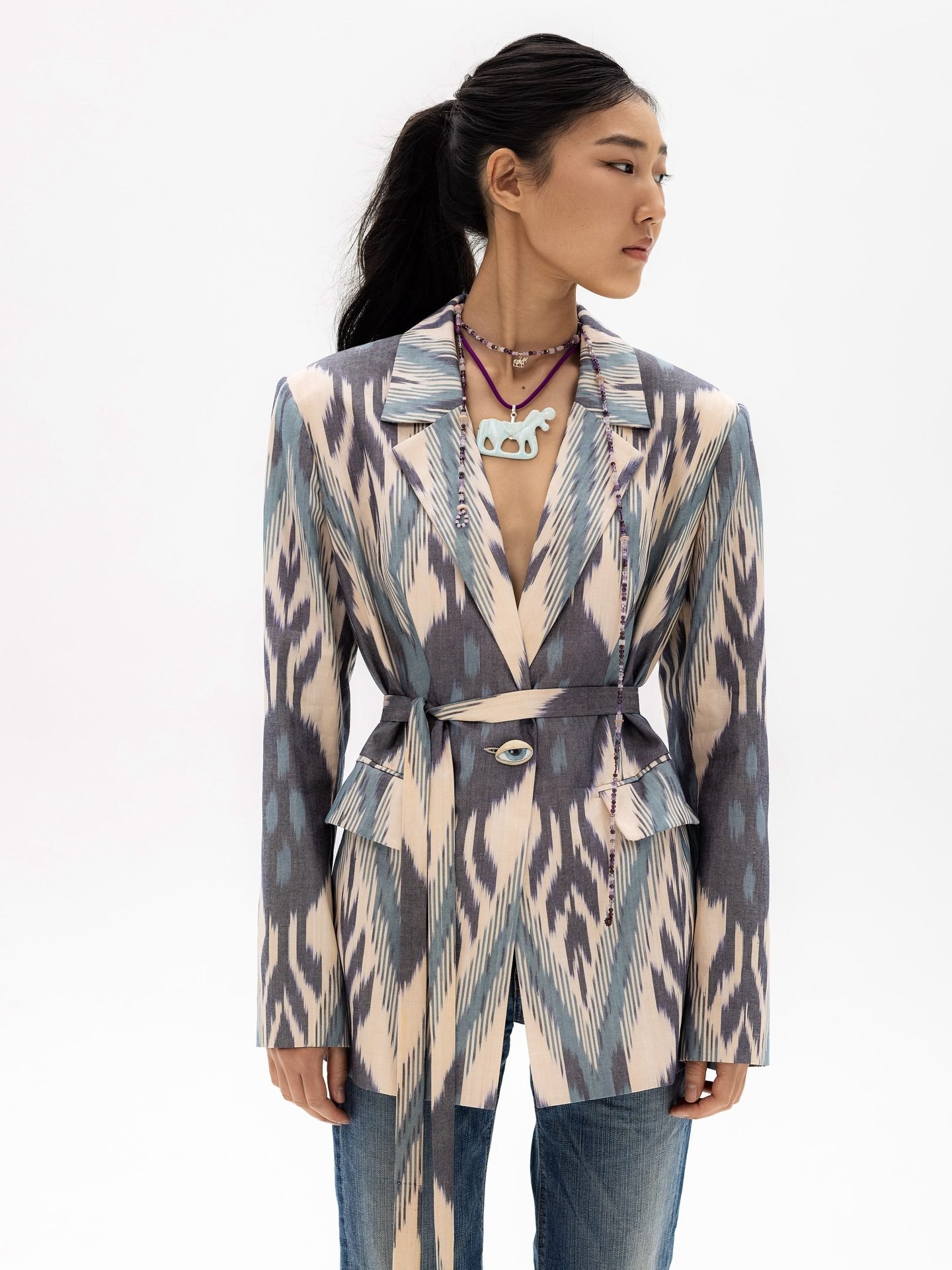
What began as a niche concept quickly evolved into something far greater. Customers began wearing HAYOT garments beyond the confines of their homes—on travels, at gatherings, and even at weddings. The fluidity and elegance of the designs made them versatile, transcending the boundaries of traditional categories. Recognizing this organic shift, HAYOT expanded its offerings to include a broader range of apparel designed for “life in all its manifestations.” This transition marked a significant turning point in the brand’s journey, positioning it as a lifestyle label rather than merely a homewear brand. Today, HAYOT’s collections embody a seamless blend of comfort and sophistication. Loose silhouettes, breathable fabrics, and intricate patterns define its aesthetic, making each piece both practical and visually striking. The garments are not just worn—they are experienced.
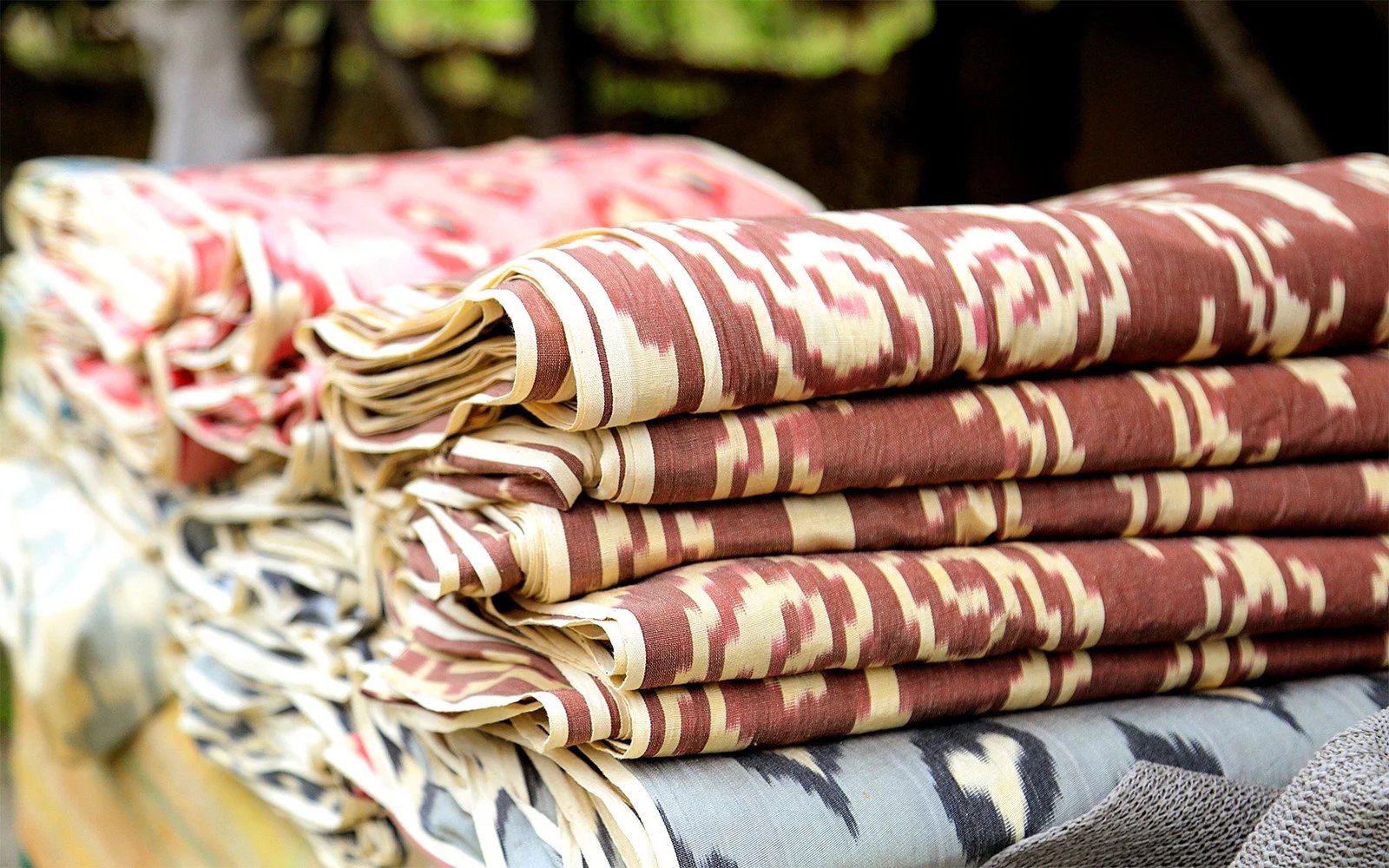
A defining feature of HAYOT is its unwavering commitment to sourcing authentic materials. While the garments are sewn in Kazakhstan, the fabrics originate from Margilan, a historic center of silk production located in the Fergana Valley. Margilan has long been celebrated as the cradle of ikat weaving, a textile tradition that dates back centuries. The city’s artisans have preserved techniques that remain largely unchanged, ensuring that each piece of fabric carries the essence of history. HAYOT collaborates closely with these artisans, fostering a relationship built on mutual respect and shared purpose. By doing so, the brand not only guarantees the authenticity of its materials but also contributes to the sustainability of traditional crafts in the region.
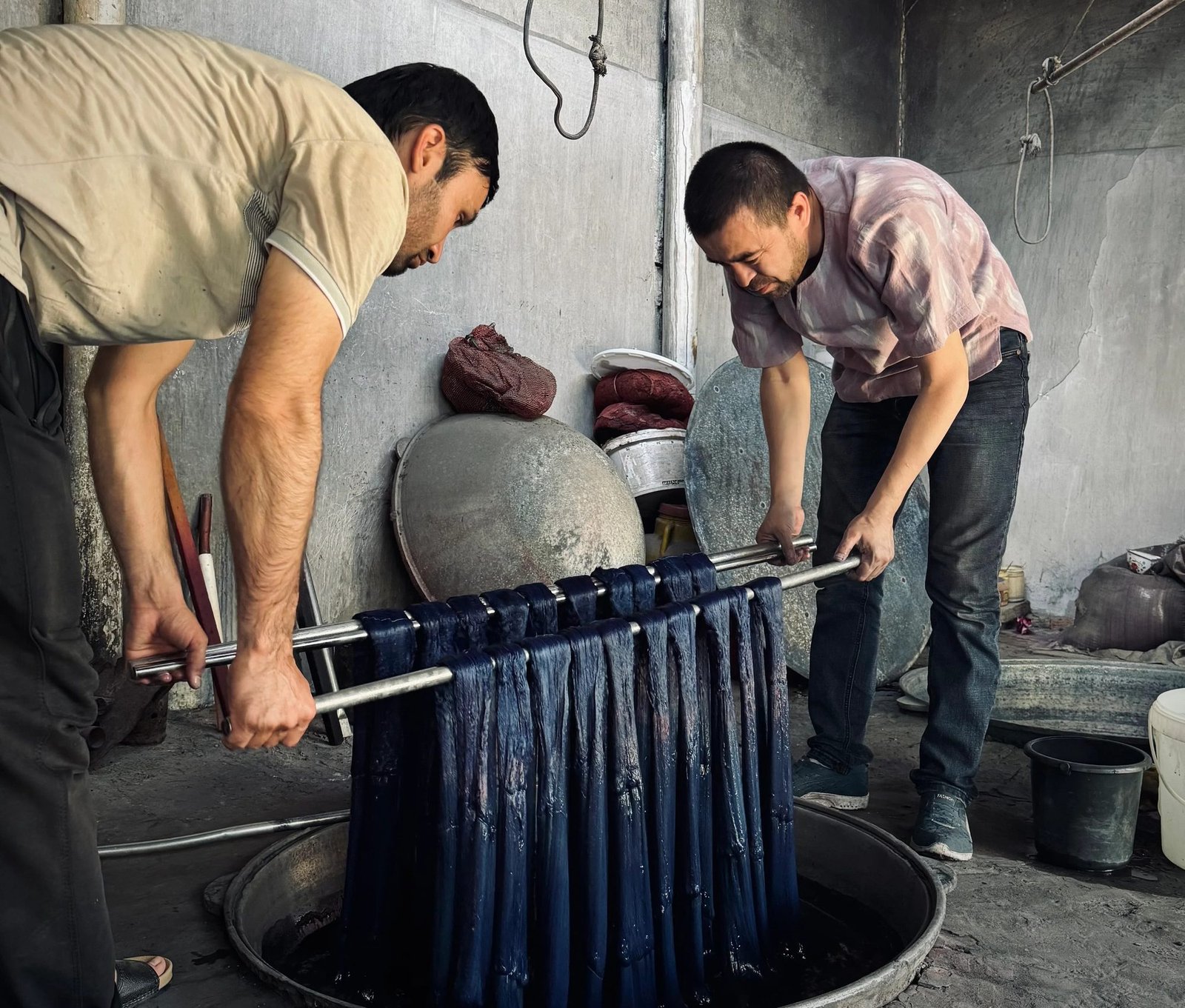
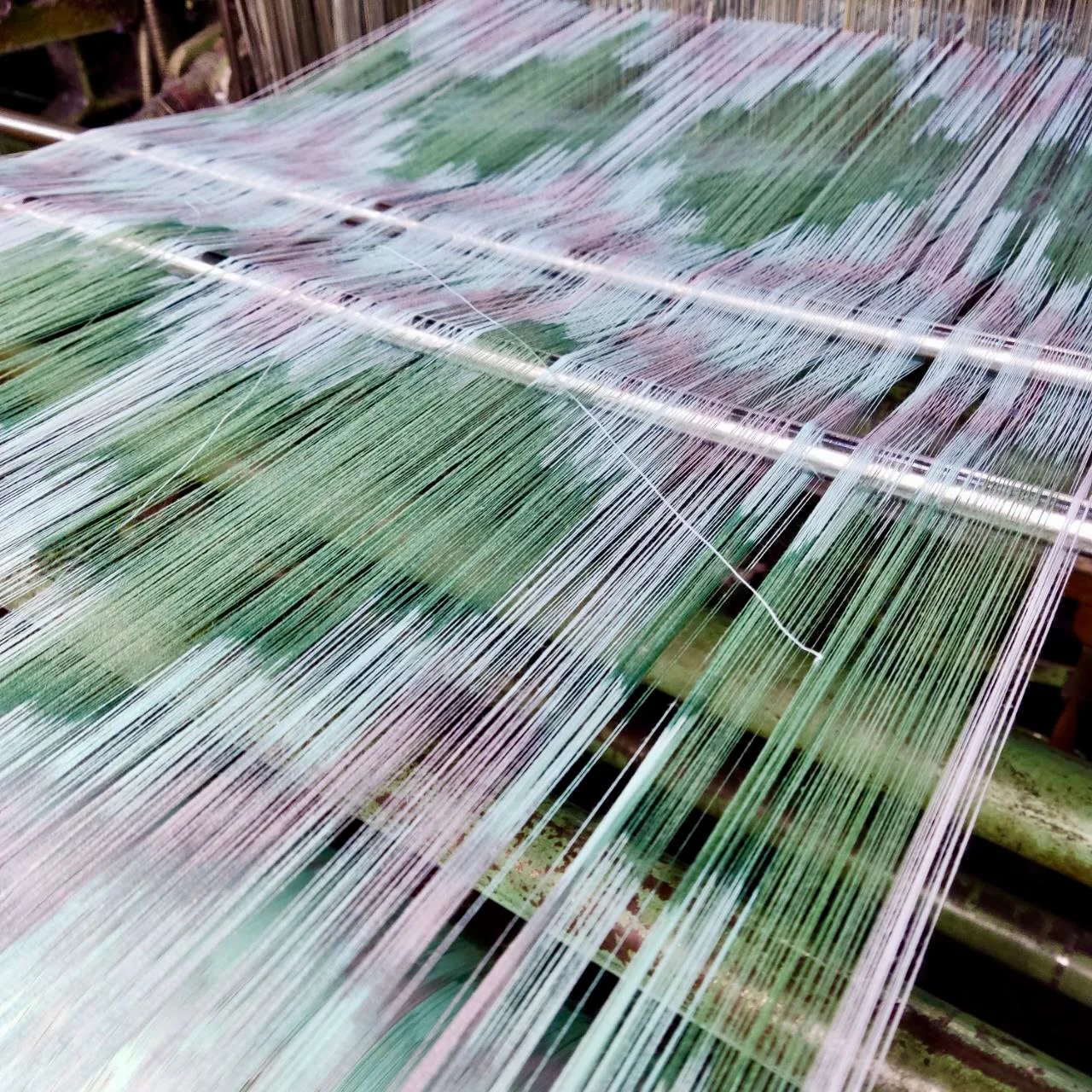
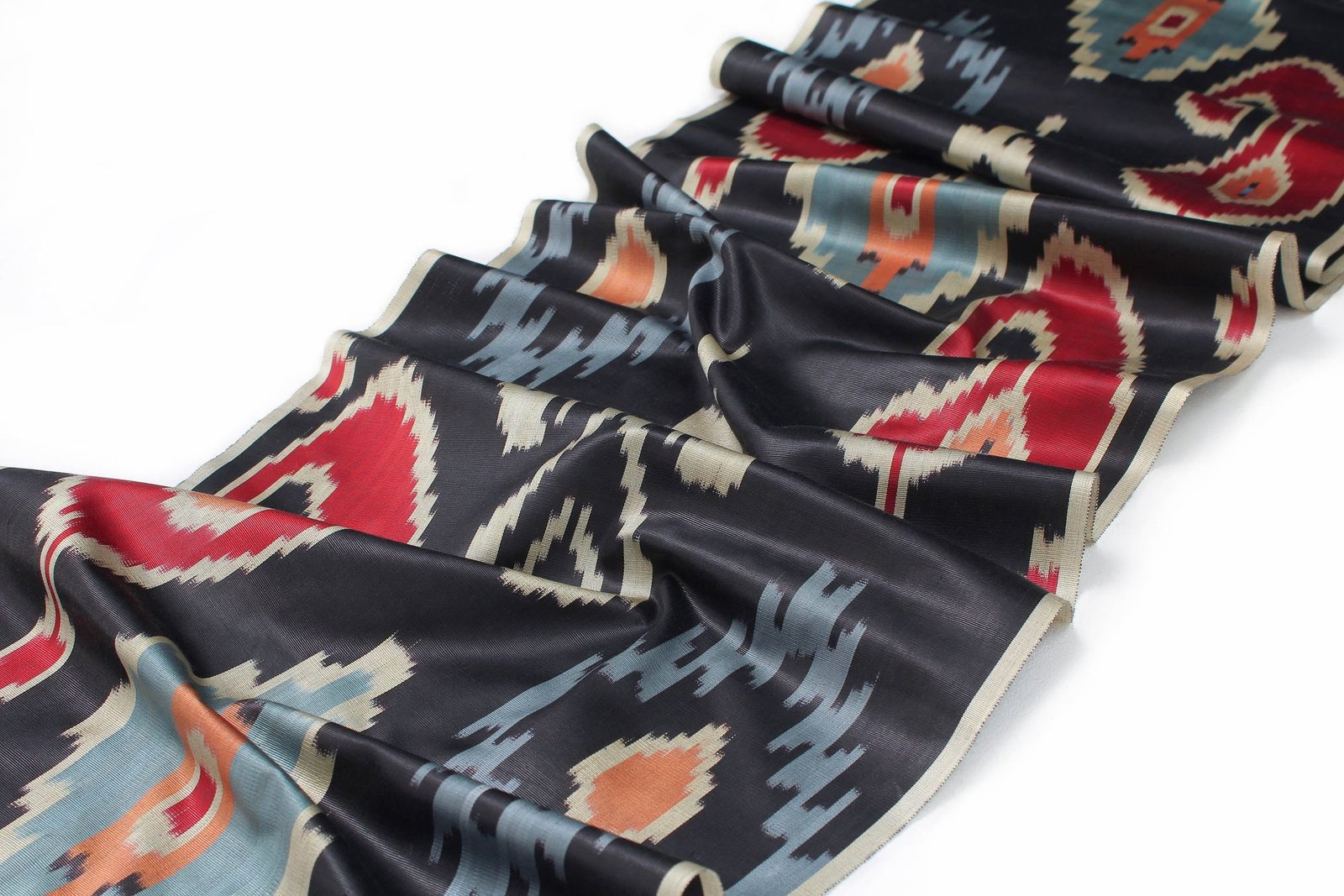
Central to HAYOT’s identity is the use of ikat, a complex and labor-intensive textile technique that distinguishes its garments from mass-produced fabrics. Ikat is not merely a method of weaving—it is an art form that requires precision, patience, and a deep understanding of color and pattern. The process begins long before the loom comes into play. Threads are meticulously tied in specific patterns to resist dye, a step that determines the final design. These bundles are then dyed multiple times, with each stage adding layers of color and complexity. What makes ikat unique is that the pattern emerges only after the threads are woven together. The result is a slightly blurred, almost painterly effect that gives the fabric its signature character.
Each piece is inherently unique, bearing subtle variations that reflect the human touch behind its creation. The production of ikat fabric involves more than 35 steps, each requiring a high level of skill and attention to detail. From tying and dyeing to weaving and finishing, the process is a testament to the dedication of the artisans who keep this tradition alive. In an era where sustainability has become a pressing concern, HAYOT’s approach feels both timely and authentic. The brand prioritizes the use of natural materials such as cotton, silk, and bakhmal (a type of velvet), all of which are sourced and processed using traditional methods.
This commitment to natural fabrics not only enhances the quality and comfort of the garments but also aligns with environmentally conscious practices. Unlike synthetic textiles, natural fibers are biodegradable and have a lower environmental impact. Moreover, the emphasis on handmade production reduces reliance on industrial processes, further minimizing the brand’s ecological footprint. By supporting artisanal craftsmanship, HAYOT promotes a more sustainable and ethical model of fashion—one that values quality over quantity. HAYOT’s design philosophy is a delicate balance between honoring tradition and embracing innovation. While the fabrics carry historical significance, the silhouettes and styling are distinctly modern. The brand’s garments often feature flowing lines, relaxed fits, and versatile structures that cater to contemporary lifestyles. This approach ensures that traditional textiles are not confined to ceremonial or cultural contexts but are integrated into everyday wear. Color plays a crucial role in HAYOT’s designs.

W The vibrant hues and intricate patterns of ikat fabrics bring a sense of energy and individuality to each piece. At the same time, the thoughtful construction of the garments ensures that they remain wearable and adaptable. This fusion of old and new allows HAYOT to appeal to a global audience while staying true to its roots. It is a testament to the idea that tradition is not static but can evolve and thrive in modern settings. One of HAYOT’s most significant contributions lies in its support for Central Asian artisans. By collaborating directly with craftsmen and craftswomen, the brand provides them with a platform to showcase their skills and sustain their livelihoods. In many parts of the world, traditional crafts are at risk of disappearing due to industrialization and changing economic conditions.
HAYOT’s model offers a viable alternative, demonstrating that heritage techniques can be both culturally and economically valuable. This approach goes beyond mere preservation—it fosters a sense of pride and continuity within communities. Each garment becomes a vessel of cultural expression, carrying the stories and traditions of the people who created it. Although deeply rooted in Central Asia, HAYOT’s appeal extends far beyond the region. Its emphasis on authenticity, sustainability, and craftsmanship resonates with a global audience seeking meaningful alternatives to fast fashion. The brand’s ability to translate local traditions into universally appealing designs has been key to its success. By presenting Central Asian heritage in a contemporary context, HAYOT bridges cultural gaps and introduces audiences to a rich and often underrepresented part of the world. This global perspective does not dilute the brand’s identity; rather, it amplifies it. HAYOT remains firmly anchored in its origins, using its platform to celebrate and share the beauty of Central Asian culture.

What sets HAYOT apart is its emphasis on the emotional and symbolic aspects of clothing. In a world where fashion is often reduced to trends and consumption, the brand invites wearers to form a deeper connection with what they wear. Each piece tells a story—of the artisan who crafted the fabric, the heritage it represents, and the life it becomes a part of. This narrative adds a layer of meaning that transcends aesthetics, transforming garments into expressions of identity and culture. By encouraging people to value the stories behind their clothing, HAYOT promotes a more mindful approach to fashion—one that prioritizes authenticity, longevity, and emotional resonance.
As HAYOT continues to grow, its mission remains clear: to celebrate life through craftsmanship and to preserve the cultural heritage of Central Asia. The brand’s journey reflects a broader shift in the fashion industry, where consumers are increasingly drawn to authenticity and sustainability. Future expansions may see HAYOT exploring new categories, collaborations, and markets while staying true to its core values. Whether through innovative designs or deeper engagement with artisan communities, the brand is poised to further its impact on both fashion and cultural preservation. HAYOT stands as a powerful example of how fashion can transcend aesthetics to become a medium of cultural storytelling and preservation. Through its dedication to traditional craftsmanship, natural materials, and thoughtful design, the brand has carved a unique space in the global fashion landscape. Under the leadership of Marina Begman, HAYOT continues to weave together the threads of past and present, creating garments that celebrate life in all its richness. Each piece is a testament to the enduring beauty of tradition and the possibilities of its reinvention. In a world increasingly dominated by uniformity, HAYOT offers something rare and invaluable—a connection to heritage, a celebration of individuality, and a reminder that true elegance lies in authenticity.
More to Read
All issues
DALA Kazakhstan
Reimagines National Dress for the Modern Astana Wardrobe

Aida Kaumenova — Reimagining Kazakh Heritage Through Contemporary Fashion
Aida KaumeNOVA is a prominent Kazakhstani fashion designer known for blending traditional Kazakh aesthetics with contemporary design. With an early passion for drawing…

Madina Tompiyeva — Reimagining Kazakh Identity Through Contemporary Fashion
For Madina Tompiyeva, fashion is not simply about clothing. It is a way of exploring identity, freedom and the relationship between contemporary life and cultural…