

Airbus Deepens Strategic Partnership with Kazakhstan As Aviation Defense & Space Cooperation Expands

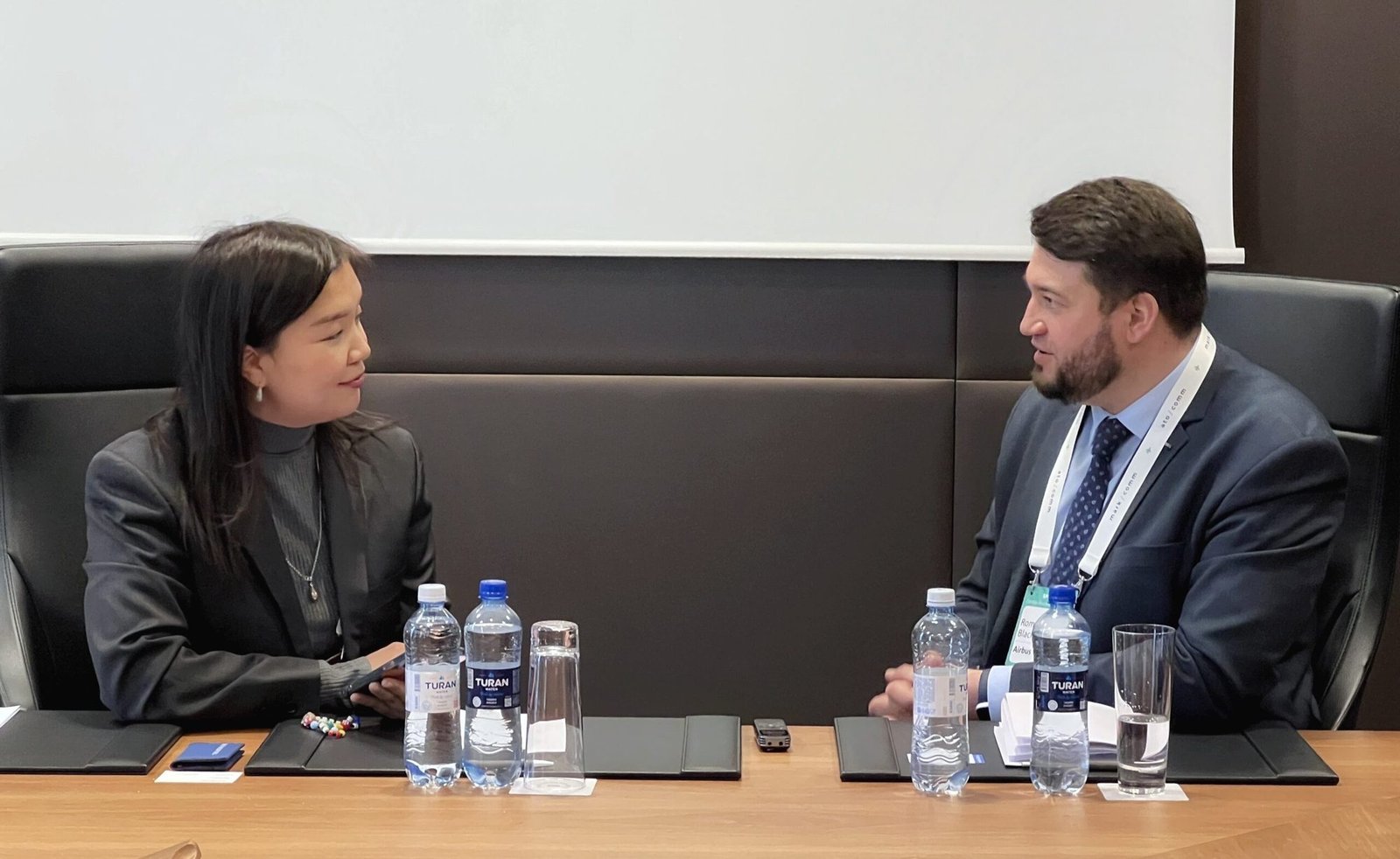
Kazakhstan’s ambitions to establish itself as a leading aviation hub in Central Asia are receiving significant support from European aerospace giant Airbus, which continues to expand its footprint across the country’s commercial aviation, defense, helicopter, and space sectors. As passenger traffic grows and national infrastructure develops, Airbus views Kazakhstan as one of the region’s most important strategic markets. Speaking during the Central Asia Aviation Summit in Astana, Roman Blachshishin, Head of Airbus in Kazakhstan, highlighted the company’s long-term commitment to the country and emphasized the breadth of Airbus’ involvement across multiple industries. From modern passenger aircraft and military transport solutions to satellite technology and helicopter services, Airbus has built a comprehensive partnership that continues to evolve alongside Kazakhstan’s economic and technological development.

Strong Presence Across Multiple Sectors Airbus has established a substantial presence in Kazakhstan over the past several years. In the commercial aviation segment alone, approximately 60 Airbus aircraft are currently operating in the country. These aircraft are primarily used by Air Astana and its low-cost subsidiary FlyArystan, which together represent the backbone of Kazakhstan’s rapidly expanding airline industry. The partnership is expected to grow further following Air Astana Group’s recent commitment to additional Airbus A320neo family aircraft. The airline currently maintains a significant order backlog, reflecting strong confidence in Airbus products and Kazakhstan’s future air travel demand. Beyond commercial aviation, Airbus also plays an important role in Kazakhstan’s defense and space sectors. The country currently operates 13 Airbus military aircraft, including one Airbus A400M strategic transport aircraft and 12 C295 tactical transport aircraft. In space, Airbus technology supports two satellites already in orbit, demonstrating the company’s contribution to Kazakhstan’s growing space capabilities. The helicopter segment represents another area of successful cooperation. Approximately 60 Airbus helicopters are in operation throughout Kazakhstan, serving a variety of functions including emergency medical services, law enforcement, rescue operations, and transportation.
Building Local Capabilities Through Partnerships

One of Airbus’ defining approaches in Kazakhstan has been its focus on developing local expertise rather than simply supplying equipment. According to Blachshishin, the company has consistently prioritized the creation of sustainable ecosystems that support long-term growth and self-sufficiency. A notable example is Airbus Helicopters’ partnership with Kazakhstan Engineering. Through a joint venture established in Astana, Airbus has helped create local maintenance, repair, and training capabilities designed to support the country’s expanding helicopter fleet. Rather than delivering aircraft alone, Airbus invested in infrastructure and knowledge transfer, ensuring that Kazakhstan could independently maintain and operate its aviation assets. The joint venture continues to play a critical role in supporting emergency medical services and other helicopter operations throughout the country.
A similar model has been successfully implemented in the space sector. Airbus worked closely with Kazakhstan to establish a satellite-focused joint venture and provide extensive training to local specialists. This cooperation has enabled the transfer of advanced technological knowledge and contributed to the development of domestic aerospace expertise. The partnership also extended to the creation of local space infrastructure, including a satellite assembly, integration, and testing center in Astana. This facility represents a major milestone in Kazakhstan’s efforts to build a modern space industry capable of supporting national and regional projects.


Supporting Kazakhstan’s New Satellite Program
One of the most significant outcomes of Airbus’ collaboration in the space sector is the ongoing development of Kazakhstan’s new Earth observation satellite program. Through Ghalam, a joint venture involving Kazakhstan Garysh Sapary, local specialists are leading the development of the KazEOSat-MR satellite system. The project focuses on creating medium-resolution Earth observation satellites that will provide valuable data for environmental monitoring, agriculture, urban planning, and natural resource management. Importantly, the new satellites will be assembled and tested within Kazakhstan using the facilities that were established through Airbus-supported infrastructure projects. This demonstrates how international cooperation has evolved into the development of independent local capabilities. The initiative reflects Kazakhstan’s broader goal of becoming a technologically advanced nation with growing expertise in aerospace engineering and satellite technology.
Air Astana’s Growth and Regional Connectivity
As Kazakhstan’s aviation market expands, Air Astana continues to play a central role in connecting the country to international destinations. Airbus believes that modern aircraft technology will be essential in supporting the airline’s ambitious growth strategy. Kazakhstan aims to significantly increase annual passenger traffic in the coming years, with government and industry stakeholders working toward handling tens of millions of passengers annually. Achieving such targets will require substantial fleet expansion and continued investment in aviation infrastructure. Air Astana has already taken major steps in this direction. In March, the airline announced a large-scale fleet modernization initiative through a memorandum of understanding for up to 50 Airbus A320neo family aircraft. The agreement includes 25 firm orders and an additional 25 purchase options, making it the largest aircraft deal in the airline’s history. The Airbus A320 family remains one of the most successful commercial aircraft programs worldwide, with more than 19,000 orders globally. Its fuel efficiency, operational flexibility, and reliability have made it a preferred choice for airlines seeking sustainable growth.

Expanding Long-Haul Opportunities
Kazakhstan’s strategic location between Europe and Asia provides unique opportunities for airlines seeking to connect major international markets. Air Astana has increasingly leveraged this geographic advantage, positioning itself as a bridge between East and West. Airbus’ extended-range narrow-body aircraft have become a key component of this strategy. Models such as the A321neo Long Range and the newer Extra Long Range variants allow airlines to operate long-distance routes without introducing larger wide-body aircraft into their fleets. According to Airbus, these aircraft provide significant operational advantages because they share common systems, pilot training requirements, and maintenance procedures with other members of the A320 family. This enables airlines to expand route networks efficiently while minimizing costs. A prominent example is the direct route between Almaty and London. Lasting more than nine and a half hours, the flight is among the longest narrow-body operations in the world. The route demonstrates how modern aircraft technology is reshaping traditional assumptions about long-haul travel and creating new opportunities for airlines based in emerging aviation markets.


Strategic Airlift and Humanitarian Missions
Airbus’ contribution to Kazakhstan extends beyond commercial transportation. In December 2024, the company delivered the nation’s first Airbus A400M military transport aircraft, significantly enhancing Kazakhstan’s strategic and tactical airlift capabilities. The A400M is designed to operate in challenging environments where conventional transport aircraft may face limitations. It can land on short and unpaved runways, making it particularly valuable for military logistics, peacekeeping missions, disaster response, and humanitarian operations. The aircraft’s capabilities have already been put to use in support of Kazakhstan’s international commitments. Kazakh peacekeeping forces deployed to the Golan Heights have relied on the A400M for transportation and logistical support. The aircraft has also participated in humanitarian aid missions, including the delivery of assistance to Afghanistan. For Airbus, these operations demonstrate how advanced aerospace technology can contribute not only to national security but also to international humanitarian efforts. Despite ongoing challenges affecting global aerospace supply chains, Airbus remains optimistic about future growth. The company plans to deliver approximately 870 aircraft worldwide in 2026, reflecting continued strong demand from airlines and governments around the world. While supply chain disruptions continue to impact delivery schedules across the aviation industry, Airbus believes the situation is gradually improving.
The company’s extensive order backlog highlights sustained demand for modern aircraft and underscores the importance of long-term planning for fleet expansion. For Kazakhstan, Airbus’ growing involvement represents more than a business relationship. Through investments in aviation, defense, helicopters, and space technology, the partnership is helping strengthen the country’s connectivity, technological capabilities, and international competitiveness. As Kazakhstan pursues its vision of becoming a major regional transportation and aerospace hub, Airbus appears poised to remain one of its most important strategic partners.
More to Read
All issues
Kazakhstan & Hyundai Motor Group Deepen Automotive & Industrial Partnership
Kazakhstan is looking to strengthen its position as a regional automotive and industrial manufacturing centre as President Kassym-Jomart Tokayev and Hyundai Motor Group…

Across the Caspian
Kazakhstan & Azerbaijan Prepare to Revive Passenger Ferry Links

Li Auto’s Kazakhstan Drive Signals a New Era of Global Expansion
Li Auto is taking a significant step beyond its home market, choosing Kazakhstan as the first country outside China where it plans to manufacture its vehicles. The move…