Kazakhstan’s Automotive Surge in 2026 — Rising Production, Expanding Jobs & Strong Market Demand
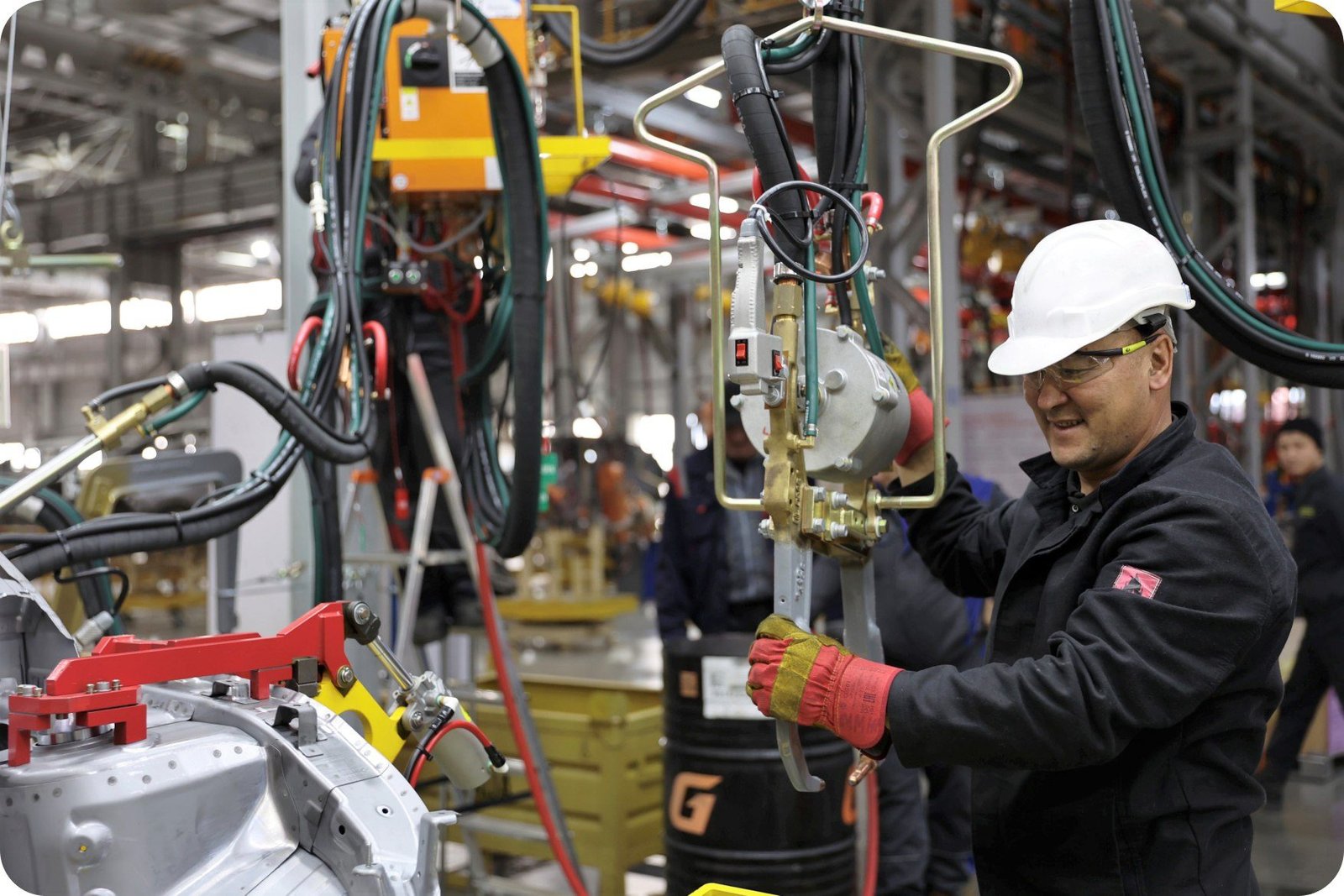
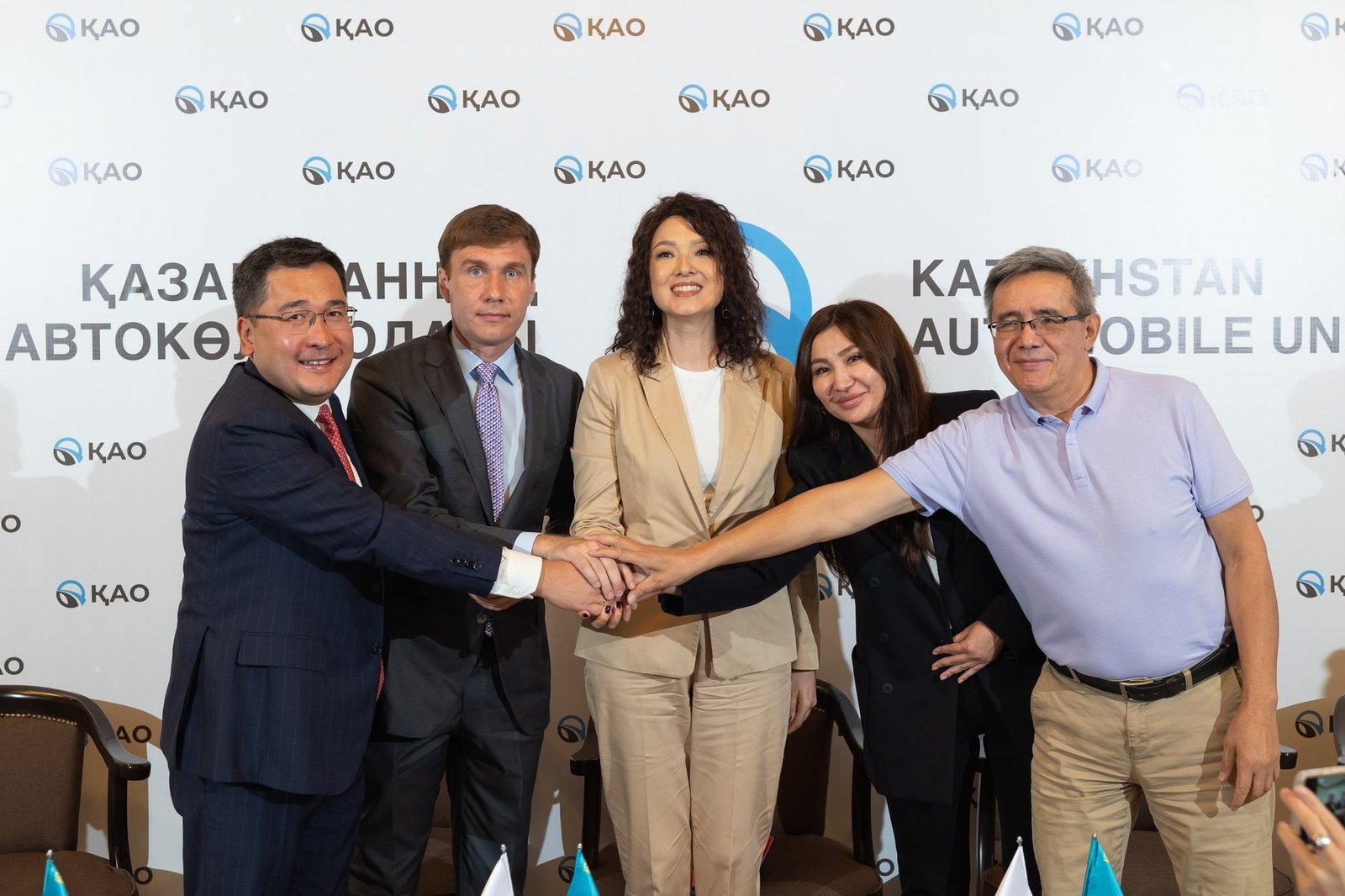
Kazakhstan’s automotive industry is entering a period of remarkable expansion in 2026, driven by increased production capacity, rising consumer demand, and strategic investments in manufacturing. The sector, once modest in scale, is now positioning itself as a key industrial pillar of the national economy. With projections indicating significant growth in output, employment, and vehicle sales, the country’s auto industry reflects a broader trend of industrial diversification and modernization.
A Strong Production Upswing
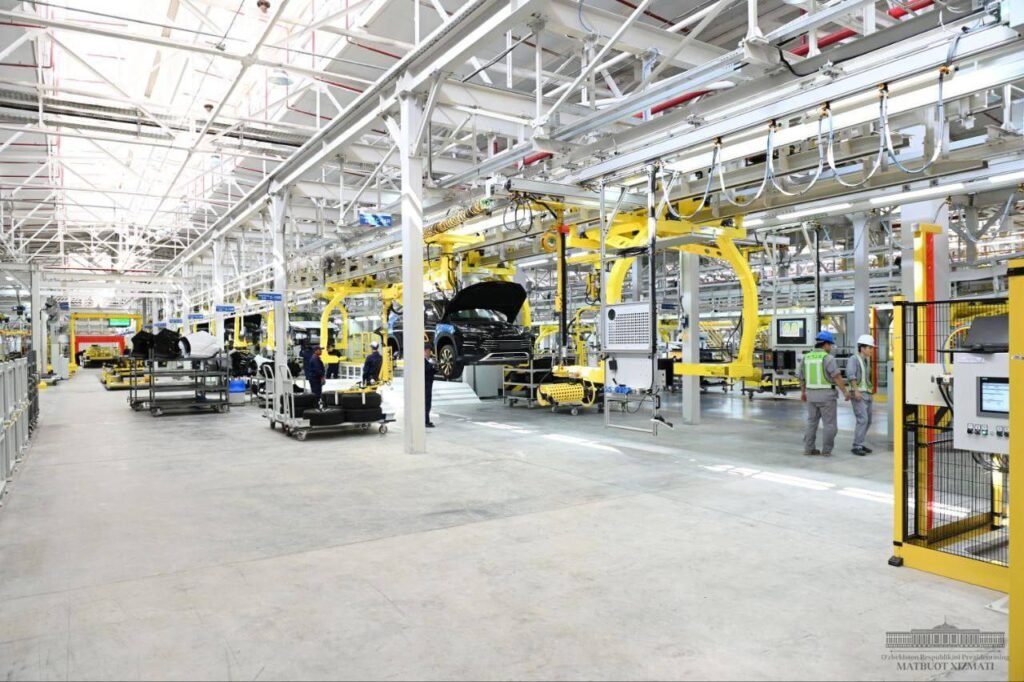
Vehicle production in Kazakhstan is expected to surpass 200,000 units in 2026, marking a substantial increase from the previous year. According to industry projections, output is set to reach approximately 209,000 units, compared to 171,400 vehicles produced in 2025. This represents an impressive 22% growth, signaling that the country’s automotive manufacturing capabilities are rapidly scaling up. This surge in production is largely attributed to factories reaching higher levels of their designed capacity. As newer facilities become fully operational and existing plants optimize their output, the industry is benefiting from improved efficiency and technological upgrades. These advancements are not only boosting production volumes but also enhancing the overall quality and competitiveness of locally assembled vehicles. The upward trajectory in manufacturing underscores Kazakhstan’s ambition to become a regional automotive hub. By increasing domestic production, the country is reducing reliance on imports while simultaneously strengthening its industrial base.

Industrial Expansion and Job Creation
The rapid growth of the automotive sector has had a direct and positive impact on employment. The launch of new vehicle assembly plants and auto-component manufacturing projects has created nearly 5,000 new jobs. In total, domestic manufacturers across passenger cars, trucks, and buses now provide employment to more than 11,000 people. This expansion in job opportunities highlights the sector’s role as a major contributor to economic development. The automotive industry not only supports direct employment in manufacturing but also stimulates job creation in related sectors such as logistics, sales, maintenance, and parts supply. The year 2025 has been described by industry leaders as an “industrial breakthrough” for Kazakhstan’s automotive landscape. This transformation has been fueled by strong government support and the active participation of both national and international investors.
The establishment of modern production facilities has laid the groundwork for sustained growth, ensuring that the industry can continue to expand in the coming years. Additionally, customer-oriented retail policies have played a significant role in boosting demand. By offering a wide range of financing options and accessible purchasing schemes, dealerships have made vehicle ownership more attainable for a larger segment of the population.
Domestic Production Dominates Sales
One of the most notable developments in Kazakhstan’s auto market is the growing dominance of domestically produced vehicles. By the end of 2025, locally assembled models accounted for a significant majority of new car sales. In December alone, eight out of every ten vehicles sold were produced within the country. This trend reflects the increasing competitiveness of domestic manufacturing. Local production has enabled automakers to offer vehicles that are better tailored to the needs and preferences of Kazakh consumers, while also maintaining competitive pricing. Moreover, all of the top ten best-selling car models in 2025 were assembled in Kazakhstan. This milestone demonstrates the success of localization strategies and the effectiveness of policies aimed at encouraging domestic production.
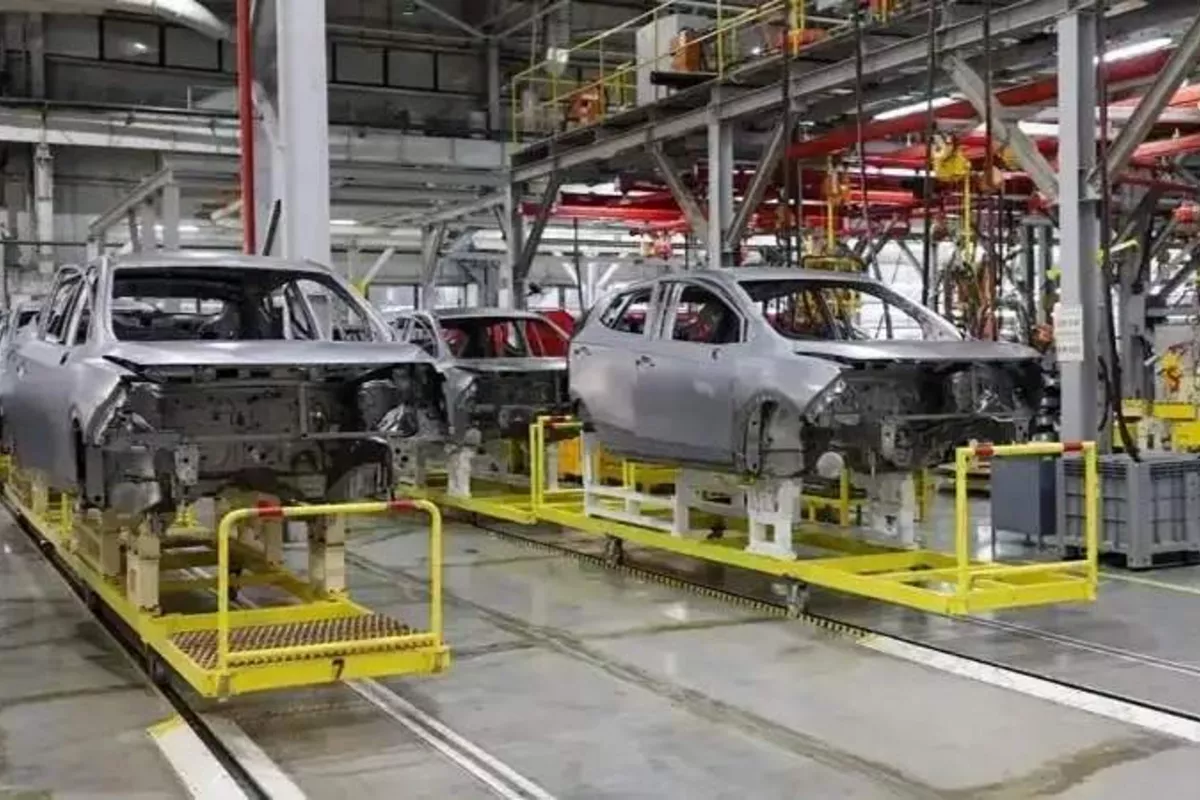

Sustained Growth in Vehicle Sales Kazakhstan’s automotive market has also demonstrated strong and consistent growth in sales. For the second consecutive year, total vehicle sales exceeded the 200,000 mark, underscoring robust consumer demand. In December 2025, official dealers sold 27,464 new passenger and commercial vehicles, representing a 7.3% increase compared to the previous record for the month. Over the course of the year, total sales reached 234,852 units, a 14.4% increase compared to 2024. This sustained growth reflects rising consumer confidence and improving economic conditions. As more people gain access to financing options and as incomes gradually increase, car ownership is becoming more widespread across the country. Competitive Market Landscape
Kazakhstan’s automotive market is characterized by a diverse range of brands, with more than 75 manufacturers represented. However, the majority of sales are concentrated among the top ten brands, which account for over 80% of total market volume. Among these, Hyundai emerged as the leading brand in 2025, selling 50,868 vehicles and achieving a 15.4% year-on-year increase. Chevrolet secured second place with 38,880 units sold, while Kia ranked third with 23,402 units. Chinese automakers have also been rapidly expanding their presence in the market. Brands such as Chery, Jetour, Haval, and Changan have gained significant traction, collectively contributing to a substantial share of total sales. Chinese brands accounted for approximately 39% of the market, maintaining their position from the previous year despite increasing competition. Other global players, including Toyota, Jac, and Geely, also remain key contributors to the market’s diversity and competitiveness. This wide array of options provides consumers with greater choice and helps drive innovation within the industry.
Growth of Electric Vehicles
The adoption of electric vehicles (EVs) in Kazakhstan is gradually gaining momentum. As of September 1, 2025, the country had registered 21,765 fully electric vehicles. While this number remains relatively small compared to the overall vehicle fleet, it represents a growing interest in sustainable transportation solutions. The increase in EV adoption is supported by global trends toward cleaner energy and reduced emissions. As infrastructure for charging stations continues to develop and as EV models become more accessible, Kazakhstan is likely to see further growth in this segment. However, the transition to electric mobility is still in its early stages. Continued investment in infrastructure, incentives, and public awareness will be crucial in accelerating the adoption of EVs across the country.
An Aging Vehicle Fleet and the Need for Renewal
Despite the growth in new vehicle sales, Kazakhstan’s overall vehicle fleet remains relatively old. As of October 2025, the total number of registered vehicles stood at 5.9 million units. A significant portion of this fleet consists of older vehicles. Cars aged over 20 years account for 41.5% of the total, while those between 10 and 20 years old make up 24.2%. In contrast, vehicles under three years old represent only 6.8% of the fleet. This imbalance highlights a pressing need for fleet renewal. Older vehicles are generally less efficient, less safe, and more environmentally harmful compared to newer models. Encouraging the replacement of aging vehicles with modern alternatives presents an opportunity to improve road safety, reduce emissions, and stimulate further growth in the automotive sector.


At the same time, there is evidence of a growing preference among consumers for newer vehicles. Cars under seven years old already represent a notable share of the fleet, indicating that many citizens are actively seeking to upgrade their vehicles. Kazakhstan’s automotive industry is poised for continued growth in the coming years. The combination of increased production capacity, strong domestic demand, and supportive government policies creates a solid foundation for long-term development. As the industry evolves, several key trends are likely to shape its future. These include further localization of production, increased adoption of electric vehicles, and ongoing efforts to modernize the national vehicle fleet. Additionally, the expansion of export opportunities could enhance Kazakhstan’s position in the regional and global automotive markets.

In conclusion, 2026 marks a pivotal year for Kazakhstan’s automotive sector. With production surpassing 200,000 units, job creation on the rise, and sales maintaining strong momentum, the industry is demonstrating its potential as a major driver of economic growth. By addressing challenges such as fleet aging and advancing sustainable mobility, Kazakhstan is well on its way to establishing a dynamic and resilient automotive ecosystem.
More to Read
All issues
Kazakhstan & Hyundai Motor Group Deepen Automotive & Industrial Partnership
Kazakhstan is looking to strengthen its position as a regional automotive and industrial manufacturing centre as President Kassym-Jomart Tokayev and Hyundai Motor Group…

Across the Caspian
Kazakhstan & Azerbaijan Prepare to Revive Passenger Ferry Links

Airbus Deepens Strategic Partnership with Kazakhstan As Aviation Defense & Space Cooperation Expands
Kazakhstan’s ambitions to establish itself as a leading aviation hub in Central Asia are receiving significant support from European aerospace giant Airbus, which…