Four Billion Strong: Kazakhstan’s Automotive Industry Gains Momentum
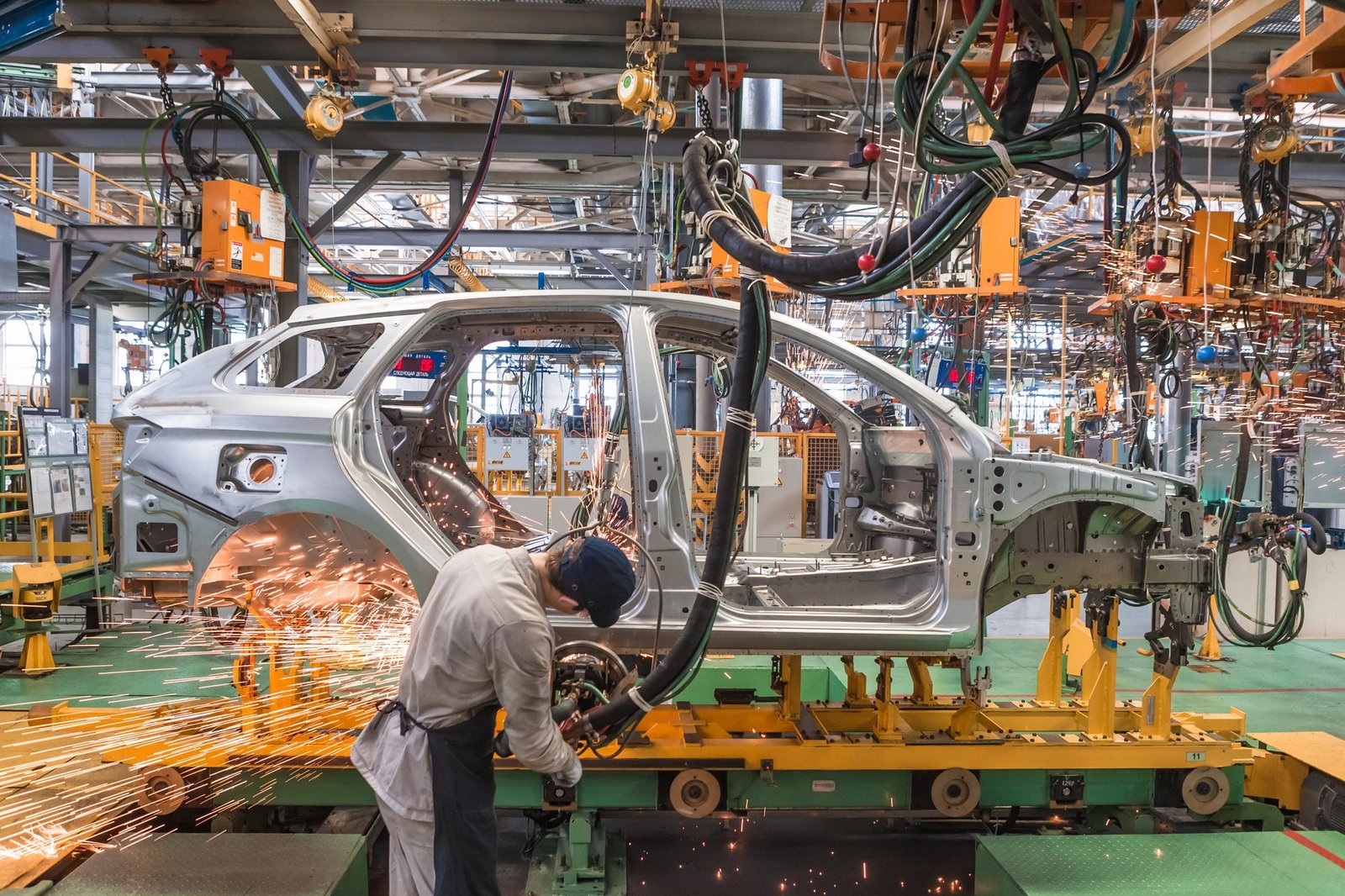
Kazakhstan’s automotive industry is closing 2025 on a historic high, emerging as one of the most dynamic segments of the country’s manufacturing sector. With total production value nearing $4 billion in the first 11 months of the year, the industry has already surpassed its full-year 2024 performance, underlining the growing scale, sophistication, and economic importance of domestic vehicle manufacturing. According to official data from the Bureau of National Statistics, Kazakhstan’s automotive output from January through November 2025 reached approximately $3.9 billion—around $251 million more than the total production value recorded in all of 2024. This milestone signals not only quantitative growth but also a qualitative shift toward higher value-added manufacturing and deeper industrial localization.
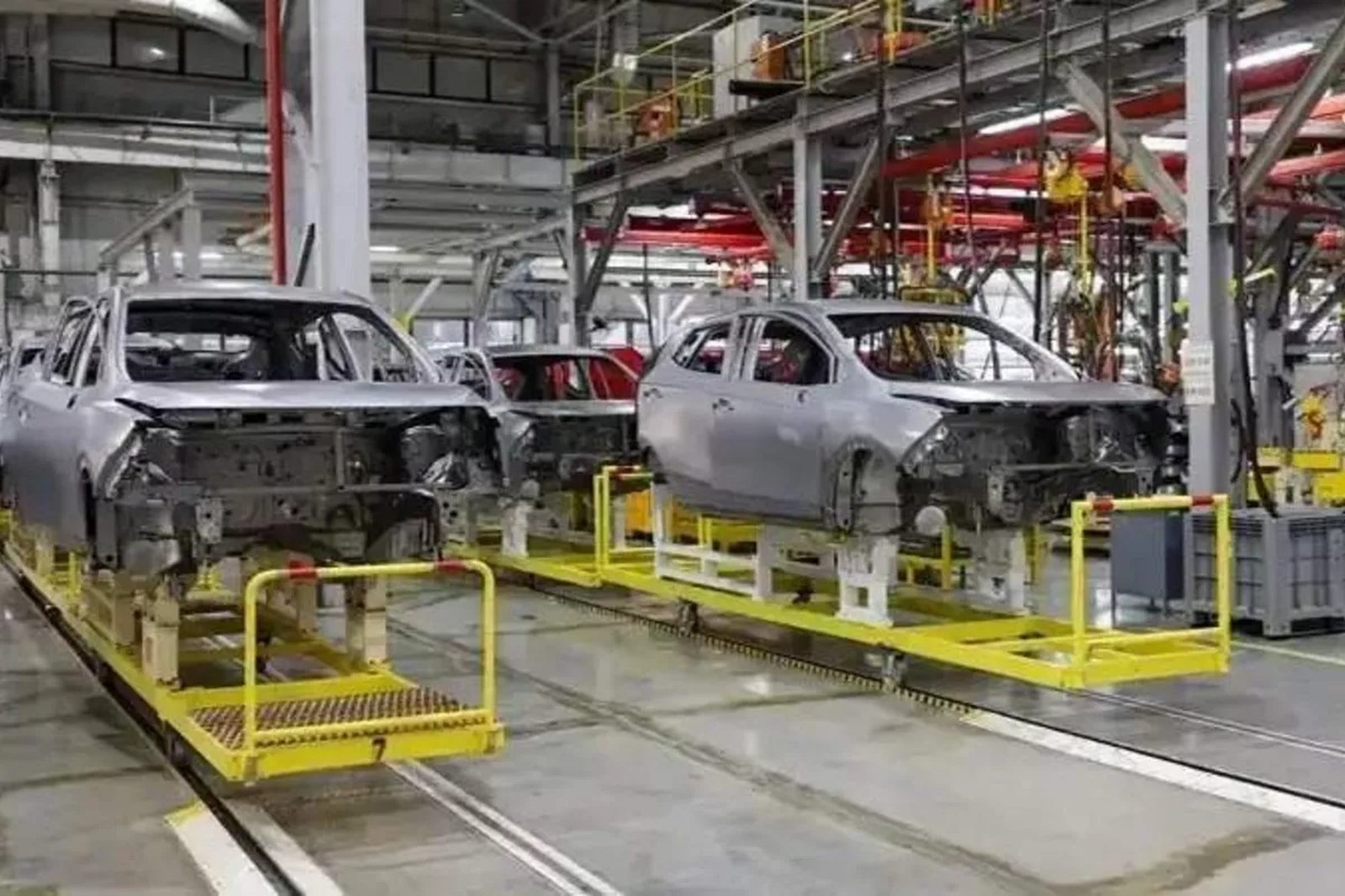
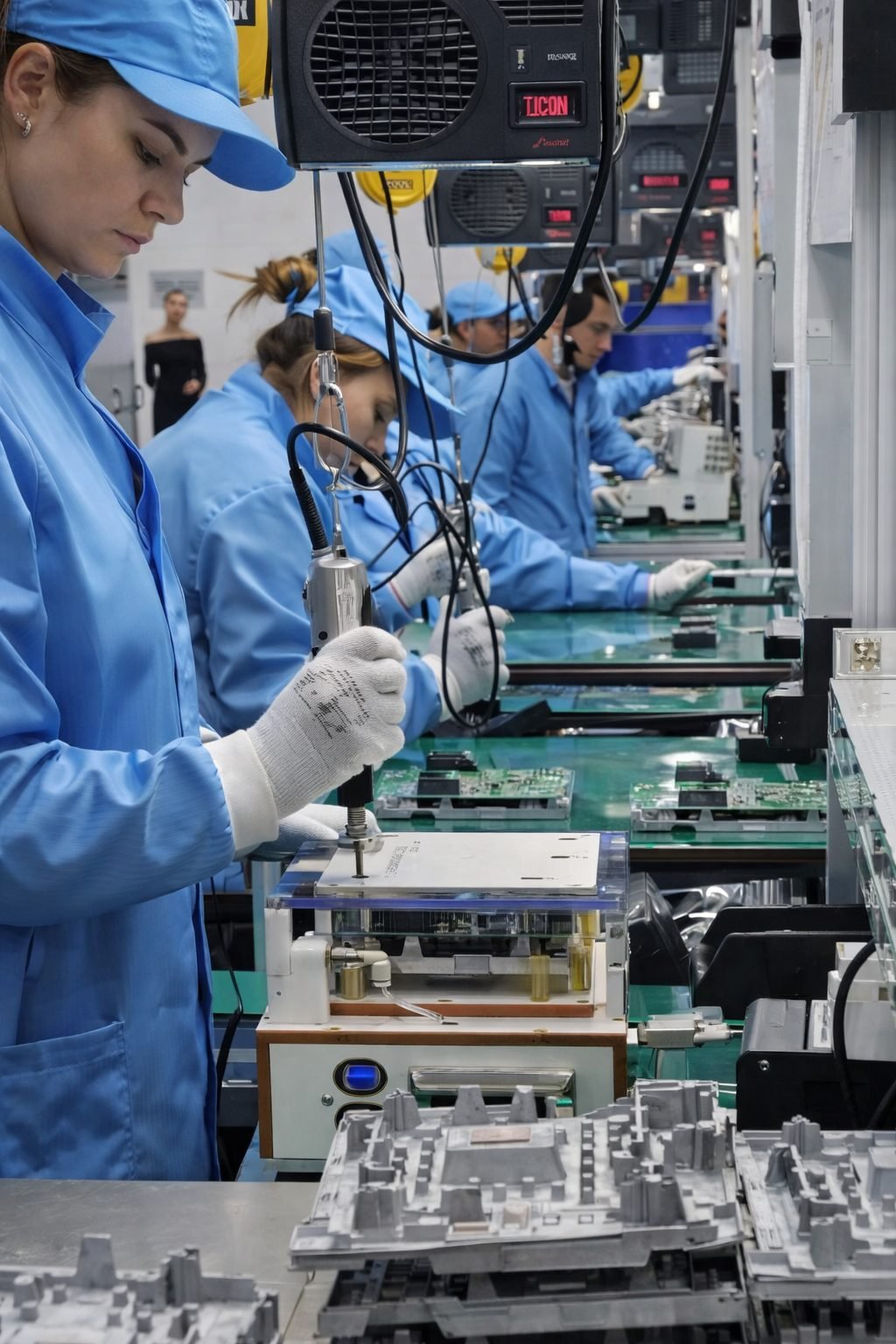
Record November Performance Sets the Tone November 2025 proved to be a standout month for the sector. Kazakhstan produced 22,580 units of automotive equipment during the month, valued at roughly $601 million. This represents a 25.5% year-on-year increase in production volume and marks the highest monthly output ever recorded by the industry. The November figures included a record number of passenger cars, trucks, buses, trailers, and specialized vehicles, reflecting the sector’s increasing diversification. The strong monthly performance reinforced confidence that the industry will comfortably cross the $4 billion threshold by the end of the year, a target once considered ambitious for a relatively young automotive ecosystem.
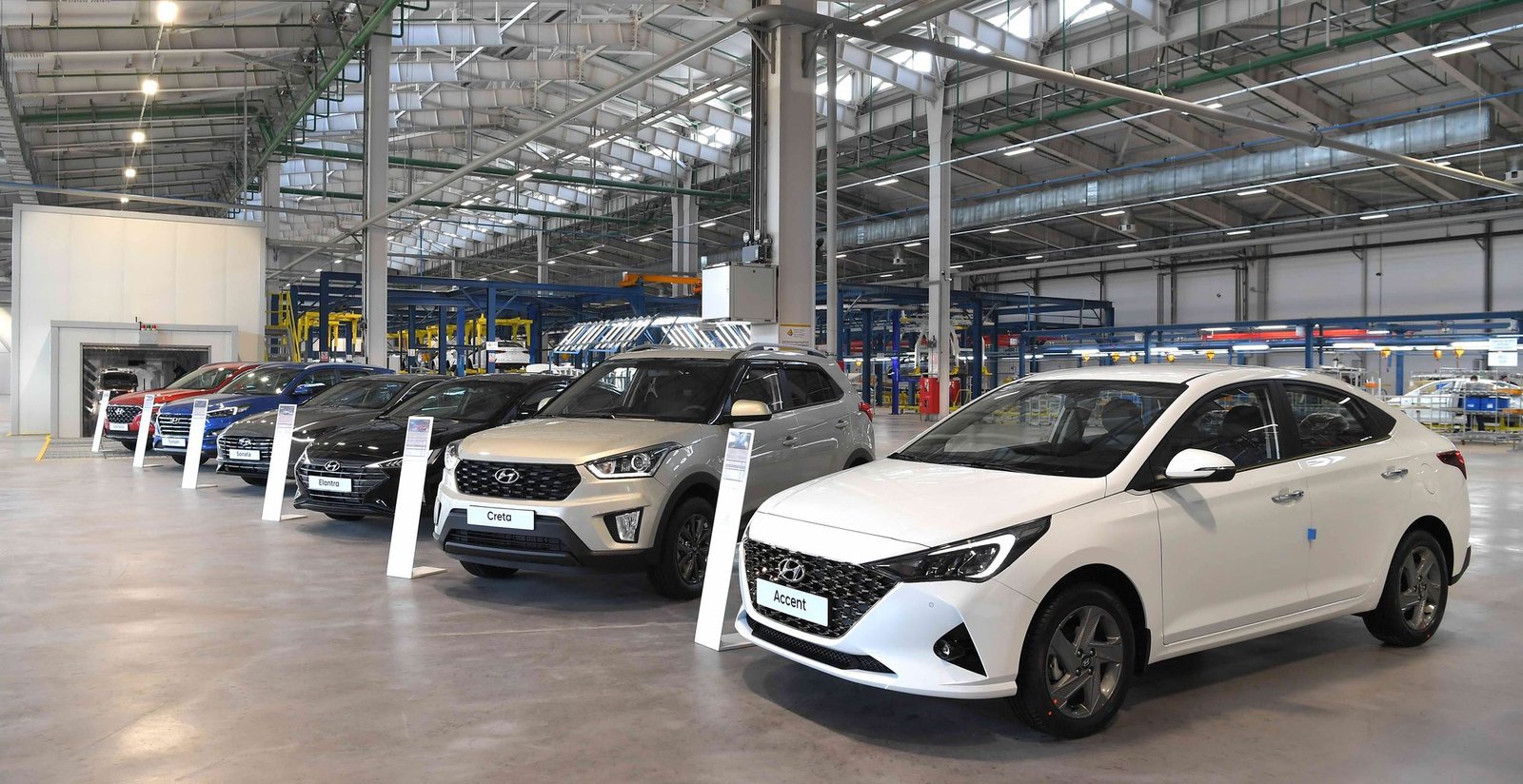
In total, Kazakhstan produced 146,163 vehicles during the first 11 months of 2025, up 15.7% compared to the same period in 2024. While physical output volumes remained broadly comparable to previous years, the sharp rise in total production value points to a structural transformation taking place within the industry.
Rising Added Value and Manufacturing Complexity
One of the most significant trends underpinning the industry’s growth is the steady increase in added value. Automotive production in Kazakhstan was valued at around $3.4 billion in 2023 and $3.6 billion in 2024, making the near-$4 billion figure for 2025 a notable leap. This growth reflects the expanding complexity of domestic manufacturing processes. Local plants are increasingly engaged in higher stages of assembly, integration of advanced components, and improved production standards. The shift is helping Kazakhstan move away from simple assembly operations toward a more resilient and technologically capable automotive sector. As a result, automotive manufacturing now accounts for 41.7% of Kazakhstan’s overall machine-building industry for the first 11 months of 2025, strengthening its position as a cornerstone of the country’s industrial diversification strategy.

Regional Leaders and Production Hubs
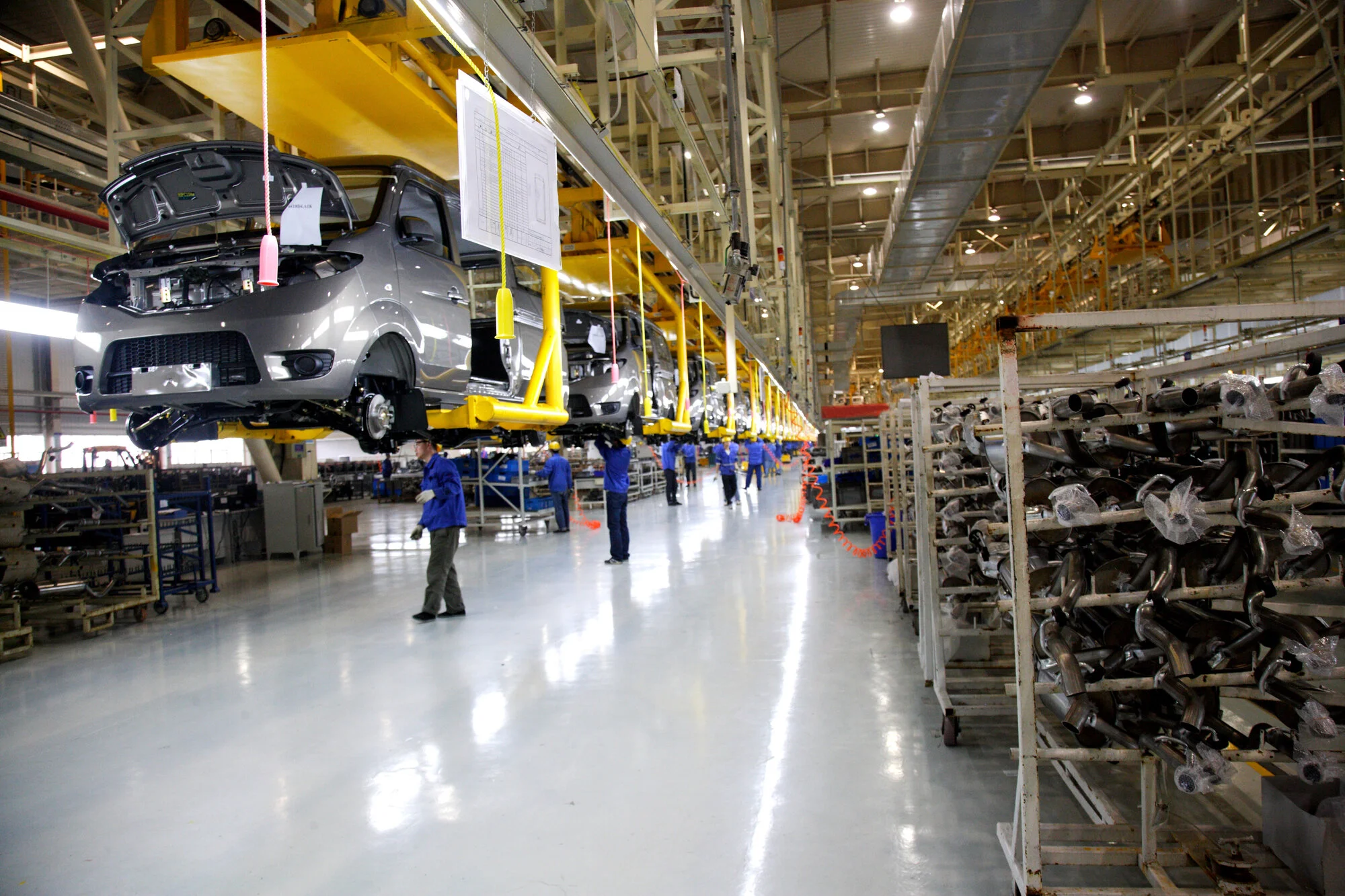
Industry performance across Kazakhstan remains uneven, highlighting both progress and challenges in regional development. According to the Kazakhstan Automobile Union (KAS), Allur, based in the Kostanay region, retained its status as the country’s leading automotive producer Allur, based in the Kostanay region, retained its status as the country’s leading automotive producer. The company manufactured more than 79,000 vehicles during the reporting period, accounting for a significant share of national output. Southern Kazakhstan emerged as another major growth engine. More than 48,000 vehicles were assembled at the Hyundai Trans Kazakhstan and Hyundai Trans Almaty plants, representing a robust 26.7% year-on-year increase. These facilities have become key pillars of Kazakhstan’s passenger car production, benefiting from strong domestic demand and stable supply chains. In the Karaganda region, QazTehna delivered one of the most impressive growth performances of the year, expanding commercial vehicle production by over 50%. The surge reflects rising demand for trucks, buses, and specialized vehicles linked to infrastructure development, logistics, and public transport modernization. By contrast, production declined in eastern Kazakhstan, particularly in Semey. The downturn underscores persistent regional disparities in industrial capacity, investment levels, and workforce specialization—issues policymakers continue to address through targeted industrial support programs.
Popular Models and Market Alignment
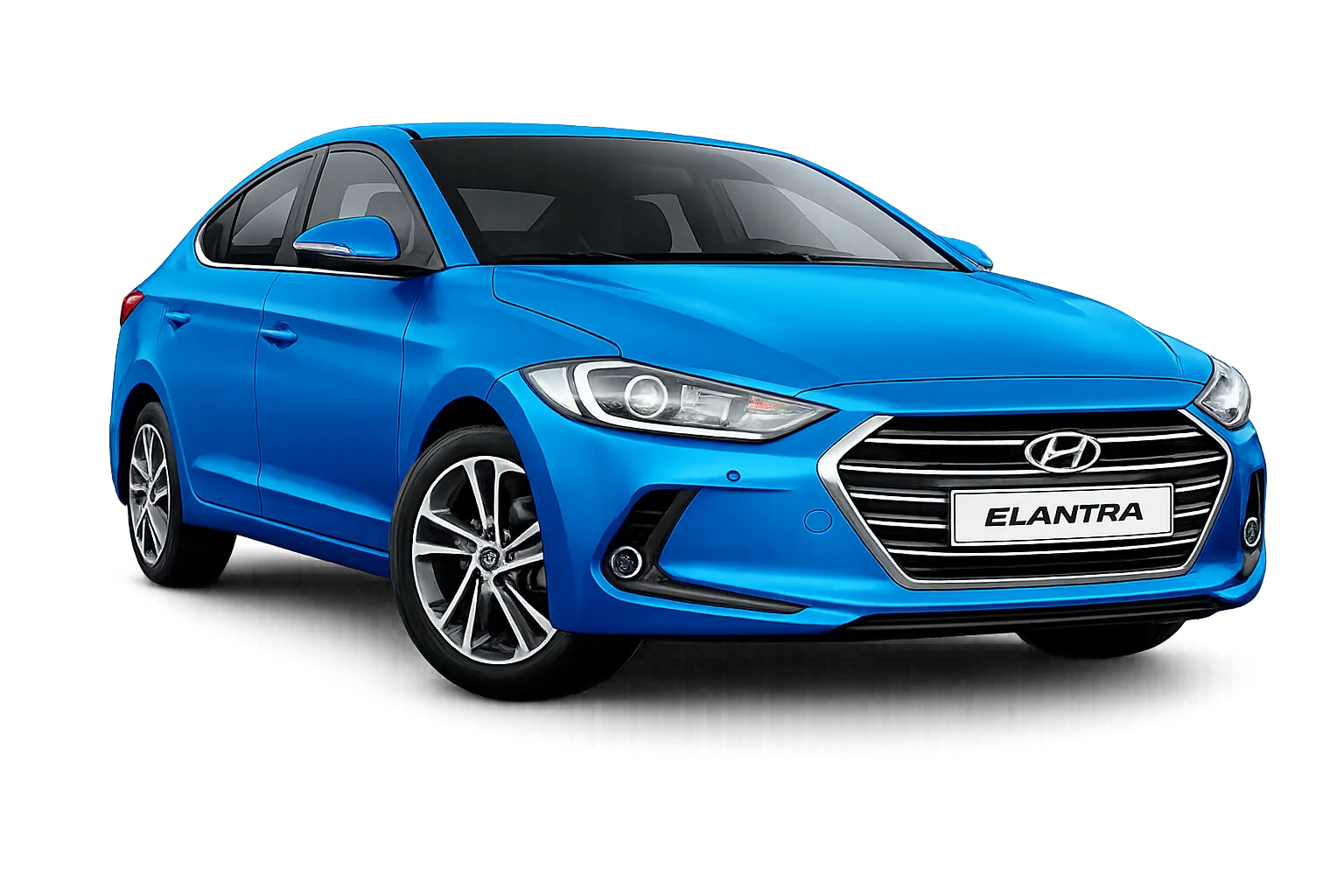
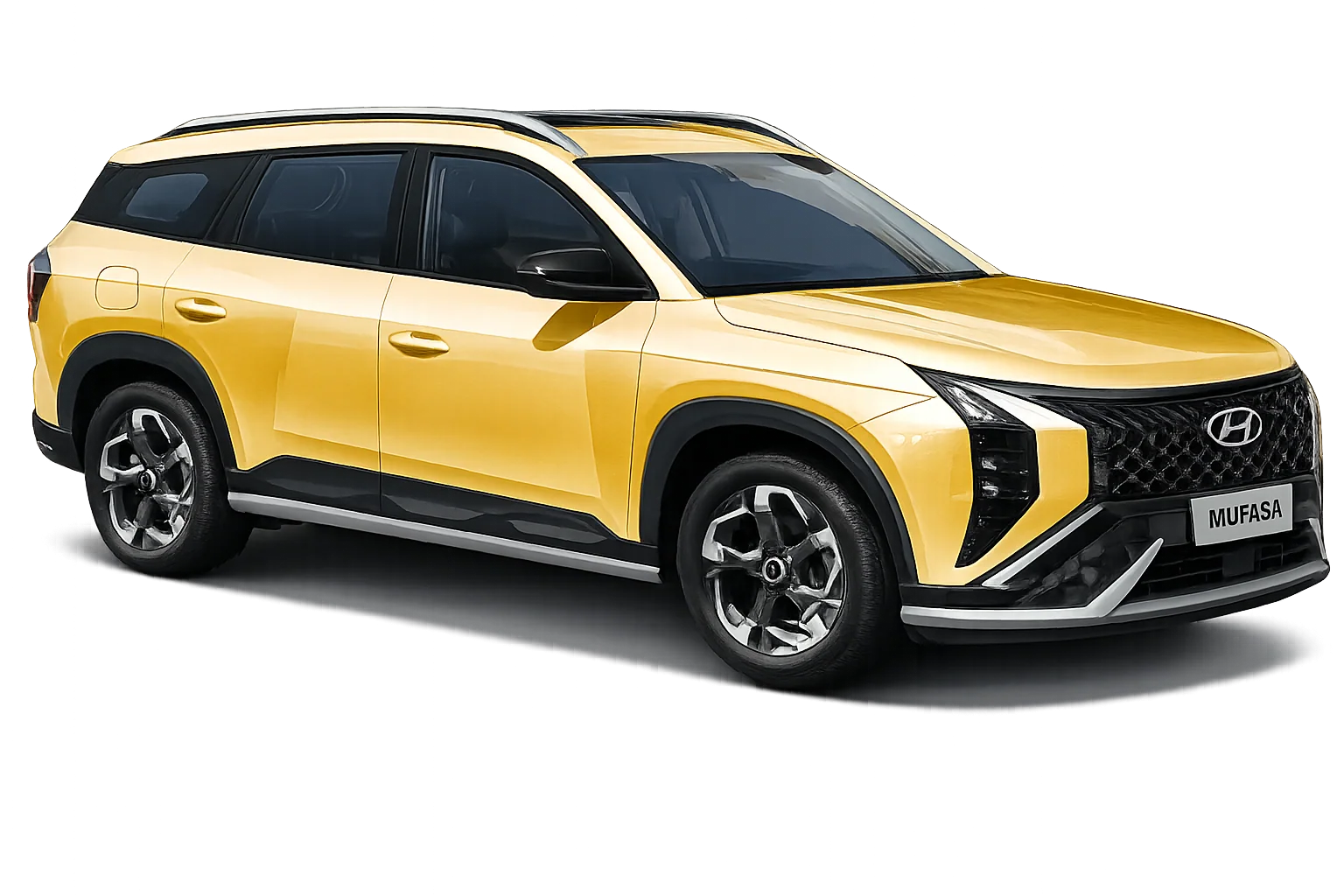
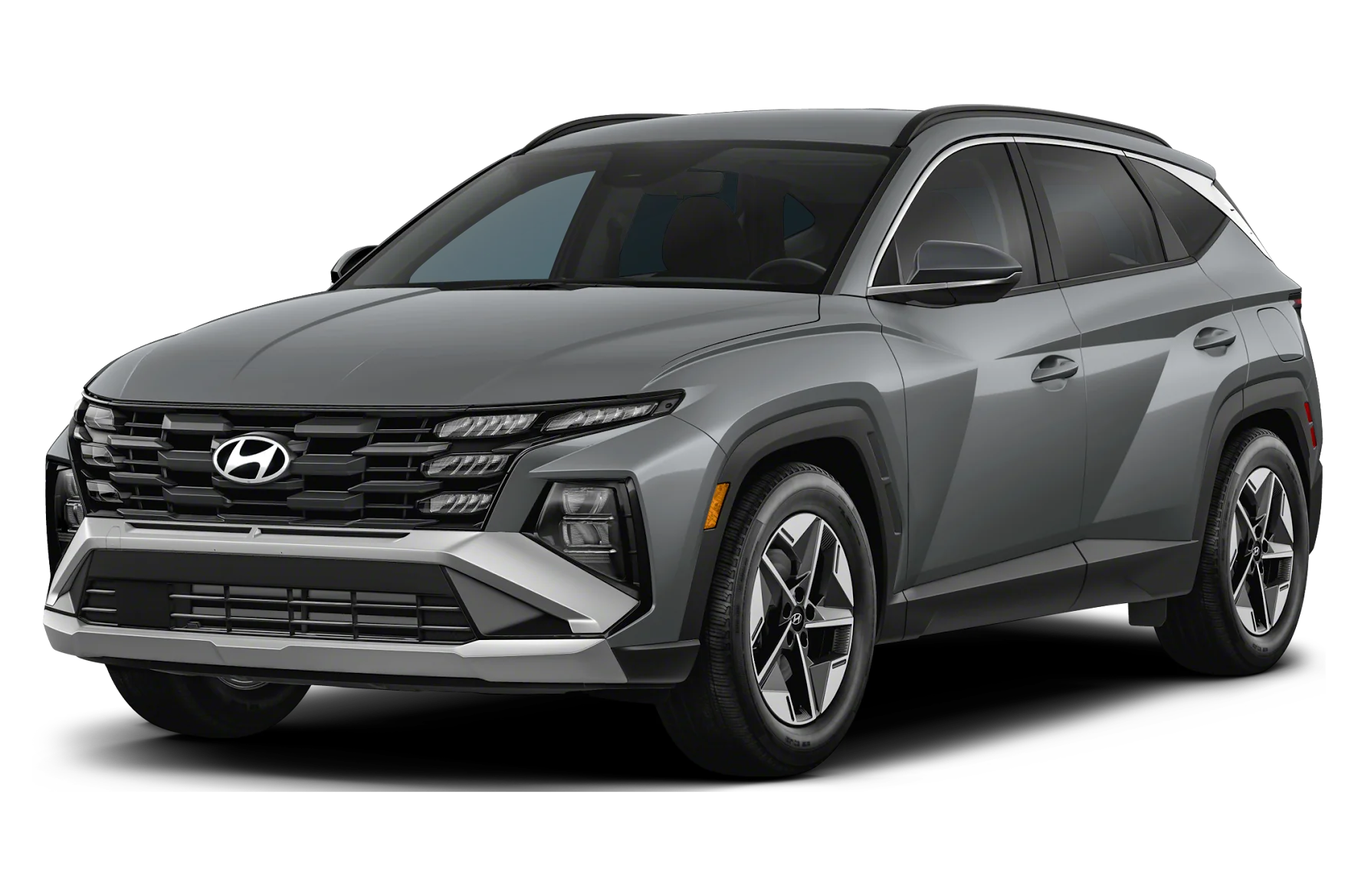
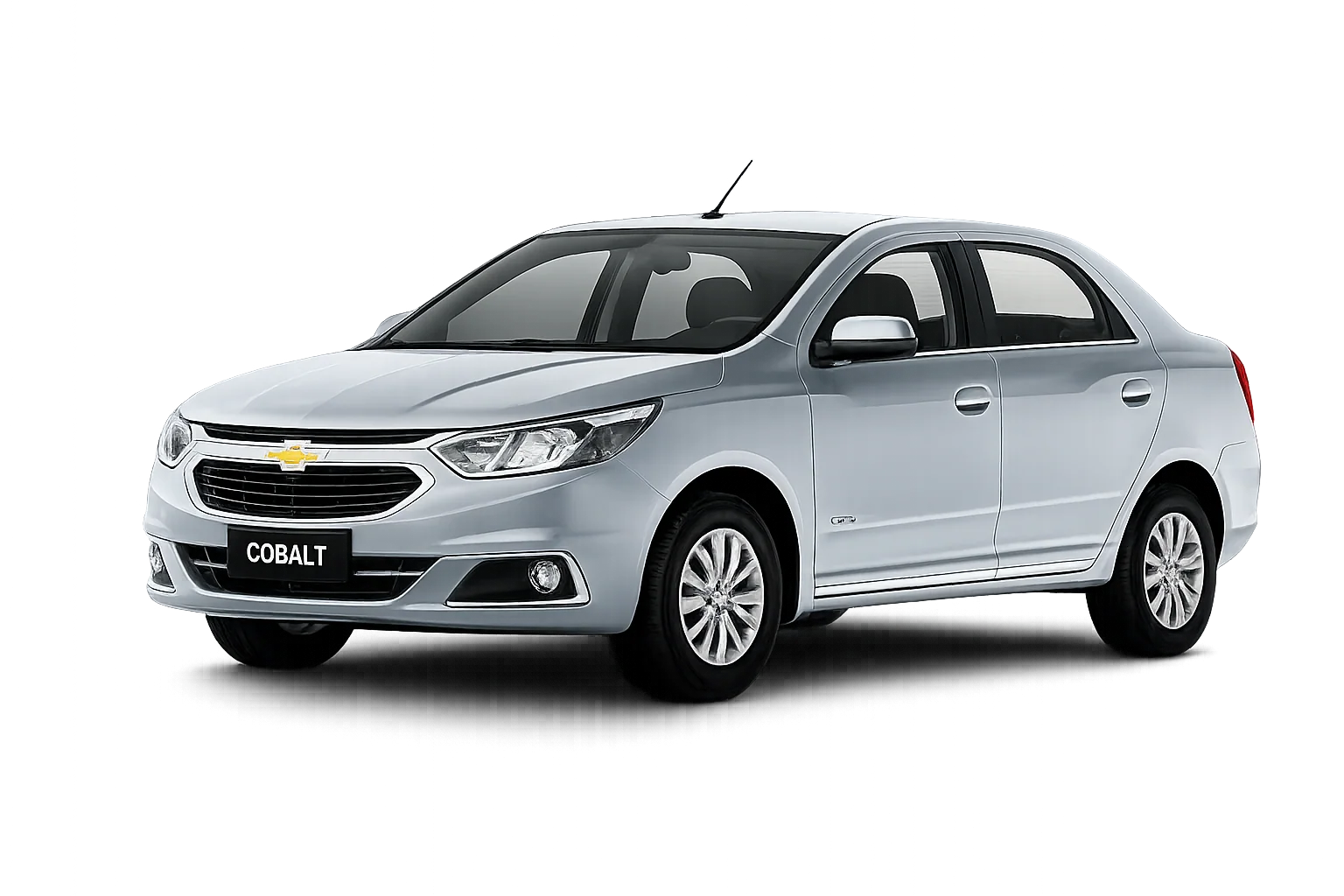
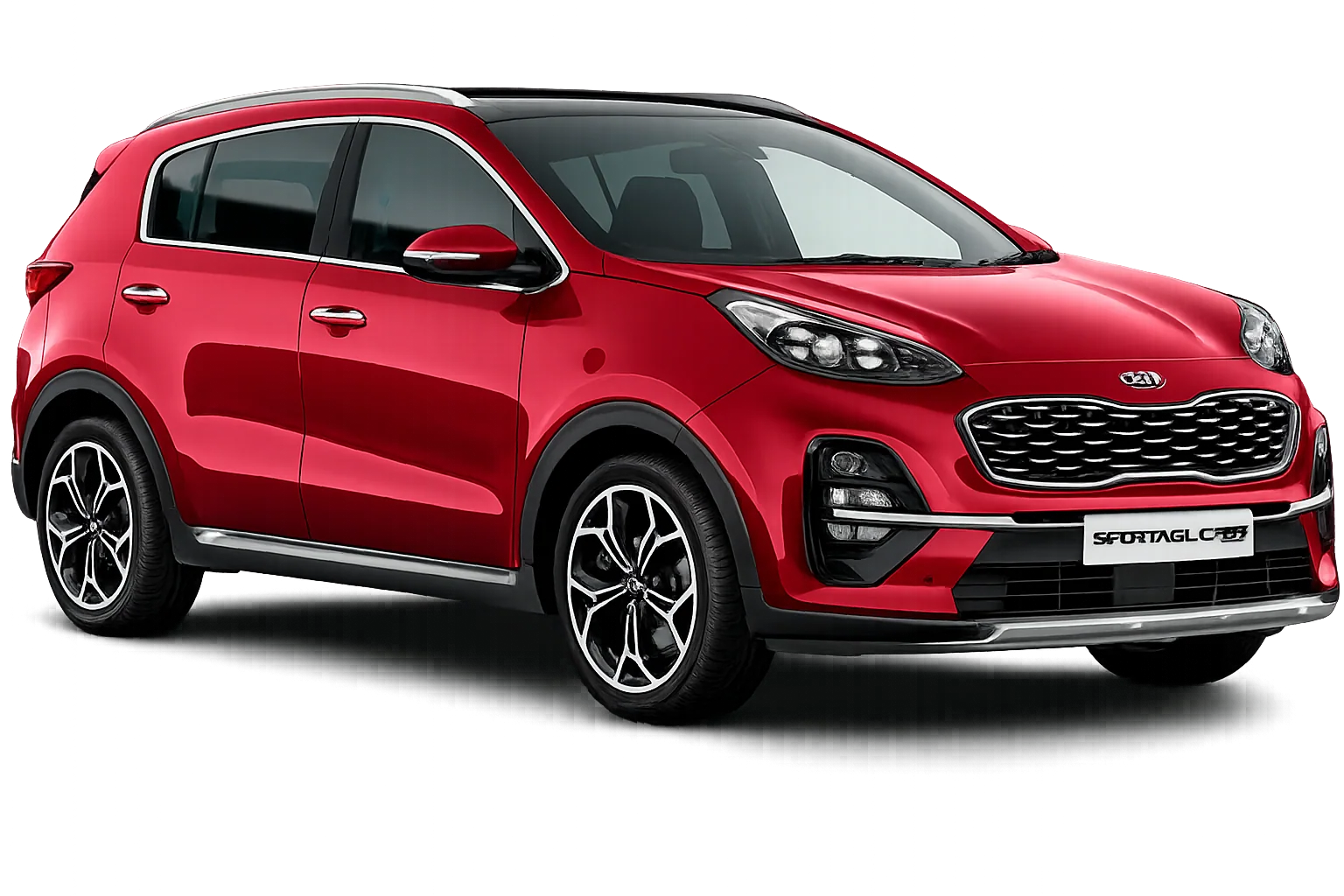
Kazakhstan’s production growth has been closely aligned with consumer preferences. The Chevrolet Cobalt, Hyundai Tucson, Kia Sportage, Hyundai Mufasa, and Hyundai Elantra topped the list of vehicles produced during the period. These models also ranked among the most popular choices on the domestic market, indicating effective coordination between manufacturers and demand trends. The focus on affordable, reliable, and fuel-efficient vehicles has helped sustain high factory utilization rates, even amid global market uncertainties. Local production has also played a role in stabilizing prices and improving availability for Kazakh consumers.

Sales Revival Fuels Industrial Momentum
The surge in production coincided with a strong rebound in consumer demand. As previously reported by The Times of Central Asia, Kazakhstan set a new national car sales record in November 2025. Rising household incomes, improved access to financing, and expanding model ranges have contributed to the revival of the domestic automotive market. Higher sales volumes have provided manufacturers with greater predictability, encouraging capacity expansion and longer-term investment planning. In turn, this virtuous cycle has strengthened the broader automotive ecosystem, including suppliers, logistics providers, and service networks. As Kazakhstan’s automotive industry approaches the symbolic $4 billion milestone, it stands as a clear example of the country’s industrial transformation. Continued investment in localization, workforce skills, and technological upgrading will be critical to sustaining momentum beyond 2025. While regional imbalances and external market risks remain, the sector’s record-breaking performance this year demonstrates its growing resilience and strategic importance. For Kazakhstan, the automotive industry is no longer just an emerging sector—it is rapidly becoming a flagship of national manufacturing ambition.

More to Read
All issues
Kazakhstan & Hyundai Motor Group Deepen Automotive & Industrial Partnership
Kazakhstan is looking to strengthen its position as a regional automotive and industrial manufacturing centre as President Kassym-Jomart Tokayev and Hyundai Motor Group…

Across the Caspian
Kazakhstan & Azerbaijan Prepare to Revive Passenger Ferry Links

Airbus Deepens Strategic Partnership with Kazakhstan As Aviation Defense & Space Cooperation Expands
Kazakhstan’s ambitions to establish itself as a leading aviation hub in Central Asia are receiving significant support from European aerospace giant Airbus, which…