

Bridging East Asia & Central Asia: President Tokayev’s Japan Visit
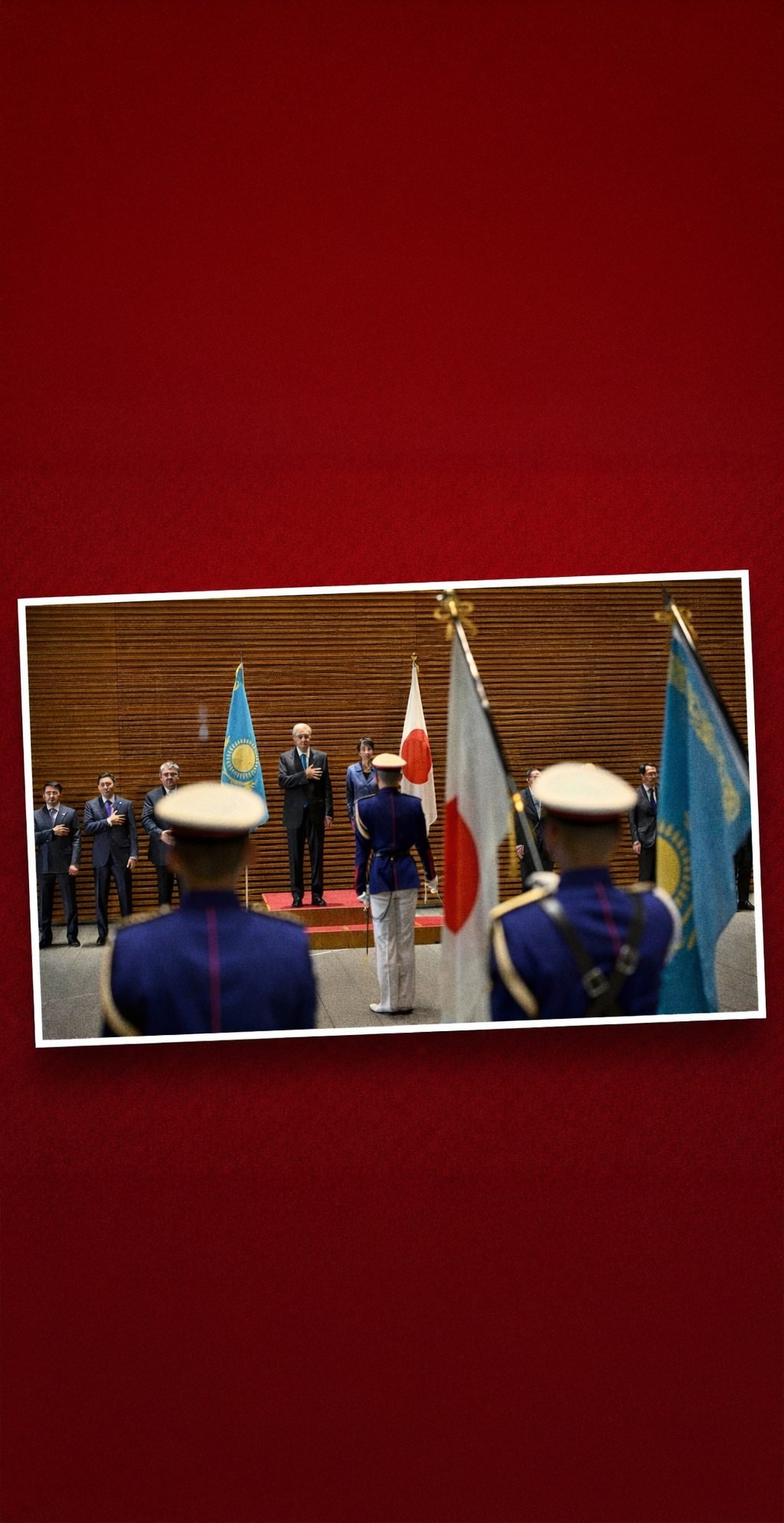
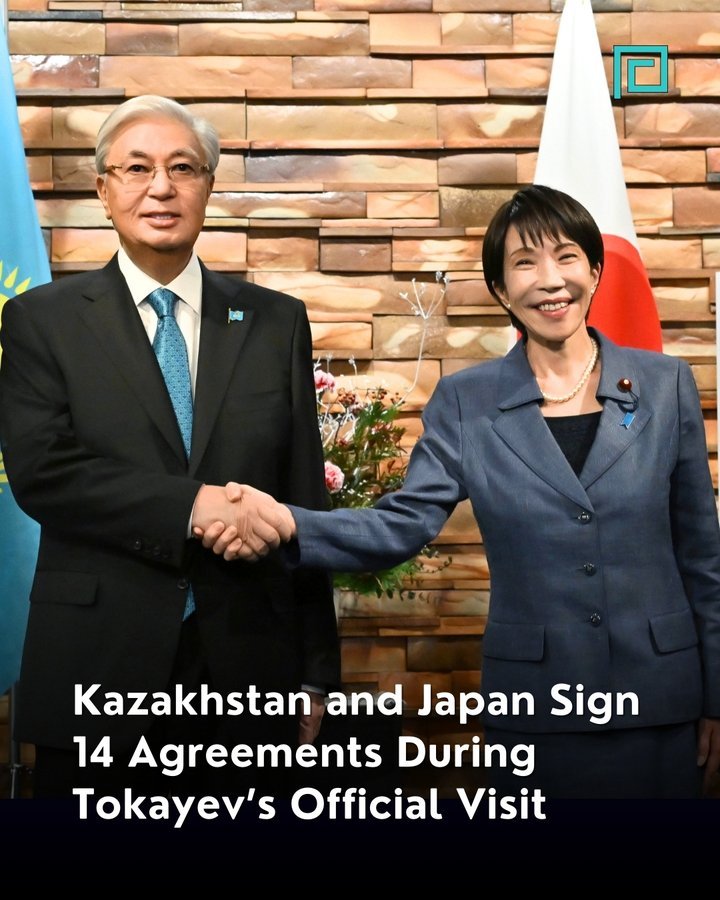
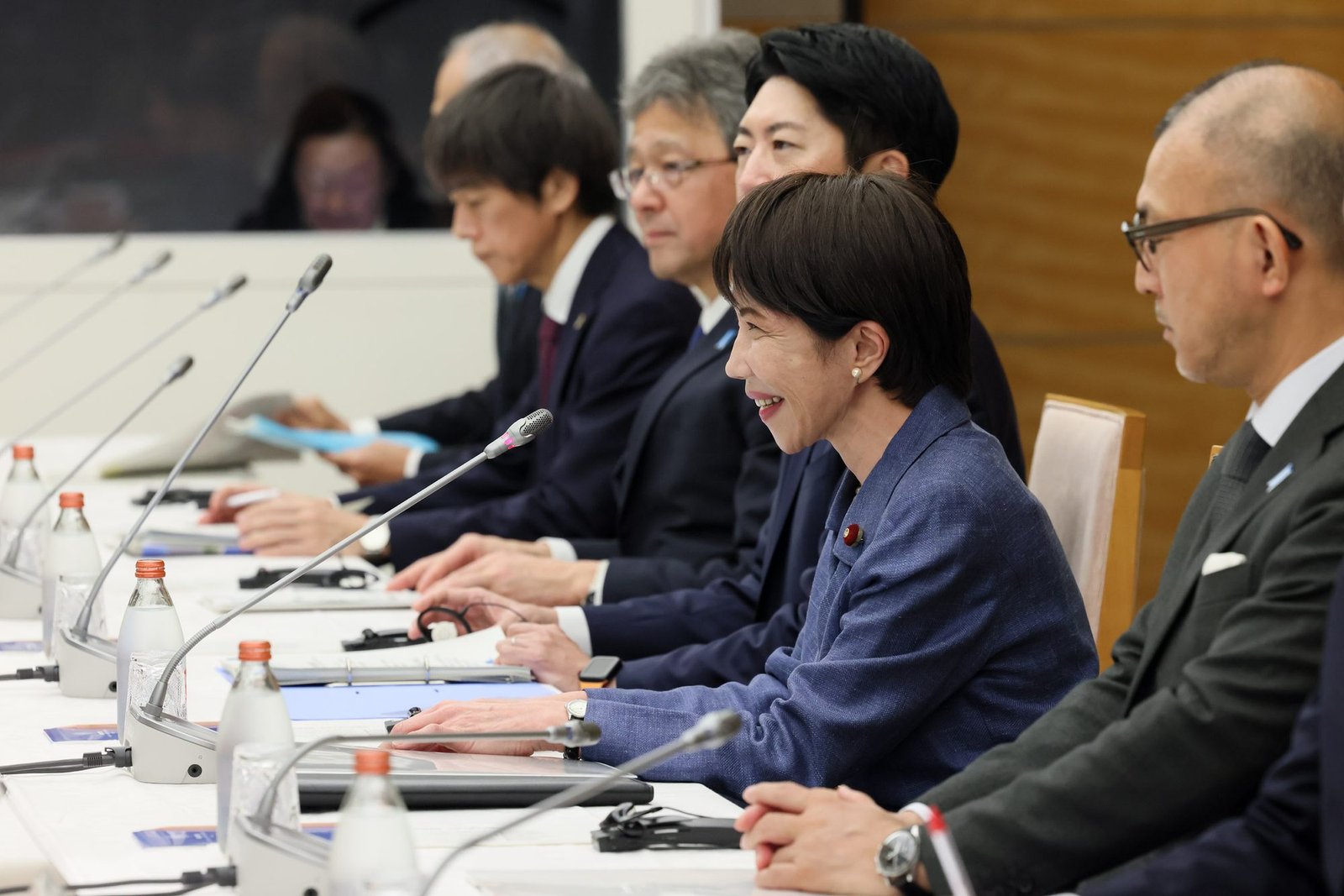
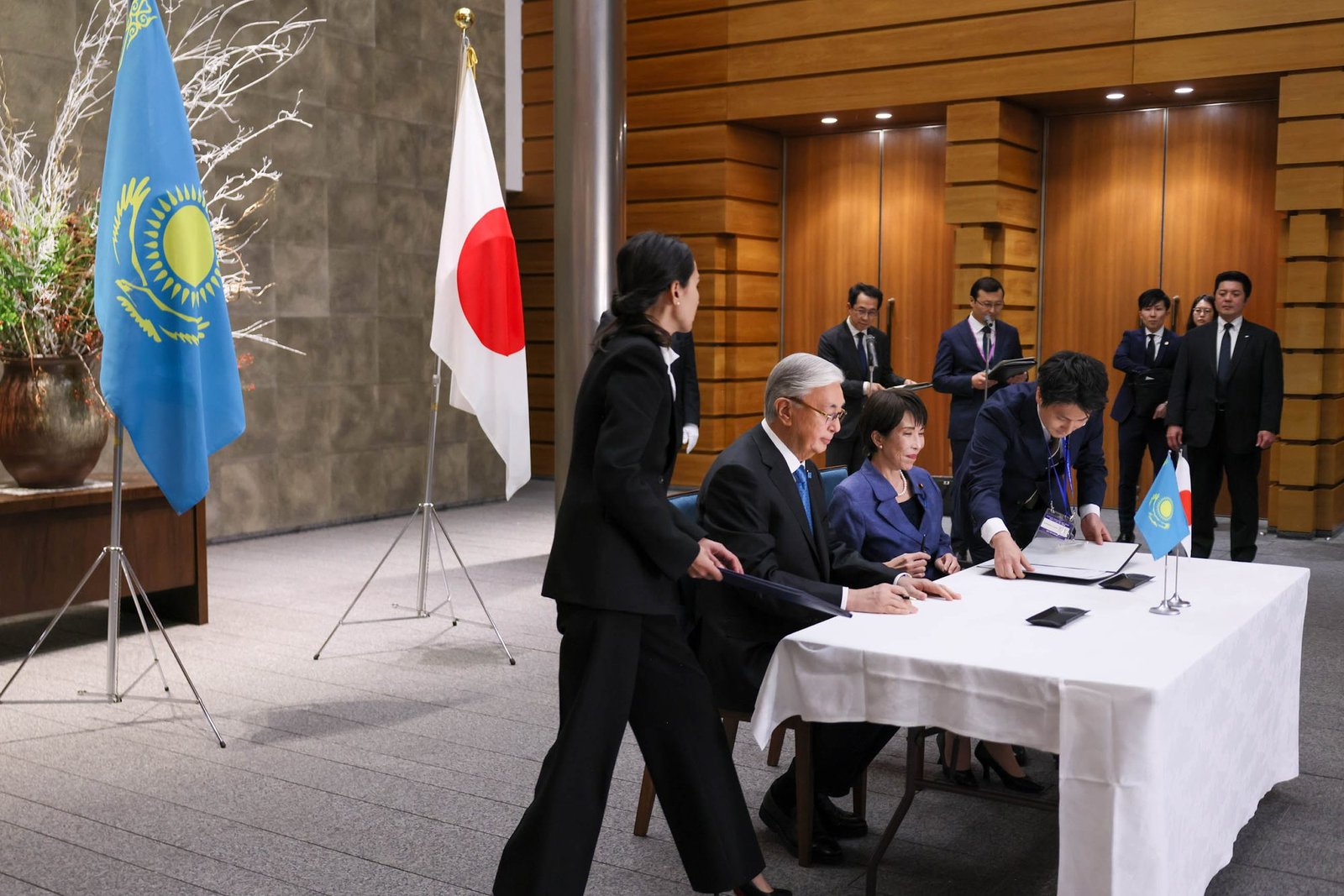
The official visit of Kazakhstan’s President Kassym-Jomart Tokayev to Japan marked a significant milestone in the deepening partnership between the two nations, underscoring their shared commitment to economic cooperation, technological exchange, and regional stability. Held at a time of growing global uncertainty, the visit highlighted the importance of strong bilateral ties and forward-looking diplomacy between Central Asia and East Asia. President Tokayev was accorded a warm and respectful welcome in Tokyo, reflecting Japan’s high regard for Kazakhstan as a key strategic partner in Central Asia. High-level meetings with Japan’s leadership focused on strengthening political dialogue, expanding trade and investment, and enhancing cooperation in areas such as energy, digital transformation, green technologies, and human capital development.

Strengthening Political and Strategic Dialogue At the core of the visit was the reaffirmation of long-standing diplomatic relations between Kazakhstan and Japan, which have steadily grown since the establishment of formal ties in the early 1990s. President Tokayev emphasized Kazakhstan’s commitment to a balanced, multi-vector foreign policy, positioning the country as a reliable partner in Eurasia and a bridge between Asia and Europe. Discussions also addressed regional and global issues, including economic resilience, supply chain stability, nuclear non-proliferation, and sustainable development. Kazakhstan’s role as a leader in regional diplomacy and its experience in peacebuilding initiatives resonated strongly with Japan’s emphasis on international cooperation and rule-based global order.
Expanding Economic Cooperation
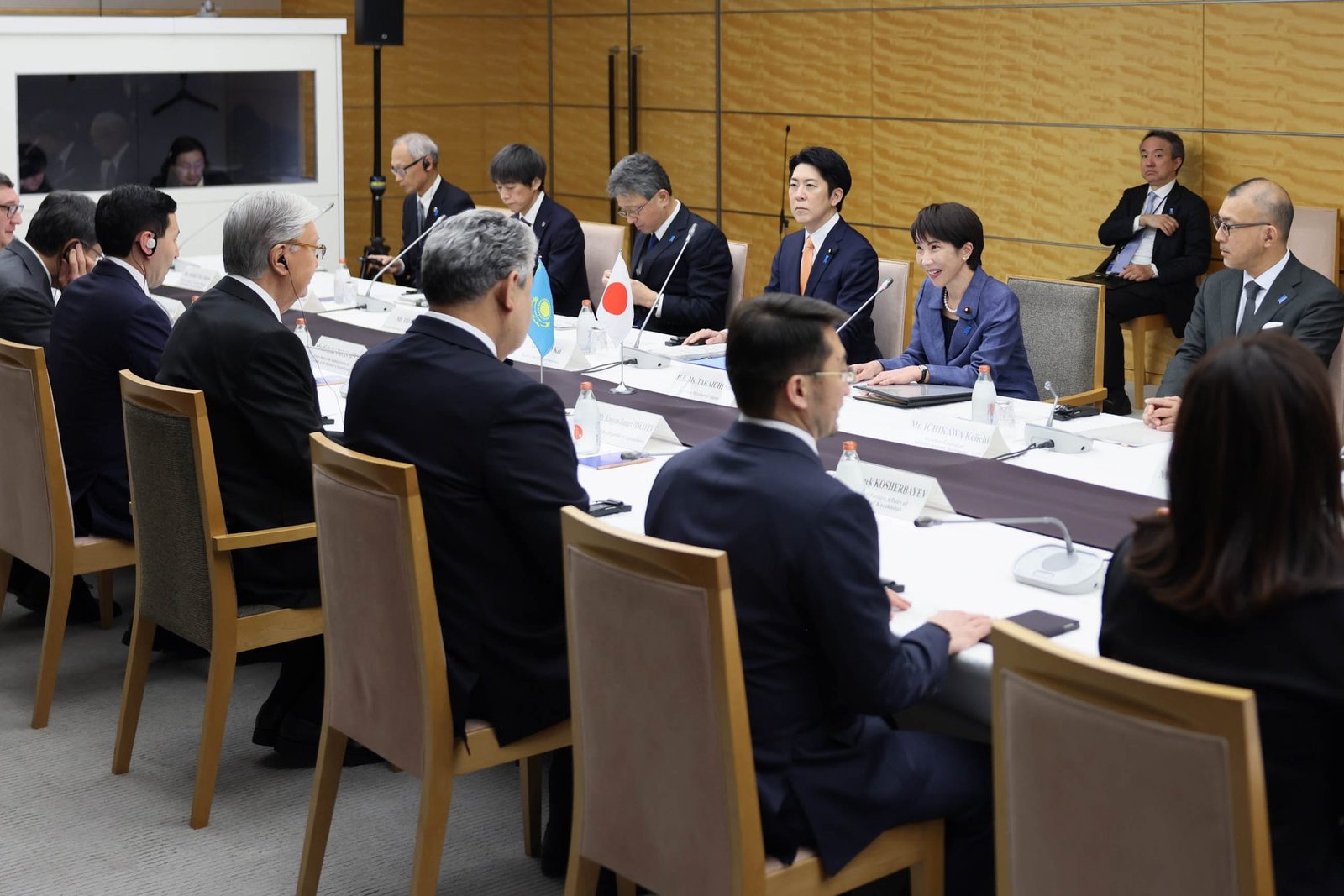
Economic collaboration featured prominently during the visit. Japan remains one of Kazakhstan’s most important Asian investors, particularly in sectors such as energy, mining, manufacturing, and infrastructure. President Tokayev invited Japanese companies to further participate in Kazakhstan’s economic modernization, industrial diversification, and large-scale infrastructure projects. Special attention was given to cooperation in critical minerals, rare earth elements, and advanced materials—areas where Kazakhstan’s resource potential aligns with Japan’s technological expertise. Both sides expressed interest in joint ventures that move beyond raw material extraction toward value-added production, innovation, and localization of high-tech industries.

Focus on Green Energy and Sustainability
The visit also highlighted shared priorities in environmental protection and climate action. Kazakhstan’s ambitious goals for carbon neutrality and renewable energy development align closely with Japan’s global leadership in green technologies. Discussions explored cooperation in renewable energy, hydrogen production, energy efficiency, and smart infrastructure. President Tokayev emphasized Kazakhstan’s efforts to transition toward a greener economy, noting that Japanese expertise could play a key role in supporting sustainable industrial practices and environmental innovation across Central Asia.
Innovation, Education, and Cultural Exchange
Beyond economics and politics, the visit reinforced the importance of people-to-people ties. Agreements and discussions covered cooperation in education, science, and innovation, including academic exchanges, research partnerships, and technology transfer. Japanese universities and research institutions have long been attractive partners for Kazakh students and scholars, contributing to human capital development in Kazakhstan. Cultural exchange was another important theme, reflecting the mutual respect and curiosity between the two societies. Kazakhstan’s rich history and cultural heritage, combined with Japan’s global cultural influence, offer strong foundations for deeper mutual understanding through tourism, arts, and cultural programs.

A Forward-Looking Partnership
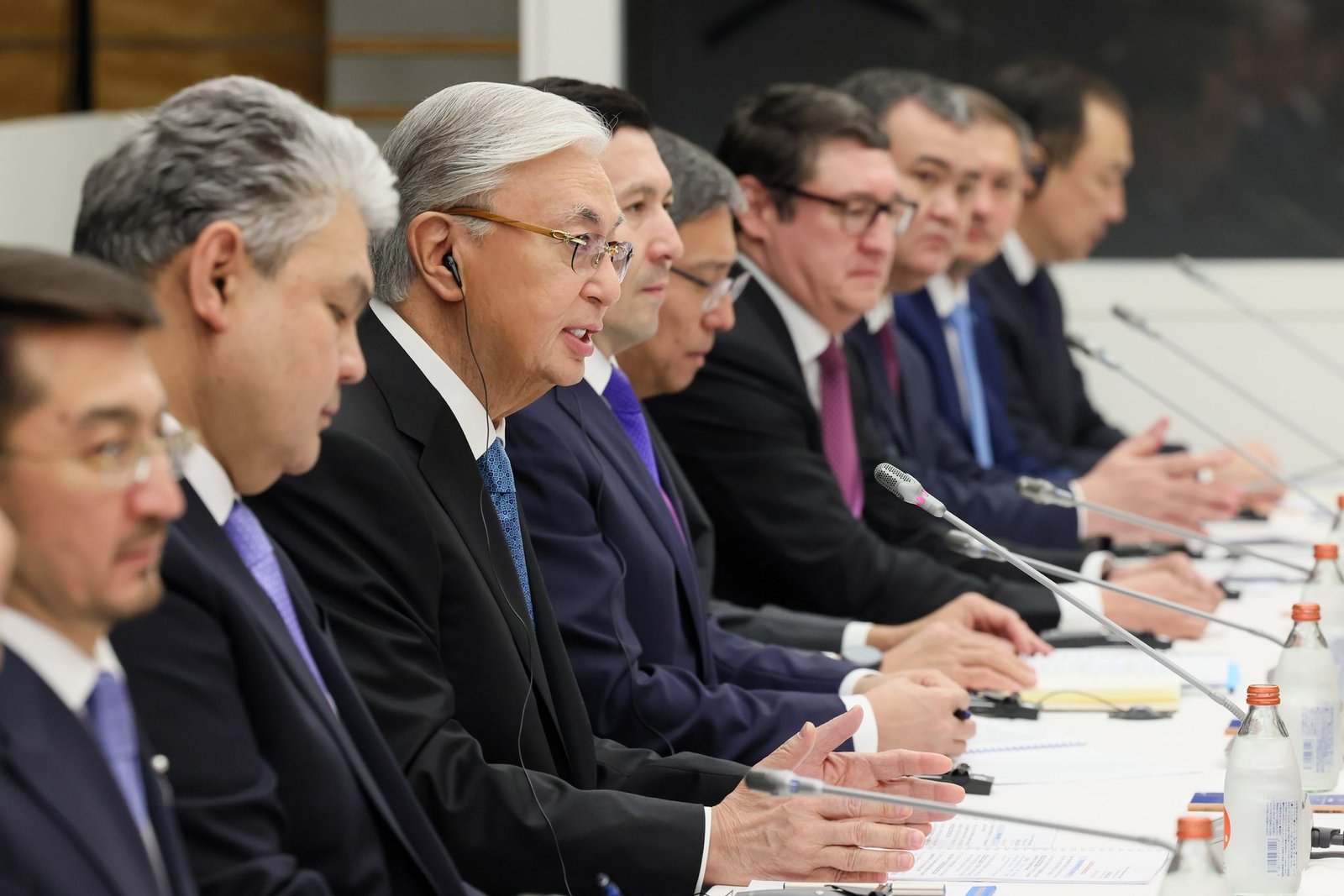
President Tokayev’s visit to Japan sent a clear message about Kazakhstan’s openness to global partnership and its desire to engage with technologically advanced economies. For Japan, Kazakhstan represents a stable, reform-oriented partner with strategic importance in Central Asia and along key Eurasian trade routes. As global economic and geopolitical dynamics continue to evolve, the outcomes of the visit are expected to translate into concrete projects, stronger institutional cooperation, and expanded dialogue across multiple sectors. The visit reaffirmed that Kazakhstan–Japan relations are not only rooted in mutual respect and shared values but are also oriented toward innovation, sustainability, and long-term prosperity. In essence, the official visit of President Kassym-Jomart Tokayev to Japan reinforced a partnership built on trust, complementary strengths, and a shared vision for the future—one that extends well beyond bilateral interests and contributes to regional and global development.
More to Read
All issues
Kazakhstan Strengthens Global Diplomatic Ties
Kazakhstan has reaffirmed its commitment to constructive international engagement as President Kassym-Jomart Tokayev received credentials from newly appointed…
Malaysia & Kazakhstan Explore New Avenues for Strategic Engagement
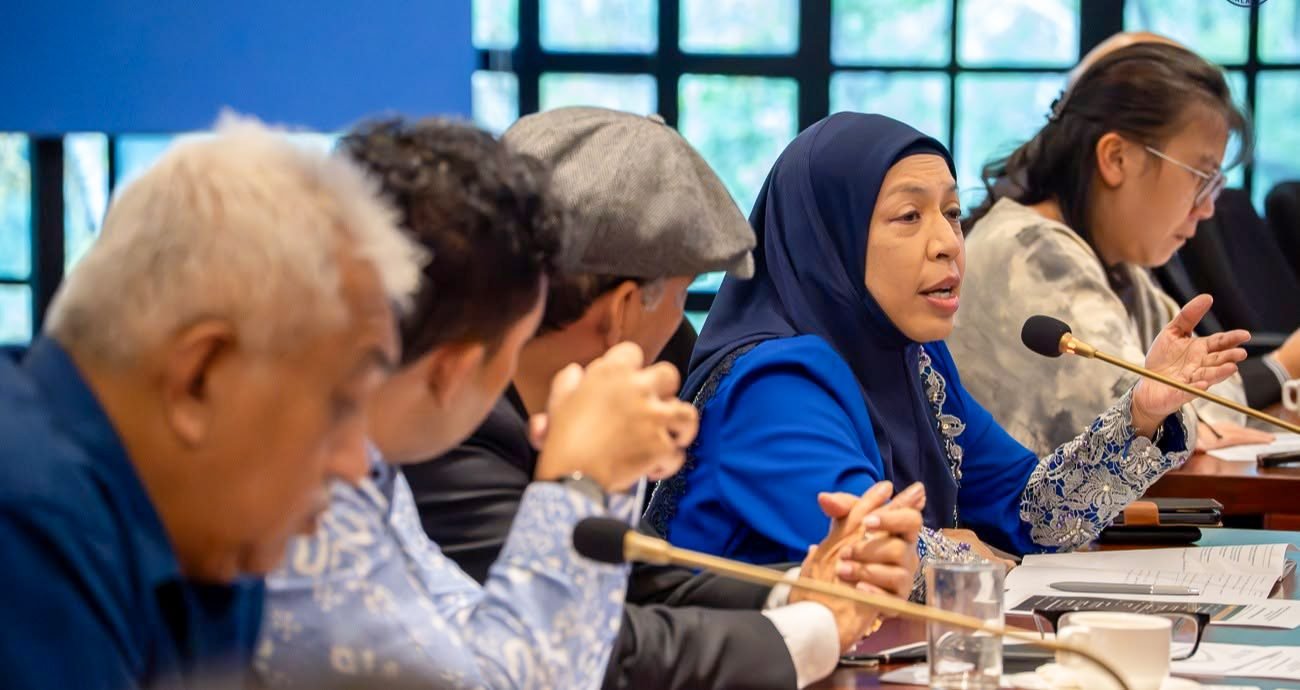
The Institute of Strategic & International Studies (ISIS) Malaysia hosted a roundtable discussion on “The Case for Deeper Malaysia–Central Asia Engagement,” providing a…
Tokayev & U.S. Special Envoy Sergio Gor Hold Talks on Strengthening Bilateral Cooperation
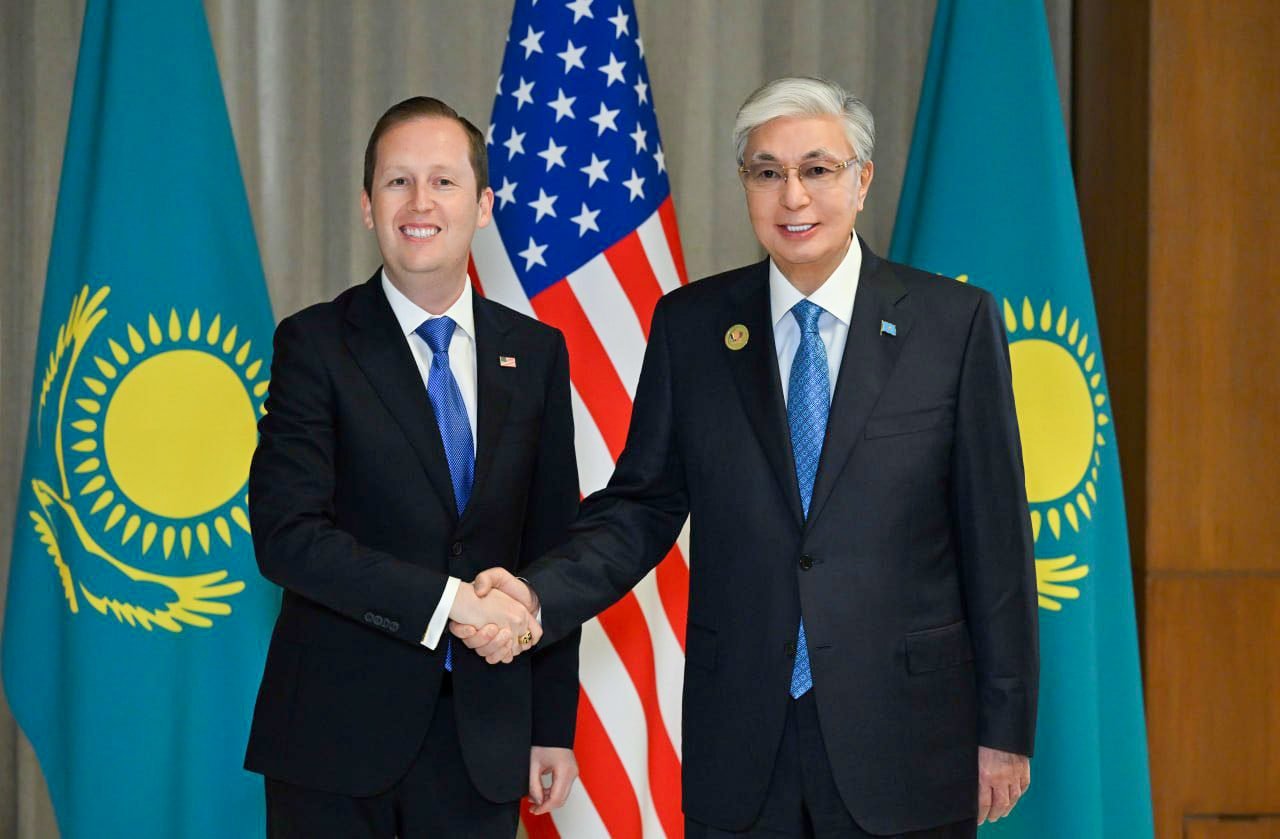
President Kassym-Jomart Tokayev met with U.S. President Donald Trump’s Special Envoy for South and Central Asia, Sergio Gor, on the sidelines of the 18th BRICS Summit in…